Nissan Kicks Years to Avoid: Identify Reliability Issues
Last Updated on September 1, 2026 by Ryan
When considering a used Nissan Kicks, the 2018 and 2019 model years often present the highest reliability risks, primarily due to potential issues with their Continuously Variable Transmissions (CVT). While the Kicks generally offers good value, understanding these specific problematic years is crucial to avoid costly repairs and ensure a smoother ownership experience.

Prime for Young Adults — 6 Months Free
Students and 18–24s get six months of Prime free, then half price.
Start 6 Months Free🎯 Key Takeaways
Recommended Best Deal Products


- Avoid 2018-2019 Nissan Kicks due to CVT risks.
- Prioritize thorough pre-purchase inspections always.
- Check service records for transmission maintenance history.
- Test drive carefully, watch for CVT anomalies.
- Consider extended warranty for early models.
When considering a used Kicks” target=”_blank” rel=”noopener noreferrer” title=”Nissan Kicks Vehicle Safety Recalls and Complaints (NHTSA)”>Nissan
Kicks, knowing which model years to approach with caution is essential for a stress-free ownership experience. While the Kicks generally offers good value and fuel economy, some specific years stand out for significant reliability issues that can lead to costly repairs and persistent headaches.
This guide cuts directly to the core problems, highlighting the Nissan Kicks model years with known recurring faults. By focusing on these problematic periods, you can make an informed decision, avoid potential money pits, and secure a Kicks that serves your needs reliably.
Understanding Nissan Kicks Reliability Trends
Overall Kicks Reliability Context
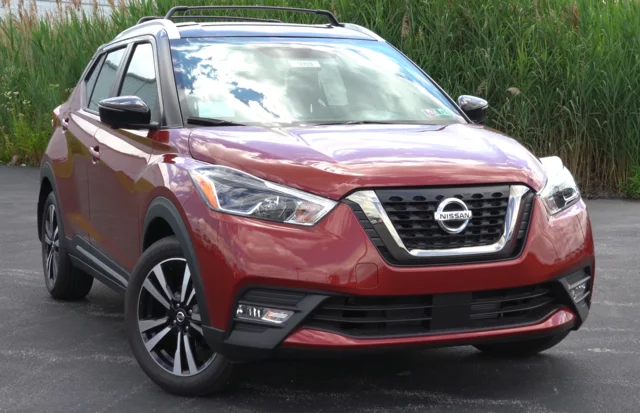
The Nissan Kicks entered the market as an affordable, stylish subcompact SUV, appealing to urban drivers and those prioritizing economy. Its reputation for good fuel efficiency is well-deserved. However, like many vehicles in its class, especially those utilizing Continuously Variable Transmissions (CVTs), the Kicks isn’t immune to mechanical issues. Nissan’s CVTs, in particular, have been a source of common concern across their lineup for years, and the Kicks inherited some of these challenges, especially in its initial production years. While later models have shown improvement, the early iterations often bore the brunt of these design and manufacturing quirks.
📤 Share
💾 Download
Identifying Red Flags in Model Years
Identifying problematic model years isn’t just about general brand reputation; it’s about specific production runs. Reliability issues often cluster in certain years due to factors like new model launches, component changes, or supply chain variations. For the Kicks, a significant indicator of a red-flag year is a high volume of consistent complaints across owner forums, consumer reliability surveys, and reports to organizations like the National Highway Traffic Safety Administration (NHTSA). These complaints often revolve around core components, particularly the powertrain and electronics, signaling systemic issues rather than isolated incidents. Understanding these patterns helps you target the safest used Kicks options.
Specific Nissan Kicks Model Years and Their Common Problems
Recommended Best Deal Products

The Inaugural 2018 Nissan Kicks
As the first model year for the Nissan Kicks, the 2018 iteration is frequently cited as one to approach with the most caution. First-year models often act as real-world test beds, and the 2018 Kicks unfortunately showcased several significant weaknesses. Buyers considering this year face a higher likelihood of encountering costly and frustrating issues.
-
CVT Transmission Concerns:
This is by far the most prevalent and severe issue. Owners reported a range of problems from shuddering, hesitation during acceleration, and grinding noises, to complete transmission failure. The CVT can feel sluggish and unresponsive, impacting both driving pleasure and safety. Repair costs for a new or reconditioned CVT can easily run into the thousands, often exceeding $3,000 to $5,000, making it an economically devastating repair for an affordable vehicle. -
Early Electrical Glitches:
The 2018 Kicks also suffered from various electrical maladies. Common complaints included infotainment system freezing, unresponsive touchscreens, Bluetooth connectivity issues, and erratic warning lights appearing on the dashboard without clear cause. While some fixes were software-related, others pointed to faulty sensors or wiring harnesses, leading to intermittent and hard-to-diagnose problems that could cost hundreds to resolve. -
Brake Noise and Premature Wear:
Many owners experienced unusual squealing or grinding noises from the brakes, even with relatively low mileage. Some also reported quicker than expected wear of brake pads and rotors. While not as severe as transmission failure, persistent brake issues are annoying, potentially reduce stopping effectiveness, and necessitate more frequent, albeit less costly, maintenance.
The 2019 Nissan Kicks Reliability Report
While the 2019 Nissan Kicks saw some incremental improvements from its debut year, it still carried over a number of reliability concerns, making it another model year potential buyers should scrutinize closely. Nissan addressed some initial software bugs, but core mechanical weaknesses, particularly with the transmission, remained a point of contention for many owners. The improvements were not always comprehensive enough to fully resolve underlying issues.
-
Continued CVT Complaints:
Despite minor tweaks, the Continuously Variable Transmission remained a significant Achilles’ heel for the 2019 model. Reports of delayed engagement, sudden loss of power, and unusual noises persisted. Though potentially less frequent than in the 2018 model, the risk of a major CVT malfunction was still elevated. These failures lead to substantial repair bills, often in the range of $3,000 to $5,000 for replacement, which severely impacts the long-term value and feasibility of ownership. -
HVAC System Malfunctions:
Owners of the 2019 Kicks specifically noted issues with the heating, ventilation, and air conditioning (HVAC) system. These included poor cooling performance, inconsistent heating, and fan motor failures. Such problems not only affect cabin comfort but can also be expensive to diagnose and repair, especially if it involves compressor or evaporator issues, potentially costing several hundred dollars. -
Sensor and Warning Light Persistence:
Some of the electrical issues from the 2018 model carried into 2019, particularly concerning various sensors and related warning lights. Malfunctions of the tire pressure monitoring system (TPMS), ABS sensors, or even parking assist sensors were reported. These can be frustrating to troubleshoot, often leading to multiple dealership visits and repair costs that vary depending on the specific component, from simple resets to sensor replacements.
Evaluating Potential Issues Before Buying a Used Kicks
Key Areas to Inspect for Common Problems
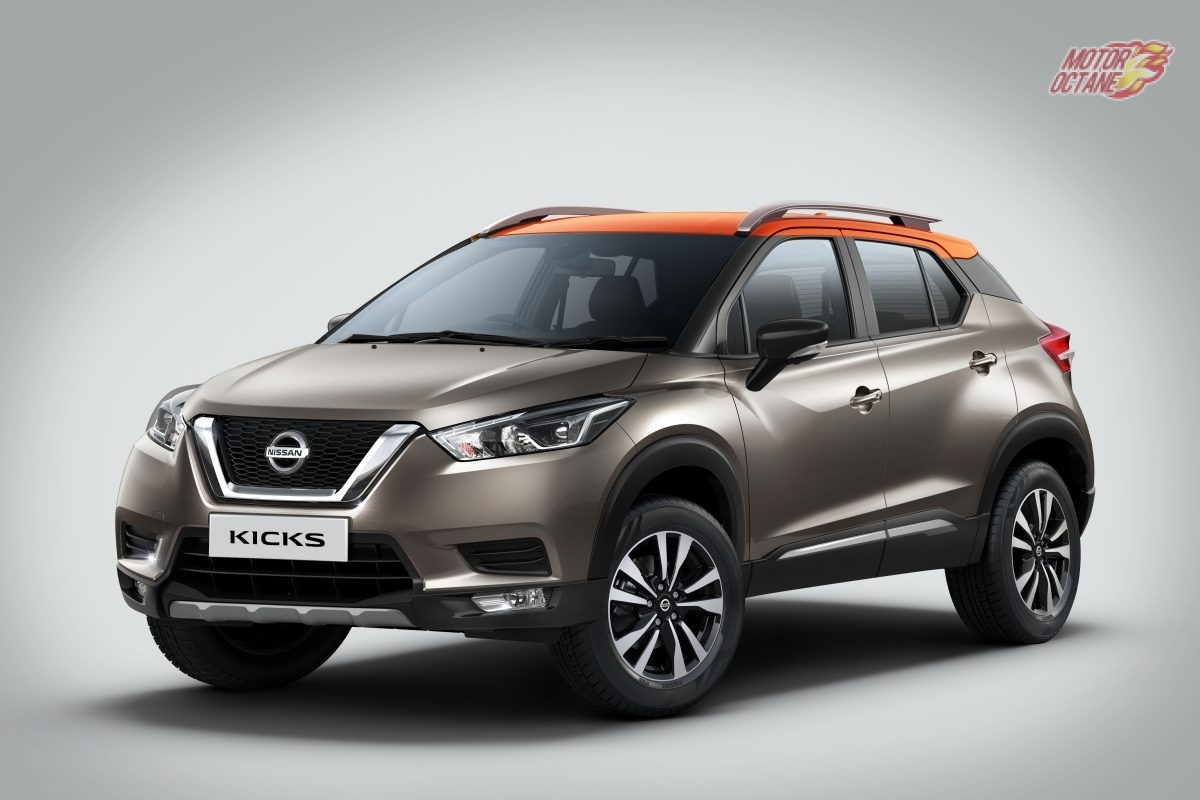
When you’re eyeing a used Nissan Kicks, especially from those earlier model years, diligent inspection is your best defense. The continuously variable transmission (CVT) is often the primary concern. During a test drive, pay close attention to how the car accelerates. Does it feel smooth, or do you notice any jerking, hesitation, or a “slipping clutch” sensation? These are significant red flags for CVT trouble that warrant further investigation.
📤 Share
💾 Download
Beyond the powertrain, electrical gremlins can surface. Check all dashboard warning lights – ensure none remain illuminated after starting. Test power windows, mirrors, door locks, and the infotainment system functions thoroughly. Ensure the air conditioning blows cold. Listen for unusual noises from the suspension, like clunks or squeaks over bumps, which might indicate worn struts or bushings. Also, inspect the battery and charging system; some early Kicks owners reported premature battery failures.

Audible Premium Plus — Annual Membership
12 audiobook credits up front, plus the full Audible catalogue.
See Annual Plans- Listen for any whine, clunk, or unusual sounds from the CVT.
- Feel for smooth, linear acceleration without surging or lagging.
- Verify all electrical accessories and dashboard warning lights function correctly.
- Drive over various road surfaces to test suspension and listen for abnormal noises.
The Importance of a Pre-Purchase Inspection (PPI)
Even if a used Kicks looks pristine and drives well on a short test, a pre-purchase inspection (PPI) by an independent, trusted mechanic is non-negotiable. This is especially true for models from 2018 or 2019, where potential issues might be subtly developing. A professional mechanic can spot underlying issues that aren’t obvious to the untrained eye, such as subtle CVT wear (even before major symptoms appear), developing suspension problems like leaking shocks, or hidden rust in critical areas.
A PPI provides an objective assessment of the vehicle’s true condition, going beyond a simple visual check. It can uncover previous accident damage that wasn’t properly disclosed, fluid leaks that indicate deeper problems, or error codes stored in the car’s computer that haven’t triggered a warning light yet. This small investment can save you significant money and stress down the road by either giving you invaluable peace of mind, providing strong leverage for price negotiation – or, critically, helping you walk away from a potential lemon entirely.
Recommended Kicks Years and Reliable Alternatives
Later Kicks Models: Improved Reliability?
If a Nissan Kicks is high on your list, consider focusing your search on later model years. While the Kicks hasn’t undergone a full redesign yet, subsequent years, particularly from 2020 onwards, have shown signs of improved reliability. This likely stems from small, iterative refinements to the CVT and other components based on early owner feedback. These later models still feature the same efficient powertrain but appear to have fewer widespread complaints reported by owners and in reliability surveys.
The 2021 model year also introduced a refresh with updated styling for a more modern look and some interior tweaks, which can make it a more appealing package overall. While no car is perfect, opting for these newer versions generally increases your chances of getting a Kicks that performs more consistently over time. Always check specific vehicle history reports for any used car, even for these better years, to ensure there are no red flags.
- 2020 Nissan Kicks (early signs of improvement)
- 2021 Nissan Kicks (facelifted, continued refinements)
- Newer models (2022, 2023) if your budget allows for the best chance at long-term reliability.
Considering Other Reliable Subcompact SUVs
If reliability is your absolute top priority and you’re still wary of the Kicks’ history, several other subcompact SUVs consistently rank well for dependability. These alternatives often offer similar practicality, fuel economy, and urban maneuverability, providing a worry-free ownership experience.
Consider models like the Honda HR-V, renowned for its incredibly versatile “Magic Seat” cargo space and Honda’s strong reputation for reliability, though its acceleration can be a bit sluggish. The Toyota C-HR (or its slightly larger and newer successor, the Corolla Cross) is another robust choice, leveraging Toyota’s bulletproof engineering, often with a more traditional automatic transmission or a well-proven CVT design. For a slightly more dynamic driving experience with solid warranty coverage, the Hyundai Kona or Kia Seltos are also compelling options, often providing more powertrain variety, including turbocharged engines.
- Honda HR-V (practicality, strong reliability)
- Toyota C-HR / Corolla Cross (Toyota’s proven dependability)
- Hyundai Kona / Kia Seltos (good features, strong warranty, varied powertrains)
Each offers its own blend of features and driving dynamics, giving you solid choices for a dependable daily driver in the subcompact SUV segment.
Conclusion
Navigating the used car market for a Nissan Kicks means being informed and strategic. While earlier models, particularly 2018 and 2019, presented some notable reliability concerns mainly centered around the CVT, later years show promising improvements due to ongoing refinements. Remember that due diligence is paramount, irrespective of the model year you’re considering. Prioritize thorough inspections, review the vehicle’s complete history report, and crucially, invest in a professional pre-purchase inspection to uncover any hidden issues. By choosing wisely and being proactive, you can find a Nissan Kicks that provides reliable transportation without unexpected headaches, or confidently explore other dependable alternatives. Drive confident in your well-researched choice!
❓ Frequently Asked Questions
Why are the 2018 and 2019 Nissan Kicks years frequently highlighted for reliability concerns?
These early production years for the North American market Kicks have seen a higher number of owner complaints, predominantly related to the Continuously Variable Transmission (CVT) exhibiting issues like slipping, sluggishness, or complete failure, leading to expensive repairs.
Audible — Listen Free for 30 Days
One free credit a month and thousands of titles included.
Listen Free for 30 DaysWhat are the typical symptoms of a failing CVT in a Nissan Kicks, and how costly is repair?
Symptoms include whining noises, shuddering during acceleration, delayed engagement, or complete loss of power. Repair or replacement of a CVT can be very costly, often ranging from $3,000 to over $6,000, depending on the severity and whether it’s a rebuild or full replacement.
Beyond the CVT, are there other common issues to watch for in specific Nissan Kicks years?
While the CVT is the most significant concern, some owners of early models have also reported minor electrical glitches, infotainment system freezing, or premature wear on certain interior components, though these are generally less severe.
What steps should a buyer take to mitigate risks if considering a potentially problematic Nissan Kicks year?
Always insist on a comprehensive pre-purchase inspection by an independent mechanic familiar with Nissans, thoroughly review all service records, and perform an extended test drive to pay close attention to transmission behavior and any unusual noises.
Are there any specific Kicks model years that are generally considered more reliable choices?
The 2020 and newer Nissan Kicks models generally show improved reliability ratings, benefiting from initial production refinements and potentially updated CVT software or hardware, making them safer bets for prospective buyers seeking fewer mechanical concerns.
What alternatives to the Nissan Kicks should I consider if I want to avoid potential reliability issues?
If reliability is a top priority, consider alternatives in the subcompact SUV segment such as the Honda HR-V, Mazda CX-30, Hyundai Kona, or Toyota C-HR, which often have strong track records for durability and fewer reported major mechanical concerns.