Jeep Cherokee Years to Avoid: Unreliable Models & Issues
Last Updated on September 1, 2026 by Ryan
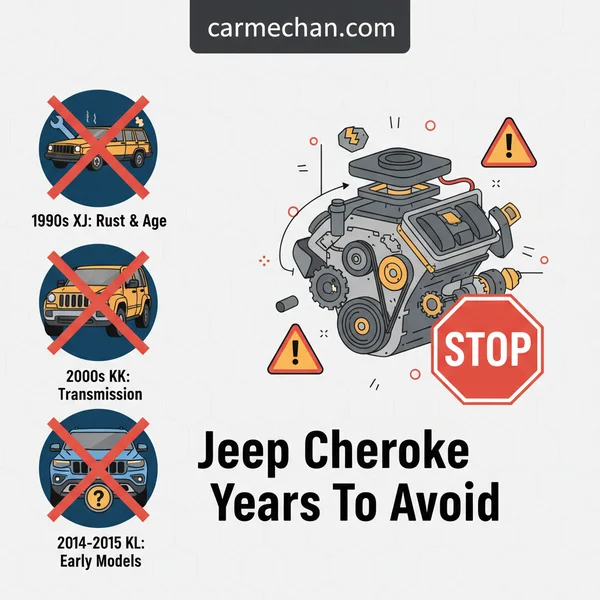
When buying a used Jeep Cherokee, it’s crucial to know which years are plagued with chronic issues. Specifically, the 2014-2017 KL generation and certain early 1990s XJ models are often cited for significant transmission failures, electrical glitches, and engine problems. Understanding these problematic years can save buyers significant repair costs and headaches.
🎯 Key Takeaways


- Avoid 2014-2017 KL models due to widespread transmission issues.
- Research specific XJ years (early 90s) for known engine faults.
- Prioritize comprehensive pre-purchase inspections for all used Cherokees.
- Verify service records for any transmission replacements or updates.
- Consider 2018+ KL models for improved reliability and fewer problems.
If you are considering a used Jeep Cherokee, understanding which model years carry a higher risk of significant mechanical and electrical problems is critical. While the Cherokee nameplate spans decades and multiple generations, certain periods stand out for widespread, costly failures that can turn a seemingly good deal into a money pit. Our focus here is to definitively list those problematic years and detail the specific component failures you should be aware of, helping you avoid common headaches and unexpected repair bills.
Knowing these specific “years to avoid” isn’t just about saving money; it’s about making an informed decision that impacts your daily reliability and long-term ownership experience. We’ll cut straight to the point, outlining which generations and specific model years are notorious for issues like transmission malfunctions, engine defects, and persistent electrical gremlins that often lead to expensive fixes and prolonged downtime.
Identifying Problematic Jeep Cherokee Generations and Years
Not all Jeep Cherokees are created equal, especially when it comes to reliability. Certain generations and their associated model years are disproportionately plagued by known, recurring issues. The most prominent offenders are found within the modern KL generation, but specific late-model XJ Cherokees and the KJ/KK Liberty (which carried the Cherokee mantle in some markets) also present notable concerns.
The Troubled KL Generation (2014-2018)
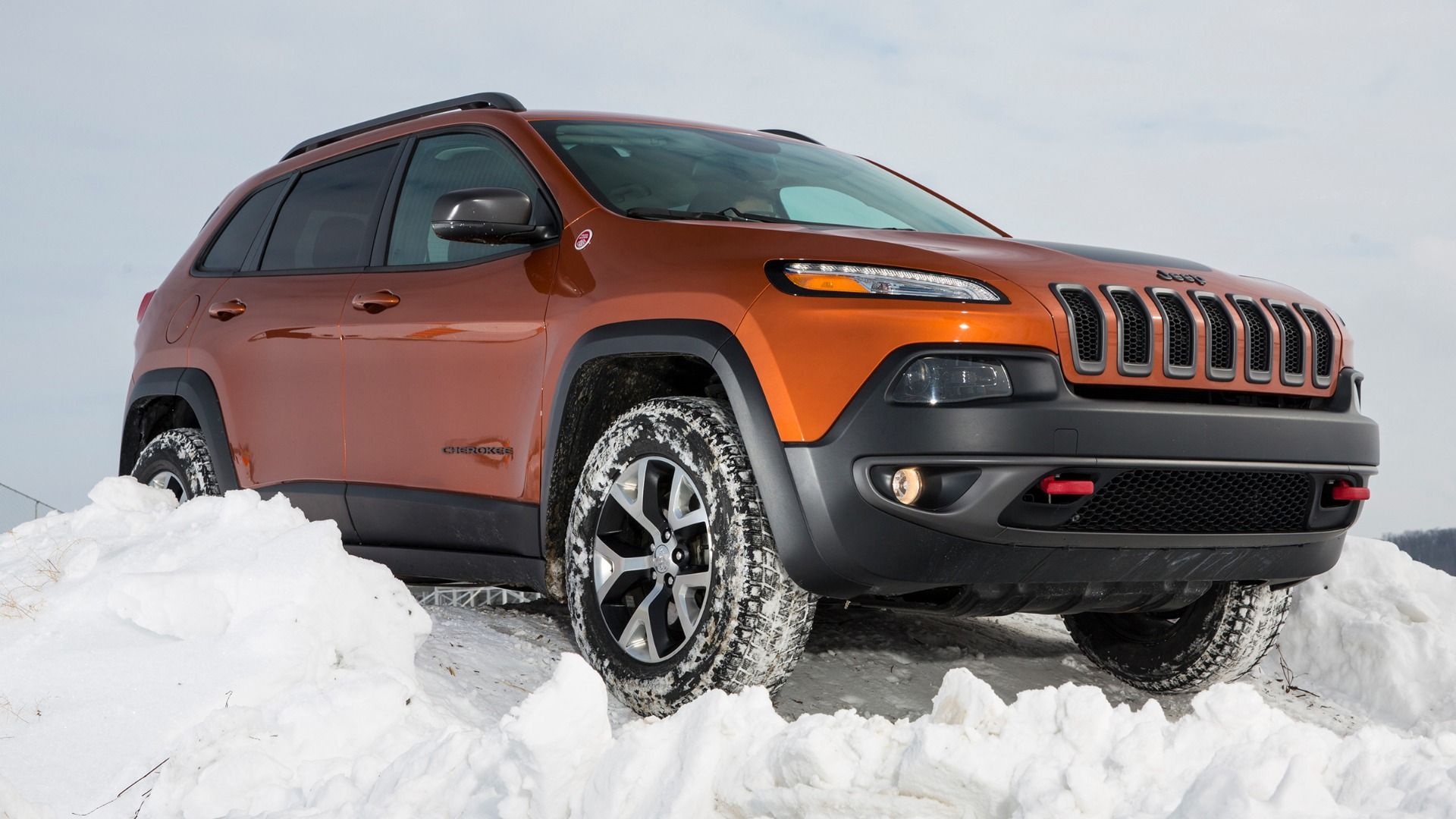
The fifth-generation Jeep Cherokee, known internally as the KL, introduced a radically different design and drivetrain. Unfortunately, its early production years are consistently flagged for severe reliability issues, particularly involving the transmission and powertrain components. These are the years you should approach with extreme caution, if at all:
- 2014 Jeep Cherokee: This inaugural year is the most problematic, suffering from widespread, well-documented issues with its 9-speed automatic transmission.
- 2015 Jeep Cherokee: While some software updates were applied, transmission issues persisted, along with emerging complaints about the Power Transfer Unit (PTU) in AWD models.
- 2016 Jeep Cherokee: Continued reports of transmission unreliability and powertrain issues, including engine oil consumption, kept this year on the “avoid” list.
- 2017-2018 Jeep Cherokee: Although slightly improved, these years still carried over many of the transmission and PTU vulnerabilities, alongside various electrical system glitches.
Specific Issues in Earlier Generations: XJ and KJ Liberty
While the classic XJ Cherokee (1984-2001) is largely celebrated for its rugged simplicity, its final years introduced a significant flaw. The KJ Liberty (2002-2007) also had some notable mechanical shortcomings that warrant attention.
- 2000-2001 Jeep Cherokee (XJ): The 4.0L inline-six engine, a hallmark of the XJ, developed a critical flaw in these later years: a redesigned 0331 cylinder head prone to cracking. This issue can lead to coolant mixing with oil, causing severe engine damage.
- 2002-2007 Jeep Liberty (KJ): This generation, which replaced the XJ in North America, is infamous for premature lower ball joint failures and faulty power window regulators. These are safety-critical and inconvenient problems, respectively, with recalls issued for the ball joints.
Common Mechanical and Electrical Failures by Model Year
Understanding which years to avoid is only half the battle; knowing the specific problems that plague them helps you identify symptoms and estimate potential repair costs. Here, we detail the most frequent and costly mechanical and electrical failures tied to the problematic Jeep Cherokee years.
KL Generation’s Core Weaknesses: Transmission, PTU, and Engines
The early KL Cherokees (2014-2018) are defined by powertrain reliability concerns, leading to frequent and expensive repairs:
- 9-Speed ZF Automatic Transmission Problems: This is the most common and severe issue. Owners report rough, delayed, or erratic shifting, lurching, sudden downshifts, and complete transmission failure. Software updates often failed to fully resolve the mechanical design flaws. A transmission replacement can cost anywhere from $3,500 to $7,000+, including labor. A class-action lawsuit specifically targeted these transmission issues.
- Power Transfer Unit (PTU) and Rear Drive Module (RDM) Failures: Common in AWD models, the PTU (which directs power to the rear wheels) is prone to premature failure, often indicated by grinding noises, fluid leaks, or a total loss of AWD capability. Repairs or replacements typically range from $1,800 to $3,500.
- 2.4L Tigershark Engine Oil Consumption: The standard 2.4-liter engine found in many KL models is notorious for excessive oil consumption, leading to low oil levels, engine damage, and potential stalling. This often stems from faulty piston rings or PCV systems. Resolving this can require extensive engine work, including a rebuild or replacement, costing $4,000 to $6,000+.
- Electrical Gremlins: Beyond the powertrain, early KL models are known for numerous electrical issues, including Uconnect infotainment system glitches, parasitic battery drain, power steering assist failure (leading to stiff steering), and various warning lights illuminating without clear cause. Diagnosis and repair costs for electrical issues are highly variable, often falling between $500 and $2,000 for persistent problems.
Critical Flaws in Older Cherokees: XJ Head & KJ Suspension
Even beloved older models have specific weak points that demand attention:
- 2000-2001 XJ 4.0L 0331 Cylinder Head Cracking: The redesigned cylinder head in these final XJ model years is susceptible to cracking between cylinders 3 and 4. Symptoms include coolant loss, overheating, and coolant mixing with the engine oil, creating a “milky” sludge. If left unaddressed, this can lead to catastrophic engine damage. Replacing the cylinder head can cost between $1,000 and $2,500.
- 2002-2007 KJ Liberty Lower Ball Joint Failure: A critical safety defect, the front lower ball joints on these models are prone to sudden, catastrophic failure, which can cause the wheel to separate from the vehicle at speed. This led to significant recalls. Even with recalls, ensuring the repair was properly performed and inspecting for ongoing wear is crucial. Replacement costs per side, if not covered by a recall, can range from $500 to $1,000.
- KJ Liberty Power Window Regulators: While less severe, many KJ Liberty owners face repeated failures of the power window regulators, often due to flimsy plastic components. Windows may drop into the door or fail to operate. Repairing each window can cost $200 to $400.
Estimated Repair Costs and Long-Term Ownership Considerations
Buying an unreliable vehicle isn’t just about the initial purchase price; it’s about the ongoing financial drain. Problematic Jeep Cherokee models can quickly turn into money pits, erasing any perceived upfront savings.
📤 Share
💾 Download
The Price of Unreliability
When you opt for a Cherokee from a known problematic year, you’re not just buying a car; you’re often inheriting a long list of potential repairs. These aren’t minor fixes either. Issues like transmission failures, electrical gremlins, and engine problems can lead to significant garage bills.
- Transmission Rebuild/Replacement: This is one of the most common and costly issues for certain Cherokee years, especially the 9-speed automatic transmission in early KL generation models. Expect to pay anywhere from $3,000 to $6,000+.
- Electrical System Diagnostics and Repair: Persistent warning lights, power window failures, or sensor malfunctions can be notoriously difficult to diagnose and expensive to fix, often running into hundreds of dollars per incident.
- Engine Component Failures: Issues like oil consumption or timing chain problems can lead to repair costs well over $1,000 to $2,000+, depending on the specific engine and issue.
- A/C System Repairs: Compressor failures or leaks are common in older models, often costing $800-$1,500 to repair.
Beyond the Initial Purchase: Hidden Costs
These repair costs add up quickly, sometimes exceeding the actual market value of the vehicle. Think about the cumulative impact over several years. High maintenance also means more downtime, leaving you without transportation. Furthermore, a vehicle with a spotty repair history or known reliability issues will likely have a significantly lower resale value, making it harder to sell when you decide to upgrade. What might seem like a bargain initially can become a source of ongoing financial stress and frustration.
Mitigating Risks: What to Look For and More Reliable Alternatives
If a Jeep Cherokee is still on your radar, especially a used one, equip yourself with knowledge to minimize potential headaches. Forewarned is forearmed.
Smart Buying Strategies
Even if you’re looking at a year that generally has a better reputation, a thorough inspection is non-negotiable. For models from problematic years, it becomes absolutely critical:
- Pre-Purchase Inspection (PPI): Always invest in a comprehensive PPI by an independent, trusted mechanic who specializes in Jeeps or similar SUVs. They can spot red flags that an average buyer might miss.
- Service Records: Demand detailed service history. Look for consistent maintenance, especially transmission fluid changes and any past major repairs. A lack of records is a major warning sign.
- Test Drive Thoroughly: Pay attention to how the transmission shifts (look for hesitation, jerking, or clunking), listen for unusual engine noises, and check all electrical components (windows, lights, infotainment).
- Check for Warning Lights: Ensure the “Check Engine,” “Transmission,” or any other warning lights are not illuminated. If they are, walk away unless accompanied by clear diagnostic reports and a significant price reduction.
- Inspect for Rust and Leaks: Especially for older models, check under the vehicle for excessive rust on the frame or suspension components, and look for any signs of fluid leaks.
Considering Alternatives
If the risks associated with certain Cherokee years outweigh your desire for the vehicle, there are other reliable options to consider. Sometimes, the best choice is to look elsewhere:
- Later Model Cherokees (Post-2019): Jeep generally made improvements to the KL generation over time. Models from 2019 onwards often show better reliability scores, especially concerning the transmission.
- Jeep Grand Cherokee: Often considered a more robust and generally more reliable option within the Jeep lineup, especially if you step up to a slightly newer model.
- Toyota RAV4 or Highlander: Renowned for their bulletproof reliability and strong resale values, these Japanese SUVs offer a dependable ownership experience, though perhaps with less off-road prowess.
- Honda CR-V or HR-V: Similar to Toyota, Honda SUVs are known for reliability, efficiency, and practical design.
Remember, your priority should be peace of mind and predictable ownership costs.
Conclusion
Navigating the used car market for a Jeep Cherokee requires careful consideration, especially when it comes to specific model years. While the Cherokee offers unique charm and capability, certain years, particularly the 2014-2016 KL generation and some older XJ and Liberty models, have garnered a reputation for significant reliability issues and expensive repairs. Thorough research, an unwavering commitment to pre-purchase inspections, and an understanding of potential long-term costs are your best defenses. Don’t let a low upfront price blind you to the potential for a costly ownership experience. By being informed and discerning, you can either find a more reliable Cherokee or confidently choose an alternative that better suits your need for dependable transportation. Drive smart, not sorry!
❓ Frequently Asked Questions
Why are the 2014-2017 Jeep Cherokee models so frequently advised against?
These model years, specifically the initial launch of the KL generation, suffered from widespread issues with their ZF 9-speed automatic transmissions, often leading to rough shifting, premature failure, and costly repairs. Additionally, numerous electrical complaints plagued these early models.
What specific engine problems are associated with problematic Jeep Cherokee years?
While not as widespread as transmission issues, some 3.2L Pentastar V6 engines in the KL generation have been reported for oil consumption, and certain early 4.0L XJ engines (pre-1996) could develop head gasket failures or cooling system weaknesses. Thorough pre-purchase inspections are crucial for any used model.
How much do common repairs for the problematic Jeep Cherokee years typically cost?
Transmission replacement on a 2014-2017 KL can range from $3,000 to $6,000+ depending on whether it’s rebuilt or new. Electrical diagnostic and repair costs vary widely but can quickly add up, especially for recurring issues like sensor failures or infotainment system glitches.
Are there any specific recalls or service bulletins related to the unreliable Jeep Cherokee years?
Yes, the 2014-2017 KL models had several recalls, including for transmission software updates, electrical system components, and infotainment vulnerabilities. Checking a specific VIN for open recalls and completed service bulletins is highly recommended before purchase.
What should I look for during a pre-purchase inspection for a Jeep Cherokee from a potentially problematic year?
Focus on smooth transmission shifts during a test drive (no jerking, slipping, or delayed engagement), check for any dashboard warning lights, ensure all electrical components (windows, lights, infotainment) function correctly, and have a mechanic perform a thorough diagnostic scan for stored trouble codes. Look for evidence of past transmission work or fluid changes.
Which Jeep Cherokee years or generations are generally considered more reliable options?
The classic XJ generation (1997-2001) is often praised for its simplicity and robustness, while for the modern KL generation, models from 2018 onwards typically show improved reliability due to transmission revisions and electrical system refinements. Always prioritize well-maintained vehicles with complete service histories.