Honda CRV Check Fuel Cap Reset and Fix Guide 2026
Last Updated on June 24, 2026 by Albert Duke


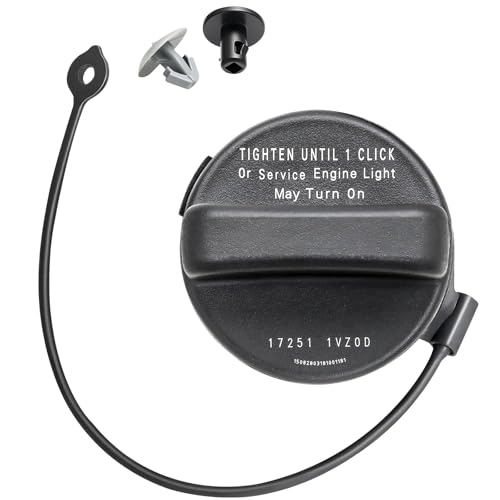
A Honda CRV check fuel cap reset starts with reseating the fuel cap, but the message may not clear instantly. On older CR-V models with a screw-on cap, the first fix is to remove the cap, inspect it, reinstall it securely, and drive until the system reruns its leak check.
If the message comes back, treat it as an EVAP system warning. EVAP means evaporative emissions system, which seals fuel vapors inside the fuel system instead of letting them escape.
This guide shows the safe reset path, when a new cap makes sense, and when an OBD2 scan is the smarter next move.
Which Honda CRV Fuel System Do You Have
The reset path depends on whether your Honda CR-V has a screw-on fuel cap or a capless fuel filler.
Older CR-V models use a physical fuel cap. Newer CR-V models use a capless fuel filler, which means there is no cap to tighten. Honda’s 2026 CR-V feature guide says the CR-V is equipped with a capless fuel filler, so the driver inserts the fuel nozzle without removing a cap Honda identifies the 2026 CR-V capless fuel filler system.
| Honda CR-V Setup | What You Should Check First | Reset Logic |
|---|---|---|
| Screw-on fuel cap | Cap tightness, gasket, cap threads | Reseat cap, cycle ignition, drive |
| Capless filler | Filler door, filler neck, sealing flap, dirt around opening | Clean visible debris, close fuel door, scan if warning returns |
| Check engine light also on | OBD2 codes | Diagnose EVAP code before replacing parts |
This matters because a “fuel cap” warning is really a leak warning. The cap is only one possible leak point.
How To Reset Honda CRV Check Fuel Cap Warning
The basic reset method is to secure the cap properly, restart the vehicle, and drive long enough for the CR-V to retest the fuel system.
Use this sequence first on CR-V models with a screw-on cap:
- Park safely and turn the engine off.
- Open the fuel door.
- Remove the fuel cap.
- Check the cap seal for cracks, flattening, missing rubber, or dirt.
- Reinstall the cap until it clicks at least once.
- Turn the ignition off and back on.
- Drive normally and watch whether the message clears.
Honda’s older owner manual language says the “TIGHTEN FUEL CAP” message should go off after tightening the cap, turning the ignition switch off and on, then driving over 30 mph for at least 45 seconds. It also says different driving conditions may require a few trips before the message goes off Honda describes the tighten fuel cap message clearing process.
Do not disconnect the battery as your first reset method. That may clear temporary memory, but it does not fix a leak.
If the Honda CRV Message Comes Back
If the warning comes back, treat it as a leak warning, not just a reset problem.
If the message appears right after refueling, then reseat the cap first. A loose cap after refueling is the easiest problem to fix.
If the cap seal is cracked, hardened, missing, or visibly damaged, then replace the cap with a correct Honda-compatible cap. Do not use a random universal cap unless the fitment is verified for your exact CR-V year.
If the message returns after cap replacement, then stop guessing. At that point, the leak may be at the filler neck, EVAP hose, purge valve, vent valve, charcoal canister, or another sealed fuel system part.
If your CR-V has a capless filler, then there is no cap to tighten. Check whether the filler door closes fully and whether dirt or debris is sitting around the filler opening. Honda’s 2024 CR-V owner manual says the fuel filler opening is designed for service station filler nozzles, and smaller tubes or non-service station devices can damage the filler area Honda explains proper CR-V capless refueling use.
If the warning returns with the check engine light, move to an OBD2 scan.
What EVAP Codes Mean on a Honda CRV
EVAP means evaporative emissions system. It seals fuel vapors inside the fuel tank and routes them through controlled emissions components instead of releasing them into the air.

A fuel cap warning can connect to EVAP leak codes. The most common related codes are P0455 and P0456.
| Code | Plain Meaning | What It Usually Suggests |
|---|---|---|
| P0455 | Large EVAP leak detected | Loose cap, missing cap, filler neck issue, hose leak, vent valve, purge valve, charcoal canister |
| P0456 | Small EVAP leak detected | Small vapor leak from cap seal, hose, tank area, or EVAP component |
AutoZone lists P0455 causes across the fuel cap, fuel tank and filler neck, charcoal canister, EVAP hoses, vent valve solenoid, and purge valve AutoZone identifies common P0455 EVAP large leak causes.
AutoZone explains P0456 as a failure to maintain proper fuel tank pressure, which means vapors are escaping from the tank or related hoses and parts AutoZone defines P0456 as an EVAP small leak condition.


For CR-V owners, the lesson is simple. A cap is the first suspect, but the code decides what to check next.
What You Can Check Before a Mechanic
These are visual checks you can do before paying for EVAP diagnosis. They do not replace a smoke test or scan tool diagnosis.
Check the cap gasket first on older CR-V models. Look for cracks, flat spots, missing rubber, damaged threads, or a cap that no longer clicks securely.
Check the filler neck area next. Look for dirt, fuel residue, corrosion, or damage around the sealing surface.
On capless CR-V models, check the filler opening and door area. Make sure the fuel door closes cleanly and the filler area is not packed with dirt.
If the check engine light is also on, use a scanner before replacing parts. A Honda-compatible OBD2 scanner can help you see whether the CR-V has P0455, P0456, P0441, or another EVAP-related code.
These checks help you avoid replacing the cap when the real issue is elsewhere.
When a Honda CRV Needs EVAP Diagnosis
A reset is not a repair if the leak is still present.
Your Honda CR-V needs deeper EVAP diagnosis if the warning returns after you tighten or replace the cap. It also needs diagnosis if the check engine light stays on with P0455, P0456, or another EVAP code.
A strong fuel smell is another reason to stop treating the issue as a simple reset. Fuel vapor smell can point to a leak that needs inspection.
A shop may use a smoke test to find small vapor leaks. This pushes smoke into the sealed EVAP system so the leak point becomes visible.
We are not adding a repair cost range here because a current CR-V-specific smoke test or EVAP diagnosis cost was not verified from an authoritative pricing source during research. Use a local written estimate before approving repairs.
Quick Honda CRV Fuel Cap Decision Guide
Use this table to choose the next step without replacing random parts.
Honda CR-V Check Fuel Cap Decision Flow
Start with the simplest seal check. Move to code scanning only when the warning returns or the check engine light stays on.
Warning After Refueling
Remove and reinstall the cap. On capless models, check the filler door and visible filler opening.
Cap Looks Damaged
Replace the cap only if the gasket, threads, or seal area is cracked, loose, worn, or missing.
Message Clears
No repair may be needed. Continue driving and watch whether the warning stays off after the next refuel.
Message Returns
Scan for EVAP codes such as P0455 or P0456 before replacing more fuel system parts.
Fuel Smell Or Codes
Stop resetting the warning. The CR-V may need EVAP diagnosis, leak testing, or component inspection.
| What You See | Most Likely Starting Point | What To Do Next | When To Escalate |
|---|---|---|---|
| Message appears right after refueling | Cap not fully seated | Remove and reinstall cap securely | If message returns after several drives |
| Cap looks cracked or worn | Bad cap seal | Replace with correct cap | If warning returns after replacement |
| No fuel cap on newer CR-V | Capless filler issue or EVAP leak | Check filler door and opening | If code returns or check engine light appears |
| Check engine light also on | EVAP code stored | Scan with OBD2 reader | If P0455, P0456, or related code stays active |
| Fuel smell present | Possible vapor or fuel leak | Stop guessing | Have the system inspected |
If you also want to understand common CR-V reliability issues by year, our Honda CR-V reliability by model year guide gives broader ownership context.
Best Next Step for Honda CRV Owners

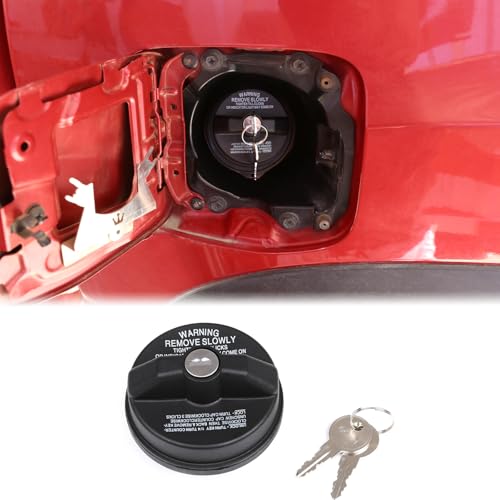

The best next step is to start with the simple seal check. Reseat the cap if your CR-V has one. If the cap is damaged, replace it with the correct part for your model year.
For capless CR-V models, inspect the filler opening and fuel door area instead of searching for a hidden gas cap. If the check engine light is on, scan codes before buying parts.
A Honda CRV check fuel cap reset should be treated as a first step, not the whole diagnosis. If the warning returns, the CR-V is telling you the sealed fuel system still needs attention.
For underbody checks related to fuel lines and general inspection areas, see our Honda CR-V undercarriage inspection points guide.
5 Common Honda CRV Fuel Cap Questions
How Do You Reset the Check Fuel Cap Message on a Honda CRV
Tighten or reseat the fuel cap, turn the ignition off and back on, then drive normally. Honda’s older manual guidance says the message may clear after driving over 30 mph for at least 45 seconds, but it may take a few trips.
How Long Does It Take for a Honda CRV Fuel Cap Warning To Clear
It can clear after one drive cycle, but it may take several trips depending on driving conditions. If the message keeps returning, the issue is probably not just a loose cap.
Why Does My Honda CRV Still Say Check Fuel Cap After Replacing the Cap
The warning can stay on if the leak is in the EVAP system instead of the cap. Common next suspects include the filler neck, EVAP hoses, vent valve, purge valve, or charcoal canister.
Can a Loose Gas Cap Cause a Check Engine Light on a Honda CRV
Yes, a loose or missing cap can trigger EVAP leak codes and may turn on the check engine light. Scan the vehicle if the light stays on after the cap is tightened.
Should I Disconnect the Battery To Reset a Honda CRV Fuel Cap Warning
No, do not use battery disconnection as the first reset method. It may clear memory temporarily, but it does not prove the fuel system is sealed or fix the leak that caused the warning.