How Long Do Jeep Wranglers Last? Lifespan, Reliability & Tips
Jeep Wranglers are known for their rugged durability and can often last between 150,000 to 200,000 miles, with many enthusiasts exceeding 250,000+ miles with diligent maintenance. Consistent care, driving habits, and addressing common issues proactively are crucial to maximizing their lifespan. Expect a robust vehicle that rewards proper ownership with years of adventure.
🎯 Key Takeaways


- Wranglers often exceed 150k-200k miles with care.
- Consistent maintenance is paramount for longevity.
- Driving habits significantly impact vehicle wear.
- Address common issues like rust or ‘death wobble’ promptly.
- Research specific model year reliability concerns.
Jeep Wranglers are renowned for their rugged capability, and thankfully, their durability often matches. You can realistically expect a Jeep Wrangler to last between 150,000 and 200,000 miles with proper care and maintenance. However, it’s not uncommon for dedicated owners to push their Wranglers well past the 250,000-mile mark, turning them into long-term adventure companions.

Understanding this lifespan is crucial whether you’re considering buying a new Wrangler, a high-mileage used one, or simply want to maximize the life of your current vehicle. Knowing the factors that contribute to or detract from its longevity empowers you to make informed decisions, ensuring your investment serves you reliably for years to come.
Understanding Jeep Wrangler Lifespan: Average Mileage & Expectations
The question of “how long do Jeep Wranglers last” is best answered with a blend of typical averages and achievable potential. Most Wranglers, when maintained according to manufacturer recommendations, comfortably reach mileage figures comparable to or exceeding many other SUVs on the road today. This robust lifespan is a testament to their utilitarian design and the availability of parts.
Common Lifespan Benchmarks
For most Wrangler owners, hitting the 150,000 to 200,000-mile range is a common and reasonable expectation. This benchmark generally implies a vehicle that has received regular oil changes, timely fluid checks, and addressed minor issues as they arose. At this mileage, you might start encountering more significant wear components needing replacement, such as suspension parts, certain sensors, or possibly a transmission overhaul depending on its history. However, the core engine and frame often remain solid.
- 150,000 Miles: Often seen as a solid lifespan for many vehicles, and easily attainable for a well-cared-for Wrangler.
- 200,000 Miles: A strong indicator of reliability and good maintenance practices. Many Wranglers reach this with original major components.
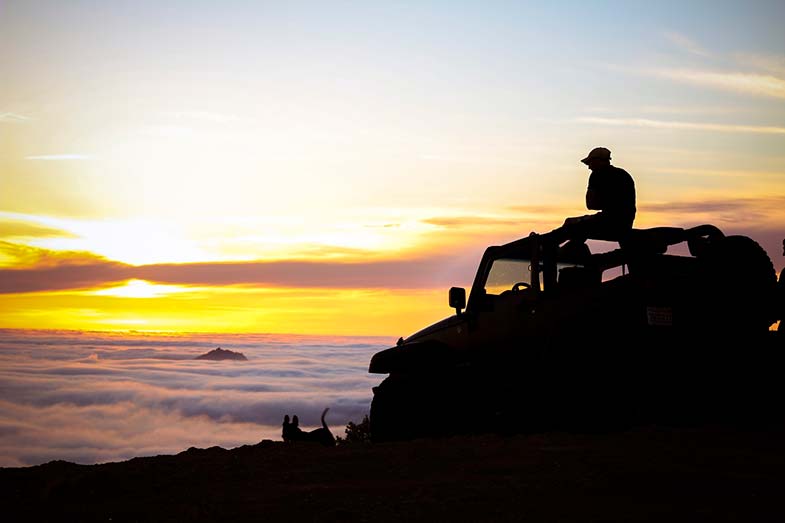
In terms of years, this translates roughly to 10-15 years for the average driver doing 12,000-15,000 miles annually. Many early 2000s TJ models and 2007-2018 JK models are still highly active on roads and trails, showcasing their long-term potential.
Beyond the Averages: The Potential for Extreme Longevity
While 200,000 miles is a great achievement, it’s far from the ceiling for a Jeep Wrangler. With diligent care, preventive maintenance, and a bit of luck, Wranglers frequently surpass the 250,000-mile mark, and even reach 300,000 miles or more. Achieving this extreme longevity usually involves a few key elements:
- Proactive Maintenance: Addressing small issues before they become major problems.
- Quality Parts: Using OEM or high-quality aftermarket components for replacements.
- Rust Prevention: Especially in salt-belt regions, vigilant rustproofing makes a huge difference to the frame and body.
- Mindful Driving: Avoiding excessive abuse, particularly during off-road excursions.
These high-mileage Jeeps often become cherished members of the family, passed down through generations or maintained by enthusiasts who understand their robust, repairable nature. The availability of parts and a passionate aftermarket community significantly support these long lifespans, making extensive repairs more feasible and economical than with many other vehicles.
Key Factors Influencing Your Wrangler’s Longevity and Reliability
The ultimate lifespan of your Jeep Wrangler isn’t solely determined by its initial build quality; it’s a dynamic equation influenced heavily by how you treat and use it. Several critical factors play a significant role in whether your Wrangler becomes a short-term fling or a multi-decade companion.
The Critical Role of Consistent Maintenance
No factor impacts your Wrangler’s longevity more directly than regular, diligent maintenance. Skipping scheduled services or ignoring warning signs can dramatically shorten its life. Adhering to the manufacturer’s recommended service intervals is paramount, but going beyond the basics truly pays off.
- Oil Changes: Essential for engine health. Use the recommended type and follow the specified intervals, especially if you drive in harsh conditions or off-road frequently.
- Fluid Checks and Changes: Don’t overlook transmission fluid, differential fluid, coolant, and brake fluid. These prevent premature wear in critical drivetrain components.
- Rust Prevention: Wranglers, particularly the frame, are susceptible to rust, especially if you live in areas where roads are salted or near the ocean. Regular undercarriage washes, rust-inhibiting treatments (like Fluid Film or Krown), and inspecting for rust early are vital.
- Suspension and Steering Checks: Given their off-road design, regular inspection of ball joints, tie rods, and bushings can prevent the “death wobble” and extend the life of these components.
- Tire Rotation and Balance: Ensures even wear and reduces stress on suspension parts.
Think of maintenance as preventative medicine. Small investments in time and money now can prevent much larger, more expensive repairs down the road, directly extending your Wrangler’s reliable service life.
Driving Conditions and Usage Patterns
How and where you drive your Wrangler has a profound effect on its wear and tear. A Wrangler primarily used for highway commuting will likely show different wear patterns and issues than one regularly subjected to extreme off-road conditions.
- Off-Roading vs. Highway Driving: Frequent, aggressive off-roading puts immense stress on the suspension, drivetrain, and frame. While Wranglers are built for this, it accelerates wear on components. Highway driving is generally much gentler, leading to less stress on parts. If you off-road, more frequent inspections and maintenance are a must.
- Climate: Extreme hot or cold weather can impact various components. Hot climates stress cooling systems and rubber components, while cold climates can be hard on batteries and increase the risk of rust due to road salt.
- Towing and Heavy Loads: Regularly towing at or near your Wrangler’s capacity, or carrying heavy loads, stresses the engine, transmission, brakes, and suspension. Ensure your vehicle is properly equipped and maintained for such tasks to prevent premature failure.
- Driving Habits: Aggressive acceleration, hard braking, and fast cornering all contribute to faster wear on tires, brakes, engine, and transmission. A smoother driving style helps prolong the life of all components.
Understanding your typical use case allows you to tailor your maintenance schedule and driving habits, ensuring your Wrangler lasts as long as possible for your specific needs.
<h2>Common Wear Points and Model-Specific Reliability Concerns</h2>
<p>While Wranglers are built tough, their adventurous spirit often means certain components experience more wear and tear than typical passenger vehicles. Understanding these common points can help you anticipate potential issues and plan for maintenance.</p>
<h3>Suspension, Steering, and Rust Vulnerabilities</h3>
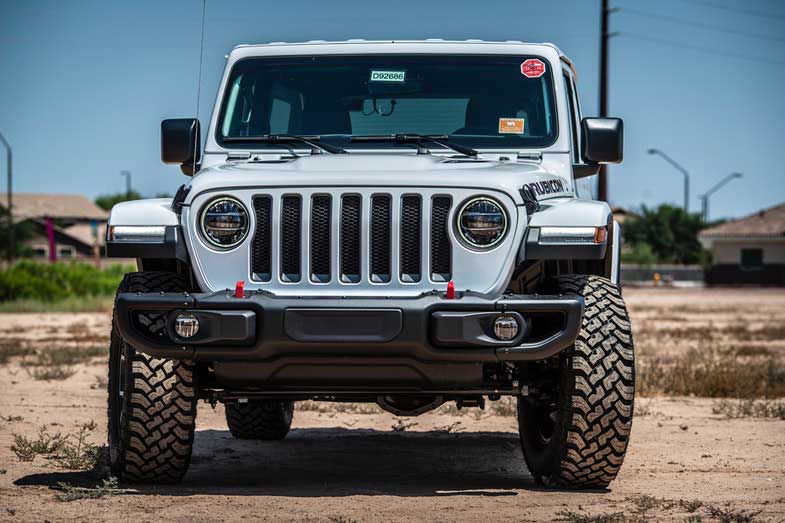
<p>Jeep Wranglers, especially those frequently used off-road, exert significant stress on their suspension and steering systems. Components like ball joints, tie rod ends, and control arm bushings are common items that may need attention over time. Lift kits, while popular, can also accelerate the wear on these parts if not properly installed and maintained. Another perennial concern for Wranglers, particularly in regions with road salt, is rust.</p>
<ul>
<li><strong>Suspension & Steering:</strong> Listen for clunks or feel looseness in the steering. Regular inspections can catch worn parts early.</li>
<li><strong>Frame & Body Rust:</strong> Pay close attention to the frame rails, body mounts, and floor pans. Thoroughly washing the undercarriage after off-roading or driving in salty conditions is crucial.</li>
<li><strong>Axle Seals & U-Joints:</strong> These hardworking drivetrain components can wear out, leading to fluid leaks or vibrations.</li>
</ul>
<h3>Engine and Transmission Nuances Across Generations</h3>
<p>Specific engine generations have had their own unique characteristics. For instance, the 3.8L V6 engine (found in early JK models pre-2012) was occasionally noted for oil consumption. Early versions of the popular 3.6L Pentastar V6 (specifically 2012-2013 JKs) had some cylinder head issues, though this was often addressed under warranty and later versions are largely robust. Modern 2.0L turbo engines (JL) are proving reliable but turbos can be a long-term wear item. Transmissions generally hold up well, but proper fluid maintenance is key.</p>
<h2>Maximizing Your Jeep Wrangler’s Life: Maintenance & Ownership Strategies</h2>
<p>The single biggest factor in how long your Wrangler will last is your commitment to proactive care. Treat your Jeep well, and it will reward you with years of reliable adventure.</p>
<h3>Adhering to a Strict Maintenance Schedule</h3>
<p>Beyond basic oil changes, Wranglers benefit immensely from adherence to the manufacturer’s recommended maintenance schedule. This includes timely checks and replacements of crucial fluids for the transmission, transfer case, and differentials, especially if you engage in off-roading. These components work harder than in a typical daily driver.</p>
<ul>
<li><strong>Regular Fluid Checks:</strong> Don’t just check engine oil. Keep an eye on coolant, brake fluid, and steering fluid levels.</li>
<li><strong>Differential & Transfer Case Services:</strong> Change these fluids at recommended intervals, particularly after heavy off-road use or water crossings.</li>
<li><strong>Tire Rotation & Alignment:</strong> Proper tire care ensures even wear and reduces stress on steering components.</li>
<li><strong>Prompt Repairs:</strong> Address any unusual noises, vibrations, or dashboard warning lights immediately to prevent minor issues from escalating.</li>
</ul>
<h3>Driving Habits and Off-Road Care</h3>
<p>How you drive your Wrangler has a direct impact on its longevity. While Wranglers are incredibly capable, aggressive driving, whether on-road or off, puts extra strain on every component. Mindful driving, combined with specific post-adventure care, will significantly extend its life.</p>
<ul>
<li><strong>Gentle Driving:</strong> Avoid harsh acceleration and braking. Use appropriate gearing when off-roading to minimize stress on the drivetrain.</li>
<li><strong>Post-Off-Road Inspection:</strong> After hitting the trails, conduct a thorough inspection of your undercarriage. Look for bent components, damaged boots, fluid leaks, or trapped debris.</li>
<li><strong>Undercarriage Washing:</strong> Remove mud, sand, and salt from the frame and suspension components after off-roading or driving in harsh conditions to combat rust.</li>
<li><strong>Smart Modifications:</strong> If you modify your Wrangler, ensure the changes are done professionally and don’t compromise the integrity or balance of other systems.</li>
</ul>
<h2>Conclusion</h2>
<p>So, how long do Jeep Wranglers last? With diligent maintenance and responsible ownership, you can realistically expect your Wrangler to last between 150,000 to 200,000 miles, with many enthusiasts pushing them well beyond this mark. Their robust design, combined with a strong aftermarket for parts and modifications, makes them a vehicle built for the long haul. Your Wrangler’s lifespan ultimately reflects the care you put into it. Invest in its upkeep, and it will continue to carry you on countless adventures for years to come. Embrace the journey, and enjoy the legendary capability of your Jeep!</p>
❓ Frequently Asked Questions
What are the main indicators of a long-lasting Jeep Wrangler?
A Wrangler’s potential for a long lifespan is best indicated by a complete maintenance history, minimal signs of rust, a well-cared-for engine and transmission, and evidence of responsible ownership rather than extreme abuse. Look for owners who addressed issues proactively and performed regular fluid services.
How does proper maintenance specifically contribute to a Wrangler’s lifespan?
Proper maintenance, encompassing timely oil changes, fluid flushes (transmission, differentials, coolant), tire rotations, and chassis lubrication, prevents premature wear on critical components. This proactive approach helps identify and rectify minor issues before they escalate into costly failures, thereby significantly extending the vehicle’s overall operational life.
Are certain Jeep Wrangler model years more reliable than others?
Yes, reliability can vary significantly between different Wrangler generations and specific model years. For example, some JK models were known for ‘death wobble’ concerns, while certain JL models have faced reports of frame rust; researching common issues for a specific year is highly recommended.
What are common high-mileage issues to expect with a Jeep Wrangler?
High-mileage Wranglers often present wear in suspension components like ball joints and tie rods, rust concerns (especially on the frame), potential electrical glitches, and fatigue in engine or transmission components. Regular inspections and addressing these wear items proactively are key to continued reliability.
Can aftermarket modifications affect how long a Jeep Wrangler lasts?
Poorly installed or overly aggressive aftermarket modifications, particularly those stressing the drivetrain, suspension, or electrical system beyond factory tolerances, can significantly reduce a Wrangler’s lifespan. Choosing quality parts and ensuring professional installation is crucial to maintain longevity and reliability.
What steps can I take to prevent rust and extend my Wrangler’s life in harsh climates?
To effectively prevent rust, regularly wash your Wrangler’s undercarriage, especially after off-roading or driving in salty winter conditions. Applying rust-preventative coatings such as Fluid Film or investing in professional undercoating services can offer significant long-term protection for the frame, axles, and body panels.