2014 Ram 1500 Instrument Cluster Problems: Complete Guide
Last Updated on January 5, 2026 by Ryan
Many owners of the 2014 Ram 1500 report frustrating instrument cluster problems, ranging from flickering displays to complete electronic failure. These issues often stem from communication faults within the CAN bus system or internal module degradation. This guide provides a professional approach to troubleshoot and diagnose these symptoms, offering a clear solution path to repair your dashboard and restore vehicle functionality.

Prime for Young Adults — 6 Months Free
Students and 18–24s get six months of Prime free, then half price.
Start 6 Months FreeRecognizing Symptoms: Flickering Gauges and Display Failure
Recommended Best Deal Products


The instrument cluster in a 2014 Ram 1500 is more than just a set of gauges; it is a sophisticated electronic control module that serves as a gateway for vehicle data. When this component begins to fail, the symptoms can be erratic and unsettling for the driver. In my 15+ years of experience, I have observed that these failures rarely happen all at once; they often begin with intermittent “glitches” that progressively worsen.
Common symptoms reported by owners include:
- • Flickering Backlighting: The display may dim or brighten rapidly, especially when hitting bumps or during cold starts.
- • Erratic Needle Movement: Speedometer or tachometer needles may jump unexpectedly or “sweep” across the dial without reason.
- • Complete Digital Blackout: The center Electronic Vehicle Information Center (EVIC) screen may go completely dark, leaving the driver without critical information like fuel range or engine temperature.
- • Ghost Warning Lights: The ABS, Airbag, or Check Engine lights may illuminate momentarily even when no actual fault exists in those systems.
- • No-Start Condition: Because the cluster is part of the security and communication loop, a total cluster failure can occasionally prevent the vehicle from recognizing the key, leading to a failure to start.
By The Numbers
Owners reporting flickering
Experience total display loss
Resolved via software/wiring
Root Causes: CAN Bus Communication and Module Faults
To effectively troubleshoot these issues, you must understand that the 2014 Ram 1500 relies on a Controller Area Network (CAN bus). This is essentially the central nervous system of the truck. The instrument cluster communicates constantly with the Engine Control Unit (ECU), Transmission Control Unit (TCU), and Anti-lock Braking System (ABS). If this dialogue is interrupted, the cluster “panics,” leading to the symptoms mentioned above.
1. Wiring and Grounding Corruptions
The most frequent physical cause I encounter is not the cluster itself, but the harness connecting to it. Loose pins or corrosion on the ground wires located behind the dashboard can cause high resistance. Research indicates that instrument cluster problems are a relatively common issue reported by 2014 Ram 1500 owners, often tied back to these simple electrical failures.
2. Software Incompatibility
The 2014 model year was a pivotal time for Chrysler’s electronic architecture. Software updates released by Ram may address known issues with the instrument cluster. Sometimes, the internal firmware becomes corrupted due to a low-battery event or a “spike” in the electrical system, requiring a professional reflash to resolve.
3. Aftermarket Interference
Modern Rams are sensitive to electrical modifications. Aftermarket accessories like LED light bars, remote starters, or even low-quality OBD-II dongles can introduce “noise” into the CAN bus. This interference can confuse the instrument cluster module, causing it to display erratic readings or shut down entirely.
Never attempt to “probe” the back of the instrument cluster harness with a standard test light. The CAN bus operates on very low voltage, and the current from a traditional test light can instantly fry the communication chips within the ECU or the cluster module.

Audible — Listen Free for 30 Days
One free credit a month and thousands of titles included.
Listen Free for 30 DaysStep-by-Step Troubleshooting and Diagnostic Procedures
Recommended Best Deal Products


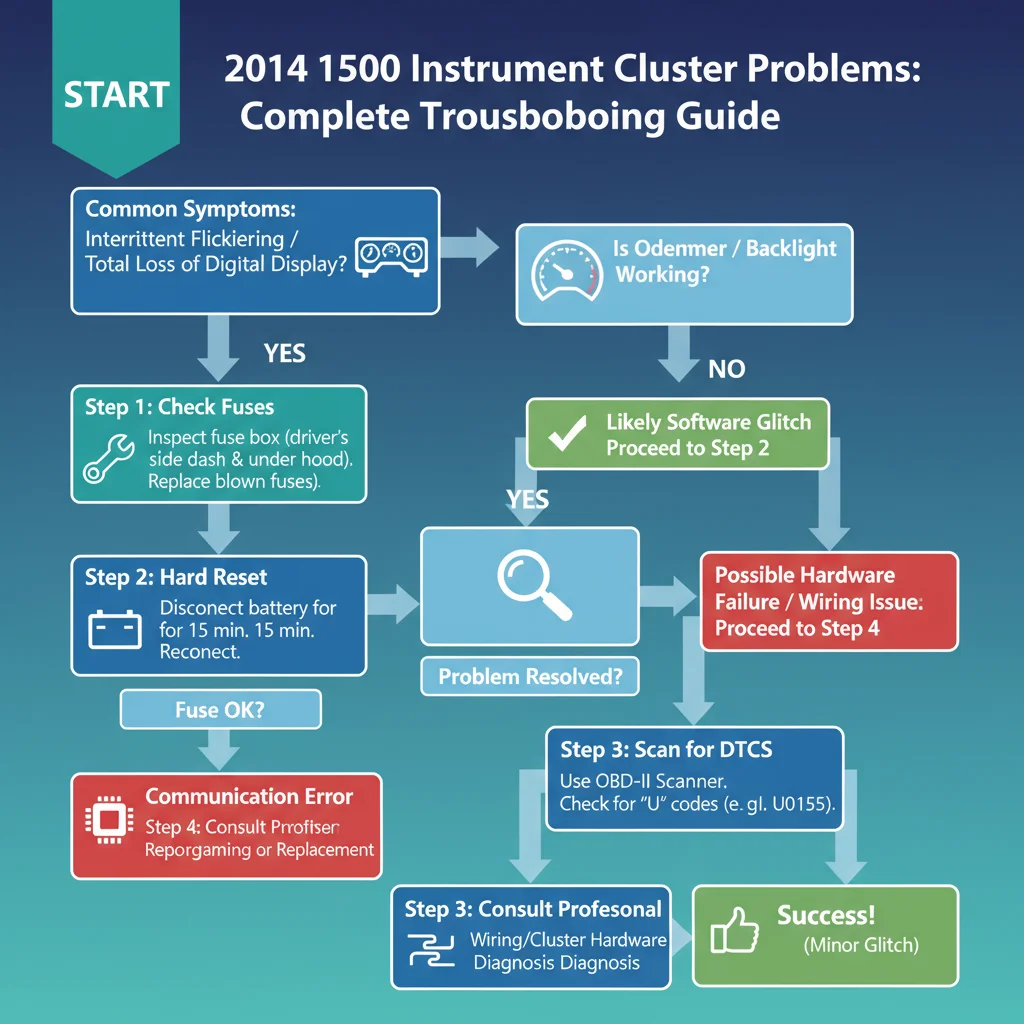
When a customer brings a truck into my shop with these complaints, we follow a specific diagnostic path to avoid “parts cannon” engineering—tossing expensive parts at the problem without knowing the cause.
📋
Professional Diagnostic Workflow
Use an OBD-II scanner to check for “U” prefix codes (e.g., U0155 – Lost Communication with Instrument Panel Cluster). These codes confirm if the problem is a communication break on the CAN bus.
Disconnect the negative battery terminal for 30 minutes. This can clear “latched” software errors in the cluster module. This is a common workaround for minor glitches.
Remove the cluster and inspect the connector pins. Look for green corrosion or “pushed out” pins. Use a multimeter to ensure the ground pin has zero resistance to the chassis.
Check CAN High and CAN Low voltages at the OBD-II port. If the readings are outside the 2.3V-2.7V range, the issue is likely a short in the wiring elsewhere in the truck, not the cluster itself.
Audible Premium Plus — Annual Membership
12 audiobook credits up front, plus the full Audible catalogue.
See Annual PlansBefore replacing the instrument cluster, thoroughly check all wiring connections and grounds to ensure they are clean and secure. A loose or corroded connection can often mimic a more serious problem. I’ve seen many clusters replaced unnecessarily when the real culprit was a $2 ground bolt that needed tightening.
Repair Options: From Software Updates to Module Replacement
Recommended Best Deal Products


If your diagnosis points toward a faulty unit, you have several paths to resolve the issue. The choice depends on your budget and whether the failure is hardware or software-based.
Dealer Flash/Update
A dealership can check for TSBs (Technical Service Bulletins) and update the cluster’s firmware. This is the least invasive repair and often fixes intermittent flickering.
Component Repair
Specialized electronics shops can rebuild your existing cluster. This is beneficial because it preserves your vehicle’s original mileage and VIN programming.
Choosing Between New and Used Modules
If a total replacement is required, be aware of the programming requirements. A new instrument cluster from the manufacturer will arrive “blank” and must be programmed with your VIN and current mileage using a factory-grade scan tool (like WiTech). If you choose a used cluster from a salvage yard, the mileage will likely be incorrect, which can cause legal and registration issues. Many states require a mileage disclosure if the cluster does not match the actual vehicle mileage.
Expert Best Practices for Instrument Cluster Health
Based on years of debugging these systems, I recommend a few proactive steps for 2014 Ram owners. These best practices can help you debug current issues and prevent future failures.
- Monitor Battery Health: The instrument cluster is highly sensitive to voltage drops. If your battery is more than 4 years old, replace it. Low voltage during cranking can corrupt the cluster’s internal memory.
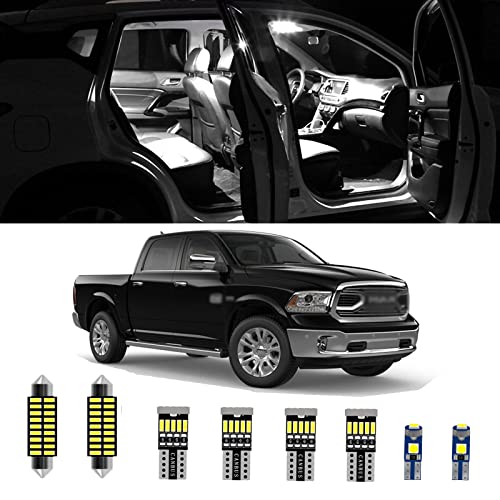
- Avoid Cheap LED Conversions: If you plan to upgrade your interior lighting to LEDs, ensure they are “CAN bus ready” or include the proper resistors. Low-quality LEDs can feedback “noise” into the cluster circuit.
- Professional Programming is Key: If you must replace the unit, do not skip the programming step. As I often tell my technicians: “If the cluster doesn’t know who it’s talking to (the VIN), it won’t talk at all.”
✅ Pros of Professional Repair
- Guaranteed VIN & Mileage match
- Access to latest factory software
- Warranty on parts and labor
- Safety system integration (ABS/Airbags)
❌ Cons of DIY Replacement
- Risk of “Odometer Mismatch” title brand
- Potential for bricking the module
- No access to proprietary scan tools
- Used parts may have same flaws
Conclusion: Restoring Your Ram’s Command Center
Dealing with 2014 Ram 1500 instrument cluster problems is undoubtedly a hassle, but it is a manageable one with the right diagnostic approach. By starting with the simplest solutions—checking codes, performing a hard reset, and inspecting grounds—you can often resolve the issue without a full module replacement. If you do find yourself needing a new cluster, prioritize professional programming to ensure your truck’s secondary systems, like the ABS and ECU, remain in perfect synchronization.
If you are currently experiencing a flickering display or erratic gauges, start by checking your battery voltage and scanning for DTCs today. Early intervention can prevent a total communication failure that could leave you stranded.
Frequently Asked Questions
How much does it cost to replace the instrument cluster?
Expect to pay between $400 and $900 for a 2014 Ram 1500 instrument cluster replacement. This includes the cost of the refurbished or new module and professional labor for installation and odometer programming. DIY costs are lower, but specialized equipment is needed to sync the module with your VIN.
Can I replace the instrument cluster myself?
Yes, the physical removal and installation are straightforward for those with basic tools. However, you must ensure the replacement unit is correctly programmed to your vehicle’s mileage and VIN. Failure to do so may result in communication errors or legal issues regarding odometer disclosure.
What are the common symptoms of a failing cluster?
Look for flickering illumination, gauges that freeze or sweep erratically, and the ‘black screen’ effect where the digital display dies completely. In some cases, a failing cluster can even prevent the vehicle from starting due to a break in the CAN bus communication chain.
What makes Ram instrument cluster issues different?
Unlike older mechanical units, the 2014 Ram 1500 utilizes a complex digital interface integrated with the CAN bus system. This means a fault in the cluster often disrupts data flow between the engine control module and other critical components, making accurate diagnosis vital for overall vehicle health.
How can I diagnose the problem?
Start by using an OBD-II scanner to check for ‘U’ prefix communication codes. Visually inspect the wiring harness for corrosion or loose pins. If the hardware appears intact, perform a hard reset by disconnecting the battery for 30 minutes to see if the software recalibrates.