P0430 Nissan Bank 2 Location: Expert Diagnostic Insights And Local Service Accessibility
Encountering a P0430 diagnostic trouble code (DTC) in your Nissan can be a source of frustration, often leading to concerns about emissions, performance, and significant repair costs. The P0430 code specifically indicates an issue with the catalytic converter’s efficiency on ‘Bank 2’ of your engine, but simply knowing the code doesn’t reveal the precise location of this critical component or the underlying cause. Furthermore, finding a reliable local expert to accurately diagnose and resolve this complex issue can be challenging. This authoritative guide will demystify the P0430 code, pinpoint the specific location of Bank 2 components on various Nissan models, elucidate advanced diagnostic strategies, and, crucially, assist you in identifying reputable local automotive specialists equipped to restore your Nissan’s emission system to optimal performance.
Understanding P0430: Catalytic Converter System Efficiency Below Threshold (Bank 2)



📤 Share Image
The P0430 code, formally defined as “Catalyst System Efficiency Below Threshold (Bank 2),” is a specific OBD-II diagnostic trouble code indicating that your Nissan’s Engine Control Module (ECM) has detected that the catalytic converter on Bank 2 is no longer performing its emission reduction function with sufficient efficiency. This doesn’t necessarily mean the converter has failed completely, but rather that its ability to convert harmful pollutants into less noxious byproducts has diminished below the manufacturer’s specified threshold.
At its core, a catalytic converter is an exhaust after-treatment device designed to reduce toxic gases and pollutants in exhaust gas from an internal combustion engine. It uses precious metals (platinum, palladium, rhodium) to facilitate oxidation and reduction reactions, converting carbon monoxide (CO), nitrogen oxides (NOx), and unburnt hydrocarbons (HC) into less harmful substances like carbon dioxide, nitrogen, and water vapor. The ECM monitors this efficiency by comparing readings from two oxygen (O2) sensors for each bank: an upstream (pre-catalyst) sensor and a downstream (post-catalyst) sensor. A healthy catalyst will show a fluctuating signal from the upstream sensor and a relatively steady signal from the downstream sensor, indicating successful chemical conversion. When the downstream sensor starts mirroring the upstream sensor’s fluctuations, it signifies a loss of efficiency, triggering the P0430 code.
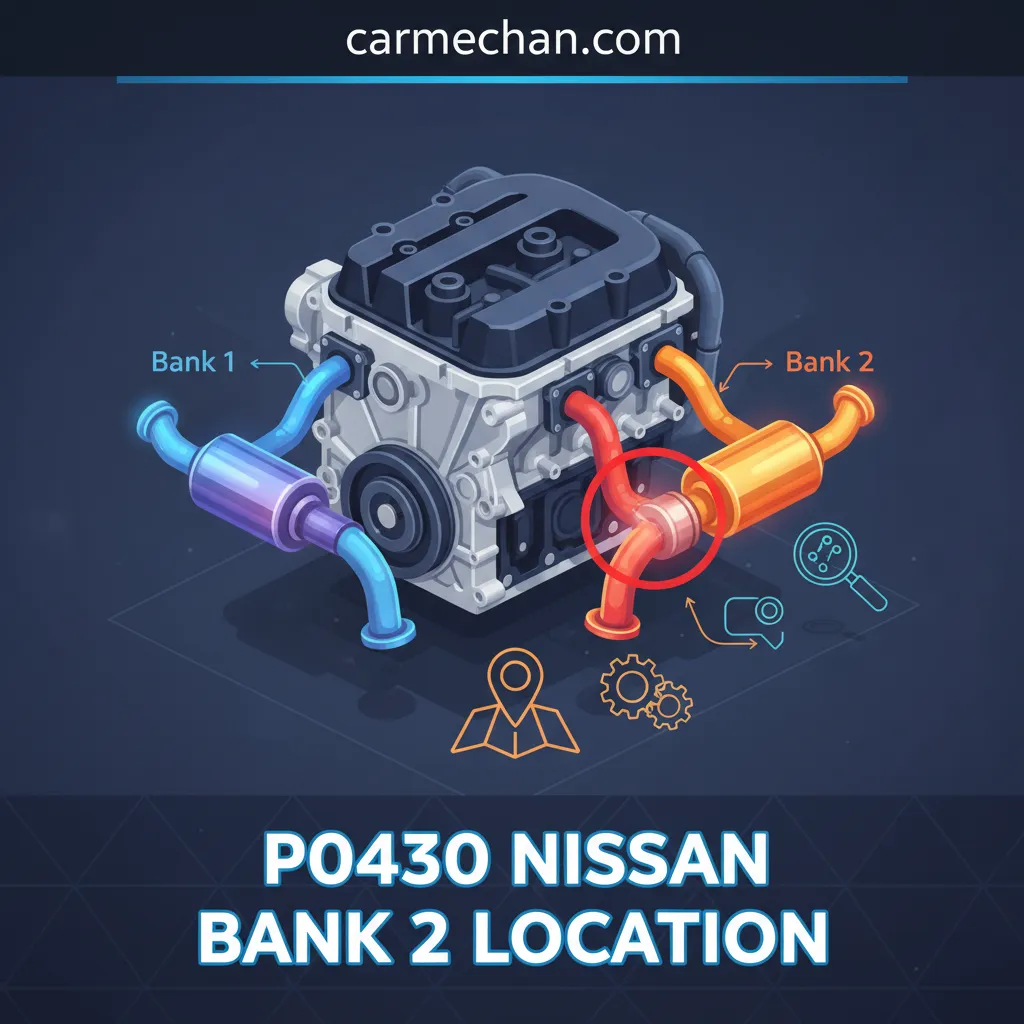
Crucially, the designation ‘Bank 2’ refers to a specific cylinder bank on V-configuration engines (such as V6 or V8 setups common in many Nissan models). By industry convention, Bank 1 is always the cylinder bank that contains cylinder #1. Consequently, Bank 2 is the opposing cylinder bank. In most Nissan V6 and V8 applications with transversely or longitudinally mounted engines, Bank 2 is the passenger side of the engine. This distinction is vital for accurate diagnosis and repair, as misidentifying the bank can lead to unnecessary component replacement and continued issues.
The impact of a P0430 code extends beyond a simple “Check Engine” light illumination. It can lead to a noticeable decrease in fuel efficiency, an increase in harmful exhaust emissions (failing to meet EPA standards), and, in some cases, a slight reduction in engine performance. From my experience, common symptoms include a lit ‘Check Engine’ light (MIL), often with no other immediate drivability issues, though some owners may notice a subtle exhaust odor or a marginal drop in MPG over time. It is imperative to address this code promptly, as it will prevent your vehicle from passing mandatory emissions testing in many jurisdictions.
Don’t dismiss a P0430 merely as a minor nuisance. While your Nissan might seem to run fine, prolonged operation with a failing catalyst not only harms the environment but can also mask underlying engine issues that contribute to catalyst degradation. The ECM’s monitoring parameters are stringent, designed to detect efficiency losses before they cause more significant problems.
Pinpointing Bank 2 O2 Sensor Location on Specific Nissan Models



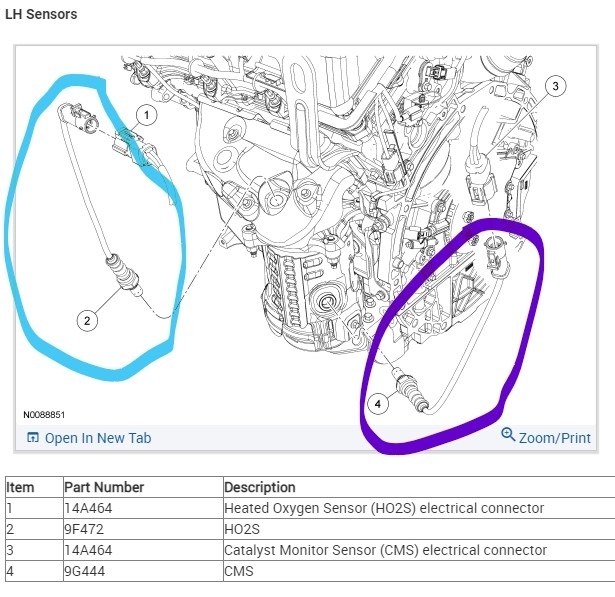
Accurately identifying the physical location of Bank 2 and its associated oxygen sensors is the first critical step in diagnosing a P0430 code. Without precise knowledge, technicians might mistakenly replace components on the wrong bank, leading to wasted time and resources. The fundamental methodology for locating Bank 2 on Nissan V-engines involves identifying cylinder #1 on Bank 1, then recognizing that Bank 2 is the opposing bank.
For most Nissan V6 and V8 models, such as the Nissan Altima (V6), Maxima, Murano, Pathfinder, Titan, and Frontier, Bank 1 (containing cylinder #1) is typically on the driver’s side of the vehicle when facing the engine from the front. Consequently, Bank 2 is almost always on the passenger side. This applies whether the engine is transversely mounted (e.g., Altima, Maxima, Murano) or longitudinally mounted (e.g., Titan, Frontier, Pathfinder with V8). The exhaust manifold from the passenger-side cylinder bank will lead directly to the Bank 2 catalytic converter assembly, where the O2 sensors are threaded.
Distinguishing Upstream and Downstream O2 Sensors for Bank 2
- Upstream O2 Sensor (Sensor 1): This sensor is positioned before the catalytic converter on the Bank 2 exhaust pipe. Its primary role is to measure the oxygen content in the exhaust gas entering the converter, providing crucial data for the ECM to adjust the air-fuel mixture. You’ll typically find it closer to the engine manifold.
- Downstream O2 Sensor (Sensor 2): Located after the catalytic converter on the Bank 2 exhaust pipe, this sensor monitors the oxygen content of the exhaust gas leaving the converter. Its signal is compared to the upstream sensor to determine the catalyst’s efficiency.
For instance, on a Nissan Murano V6, if you were to look under the vehicle or from above (depending on accessibility), you would trace the exhaust piping coming from the engine’s passenger side. The first O2 sensor you encounter along that path before the main catalytic converter body is the Bank 2 Sensor 1 (upstream). Further down the exhaust stream, usually on or immediately after the catalytic converter housing, you’ll find the Bank 2 Sensor 2 (downstream). Accessibility can vary significantly; some models may require removing splash shields or working from underneath the vehicle, especially for the downstream sensor which can be nestled tightly against the chassis.
Visual Identification and Access Tips
- Wiring Color Codes: While not universally standardized across all manufacturers or models, some Nissan O2 sensors may have distinct wiring harness colors or connector shapes that help differentiate them. Always consult the Nissan factory service manual for precise details relevant to your specific year and model.
- Physical Appearance: Both upstream and downstream sensors generally look similar—a metal probe threaded into the exhaust pipe with an electrical connector. However, their position relative to the catalytic converter is the definitive identifier.
- Access Points: Often, upstream sensors are accessible from above the engine bay (after removing air intake components), while downstream sensors frequently require lifting the vehicle and accessing them from below. Always ensure the vehicle is safely supported on jack stands or a lift if working underneath.
From my years in the field, I’ve observed that O2 sensors typically utilize a 17mm or 22mm hex fitting for removal, sometimes requiring a specialized oxygen sensor wrench due to their tight installation and the surrounding exhaust components. Proper torque specifications (often around 30-45 ft-lbs) are essential during installation to prevent exhaust leaks or sensor damage. Factory O2 sensors, if maintained properly, often last 60,000 to 100,000 miles, but their lifespan can be shortened by issues like oil contamination, fuel additives, or engine misfires.
Before attempting any sensor replacement, consult your Nissan’s specific service manual or a reliable online resource. Engine layouts can vary, and precise component identification is paramount. A clear understanding of your model’s configuration will save significant diagnostic time and prevent costly mistakes.

Advanced Diagnostic Strategies for P0430 and Bank 2 Catalyst Issues


While a P0430 code strongly suggests a problem with the Bank 2 catalytic converter, simply replacing the converter or its associated O2 sensors without thorough diagnostics is a common and often costly mistake. My 15+ years of experience have taught me that accurate diagnosis of catalyst inefficiency requires a multi-faceted approach, delving deeper into the engine’s overall health and the exhaust system’s integrity.
📋
Step-by-Step Diagnostic Guide
The first step involves connecting a professional-grade OBD-II scanner to monitor real-time data from Bank 2. Focus on the upstream (Sensor 1) and downstream (Sensor 2) oxygen sensor waveforms, Short Term Fuel Trim (STFT) and Long Term Fuel Trim (LTFT) for Bank 2, and exhaust gas temperatures if available. A healthy pre-catalyst O2 sensor should show rapid, high-voltage fluctuations (typically 0.1V to 0.9V), while a healthy post-catalyst sensor should show a relatively flat, stable voltage (around 0.45V) indicating the catalyst is effectively storing oxygen. If the downstream sensor waveform mirrors the upstream sensor’s fluctuations, it’s a strong indicator of a failing catalytic converter on Bank 2. Any significant discrepancies in fuel trims could point to engine issues affecting catalyst health.
Exhaust leaks are notorious for skewing O2 sensor readings, falsely indicating catalyst inefficiency. Thoroughly inspect the entire exhaust system on Bank 2, paying close attention to the manifold gaskets, flex pipes, and connections both upstream of the catalytic converter and between the upstream and downstream O2 sensors. Even a pinhole leak can draw in ambient air, artificially leaning out the exhaust gas and misleading the sensors. A smoke machine or listening with a mechanic’s stethoscope can effectively pinpoint small, hard-to-find leaks. Ensure all connections are tight and gaskets are intact.
A failing catalytic converter is often a symptom, not the root cause. Conditions like repeated engine misfires, a rich fuel mixture (too much fuel), or a lean mixture (too much air) can dump unburnt fuel or excessive oxygen into the converter, leading to overheating and premature failure. Therefore, it’s crucial to verify proper ignition system function (spark plugs, ignition coils, wiring), fuel injector performance, and air-fuel mixture control (checking for vacuum leaks, faulty MAP/MAF sensors, or a malfunctioning EVAP system). Any active or pending DTCs related to these systems should be addressed first, as they could be the underlying reason for catalyst degradation.
Once other potential issues are ruled out, direct testing of the catalytic converter itself is necessary. This can involve backpressure testing by temporarily installing a pressure gauge into the upstream O2 sensor port; excessive backpressure (above 2.5-3.0 PSI at 2500 RPM) indicates a restricted converter. An infrared temperature gun can also be used to measure the inlet and outlet temperatures of the catalyst; a healthy converter should show a significantly higher outlet temperature (around 100-200°F hotter) due to the exothermic chemical reactions. If the temperatures are similar or the outlet is cooler, the catalyst is likely “cold” or ineffective. Some advanced shops also utilize 5-gas exhaust analyzers for a definitive chemical verification of catalyst performance.
Never replace a catalytic converter solely based on a P0430 code without performing these diagnostic steps. A new converter will quickly fail again if the underlying cause (e.g., misfires, rich fuel condition, exhaust leaks) is not rectified. This represents a significant financial waste and continued emissions issues.
Locating Qualified Nissan Specialists and Diagnostic Services Nearby
When faced with a complex diagnostic code like P0430, finding a competent and trustworthy automotive service provider is paramount. Your Nissan deserves an expert who understands its intricate systems, especially when it comes to emission control. The difference between a general repair shop and a specialized facility can mean the distinction between an accurate, lasting repair and a costly, temporary fix.
The importance of ASE-certified technicians cannot be overstated, particularly those holding the L1 (Advanced Engine Performance Specialist) certification. This designation signifies expertise in the diagnosis and repair of driveability and emission-related issues, which is precisely what a P0430 code demands. Such technicians are continuously trained on the latest vehicle technologies and diagnostic methods.
Beyond certifications, look for shops that are equipped with Nissan-specific diagnostic tools. The Nissan CONSULT III+ system, for example, is the factory-level diagnostic software that allows for deep system analysis, precise calibration, and even reprogramming of the ECM—capabilities that aftermarket scanners often lack. Access to such tools is a strong indicator of a shop’s commitment to servicing Nissan vehicles comprehensively.
Criteria for Selecting a Reputable Local Repair Facility
When you’re searching for a trusted local service provider nearby, consider these vital criteria:
Positive Customer Reviews & Testimonials
Check online platforms like Google Reviews, Yelp, or dedicated automotive forums for feedback on service quality, reliability, and customer satisfaction within your community. Look for patterns of excellent service, especially concerning complex diagnostics.
Transparent Pricing & Itemized Estimates
A reputable shop will provide clear, detailed estimates outlining all parts, labor, and diagnostic fees. Be wary of vague quotes. Insist on an itemized breakdown to understand the scope of work.
Warranties on Parts and Labor
A commitment to quality is often reflected in generous warranties. Look for a minimum of a 12-month/12,000-mile warranty, though many reputable shops offer 24-month/24,000-mile guarantees on their work, providing peace of mind for your investment.
Clear Communication & Customer Service
The shop should clearly explain the diagnosis, recommended repairs, and answer any questions you have without excessive jargon. Good communication builds trust, which is invaluable for any ongoing vehicle care.
To locate these qualified technicians, leverage online search platforms by using specific queries like ‘Nissan P0430 diagnosis near me,’ ‘Bank 2 catalytic converter repair [your city],’ or ‘certified Nissan mechanic [your zip code]’. Many platforms allow you to filter results by distance, ensuring you find services that are conveniently accessible. Don’t hesitate to check local Nissan dealerships, as they are guaranteed to have factory-trained technicians and the necessary equipment, though independent specialists can often provide comparable expertise at a competitive price, serving the local population effectively.
Word-of-mouth recommendations from friends, family, or community forums can also be incredibly valuable for finding a trusted local establishment. From my experience, specialized shops often have significantly higher first-time diagnosis success rates for complex issues compared to general repair shops, highlighting the value of expertise when your Nissan’s health is on the line. Ensure the chosen service center is available for appointments that suit your schedule.
Preventative Maintenance and Safeguarding Your Nissan’s Emission System Health
As a long-standing automotive expert, I emphasize that preventative maintenance is the ultimate defense against emission system failures, including the dreaded P0430 code. While catalytic converters are designed to be durable, typically lasting 100,000 to 150,000 miles, their lifespan can be drastically shortened by neglect or unaddressed engine problems. Proactive care is key to prolonging the life of this expensive component and ensuring your Nissan remains efficient and compliant.
Key Preventative Measures
- Adhere to Manufacturer-Recommended Maintenance Schedules: This is non-negotiable. Regular oil changes prevent oil burning and contamination of the catalytic converter. Spark plug replacement at specified intervals ensures efficient combustion, preventing misfires. Air filter inspection and replacement maintain optimal air-fuel ratios, and fuel system cleaning keeps injectors clear, preventing rich or lean conditions that can overload the catalyst.
- Promptly Address Other Engine Codes and Symptoms: Any ‘Check Engine’ light should be investigated immediately, regardless of whether it’s P0430. Misfires (codes like P0301-P0306), rich/lean conditions (P0171, P0172, P0174, P0175), or exhaust leaks are direct threats to catalytic converter health. For example, a prolonged misfire on Bank 2 will dump raw, unburnt fuel into the Bank 2 catalytic converter, causing it to overheat and melt its internal substrate, leading to irreversible damage.
- Use Quality Fuel and Appropriate Additives: Opt for Top Tier gasoline, which contains detergents to keep fuel injectors and intake valves clean, promoting efficient combustion. While fuel additives should be used judiciously, quality fuel injector cleaners can help maintain engine efficiency and reduce stress on the catalyst by ensuring proper fuel atomization. Be mindful of excessive ethanol content if your vehicle isn’t designed for it, as it can affect fuel system components over time.
- Regular Visual Inspections of the Exhaust System: Periodically check your exhaust system for signs of rust, cracks, loose connections, or physical damage. Even minor leaks can introduce ambient air, affecting O2 sensor readings and overall emissions efficiency. Catching these issues early can prevent them from escalating into catalyst-damaging problems.
Consider your driving habits. Frequent short trips where the engine doesn’t reach optimal operating temperature can prevent the catalytic converter from reaching its efficient operating range, leading to carbon buildup and reduced effectiveness over time. Occasional longer drives help “burn off” deposits and maintain catalyst health.
Ultimately, a P0430 code is a warning sign from your Nissan’s sophisticated diagnostic system. By understanding its implications, accurately locating Bank 2 components, employing advanced diagnostic strategies, and committing to diligent preventative maintenance, you can ensure the longevity and peak performance of your vehicle’s critical emission system. Always partner with a knowledgeable, trusted local expert for diagnosis and repair to guarantee the best outcome.
Conclusion
The P0430 code signifies Bank 2 catalytic converter inefficiency, typically located on the passenger side exhaust system of Nissan V-configuration engines. Accurate diagnosis requires advanced OBD-II data analysis, comprehensive exhaust integrity checks, and a thorough evaluation of the engine’s overall operating conditions, moving far beyond mere O2 sensor replacement. Locating Bank 2 O2 sensors involves a clear understanding of your Nissan’s specific engine layout and exhaust routing. Critically, partnering with ASE-certified local Nissan specialists equipped with appropriate diagnostic tools is paramount for effective and lasting resolution. Do not let a P0430 code compromise your Nissan’s performance or compliance. Utilize the insights provided to identify the precise Bank 2 location and promptly consult a qualified, local Nissan service center for a thorough diagnosis and expert repair, safeguarding your vehicle’s emission system health for years to come.
Frequently Asked Questions
What does the P0430 code specifically mean for Bank 2 on my Nissan?
The P0430 code indicates that the catalytic converter system on Bank 2 of your Nissan’s engine is operating below its expected efficiency threshold. Bank 2 typically refers to the cylinder bank that does not contain cylinder #1, often the passenger side on V-configuration Nissan engines. This inefficiency means the catalyst isn’t effectively reducing exhaust pollutants.
How do I physically locate Bank 2’s O2 sensors on my Nissan engine?
To locate Bank 2, first identify Bank 1 (the cylinder bank containing cylinder #1, usually driver’s side front on V6/V8 Nissans). Bank 2 is the opposite bank. The O2 sensors will be situated in the exhaust system for Bank 2: an upstream sensor before the catalytic converter and a downstream sensor after it, typically on the passenger side exhaust manifold and pipe.
Can I drive my Nissan with a P0430 code, and what are the risks?
While your Nissan may still be driveable with a P0430 code, it’s not advisable for extended periods. Risks include increased harmful emissions, potential for reduced fuel economy, and eventual failure to pass emissions tests. Prolonged driving without addressing the underlying issue could also lead to further damage to other engine or exhaust components over time.
What are common causes of a P0430 code besides a bad catalytic converter?
Beyond a failing catalytic converter itself, common causes for P0430 include exhaust leaks (upstream or downstream of the O2 sensors), faulty oxygen sensors (though P0430 is for catalyst efficiency, not sensor failure), engine misfires, oil consumption, fuel system issues (e.g., running too rich/lean), or even incorrect sensor wiring/installation. A thorough diagnosis is crucial.
How can I find a trustworthy local mechanic for P0430 diagnosis and repair?
Seek out local automotive service centers with ASE-certified technicians, particularly those with advanced engine performance certifications (L1). Prioritize shops that specialize in Nissan vehicles and possess Nissan-specific diagnostic tools like CONSULT III+. Check online reviews, ask for local community recommendations, and always request transparent, itemized estimates before authorizing any work.