Car Dies While Driving But Still Has Power Fix Car 2026
Last Updated on September 1, 2026 by Albert Duke
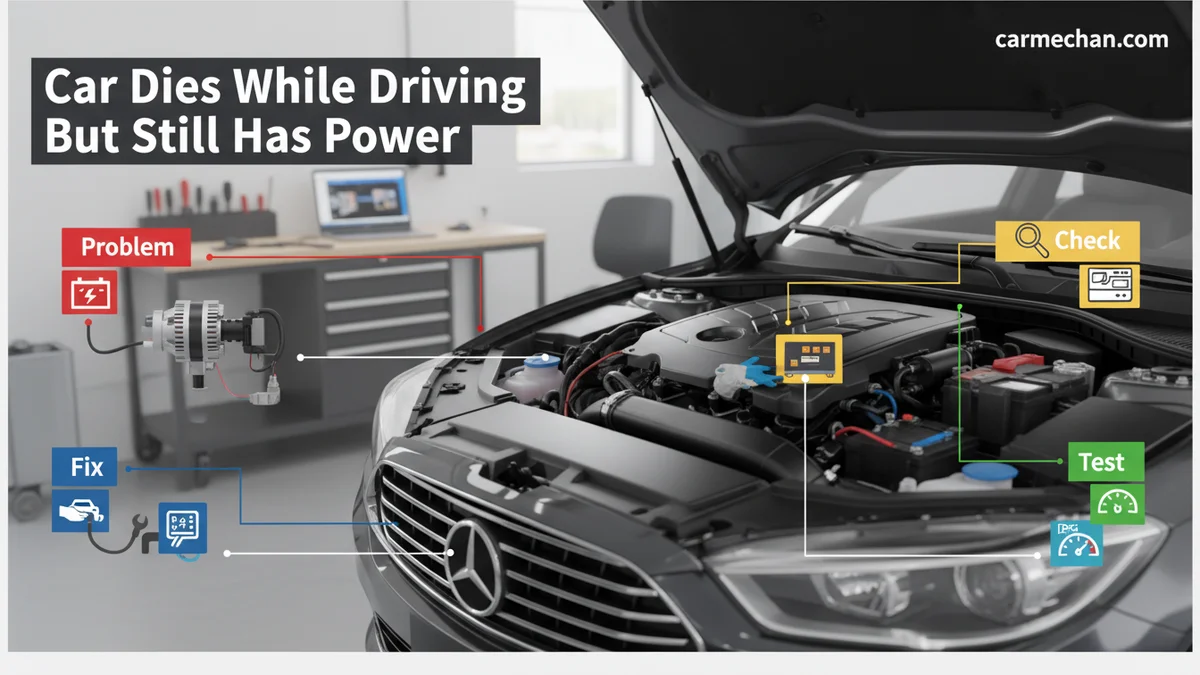
If your car dies while driving but still has electrical power, it indicates an engine-related issue rather than a complete electrical system failure, often pointing to fuel delivery, ignition, or critical sensor malfunctions.
Diagnosing this problem involves systematic checks of components like the fuel pump, crankshaft sensor, and ignition coils to identify the precise cause and restore your vehicle’s reliability.
If your car dies while driving but still has electrical power, it clearly signals an engine-related issue, not a complete electrical system failure. This particular problem often points to malfunctions within your car’s fuel delivery, ignition, or critical sensor systems. Unlike a dead battery, your radio, lights, and dashboard remain operational, indicating the core electrical supply is intact.
This article will guide you through diagnosing the precise cause and implementing effective solutions to restore your vehicle’s reliability in 2026.
We will cover common culprits, immediate safety actions, systematic troubleshooting steps, and help you decide between DIY repairs and professional assistance. Understanding these distinctions is crucial for a targeted and efficient fix.
- Electrical power means engine issue, not battery.
- Fuel, ignition, or sensors are primary suspects.
- Safety first: steer, signal, pull over calmly.
- DIY diagnostics can identify many culprits.
- Professional help often needed for complex repairs.
Key Takeaways

![Don’t Die in The Woods – Freakin’ Huge Emergency Blankets [Green] |…](https://m.media-amazon.com/images/I/51dkGOMbqSL._SS500_.jpg)

- Electrical power means engine issue, not battery.
- Fuel, ignition, or sensors are primary suspects.
- Safety first: steer, signal, pull over calmly.
- DIY diagnostics can identify many culprits.
- Professional help often needed for complex repairs.
7 Common Reasons Your Car Dies but Still Has Power


Understanding the specific mechanical or electrical failures that lead to your car dying but retaining power is essential for accurate diagnosis. These issues disrupt the engine’s ability to run while leaving other electrical components unaffected.
Faulty Fuel Pump System
A failing fuel pump cannot consistently deliver the required fuel pressure to the engine, causing it to starve and stall. Your electrical accessories, like the radio and lights, continue to function because the pump’s failure is mechanical or electrical within its own circuit, not a general power outage. Issues can range from a weak pump to a clogged fuel sock. A significant portion of vehicle breakdowns are attributed to fuel system issues, with often being a factor.
Failing Crankshaft Sensor
The crankshaft position sensor tells the Engine Control Unit (ECU) the exact position and rotational speed of the crankshaft. Without this vital information, the ECU cannot accurately time fuel injection and ignition, causing the engine to abruptly shut off. Since this is an informational sensor failure, the car’s general electrical system remains active. The average lifespan of a crankshaft position sensor can vary, but many begin to show signs of wear after miles.
Ignition Coil Malfunction
Modern engines use individual ignition coils or a coil pack to generate the high voltage needed for spark plugs. If one or more coils fail, a cylinder may misfire, or in severe cases, the engine might lose enough power to stall. The vehicle’s main electrical system remains operational, as the issue is localized to the ignition process.
Clogged Fuel Filter
A severely clogged fuel filter restricts the flow of fuel to the engine, much like a weak fuel pump. Over time, sediment and debris accumulate, reducing fuel pressure and causing the engine to stutter, lose power, and eventually stall, especially under load. This restriction does not affect the car’s electrical power to accessories.
Mass Airflow Sensor
The Mass Airflow (MAF) sensor measures the amount of air entering the engine, allowing the ECU to precisely calculate the right amount of fuel to inject. A faulty MAF sensor can send incorrect readings, leading to an overly rich or lean fuel mixture, which can cause stalling. This sensor fault specifically impacts engine operation, leaving other electrical functions intact.
Engine Control Unit Glitch
The Engine Control Unit (ECU) is the “brain” of your car’s engine, managing everything from fuel delivery to ignition timing. While rare, an internal fault or glitch in the ECU can cause the engine to abruptly shut down, even if all other electrical components are working. This can sometimes be an intermittent issue, making diagnosis challenging.
Loose Electrical Connections
Intermittent stalling can also stem from loose or corroded electrical connections, particularly those related to the fuel pump, ignition system, or critical sensors. A jolt or vibration can temporarily break a connection, causing the engine to die, only for power to be restored to accessories because the main battery connections are secure.
Understanding these potential culprits is the first step; next, we will address what immediate actions you should take to ensure safety.
How to React Safely When Your Car Stalls on the Road
When your car unexpectedly dies while driving, your immediate priority must be safety for yourself and other road users. Remaining calm and acting decisively can prevent further incidents.
Maintain Steering Control
If the engine cuts out, you will lose power steering and power brakes, making them harder to operate. Grip the steering wheel firmly and be prepared for increased effort to maintain your direction of travel.
Signal Emergency
As soon as you realize the car has stalled, activate your hazard lights. This immediately warns other drivers of your predicament, especially important if you are in traffic or on a highway.
Navigate to Safety
Try to coast your vehicle to the side of the road or an emergency lane. Use the remaining momentum and manual steering effort to guide the car away from moving traffic. Refer to official road safety guidelines for breakdowns for detailed advice .
Attempt Restart Gently
Once safely stopped, you can attempt to restart the car. Shift into Park (P) or Neutral (N), apply the brake, and try turning the ignition. If it restarts, proceed cautiously to the nearest safe location. If not, do not continue cranking the engine excessively.
Assess Environment Safely
Before exiting the vehicle, check your surroundings for oncoming traffic. If you need to exit, do so on the side away from traffic, if possible, and stand clear of the road.
Contact Roadside Assistance
If your car doesn’t restart, or if you feel unsafe, contact a roadside assistance service. Services nationwide aim for quick response times, with national roadside assistance typically arriving within . Provide them with your exact location and a brief description of the issue.
With safety secured, the next crucial step involves systematically troubleshooting the problem to pinpoint the specific cause.
What Are the Key Steps to Diagnose Car Stalling?

Diagnosing why your car dies while driving but still has power requires a systematic approach. This process can help you narrow down the potential issues and guide your repair efforts.
Check Dashboard Lights
After the car stalls, observe any warning lights that illuminate on your dashboard. The “Check Engine” light, battery light, or oil pressure light can provide initial clues about the system experiencing issues. Note any patterns or codes displayed.
Listen for Fuel Pump
Turn the ignition key to the “ON” position (without starting the engine). You should hear a faint, brief whirring sound from the rear of the vehicle as the fuel pump primes the system. Absence of this sound suggests a problem with the fuel pump itself, its relay, or its electrical circuit.
Inspect Fuses Visually
Locate your car’s fuse boxes (usually under the hood and/or inside the cabin). Check the fuses related to the fuel pump, ECU, and ignition system for any blown fuses. A blown fuse often indicates an electrical overload in that circuit.
Scan OBD2 Codes
If your “Check Engine” light was on or flickered, use an OBD2 scanner to retrieve diagnostic trouble codes (DTCs). These codes can point directly to a faulty component, such as a crankshaft position sensor (e.g., P0335) or a MAF sensor. Common OBD-II codes related to engine stalling include .
Test Relevant Relays
Relays are small electrical switches that control higher-power components like the fuel pump. You can often swap a suspected faulty relay with an identical, non-critical relay (like the horn relay) to see if the component begins to work. This helps isolate whether the relay is the problem.
Verify Spark Ignition
A lack of spark means the engine won’t run. This check usually requires a spark tester. With the help of a second person, or by carefully observing, connect the spark tester to a spark plug wire (or coil-on-plug) and crank the engine to see if a spark is present.
Monitor Fuel Pressure
If you suspect a fuel delivery issue, testing the fuel pressure at the fuel rail is a definitive diagnostic step. This requires a specialized fuel pressure gauge. Compare the reading to your car’s specific fuel pressure specifications for common car types . A low reading confirms a fuel delivery problem.
After identifying potential issues through these diagnostic steps, we can now consider the specific repair solutions available.
DIY Fixes vs Professional Repairs for Engine Stalls
Deciding whether to tackle a repair yourself or seek professional help depends on your mechanical skill level, available tools, and the complexity of the problem. Some issues are straightforward, while others require specialized equipment and expertise.
Simple DIY Solutions
Many issues causing your car to die but retain power are surprisingly simple for a DIY enthusiast. Replacing a blown fuse for the fuel pump or ECU is a quick fix. Cleaning a dirty Mass Airflow (MAF) sensor with specialized cleaner can also restore proper engine function. These tasks typically require basic hand tools and minimal automotive knowledge.
Moderate DIY Tasks
Replacing a faulty fuel pump relay or a crankshaft position sensor falls into a moderate difficulty category. These often involve locating the component, safely disconnecting electrical connectors, and installing the new part. While more involved, instructional videos and repair manuals can guide you through these processes. Replacing a crankshaft sensor might cost around if done DIY, primarily for the part itself.
Professional-Only Fixes
Certain repairs should almost always be left to certified mechanics. These include replacing an entire fuel pump assembly, which can involve dropping the fuel tank, or diagnosing and replacing a faulty Engine Control Unit (ECU). These tasks require specialized tools, extensive knowledge of vehicle systems, and often programming. Complex electrical diagnostics are also best left to professionals.
Estimated Repair Costs
Repair costs vary significantly. Simple DIY fixes like a fuse replacement might cost under $10. A MAF sensor cleaning kit is typically $15-$25. Parts for a crankshaft sensor range from $50-$200, plus any tools. Professional repairs are significantly higher, factoring in parts and labor. The average cost for fuel pump replacement by a mechanic can range from , with labor rates following industry standards for mechanic labor rates .
Professional Consultation Timing
If you’re unsure about the diagnosis, if the problem is intermittent and difficult to replicate, or if the repair requires specialized tools or expertise, it’s always best to consult a professional mechanic. Their diagnostic equipment can quickly pinpoint issues that might take a DIYer hours or days to find, saving you time and potential misdiagnosis costs.
By understanding both the problems and their solutions, you can significantly reduce the chances of encountering this problem again, which we will explore next.
How to Prevent Future Car Stalling Incidents
Proactive maintenance is your best defense against your car dying unexpectedly on the road in 2026. Consistent care can prevent many of the issues that lead to engine stalls while electrical power remains.
Regular Maintenance Checks
Adhering to your vehicle’s scheduled maintenance is paramount. This includes routine oil changes, filter replacements (air, fuel, cabin), and spark plug checks. Regular maintenance greatly reduces the likelihood of breakdowns, with studies showing through consistent servicing.
Quality Fuel Usage
Using high-quality fuel helps keep your fuel system clean and prevents the buildup of deposits that can clog fuel filters and injectors. Avoid running your fuel tank too low, as this can allow sediment at the bottom of the tank to be drawn into the fuel lines.
Timely Sensor Replacements
Pay attention to the recommended service intervals for critical sensors like the crankshaft position sensor, camshaft position sensor, and oxygen sensors. While some last a long time, proactive replacement at manufacturer-recommended service intervals for key components can prevent sudden failures.
Battery Health Monitoring
Even though electrical power remains during a stall, a weak battery can stress the alternator and other electrical components, sometimes contributing to intermittent issues. Regularly check your battery terminals for corrosion and ensure your battery is holding a charge effectively.
Warning Sign Response
Never ignore early warning signs such as rough idling, hesitation during acceleration, unusual engine noises, or a flickering “Check Engine” light. Addressing these symptoms promptly can prevent them from escalating into a full engine stall.
Empower Yourself Against Stalling Incidents in 2026
Experiencing your car dying while driving but still having power can be an alarming and frustrating event. By understanding the common causes, like fuel pump failures, sensor malfunctions, and ignition system issues, you equip yourself with vital diagnostic knowledge. We have outlined crucial immediate safety actions and provided a step-by-step troubleshooting guide to help you pinpoint the problem effectively. Whether you opt for a DIY fix or seek professional assistance, this article empowers you to make informed decisions for your vehicle’s reliability. Proactive maintenance and prompt attention to warning signs are your best tools to prevent future occurrences of your car dying while driving but still has power, ensuring a safer and more confident driving experience in 2026.
Why Does My Car Die While Driving but the Radio and Lights Still Work?
This indicates an engine-specific problem, not a total electrical failure. Your engine has lost its ability to combust fuel and air, likely due to issues with the fuel delivery, ignition, or a critical sensor. The car’s main electrical system, which powers accessories, remains functional.
Can a Bad Fuel Pump Cause My Car to Stall but Still Have Power?
Yes, a failing fuel pump is a very common culprit. If the fuel pump cannot supply sufficient fuel pressure to the engine, it will starve and stall. However, the rest of the car’s electrical systems, like the lights and radio, will continue to operate normally.
What Should I Do Immediately If My Car Stalls on the Highway?
Activate your hazard lights, maintain a firm grip on the steering wheel, and use any remaining momentum to safely coast to the side of the road. Once safely stopped, assess your surroundings before attempting a restart or calling for roadside assistance.
How Can I Check If My Crankshaft Position Sensor Is Faulty?
A faulty crankshaft position sensor often triggers the “Check Engine” light and sets a specific OBD2 diagnostic trouble code. Using an OBD2 scanner is the most direct way to confirm a sensor fault. You might also experience intermittent stalling, especially when the engine is warm.
Is It Safe to Drive My Car After It Has Stalled and Restarted?
If your car stalls and restarts, proceed with extreme caution. The underlying problem is still present and could cause another stall. Drive directly to a mechanic or your home if very close. Do not ignore the issue, as it could worsen and lead to dangerous situations.