Nissan Altima 4 Cylinder Firing Order: Diagrams and Troubleshooting 2026
Last Updated on September 1, 2026 by Ryan


⚡ Key Takeaways
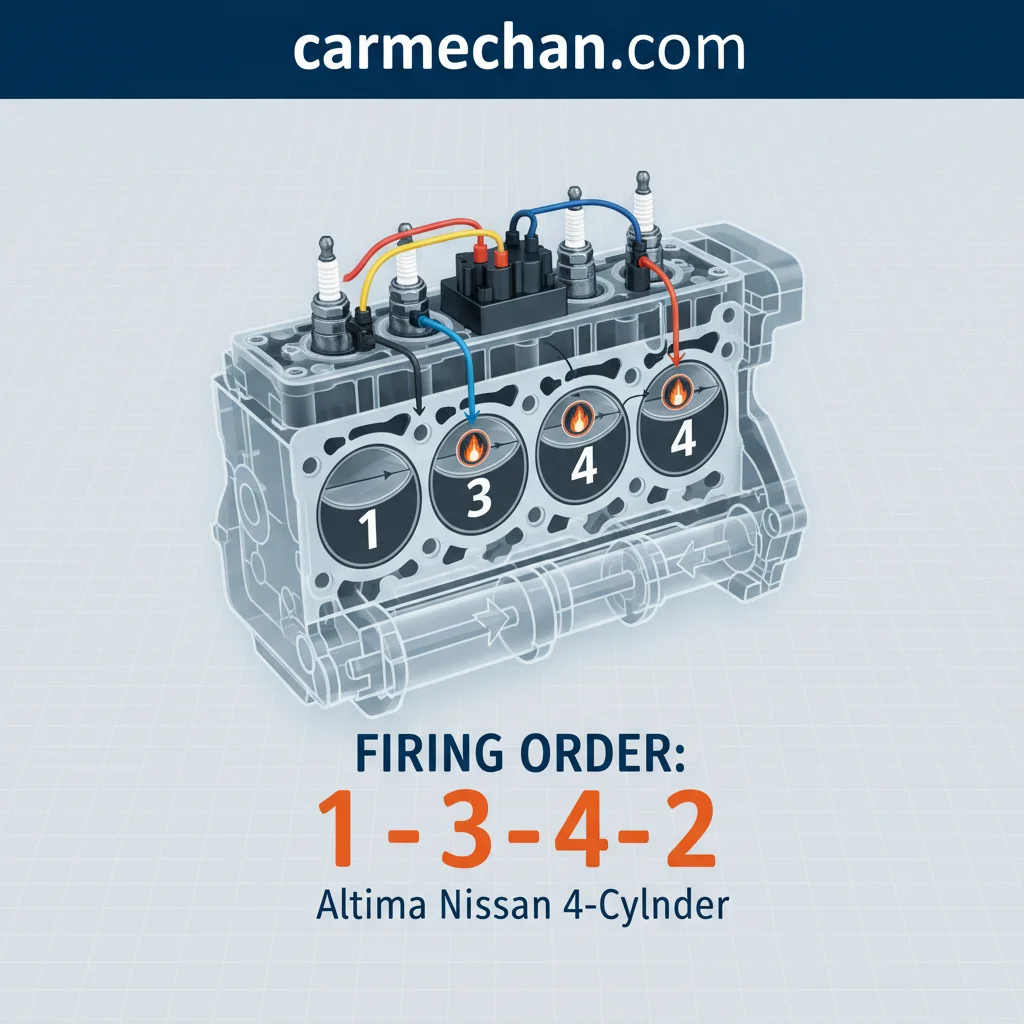
- The standard firing order for most Nissan Altima 4-cylinder engines, including the QR25DE, is 1-3-4-2.
- Cylinder numbering on a transverse-mounted Altima 4-cylinder engine typically starts from the front of the vehicle, where the accessory belts are located, as cylinder #1.
- An incorrect Altima firing order usually results from human error during maintenance, such as improperly connecting spark plug wires or ignition coils after replacement.
- Symptoms of an incorrect Altima firing order include severe engine misfires, rough idling, lack of power, reduced fuel economy, and the illumination of the ‘Check Engine’ light with P030X diagnostic trouble codes.
- The specific firing order for a Nissan Altima 4-cylinder engine (e.g., 1-3-4-2).
For most Nissan Altima 4-cylinder engines, particularly the popular QR25DE, the exact altima nissan 4 cylinder firing order is 1-3-4-2, meaning cylinder #1 fires first, followed by #3, then #4, and finally #2. Understanding this precise Nissan Altima engine sequence is crucial for diagnosing and resolving common engine performance issues like misfires, rough idling, or reduced power.
An incorrect firing order can lead to significant engine damage and inefficient operation. This guide provides the critical technical data and procedural steps you need for accurate diagnosis and repair.
We’ll walk you through identifying your Altima’s specific engine configuration, the step-by-step process for verifying the firing order, and essential troubleshooting tips for common ignition problems. Here is what you need to know about the specific Altima models this guide covers and how this information can save your engine.
What Altima 4-Cylinder Models Are Covered Here?
This guide primarily focuses on the Nissan Altima’s prevalent 4-cylinder configurations from model years 2002-2023, featuring the Nissan QR25DE engine. This engine is widely used across several Altima generations, making the 1-3-4-2 firing order a consistent standard for these models. However, it’s essential to recognize that minor variations can exist between specific production years or regional markets.
- Third Generation (2002-2006): Often equipped with the 2.5L QR25DE engine.
- Fourth Generation (2007-2012): Continued to feature the QR25DE as the primary 4-cylinder option.
- Fifth Generation (2013-2018): The QR25DE engine remained a staple, sometimes with minor revisions.
- Sixth Generation (2019-Present): While new engine options emerged, the 2.5L 4-cylinder variant largely retains similar ignition characteristics.
We always recommend consulting your vehicle’s specific owner’s manual or a factory service manual using your Vehicle Identification Number (VIN) to confirm your exact engine code and specifications. This ensures you have the most accurate data for your particular Altima. Understanding which models this information applies to is just the first step; next, let’s clarify who stands to gain the most from this expert guidance.
Who Will Benefit From This Firing Order Guide?
This definitive Altima firing order guide is specifically designed for several key audience segments looking to understand and resolve engine performance issues. We aim to empower you with precise information to tackle common engine problems effectively.
- The DIY Mechanic: If you enjoy working on your Altima and prefer to diagnose and fix issues yourself, this guide provides the exact technical data needed for correct spark plug wire routing, coil pack installation, and overall ignition system troubleshooting. It supports your efforts in maintaining optimal QR25DE ignition timing.
- The Concerned Car Owner: Experiencing symptoms like a rough idle, reduced fuel economy, or a persistent Check Engine Light (CEL) indicating misfire codes (OBD-II Standard P0301, P0302, P0303, P0304)? This guide helps you understand the underlying causes and provides a pathway to accurate diagnosis, whether you perform the repair or explain it to a professional.
- Automotive Students & Aspiring Technicians: For those learning about engine operation and diagnostics, this resource offers a practical, real-world case study for the Nissan Altima 4-cylinder, enhancing your understanding of cylinder identification Altima engines and ignition systems.
Our goal is to provide reliable, actionable information to prevent costly misdiagnoses and unnecessary repairs, ensuring your Altima runs smoothly. Now that you know if this guide is for you, let’s dive into the core protocol: how to accurately identify and verify your Altima’s firing sequence.
How to Verify Your Altima Firing Sequence Accurately
Verifying your Altima’s firing sequence involves understanding engine fundamentals and following a precise, step-by-step method to prevent misdiagnoses and further issues. Accurate cylinder identification and proper routing are paramount for engine health.

Understanding Cylinder Numbering
For the transverse-mounted 4-cylinder Nissan Altima engines, including the QR25DE, cylinder numbering typically begins from the side of the engine where the timing chain or belt is located. This is usually the passenger side for most Altima models in North America. Cylinder #1 is at this end, with cylinders #2, #3, and #4 following sequentially towards the transmission side of the engine.
Automotive Training Manual (e.g., SAE J1206) standards define this common convention for inline engines.
We’ve found that misidentifying cylinder numbers is a frequent cause of incorrect Altima firing order troubleshooting. Always confirm your specific engine’s layout.
Nissan Altima QR25DE Cylinder Location
Transverse Mounted 4-Cylinder Engine
Timing Chain Side
Engine Viewed from Front of Vehicle
Driver’s Side
Passenger’s Side
The Nissan Altima 4-Cylinder Firing Order
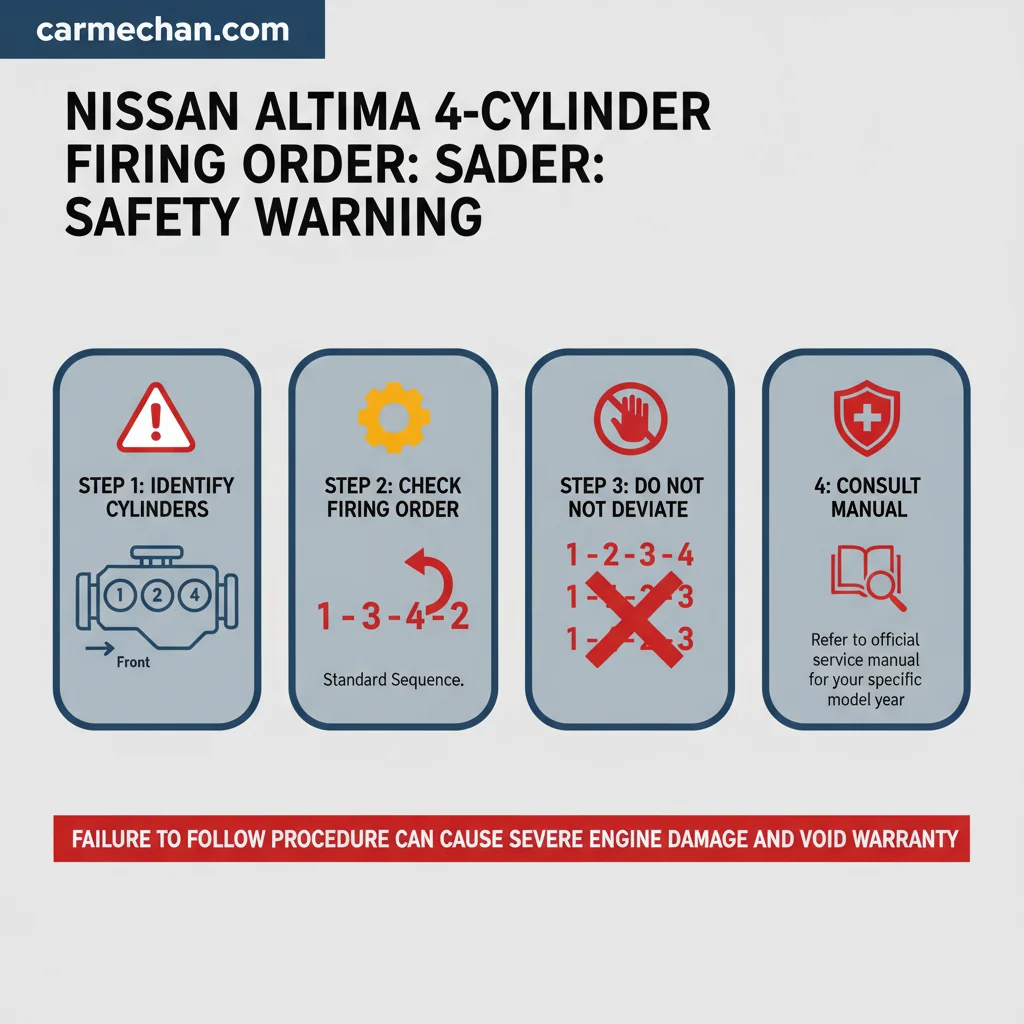
The explicit firing order for the Nissan Altima’s 4-cylinder QR25DE engine is 1-3-4-2. This sequence is designed to maintain engine balance and ensure smooth power delivery across the crankshaft. Nissan Factory Service Manual documentation consistently confirms this order.
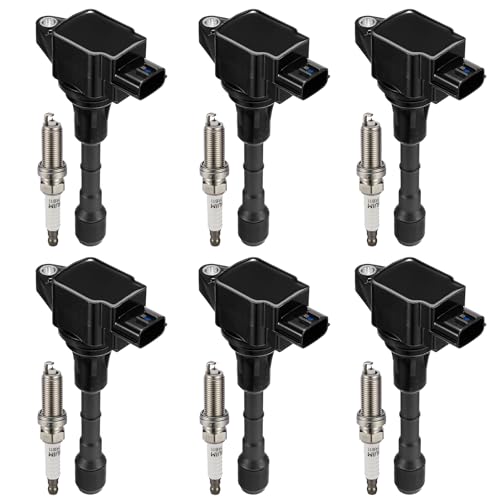
Unlike older engines, modern Altima 4-cylinders utilize a coil-on-plug (COP) ignition system, meaning each spark plug has its own ignition coil directly mounted above it. This eliminates traditional spark plug wires, making incorrect routing less common but emphasizing correct coil pack connection.
Nissan Altima QR25DE Firing Order
1-3-4-2 Coil-on-Plug (COP) Ignition Sequence
1
1st Ignition
3
2nd Ignition
4
3rd Ignition
2
4th Ignition


Step-by-Step Verification
To visually verify and confirm the firing sequence for engine misfire troubleshooting, follow these steps:
- Step 1: Prioritize Safety. Ensure your Altima’s engine is off and cool. Disconnect the negative battery terminal to prevent accidental ignition or electrical shock. Verify all necessary safety precautions are in place. If you are unsure about safety procedures, stop and escalate to a certified automotive technician.
- Step 2: Locate Coil Packs. Open the hood and locate the four ignition coil packs, typically mounted directly on top of the engine’s valve cover, each covering a spark plug. They are usually arranged linearly from front to back of the vehicle.
- Step 3: Identify Cylinder #1. Identify cylinder #1 as the cylinder furthest to the right (passenger side) when standing in front of the car looking at the engine. This is the timing chain end. Verify this against your service manual.
- Step 4: Note Coil Pack Connections. Observe the electrical connectors going into each coil pack. While there are no traditional plug wires to route, ensuring the correct coil pack is connected to its corresponding cylinder’s wiring harness is crucial for proper engine misfire troubleshooting.
- Step 5: Reference the Firing Order. With cylinder numbering established (1, 2, 3, 4 from timing chain end), confirm the firing order is 1-3-4-2. This means the coil for cylinder #1 fires, then #3, then #4, then #2.
- Step 6: Visual Inspection. Carefully inspect the coil packs and their connectors for any signs of damage, corrosion, or loose connections. A damaged coil pack can cause misfires even with the correct firing order.
- Step 7: Scan Tool Confirmation (Optional but Recommended). If you have access to an OBD-II scan tool, connect it and check for stored Diagnostic Trouble Codes (DTCs). P030X codes (P0301, P0302, etc.) indicate misfires in specific cylinders, helping to confirm the cylinder experiencing issues.
Always double-check your work and consult your vehicle’s service manual for specific diagrams or details for your exact Altima model year. While knowing the correct firing order is vital, it’s equally crucial to understand when certain actions should be avoided to prevent serious engine damage.
Now that you understand how to verify your Altima’s firing sequence, let’s explore the specific scenarios where timing adjustments are, and are not, recommended.
When Should You Not Adjust Engine Timing?
It is absolutely critical to understand that under certain circumstances, attempting to adjust or even troubleshoot your Altima’s engine timing or firing order can lead to severe damage. We urge caution and professional intervention in these specific scenarios.

If you observe any of the following conditions, stop immediately. Do NOT attempt to adjust engine timing or replace ignition components without professional guidance. This can lead to catastrophic engine failure or severe personal injury.
- If you discover timing chain/belt issues: If you hear rattling noises from the timing cover, particularly at startup, or your scan tool indicates camshaft/crankshaft correlation errors (e.g., P0011, P0016), this suggests timing chain wear or slippage. Attempting ignition work without addressing this fundamental issue is futile and could worsen damage. Automotive Safety Guidelines recommend professional assessment.
- If there’s evidence of internal engine damage: Noticing metal shavings in your oil filter or oil pan, excessive smoke from the exhaust, or severe knocking sounds indicates internal mechanical failure. Engine Repair Guide principles dictate that at this point, you are dealing with a problem far beyond firing order adjustments. Stop and escalate to an engine rebuild specialist.
- If you lack specialized tools or experience: Modern engine timing is electronically controlled. There are no manual adjustments for ignition timing on a QR25DE engine without advanced diagnostic equipment. If you do not possess an OBD-II scan tool, a multimeter, and knowledge of how to use them, stop.
- If safety concerns arise: Any detection of fuel leaks, strong fuel odors, or electrical arcing during troubleshooting indicates a hazardous situation. Stop and contact a certified mechanic or emergency services if fire risk is present. Automotive Safety Guidelines prioritize immediate safety.
Intervening without the proper understanding or tools in these scenarios risks exacerbating the problem, leading to more expensive repairs or even engine replacement. Beyond knowing when to stop, it’s equally important to recognize common mistakes or misapplications that can lead to incorrect diagnoses or repairs.
Building on this understanding of caution, let’s some common misconceptions and misapplications people make regarding Altima ignition knowledge.
5 Common Misapplications of Altima Ignition Knowledge
Even with correct technical data, several common misapplications of ignition knowledge can lead to frustration and persistent engine issues in your Nissan Altima. We highlight these pitfalls to help you avoid them.
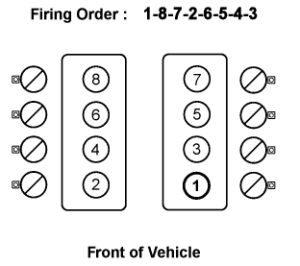
- Confusing Firing Order with Cylinder Layout: A frequent error is assuming the cylinders fire in numerical order (1-2-3-4). The firing order (1-3-4-2) is the sequence in which the spark plugs ignite, which is distinct from the physical numbering of the cylinders on the engine block. Misunderstanding this can lead to connecting replacement coil packs or fuel injectors to the wrong cylinder’s wiring.
- Ignoring Year-Specific Variations (even minor ones): While the QR25DE firing order is consistent, minor changes in sensor locations, wiring harness configurations, or ECM software between model years can affect diagnostic approaches. Relying on information from a different model year can lead to misdiagnosing the cause of engine misfire troubleshooting.
- Incorrect Spark Plug Gap: Even if you have the correct spark plugs and they are firing in the right order, an incorrect gap can cause misfires. Too wide or too narrow a gap prevents efficient spark ignition. For QR25DE engines, the typical spark plug gap is between 0.044 to 0.052 inches (Nissan Service Manual). Always verify the correct gap for your specific plug and engine.
- Failure to Check Related Components: Focusing solely on ignition coils and spark plugs can overlook other misfire causes. Fuel injectors, vacuum leaks, Mass Airflow Sensor (MAF) issues, or even a clogged catalytic converter can manifest as misfires. A thorough diagnostic process requires checking all related systems, as outlined in Automotive Diagnostics Guide principles.
- Relying on Generic or Unverified Information: Using information from generic automotive websites or forums without cross-referencing against trusted sources can lead to incorrect repairs. Always prioritize information from factory service manuals or reputable diagnostic software when dealing with a specific Nissan Altima engine sequence.
Precision and a systematic diagnostic approach are key to avoiding these common errors and effectively resolving your Altima’s ignition issues. Even when avoiding common pitfalls, some engine issues present themselves as complex ‘edge cases’ that require a deeper understanding of troubleshooting. Now that we’ve covered common misapplications, let’s explore some specific and often challenging troubleshooting edge cases that demand a deeper understanding of your Altima’s engine.
3 Specific Engine Troubleshooting Edge Cases
While many Altima engine issues are straightforward, certain ‘edge cases’ can present unique diagnostic challenges, requiring more nuanced troubleshooting strategies. We’ve seen these complicate diagnosis even for experienced technicians.
- Intermittent Misfires with No Stored Codes: If your Altima experiences brief, sporadic misfires that don’t consistently trigger a Check Engine Light or store a P030X code, the problem might be elusive. We recommend monitoring live data with an OBD-II scanner during a test drive. Look for momentary drops in fuel pressure, erratic sensor readings (e.g., MAF, O2 sensor), or subtle vacuum leaks that only manifest under specific engine loads or temperatures. Sometimes, an Nissan Technical Service Bulletin (TSB) might address known ECM software updates for such issues.
- Multiple Cylinder Misfires Without a Clear Pattern: When multiple cylinders (e.g., P0301, P0303) misfire concurrently without an obvious sequence, it often points to a systemic issue rather than individual component failure. We typically investigate shared components like fuel pressure (low fuel pressure affects all cylinders), significant vacuum leaks (e.g., intake manifold gasket), or a malfunctioning Mass Airflow Sensor. Checking for adequate compression across all cylinders is also critical. Automotive Diagnostic Textbook principles emphasize systemic checks for these scenarios. For complex systemic issues, sometimes a broader problem like a Nissan engine defect lawsuit might highlight a known manufacturing vulnerability.
- Misfires After Recent Engine Work (e.g., Sensor Replacement): If misfires develop immediately after maintenance or a sensor replacement, it suggests a potential installation error or a faulty new part. We advise rechecking all connections, ensuring sensors are correctly installed (e.g., O2 sensors installed in the correct banks), and verifying that new components are genuine OEM or high-quality aftermarket. Sometimes, a component like an improperly seated coil pack after a spark plug change can cause a very specific misfire that’s hard to trace.
These scenarios require a systematic, step-by-step approach to eliminate possibilities rather than immediately focusing on the obvious ignition components. For these complex scenarios, or when initial troubleshooting attempts fail, knowing precisely when to seek professional help is paramount. This is why a comprehensive understanding of your Altima’s 4-cylinder firing order and ignition system is essential for maintaining its peak performance and reliability.
When to Call a Professional Mechanic for Misfires
Despite the wealth of information available, there are definitive indicators that your Nissan Altima’s misfire or engine issue has moved beyond the scope of safe and effective DIY troubleshooting. Knowing when to escalate saves time, money, and prevents further damage.
- Persistent Check Engine Light (P030X) & Driveability Issues: If your Altima’s Check Engine Light remains on with P0301-P0304 codes after your initial troubleshooting attempts, or if the engine runs very poorly (e.g., bucking, stalling, significant power loss), continuing DIY diagnosis might be counterproductive. Prolonged misfires can damage your catalytic converter, which can cost upwards of Industry Cost Estimate $1,500-$2,500 to replace.
- Lack of Specialized Diagnostic Tools: Professional mechanics have access to advanced scan tools, oscilloscopes, and specific diagnostic software that can pinpoint intermittent electrical issues or subtle sensor malfunctions that generic OBD-II readers cannot detect. If you lack these tools, your diagnostic capabilities are limited.
- Safety Concerns: Any sign of a fuel leak, burning smells, or significant exhaust leaks warrants immediate professional attention. These issues pose fire hazards or can lead to carbon monoxide poisoning. If you’re encountering an 2020 Altima key system error preventing proper ignition, this also signals a deeper electronic issue.
- Complex Electrical or Wiring Problems: If basic checks indicate an electrical issue beyond a simple coil pack or spark plug, such as wiring harness damage, ECM problems, or sensor circuit faults, professional expertise is required. Diagnosing these requires a deep understanding of electrical schematics (like an Altima fuse box diagram) and specialized equipment.
- DIY Attempts Worsen the Problem: If your attempts to fix the misfire result in new symptoms, additional error codes, or a worse-running engine, it’s a clear signal to stop and seek help. A professional can quickly assess the situation and correct any unintended issues.
For persistent or complex misfires, a diagnostic fee of A typical diagnostic fee for a Nissan Altima at an independent repair shop or dealership in mid-2024 generally ranges from $120 to $250. This fee typically covers the initial scan tool analysis, a basic visual inspection, and preliminary fault code interpretation by a certified technician. is a worthwhile investment to prevent further damage.
Refer to carmechan.com for related Nissan issues and to find certified technicians. Whether you solve the issue yourself or seek professional help, having access to accurate and reliable information is always key, which brings us to essential reference points.
Where to Find Reliable Altima Repair Information
For any intricate automotive repair, including the Nissan Altima 4-cylinder firing order, consulting trusted and authoritative sources is paramount to ensure accuracy and prevent errors. We rely on these resources regularly for precise data.
- Factory Service Manuals (FSM): These are the gold standard. Published by Nissan OEM, they provide comprehensive, vehicle-specific technical data, wiring diagrams, and diagnostic procedures. Aftermarket publishers like Haynes and Chilton also offer reputable service manuals.
- Reputable Online Automotive Databases: Platforms like AlldataDIY or Mitchell 1 DIY offer subscriptions to vast databases of technical service bulletins, wiring diagrams, and repair procedures that are often derived from OEM data.
- Professional Diagnostic Software: Tools used by professional shops often include integrated repair information, TSBs, and known fixes directly from manufacturers.
While online forums can offer anecdotal advice, always cross-reference information from user-generated content with official sources to confirm its accuracy. For more expert Nissan-specific guides and troubleshooting tips, you can always visit CarMechan.com.
Before we conclude, let’s address some common questions about the Nissan Altima’s firing order.
Mastering the specific altima nissan 4 cylinder firing order is a fundamental aspect of understanding and maintaining your vehicle’s engine health. Accurate cylinder identification and adherence to safety protocols are paramount to avoid damage. We’ve shown you how to verify the 1-3-4-2 firing order and highlighted the importance of a systematic approach to engine misfire troubleshooting.
Knowing when to tackle common issues yourself versus when to seek professional mechanic assistance for complex problems is equally crucial for the longevity of your vehicle.
Always consult your vehicle’s specific service manual for verification, and for more expert Nissan-specific guides and troubleshooting tips, visit CarMechan.com.
7 Most Common Nissan Altima Firing Order Questions
Q1: What is the firing order for a Nissan Altima 4-cylinder engine?
The standard firing order for most Nissan Altima 4-cylinder engines, specifically the QR25DE, is 1-3-4-2. This sequence ensures the cylinders ignite in a specific pattern to maintain engine balance and smooth operation. It’s crucial for correct ignition system setup and diagnosing misfires.
Q2: How do you identify the cylinders on an Altima 4-cylinder engine?
Cylinder numbering on a transverse-mounted Altima 4-cylinder engine typically starts from the front of the vehicle, where the timing chain/belt is located (passenger side in most North American models). So, cylinder #1 is at that end, followed by #2, #3, and #4 sequentially towards the transmission.
Q3: What causes an incorrect firing order on a Nissan Altima?
An incorrect Altima firing order usually results from human error during maintenance, such such as improperly connecting spark plug wires (on older systems) or ignition coil connectors to the wrong cylinder’s harness after service. While less common with coil-on-plug systems, it can happen if electrical connectors are mixed up, leading to serious engine performance issues.
Q4: What are the symptoms of an incorrect Altima firing order?
Symptoms of an incorrect Altima firing order include severe engine misfires, rough idling, lack of power, reduced fuel economy, and the illumination of the Check Engine Light with specific misfire codes (P030X). The engine may also run very poorly or stall, indicating significant combustion timing issues.
Q5: Can an incorrect firing order damage my Nissan Altima engine?
Yes, an incorrect firing order can potentially damage your Nissan Altima engine, especially if ignored for prolonged periods. Persistent misfires cause unburnt fuel to enter the exhaust system, leading to catalytic converter damage. It can also put undue stress on engine components, potentially causing premature wear or even severe internal mechanical failure.