2010 honda civic cruise control switch Diagnosed & Fixed
Is your 2010 Honda Civic failing to hold speed on the highway? A dead cruise control switch is often the culprit, but it is not the only possibility. Many vehicle owners jump straight to replacing the switch, only to find the issue persists due to underlying faults in the brake sensors or the steering wheel clock spring. In this professional guide, we provide a structured, step-by-step approach to diagnosing and replacing your 2010 Honda Civic cruise control switch safely, ensuring you restore your vehicle’s convenience features with confidence.

Diagnosing 2010 Honda Civic Cruise Control Switch Failures
Recommended Best Deal Products


Systematic diagnosis is the hallmark of professional automotive repair. Before dismantling the steering column, you must isolate whether the fault lies in the user interface—the switch—or the broader control loop.

📤 Share Image

Common 2010 Honda Civic Cruise Control Switch Symptoms
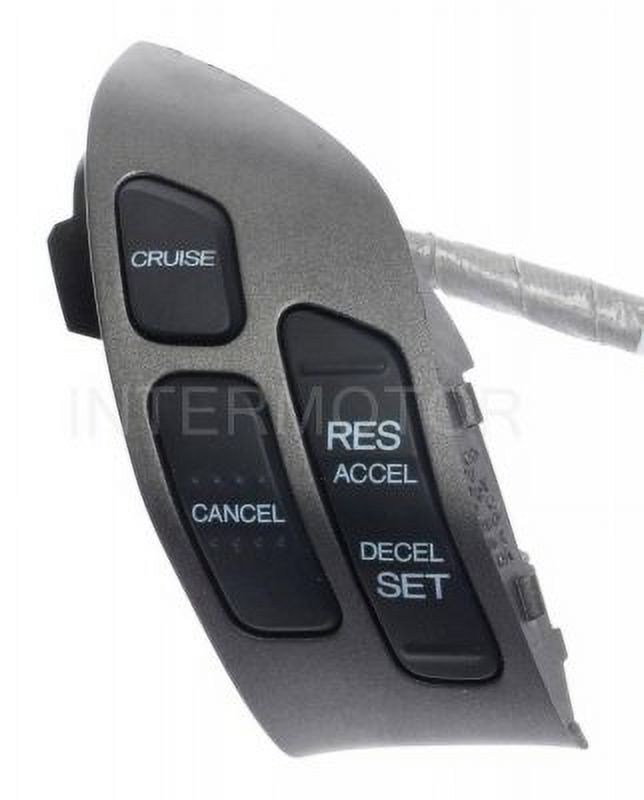
Switch failure typically manifests in one of three ways: total non-responsiveness (no “CRUISE MAIN” light on the dashboard), intermittent engagement where the system drops out unexpectedly, or physical “stickiness” where the buttons fail to register a mechanical click. If the “CRUISE MAIN” light fails to illuminate entirely, the issue is often electrical—either a blown fuse or a failed switch circuit. Conversely, if the system engages but refuses to “SET,” the fault likely rests with a signal sensor, such as the brake pedal switch, rather than the steering wheel button.
Why the Brake Pedal Position Sensor Disrupts Cruise Control
The cruise control system is a safety-critical feature that disengages instantly upon brake pedal input. Research indicates that the brake light switch is a primary cause of cruise control deactivation. If the switch is misaligned or failing, it sends a constant “brake applied” signal to the PCM (Powertrain Control Module), which permanently inhibits cruise functionality. Before replacing hardware, verify that your brake lights are functioning correctly; if they are stuck “on” or never light up, the brake switch—not the cruise switch—requires your attention.
Electrical System Checks Before Replacing Hardware
Remember that cruise control will not engage if the vehicle speed is below a certain threshold, typically 25–30 mph. Ensure your diagnostic testing occurs above this speed. Additionally, inspect the vehicle’s main cruise control fuse. A simple continuity test across the cruise control module pins can save hours of unnecessary steering wheel disassembly.
By The Numbers
Minimum Speed Threshold
Required Airbag Safety Wait Time
Essential Safety Steps for Replacing Cruise Control Switches
Working on the steering wheel involves proximity to the supplemental restraint system (SRS). Professional standards demand rigorous adherence to safety protocols to prevent accidental airbag deployment.
Why Disconnecting the Battery is Non-Negotiable
- Disconnect the 12V battery negative terminal: Always perform this step at least 5 to 10 minutes before beginning work to allow the SRS capacitor to discharge.
- Treat the airbag module as a volatile device: Never use metal tools or probes near the airbag igniter.
- Use proper insulation: Keep the battery terminal covered to prevent accidental contact during the repair process.
Avoiding Clock Spring Damage During Trim Removal
- The Clock Spring is sensitive: This component transmits electrical signals to the airbag and steering wheel controls. Never rotate the steering wheel or the clock spring hub while the steering wheel is removed.
- Use trim removal tools: Plastic pry bars are mandatory. Using metal screwdrivers will inevitably mar the soft touch plastics and risks puncturing underlying wiring harnesses.
- Tool requirements: Ensure you have a torque wrench, a high-quality socket set, and a multimeter for post-installation continuity checks.
Step-by-Step 2010 Honda Civic Cruise Control Switch Removal
Recommended Best Deal Products

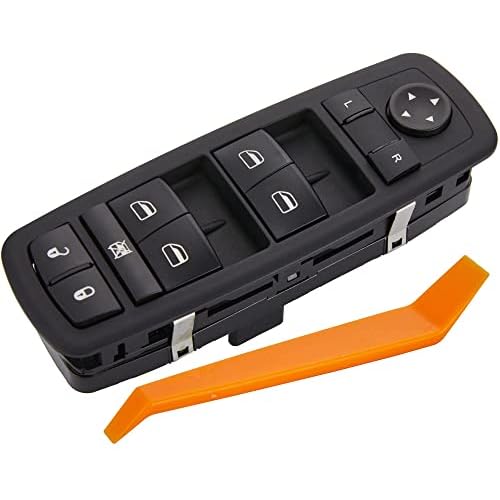
Follow these steps to safely replace your switch. Professional-grade results rely on patience and attention to the delicate plastic clips used throughout the 2010 Honda Civic cockpit.
📋
Step-by-Step Guide
After disconnecting the battery and waiting 10 minutes, loosen the side access panels on the steering wheel to expose the airbag mounting bolts. Remove these carefully to pull the airbag module forward, exposing the internal harness.
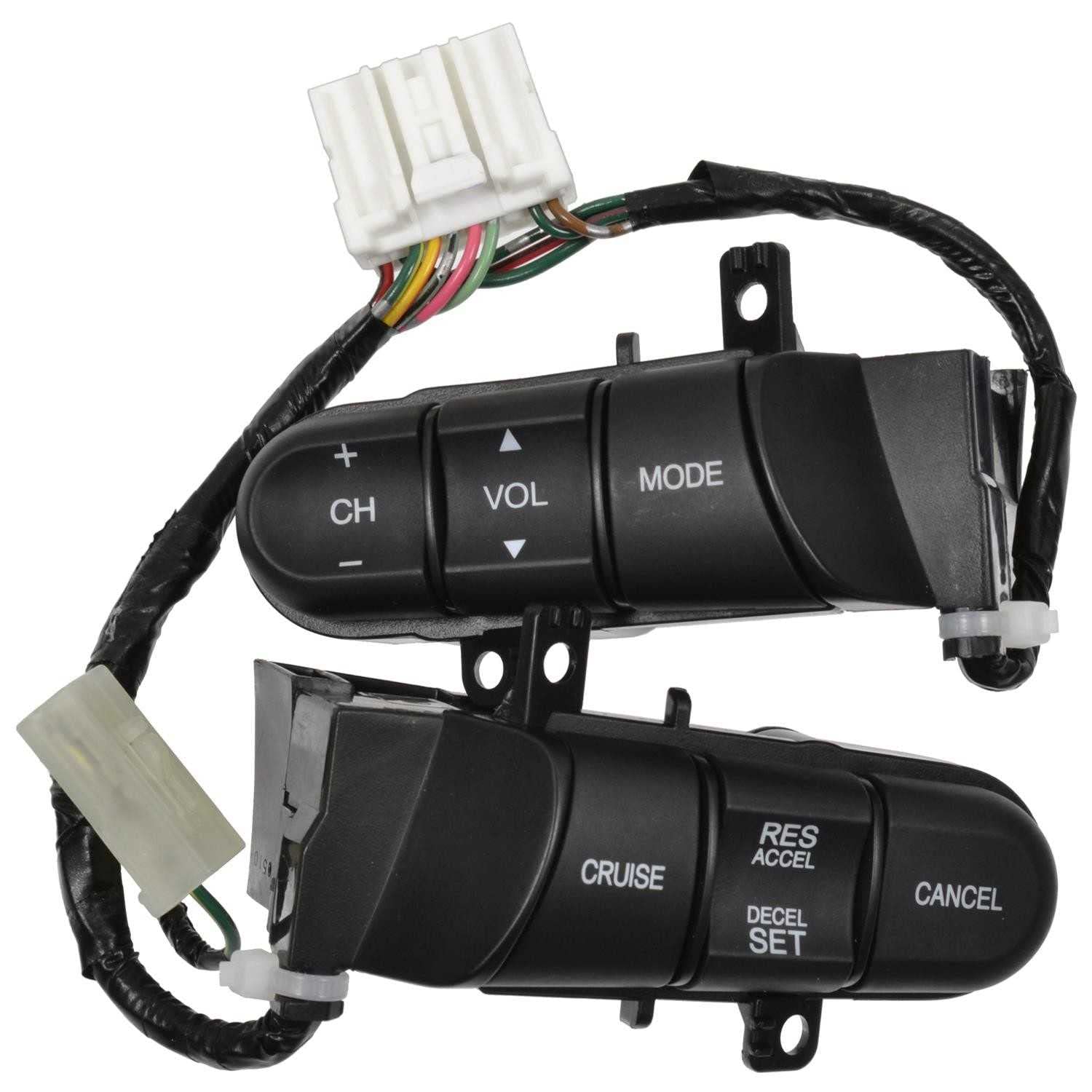
Locate the cruise control switch wiring harness connector. Before proceeding with removal, perform a continuity test using your multimeter to ensure the switch circuit is actually broken. A switch with erratic resistance readings should be replaced.

Audible — Listen Free for 30 Days
One free credit a month and thousands of titles included.
Listen Free for 30 DaysUnscrew the faulty module from the rear of the steering wheel trim. Ensure the new switch is seated perfectly before re-securing the screws. Avoid over-tightening, as the plastic mounts are prone to stripping.
Professional Tips for Reinstalling Switch Modules
Always perform a final “click test” before reassembling the steering wheel trim. Ensure that all wire routing is clear of the airbag deployment path. Any wire pinched during reassembly can cause a short, potentially leading to SRS warning light illumination.
Troubleshooting 2010 Honda Civic Cruise Control Switch Issues
Recommended Best Deal Products


If your replacement effort fails to resolve the problem, you are likely dealing with a deeper system integration fault. Understanding the interaction between the steering components and the engine management system is key.
Signs of a Faulty Clock Spring
The clock spring is the ribbon cable assembly that allows the steering wheel to rotate while maintaining electrical connection. A classic indicator of a failed clock spring is the combination of a non-functioning cruise control switch and a non-functional horn. If both systems fail simultaneously, the switch is almost certainly fine—you are facing an open circuit in the clock spring assembly.
When to Consult a Professional Mechanic
Should the problem persist after verifying the switch and the clock spring, the cruise control actuator or the internal cruise module may be at fault. These components require specialized diagnostic tools to check for specific error codes within the vehicle’s computer. If the cruise control light flashes on the dash, this is an OBDII fault code indicator that requires a scanner for accurate resolution.
Never attempt to repair or modify the airbag module or its internal igniter. If you suspect an issue with the airbag system beyond the cruise switch wiring, consult a certified technician immediately to avoid accidental injury or system disablement.
2010 Honda Civic Cruise Control Switch Questions Answered
While used parts are viable, buttons wear out over time. Always source a high-quality OEM or verified aftermarket replacement to ensure the internal contacts provide reliable, consistent feedback.
Yes. Keep the battery disconnected until the airbag module is fully re-secured. This prevents the system from logging a false fault code upon startup.
Restoring your cruise control system is a rewarding DIY project that significantly improves highway driving comfort. By following the diagnostic path—checking the brake switch and fuses before suspecting the cruise button—you ensure an efficient repair process. Remember that safety is the priority; maintain a respectful distance from the airbag components and always use the correct tools. If you find yourself facing complex electrical gremlins, do not hesitate to consult a professional technician to inspect the cruise actuator and control modules, ensuring your vehicle remains in peak, reliable condition.
Audible Premium Plus — Annual Membership
12 audiobook credits up front, plus the full Audible catalogue.
See Annual Plans