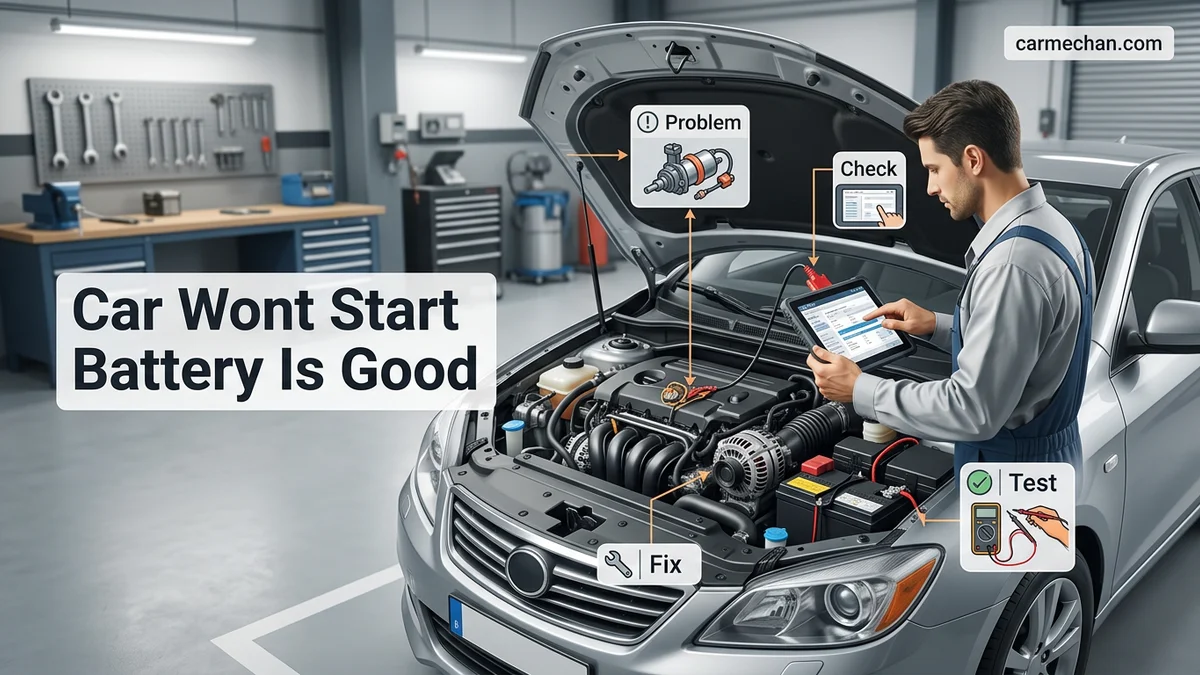
Car Won’T Start Battery Is Good Car Won’t Start 2026 2026
Last Updated on September 1, 2026 by Albert Duke
When your car won’t start, but the battery is good, the problem often lies with the starter motor, ignition system, fuel delivery, or security system. A methodical diagnostic approach is essential to pinpoint the exact cause and determine the best solution.
When your car won’t start battery is good, it can be a frustrating and confusing situation. The problem likely lies beyond the typical battery issues, pointing instead to crucial systems like your starter, ignition, or fuel delivery. Many drivers assume a dead battery is always the culprit, but a car with a healthy battery still needs several other components to function in harmony for a successful start. We will empower you with the knowledge to troubleshoot this common automotive headache. Properly confirming a good battery involves checking its voltage, ensuring clean terminals, and potentially performing a load test to ensure it holds a charge under stress. This article empowers you to diagnose and potentially resolve these issues, starting with a systematic approach to identifying symptoms.
When your car won’t start, but the battery is good, the problem often lies with the starter motor, ignition system, fuel delivery, or security system. A methodical diagnostic approach is essential to pinpoint the exact cause and determine the best solution.
- Battery issues aren’t always the cause.
- Listen for specific no-start sounds.
- Check fuses, relays, and key sensors.
- Simple DIY fixes can resolve issues.
- Know when to call a professional.
Key Takeaways


- Battery issues aren’t always the cause.
- Listen for specific no-start sounds.
- Check fuses, relays, and key sensors.
- Simple DIY fixes can resolve issues.
- Know when to call a professional.
How to Diagnose Your Car’s No-Start Issue in 4 Steps



Begin by emphasizing the importance of observation when your vehicle experiences a no-start condition despite a good battery. The sounds (or lack thereof) your car makes during a starting attempt provide crucial clues. Paying close attention to these initial symptoms will significantly narrow down your troubleshooting efforts.
If You Hear Nothing
When you turn the key or push the start button and hear absolutely no sound, not even a click, the issue often points to the ignition circuit or a complete electrical blockage. Check if your dashboard lights illuminate strongly. If they do, the main power source is likely fine. This symptom frequently suggests a problem with the ignition switch itself, the starter relay, or a critical fuse preventing power from reaching the starter motor.
If You Hear Clicking
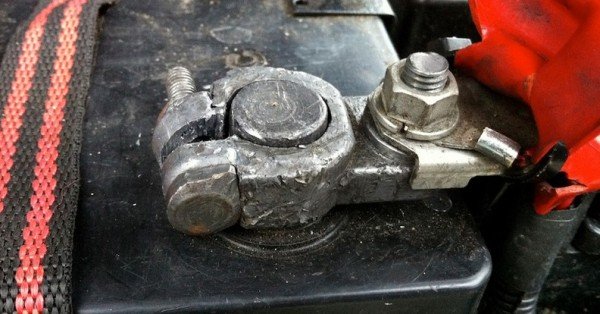
A single click or a rapid series of clicks usually means power is getting to the starter solenoid, but not enough to engage the starter motor fully or turn the engine over. This can still be a battery issue if the charge is too low under load, but with a confirmed good battery, look elsewhere. Common causes include a failing starter motor that requires more current than available, loose or corroded battery cable connections, or a bad starter solenoid.
If It Cranks Slowly
A slow crank indicates the engine is turning over, but not at the speed required for ignition. This might still suggest a marginal battery that struggles under load, but it could also point to a problem with the starter motor itself drawing too much current. Mechanical drag within the engine, such as issues with internal engine components, can also cause slow cranking, though this is less common.
If It Cranks but Not Starting
When your car cranks vigorously but fails to start, the engine is receiving power to turn over, but it is not igniting the fuel. This is a clear sign that the problem lies outside the starting mechanism. This “car cranks but won’t start” scenario points towards issues with the fuel system (no fuel, bad fuel pump, clogged filter), the ignition system (no spark, bad spark plugs, faulty coil packs), or critical engine sensors like the crankshaft position sensor which tell the engine when to fire. Understanding these initial symptoms helps narrow down the problem, often pointing to specific components that frequently fail in these situations.
7 Common Components That Cause No Starts


Start by identifying the non-battery components most likely to cause a car to not start. These are the usual suspects when your car won’t start but the battery is good, and understanding their role is key to diagnosis.
Failed Starter Motor
The starter motor is responsible for turning the engine’s crankshaft to initiate the combustion process. A failed starter will result in no sound, a single click, or a grinding noise when you try to start the car. It often gives little warning before failing completely. This component is critical for the initial rotation of the engine.
Faulty Ignition Switch
The ignition switch sends power to the starter motor and other essential systems when you turn the key. A faulty switch may prevent power from reaching the starter solenoid, resulting in a no-crank, no-start condition. You might also find accessories working fine, but the engine remains silent. This issue mimics a dead battery but stems from the switch itself.
Broken Fuel Pump
The fuel pump delivers gasoline from the tank to the engine. If it fails, the engine receives no fuel, leading to a “cranks but won’t start” situation. You might hear a distinct whirring sound from the rear of the car when you first turn the ignition on; the absence of this sound often indicates a fuel pump issue. Without proper fuel delivery, combustion cannot occur.
Bad Crank Sensor
The crankshaft position sensor tells the engine control unit (ECU) the position and rotational speed of the crankshaft. This information is vital for determining ignition timing and fuel injection. A bad crank sensor often causes an engine to crank but not start, as the ECU lacks the necessary data to fire the spark plugs or inject fuel at the correct time.
Defective Cam Sensor
Similar to the crank sensor, the camshaft position sensor monitors the position of the camshaft, which controls valve timing. The ECU uses both crank and cam sensor data to synchronize the engine’s operation. A defective cam sensor can also lead to a “cranks but won’t start” condition because the ECU cannot properly time the engine’s firing sequence.
Blown Main Relay
Modern cars rely on various relays to control electrical circuits. A main relay, such as the EFI (Electronic Fuel Injection) relay or the fuel pump relay, supplies power to critical engine components. If this relay blows, essential systems like the fuel pump or ignition coils might not receive power, causing a no-start. Relays can fail due to age or electrical spikes. For more on how electrical systems work, check our guide on understanding car electrical system.
Active Immobilizer
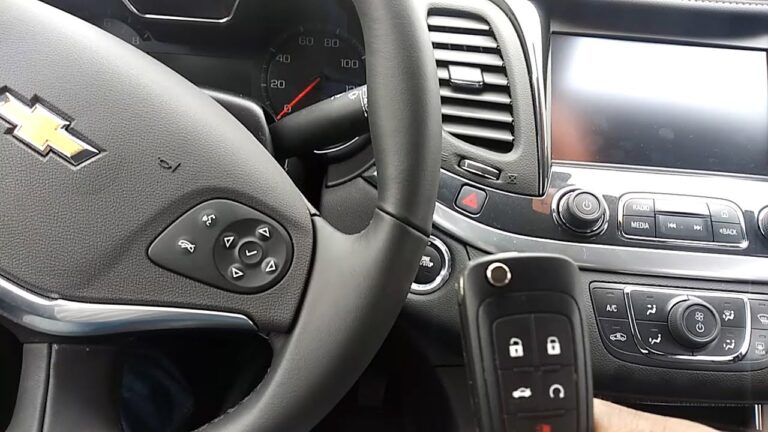
Most modern vehicles have an immobilizer system that prevents the engine from starting without the correct key or transponder signal. If this system malfunctions or doesn’t recognize your key, it will prevent the car from starting, even if everything else is in perfect working order. The engine might crank briefly or not at all, with a security light often flashing on the dashboard. While understanding these components is vital, many issues can be temporarily or permanently resolved with straightforward DIY checks and fixes.
How to Attempt Simple DIY Fixes Today

Introduce this section by encouraging readers that many no-start conditions, even with a good battery, can be resolved with basic tools or no tools at all. These immediate checks can save you time and money. Always prioritize safety, ensuring the car is in park/neutral and the parking brake is engaged.
Check Engine Fuses
Locate your car’s fuse boxes, typically found under the hood and/or inside the cabin. Consult your owner’s manual for their exact locations and a diagram of fuse assignments. Look for fuses related to the EFI, fuel pump, ignition, and starter. Visually inspect each relevant fuse for a broken wire inside. A blown fuse often means a circuit overload, indicating a deeper electrical problem.
Test Starter Relay
The starter relay sends power to the starter motor. You can often test it by swapping it with another identical relay from a non-critical system, like the horn or a fan, if your car has one. If the car starts after swapping, the original relay was faulty. This simple test can quickly pinpoint a common failure point.
Tap the Starter Motor
If you hear a single click or nothing at all when trying to start, and you suspect the starter, a gentle tap might help. Locate the starter motor (often on the engine block, near the transmission bell housing). Use a hammer or wrench to lightly tap its casing a few times. This can sometimes unstick a worn starter solenoid or brushes, allowing for one more start.
Wiggle Steering Wheel
Some vehicles have a steering wheel lock mechanism connected to the ignition. If the steering wheel is under pressure when trying to turn the key, it can prevent the ignition from engaging. Wiggle the steering wheel firmly left and right while turning the key. This often releases the lock and allows the car to start.
Listen for Fuel Pump
When you turn the ignition key to the “on” position (without cranking), listen carefully for a faint whirring or buzzing sound from the rear of the car, near the fuel tank. This is the fuel pump priming the system. If you don’t hear this sound, it suggests the fuel pump is not receiving power or has failed. This auditory check is a quick diagnostic tool. While these DIY steps can be incredibly effective, there are times when the problem extends beyond what can be safely or easily fixed at home.
When to Call a Mechanic for No Start
Not all “car won’t start battery is good” scenarios are DIY-friendly. Knowing when to seek professional help can save you from further damage or wasted effort. Sometimes, the problem requires specialized tools, deeper diagnostics, or simply extensive labor.
Recognize Complex Problems
If you’ve tried all the DIY fixes and the car still won’t start, or if you’re encountering dashboard warning lights (especially check engine light), it’s likely a more complex issue. Intermittent problems, weird electrical quirks, or unfamiliar sounds during troubleshooting also signal a need for professional expertise. Safety concerns, such as working with high-voltage components, are paramount reasons to call for assistance.
Estimate Repair Costs
Professional repairs for no-start conditions vary widely based on the component. A starter motor replacement typically ranges from $300 to $800 in 2026, depending on the vehicle and labor rates. Fuel pump replacement can be more expensive, often between $600 and $1,200 in 2026, due to the labor involved in accessing the fuel tank. Ignition switch replacement might cost $200-$500, while a crankshaft position sensor usually runs $150-$400. Always get an itemized quote before authorizing repairs. .
Plan for Towing
If your car is completely immobile and you cannot fix it, towing is necessary. Check your auto insurance policy or roadside assistance plans, as they often cover towing services. If not, research local towing companies and compare rates. Clearly explain your vehicle’s location and situation to the tow truck operator. Having a plan for towing ensures you can get your vehicle to a trusted mechanic efficiently. Equipped with this knowledge, you can approach your no-start situation confidently, knowing you have a clear path forward, whether DIY or professional.
Your Next Steps to Get Moving
When your car won’t start battery is good, it presents a unique diagnostic challenge. a systematic approach to symptoms is key for effective troubleshooting. Key components like the starter, fuel pump, ignition switch, and various sensors are frequent culprits in these situations. Many initial fixes, from checking fuses to tapping the starter, are achievable with basic tools or no tools at all. However, recognizing when a problem exceeds your DIY comfort level is crucial. Use the diagnostic flowchart in this guide to systematically identify your car’s issue, and decide confidently whether to tackle it yourself or call a trusted mechanic. Your car won’t start, but with this advice, you’ll be driving again soon!
Common Questions About No-Start Issues
Why Would My Car Not Start If the Battery Is Good?
If your car won’t start but the battery is good, common culprits include issues with the starter motor, ignition switch, fuel pump, or critical sensors like the crankshaft position sensor. The security system or a blown fuse/relay can also prevent starting. It’s rarely a single, simple issue, so a thorough diagnosis is important.
What Does It Mean If My Car Just Clicks but Won’t Start?
A clicking sound when trying to start usually indicates insufficient power reaching the starter motor, often due to a failing starter relay, corroded battery terminals (even if the battery is charged), or a dying starter motor. Less commonly, it could be a seized engine, which requires professional inspection.
What Should I Check If My Car Cranks but Won’t Turn Over?
If your car cranks but doesn’t start, the problem is likely with fuel delivery (fuel pump, fuel filter, injectors), ignition (spark plugs, coils), or air intake. Check for fuel pump noise, spark at the plugs, and proper air filter condition. A faulty crankshaft position sensor is also a common cause, disrupting the engine’s timing.
Can a Bad Ignition Switch Prevent a Car From Starting?
Yes, a failing ignition switch can absolutely prevent your car from starting, even if the battery is good. It might fail to send power to the starter solenoid or critical engine components. Symptoms can include no sound at all or accessories working but no crank, mimicking a dead battery.
How Do I Know If My Fuel Pump Is Failing?
Signs of a failing fuel pump include a whining noise from the fuel tank area, difficulty starting (especially in hot weather), sputtering at high speeds, or a complete no-start condition where the engine cranks but receives no fuel. You can often hear it prime when the ignition is first turned on.