What Does LT Mean On A Car Your Expert 2026 Guide
Last Updated on September 1, 2026 by Ryan
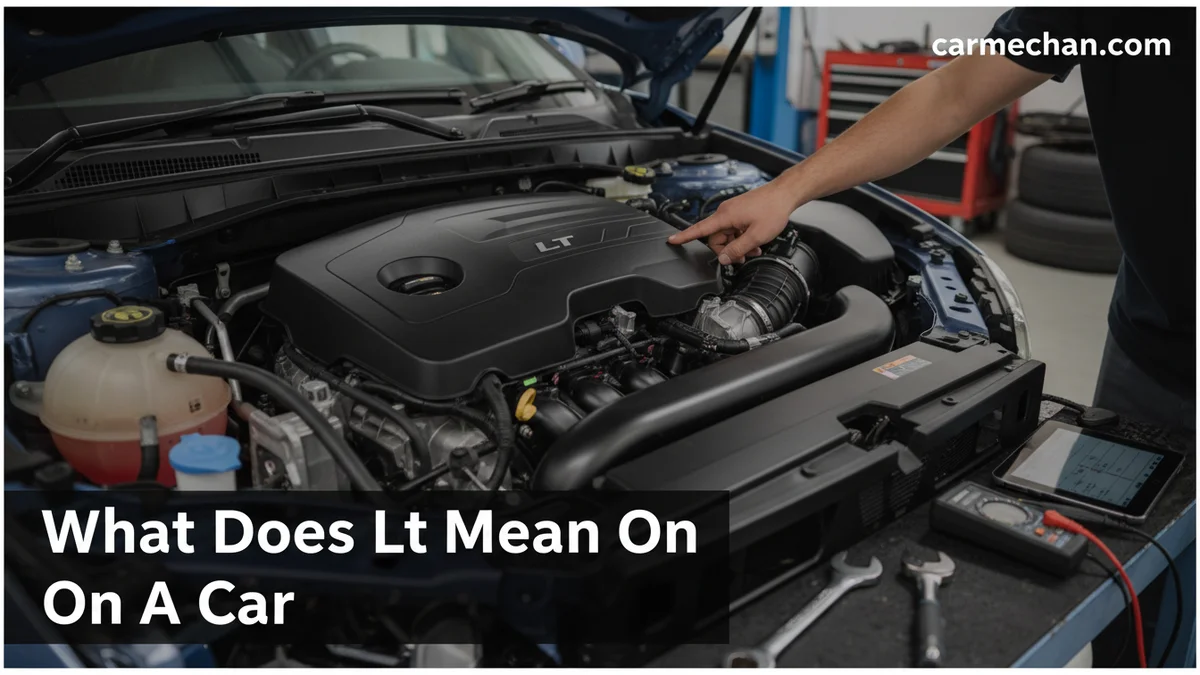
LT on a car typically stands for “Luxury Touring” or “Limited Trim”, designating a mid-to-upper-tier trim level in many vehicle lineups, especially for Chevrolet. This classification often signifies enhanced features, comfort, and technology compared to base models, providing a balanced blend of amenities and value for drivers.
What does LT mean on a car? LT on a car typically stands for “Luxury Touring” or sometimes “Limited Trim,” signifying a mid-range to upper-tier trim level within an automotive manufacturer’s lineup. This designation often indicates that the vehicle offers a significant upgrade in features, comfort, and technology compared to the base models.
You can expect a balanced blend of enhanced amenities and solid value when selecting an LT model for 2026.
Understanding these badges helps you discern the various offerings within a car model series. While specific features can vary, an LT trim generally provides more creature comforts and advanced systems without reaching the highest price point. This makes it a popular choice for many buyers.
The presence of an LT badge often signals a step up in refinement and capability. It is a key indicator of where a particular vehicle sits in its model family. Delving into the specifics reveals the true value and appeal of this common designation.
Key Takeaways
- LT usually means “Luxury Touring” or “Limited Trim.”
- It represents a mid-range to higher-end trim level.
- Commonly found on Chevrolet and GMC vehicles.
- LT trims offer more features than base models.
- Provides a balance of comfort, tech, and value.
What Specific Features Does LT Mean for Your Car?
LT trims typically elevate your driving experience through a suite of upgraded features. These enhancements often span across the vehicle’s interior, technology, performance, and exterior aesthetics.

Enhanced Interior Comfort
An LT trim often brings noticeable improvements inside the cabin. You might find upgraded seating materials, moving beyond basic cloth to premium cloth or even leatherette options. Power-adjustable seats for the driver, or sometimes both front occupants, are a common inclusion. These comfort features significantly improve daily commutes and longer journeys alike.
Advanced Tech Integration
Technology receives a substantial boost in LT models. Expect a larger, more intuitive infotainment touchscreen compared to base variants. Advanced smartphone integration, such as wireless Apple CarPlay and Android Auto, often becomes standard. Additional USB ports or even wireless charging pads can also be part of the package, enhancing connectivity for all passengers.
Performance Engine Options
While not universally true, some LT trims open up more potent engine options. This can mean access to a more powerful engine that isn’t available on the entry-level model. For instance, a four-cylinder base engine might get an optional V6 or turbocharged upgrade in an LT configuration. These choices offer enhanced towing capacity or more spirited driving dynamics.
Distinctive Exterior Styling
LT models often feature subtle yet distinct exterior styling cues that differentiate them from their less-equipped siblings. Look for upgraded alloy wheels, chrome accents on the grille or window surrounds, and potentially LED daytime running lights or taillights. These elements contribute to a more premium and refined curb appeal. They visually signal the vehicle’s higher trim status.
Considering these feature upgrades helps position the LT trim relative to other levels in a broader lineup, which is crucial for making an informed purchase decision.
How Does LT Compare Against 3 Other Trim Levels?
Understanding trim hierarchies is key to appreciating where LT stands in the automotive pecking order. Comparing it to entry-level, sporty, and premium trims highlights its unique value proposition.
Entry-Level LS Features
The LS trim typically represents the most basic, entry-level offering for many models. It provides essential functionality and a no-frills experience. You often find standard steel wheels, manual seat adjustments, and a simpler infotainment system. Advanced driver-assistance systems might be optional or entirely absent at this level. The LS focuses on affordability and practicality above all else.
Mid-Range LT Advantages
The LT trim builds significantly on the LS, offering a substantial step up in comfort, technology, and aesthetics. It often includes alloy wheels, enhanced interior materials, larger touchscreens, and convenience features like remote start or heated front seats. The LT aims to provide a well-rounded package for drivers seeking more than the basics without the top-tier price tag.
It represents a sweet spot for value.
Sporty RS Upgrades
The RS trim, often found alongside LT, emphasizes a sportier appearance and sometimes performance. It typically features unique exterior styling elements like blacked-out trim, distinctive wheels, and a sport-tuned suspension for a more engaging drive. While it shares some features with LT, its focus shifts towards a dynamic look and feel.
The RS appeals to buyers seeking a more aggressive aesthetic.
Premium Premier Benefits
The Premier (or equivalent like High Country for trucks) trim sits at the top of the lineup, offering the pinnacle of luxury, technology, and performance. Expect premium leather upholstery, advanced safety suites as standard, larger infotainment displays, and perhaps even ventilated seats or a panoramic sunroof.
This trim delivers the most comprehensive and opulent experience available. It caters to buyers who desire all available amenities.
While LT is a common and popular designation, its exact meaning and feature set can vary slightly by manufacturer. This variation leads us to explore which automakers primarily use this trim level.
Which Automakers Commonly Use the LT Designation?
While not a universal automotive trim identifier, some brands have adopted LT as a core part of their model nomenclature. Identifying these manufacturers helps clarify the consistency of the LT designation.
Chevrolet’s Consistent Use
Chevrolet is undoubtedly the most prominent and consistent user of the LT designation. Across its wide range of vehicles, from compact cars like the Trax to full-size trucks like the Silverado, LT consistently signifies a mid-tier to upper-mid-tier trim. For Chevrolet, LT traditionally stands for “Luxury Touring,” embodying a balance of features, comfort, and value.
This commitment to the designation has made it easily recognizable to consumers.
GMC’s Similar Approach
GMC, a sister brand to Chevrolet under General Motors, also employs the LT designation, though often with slight variations or as part of a broader trim structure. For GMC, the equivalent trim is often SLT (Sport Luxury Touring), or sometimes simply LT on specific models.
Their approach aligns closely with Chevrolet’s, offering enhanced features and comfort above base models. This consistency across GM brands helps consumers navigate their offerings.
Other Brands’ Niche Use
While predominantly associated with General Motors, some other automotive brands have historically used or occasionally use “LT” in different contexts. These uses are often less standardized or might refer to specific packages or limited editions rather than a core trim level across an entire lineup.
For most buyers researching “LT on a car” in 2026, the focus will remain on Chevrolet and GMC products. Other brands tend to use their own distinct nomenclature for trim levels.
Knowing which brands favor the LT designation helps prospective buyers decide if an LT trim aligns with their specific needs and budget.
When to Choose an LT Trim for Your Needs?
The LT trim often stands as a strong contender for many buyers due to its balanced offering. It provides a compelling mix of features and value that suits diverse preferences.
Balancing Budget Constraints
Choosing an LT trim often strikes an excellent balance between cost and desired amenities. It typically offers a noticeable upgrade from base models without the premium price tag of top-tier trims. This makes it an attractive option if you have a moderate budget but still want significant comfort and technology enhancements.
You get more for your money without overspending on features you might not need.
Prioritizing Desired Features
If your list of must-have features includes items like alloy wheels, a larger infotainment screen, enhanced connectivity, or some level of power seating, the LT trim often delivers these as standard or readily available options. It’s ideal for those who prioritize daily comfort and modern conveniences. You won’t feel like you are compromising on essential upgrades.
Considering Resale Value
Mid-tier trims like LT often hold their resale value quite well. They offer a more appealing feature set than base models, which makes them more desirable to future buyers. This can result in a better return on your investment when it’s time to sell or trade in your vehicle.
The added features provide a clear advantage in the used car market.
Ultimately, choosing the right trim involves a holistic assessment of various factors. This broadens beyond the LT designation to encompass any vehicle purchase decision.
5 Critical Factors When Evaluating Any Car’s Trim?
Choosing the right trim involves a holistic assessment of various factors. This ensures you select a vehicle that perfectly matches your needs and budget for 2026 and beyond.
1. Understanding Price Points
Evaluate the incremental cost of each trim level. Consider not just the sticker price but also any associated increases in taxes, insurance, and financing. A higher trim might seem appealing, but its overall cost must align with your budget. Compare the jump in price with the value of added features.
2. Assessing Included Features
Carefully review the standard features for each trim. Don’t pay for features you neither want nor need. Conversely, ensure the trim you choose includes your non-negotiable amenities. Consider the functionality and practical benefits of each upgrade.
3. Evaluating Engine Options
Higher trims sometimes unlock more powerful or efficient engine choices. Determine if the base engine is sufficient for your driving habits or if an upgrade offers a significant benefit. Factor in fuel economy differences and long-term running costs.
4. Prioritizing Safety Packages
Examine the safety and driver-assistance features offered at different trim levels. Many advanced safety technologies are often standard or optional on higher trims. Prioritize these if they are important for your peace of mind or family safety. Always confirm what is included versus what requires an additional package.
5. Projecting Future Value
Think about how the trim level might impact the vehicle’s resale or trade-in value. Mid-range trims often offer the best balance of initial cost and long-term value retention. Base models might be harder to sell, while top-tier trims can depreciate faster due to their high initial price. A popular trim configuration usually means broader appeal later on.
Wrapping up Your Car Trim Decision
Understanding what does LT mean on a car empowers you to make a more informed purchase decision in 2026. This designation, particularly prevalent with Chevrolet and GMC, generally signifies a mid-to-upper-tier trim level. It delivers a valuable balance of enhanced features, comfort, and technology over base models.
By carefully evaluating your budget, desired features, and long-term ownership considerations, you can determine if an LT trim aligns perfectly with your automotive needs. Always compare it against other trims in the lineup. Consider the specific options available for your chosen model. This diligent approach ensures you drive away with a vehicle that truly suits your lifestyle.
Ultimately, the right trim provides satisfaction both behind the wheel and for your wallet. Take the time to research thoroughly and drive confidently.
Common Questions About Car Trim Levels
What Is the Significance of a Car’s Trim Level?
A car’s trim level indicates the specific package of features, materials, and options included in a particular version of a vehicle model. It helps buyers understand the differences in comfort, technology, and performance available. This system allows manufacturers to cater to various customer preferences and budgets within one model line.
Does LT Always Stand for Luxury Touring?
While “Luxury Touring” is a common and widely accepted interpretation for Chevrolet’s LT designation, it’s not universally official. Some interpret it as “Limited Trim” or simply a designation for a specific feature set. For consumers, the practical meaning is a mid-to-upper-level trim with enhanced features compared to base models.
Are LT Trims More Expensive Than LS Trims?
Yes, LT trims are almost always more expensive than LS (entry-level) trims. The increased cost reflects the additional standard features, upgraded materials, and advanced technology included in the LT package. This price difference is usually justified by the added comfort, convenience, and aesthetic appeal offered.
Do All Car Brands Use the LT Designation?
No, not all car brands use the LT designation. It is most consistently and widely used by General Motors brands, particularly Chevrolet and to some extent GMC. Other automotive manufacturers use their own unique alphanumeric or descriptive labels for their trim levels, such as SE, XLE, EX, or Touring.
Can I Add LT Features to a Lower Trim Level?
Sometimes you can add specific features found in an LT trim to a lower trim level as optional packages. However, it’s often more cost-effective and integrated to simply choose the LT trim directly. Many LT features are bundled in ways that cannot be replicated individually on a base model, making the full trim level a better value.