Can I Sue a Car Dealership for Lying? What You Need to Prove
Last Updated on September 1, 2026 by Albert Duke
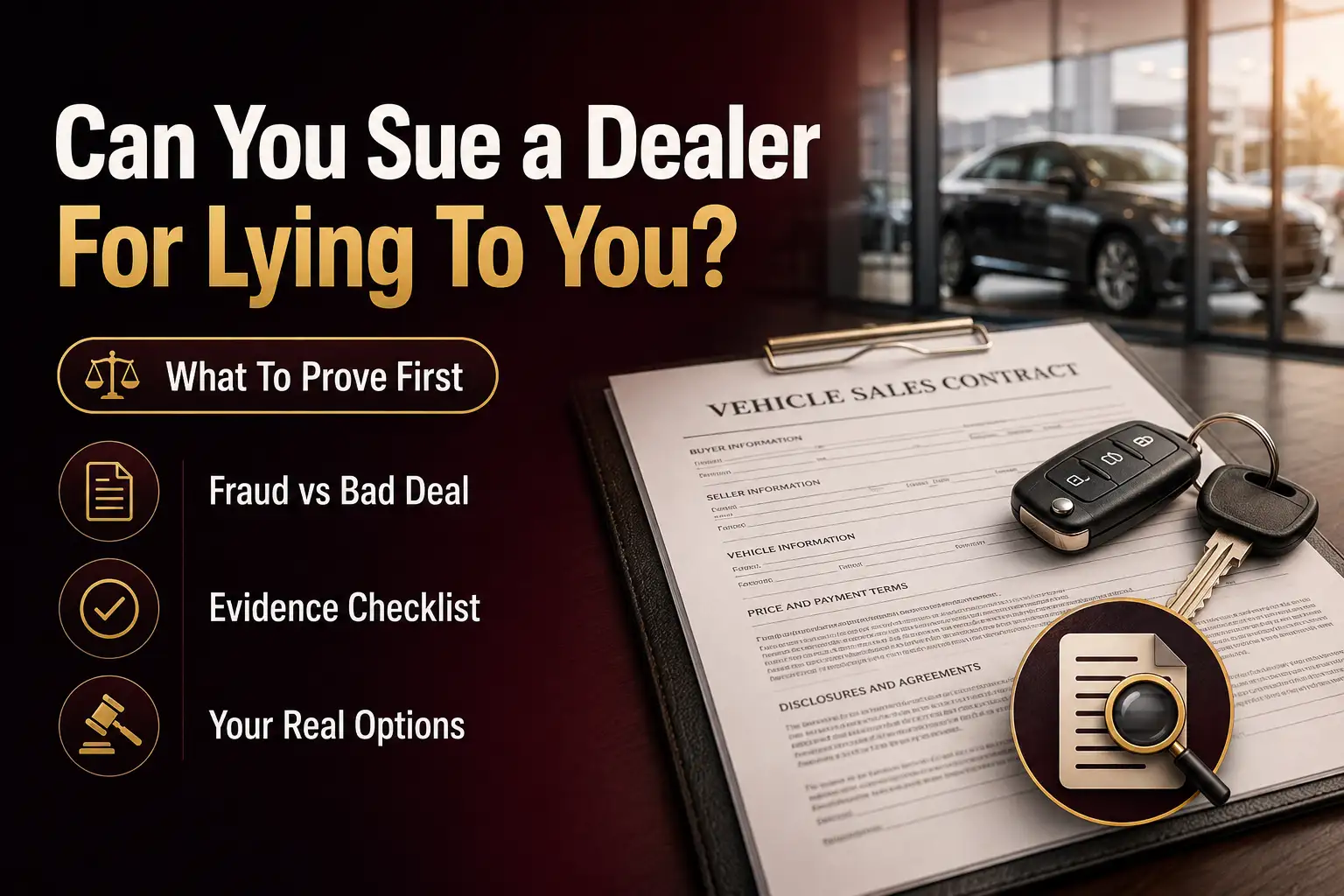
Yes, you can sue a car dealership for lying, but only if what happened meets the legal definition of fraud or misrepresentation, not just because you feel misled or regret the purchase. Courts look for a specific false statement about the vehicle, proof the dealer knew it was false, and financial harm that resulted from believing it.

Prime for Young Adults — 6 Months Free
Students and 18–24s get six months of Prime free, then half price.
Start 6 Months FreeThis guide breaks down what actually counts as fraud, the evidence you need, and the realistic paths available to you, including options that don’t require hiring a lawyer right away. Most of the search results on this topic come from law firms trying to sign you up for a consultation, so this focuses on the actual legal standard and your options first.
What Counts As Lying Versus A Bad Deal
Recommended Best Deal Products


Not every disappointing car purchase is fraud. Paying more than you wanted to, disliking the car after driving it for a while, or feeling pressured by a pushy salesperson generally doesn’t meet the legal bar for a lawsuit, even if it feels unfair in the moment.
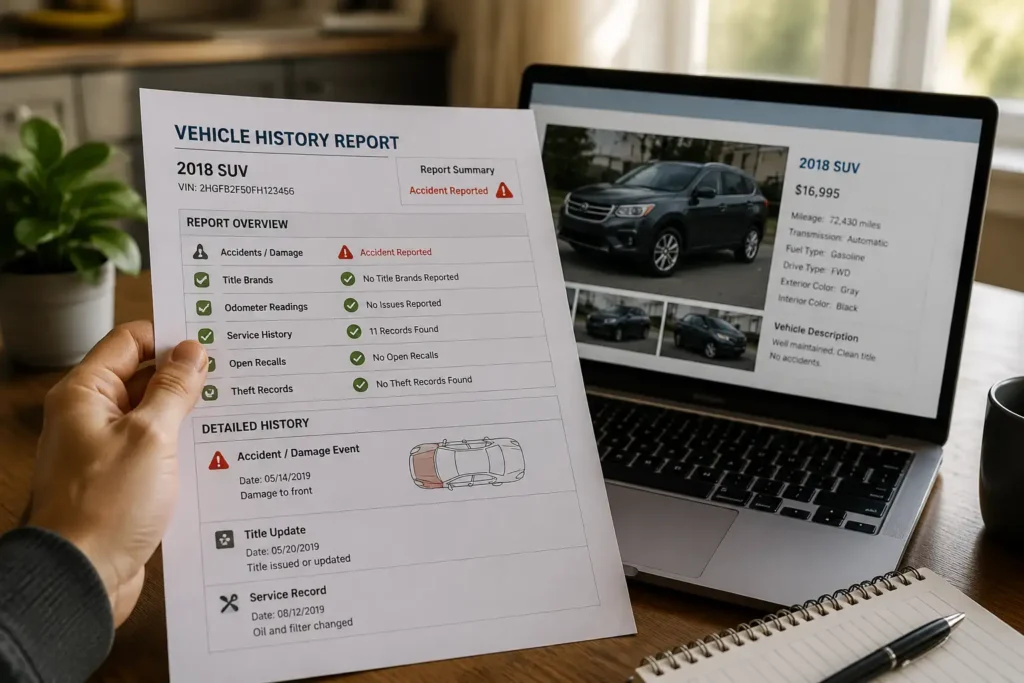
What does count is a false statement about a specific, material fact that you relied on to make your decision. Claiming a car has never been in an accident when the dealer’s own records show otherwise, rolling back an odometer, or falsely calling a vehicle “certified pre-owned” when it never passed the required inspection are the kinds of statements that can support a real fraud claim.
The distinction usually comes down to whether the dealer stated something false about the car itself, not whether you’re unhappy with how the deal turned out. Buyer’s remorse and standard sales tactics, however pushy, generally fall on the “bad deal” side of that line rather than the fraud side.
What You Have To Prove To Win A Fraud Claim
Common law fraud claims generally require proving several specific elements, and missing any one of them can sink an otherwise legitimate-feeling case. According to FindLaw’s overview of dealer misrepresentation claims, the core elements typically include:
- The dealer made a false statement about a past or present material fact regarding the vehicle
- The dealer knew the statement was false, or made it with reckless disregard for whether it was true
- You reasonably relied on that statement when deciding to buy the car
- You suffered a real financial loss as a direct result of relying on the false statement
All four generally need to be true. A dealer being wrong about something they genuinely didn’t know, without any reckless disregard for the truth, is a weaker case than a dealer who actively hid or denied a known issue. This is also why documentation matters so much, since proving what the dealer knew and when they knew it often comes down to paper trails rather than memory.
Common Ways Dealerships Lie To Buyers
- Hidden accident or frame damage: Claiming a vehicle has a clean history when internal records or a vehicle history report show otherwise.
- Odometer issues: Misrepresenting mileage, which is also a federal offense separate from state fraud law and can carry its own penalties.
- Yo-yo financing: Letting you drive off in the car, then calling days later to claim financing fell through and pressuring you to sign new, worse terms or return the vehicle. If you’re stuck negotiating financing terms after a deal like this, our guide on how to lower a car payment without refinancing covers options that don’t involve reopening the whole loan.
- False certified pre-owned claims: Selling a car as certified when it never actually passed the manufacturer’s required inspection checklist, which typically covers dozens of specific points.
- Split down payment checks: Asking for the down payment in multiple checks, sometimes used to obscure the true terms of a deal from a lender.
Does An As-Is Sale Protect The Dealer
No, not automatically. Many used cars are sold with “as-is” language in the contract, and buyers often assume this means they have no recourse at all. Legal reference sources note that as-is language does not protect a dealership against claims based on specific misrepresentations made to induce the sale, even though it generally does limit claims about undisclosed defects the dealer genuinely didn’t know about.
The key difference is between a defect the dealer didn’t know about, which “as-is” typically covers, and a false statement the dealer actively made, which it generally does not protect against.

Audible — Listen Free for 30 Days
One free credit a month and thousands of titles included.
Listen Free for 30 DaysEvidence You Need Before Taking Action
- The signed sales contract and any financing paperwork
- Text messages, emails, or written communications from the dealer or salesperson
- A vehicle history report (Carfax or AutoCheck) that contradicts what you were told
- An independent mechanic’s inspection report documenting the actual condition
- Names of any witnesses present when verbal statements were made, since verbal claims are harder to prove without one
Start gathering this as soon as you suspect a problem, even before deciding whether to pursue anything formal. Documents and memories both get harder to track down the longer you wait, and dealership staff can turn over quickly, making it harder to track down the person who actually made a specific statement to you.
The stronger and more specific your documentation, the more weight your case carries, whether you end up filing a formal complaint, negotiating directly with the dealer, or eventually going to court.
Your Realistic Options If You Were Lied To
A lawsuit isn’t the only path, and it’s often not the first one worth trying. Filing a complaint with your state’s attorney general or consumer protection office is free and can pressure a dealer to resolve the issue, especially if other complaints exist against the same dealership.

For smaller dollar amounts, small claims court lets you file and argue your own case without a lawyer, though the maximum amount you can recover varies by state. A written demand letter to the dealership, sometimes drafted with an attorney’s help but sent before filing anything formal, resolves many disputes without ever reaching a courtroom.
For larger losses or when a dealer refuses to engage, a consumer fraud attorney becomes worth considering, and many take these cases on a contingency basis, meaning you don’t pay unless you recover money. Starting with the free or low-cost options first is generally the more practical approach for smaller claims.
Fraud Claim Quick Reference
| Situation | Likely A Fraud Claim | Likely Not A Fraud Claim |
|---|---|---|
| Dealer said no accidents, Carfax shows otherwise | Yes | – |
| You feel you paid too much for the car | – | Yes |
| Sold as certified pre-owned without passing inspection | Yes | – |
| You simply don’t like the car after driving it | – | Yes |
| Dealer called days later demanding new financing terms | Yes | – |
Car Dealer Lying FAQ
How long do I have to file a claim?
Time limits vary significantly by state and by the specific type of claim, ranging from as little as one year to several years for fraud claims. Because this varies so much, checking your state’s statute of limitations early matters more than almost anything else if you’re considering a claim, since missing the window can end your case regardless of how strong the evidence is.
Do I need a lawyer to sue a dealership?
Not always. Small claims court is designed for people to represent themselves for smaller amounts, and a state attorney general complaint doesn’t require a lawyer either. Larger claims or ones involving significant financial loss generally benefit from professional legal help.
What can I recover if I win?
Depending on the claim and state, you may be able to recover your financial losses, sometimes the full purchase price, and in certain cases attorney’s fees or additional damages under state consumer protection laws. What’s actually available depends heavily on your specific state and the nature of the misrepresentation, so outcomes vary widely from case to case.
Does this apply to new cars too?
Yes. Dealer fraud claims aren’t limited to used cars. Misrepresenting features, pricing terms, or financing conditions on a new vehicle sale can also support a fraud or misrepresentation claim if the same core elements are present.
Audible Premium Plus — Annual Membership
12 audiobook credits up front, plus the full Audible catalogue.
See Annual PlansWhat if the salesperson lied but the dealership denies it?
This is where documentation becomes critical. Without a witness or written record, a dealership disputing what a salesperson said verbally becomes a harder case to prove, which is part of why saving texts, emails, and any paperwork matters from the start of the buying process, not just after a problem surfaces. Dealerships often argue that a salesperson’s verbal claims weren’t authorized statements of the company, so a written record closes that gap.
Suing a car dealership for lying is possible, but it comes down to proving a specific false statement, your reasonable reliance on it, and real financial loss, not simply feeling misled. Before pursuing a lawsuit, gather your documentation and consider the lower-cost options first, including a state complaint or small claims court, which resolve many disputes without ever reaching a courtroom.
Whatever the outcome of a current dispute, protecting yourself on future purchases matters too. Our guide to the best used car extended warranty companies can help you avoid a similar situation next time by covering unexpected repair costs a dealer’s verbal assurances don’t.
This article explains general legal concepts and is not legal advice. Laws and time limits vary by state, so consult a licensed attorney or your state attorney general’s office for guidance on a specific situation before taking any formal action.