Boost Your Ride: How Much HP Does a Supercharger Add?
Last Updated on September 1, 2026 by Ryan
Superchargers typically add a significant boost to engine performance, often increasing horsepower by 50 to 150 HP, or 20-50%, depending on the base engine. This gain is highly variable, influenced by factors such as boost pressure, engine displacement, supercharger type, and custom tuning, making each setup unique.
🎯 Key Takeaways



- Expect 50-150 HP gain, or 20-50% increase, from a supercharger.
- Boost level (PSI) is the primary factor in horsepower increase.
- Engine displacement and overall health impact final power output.
- Professional custom tuning is crucial for optimal and safe HP gains.
- Consider supporting modifications for maximum performance and reliability.
So, you’re dreaming of forced induction and want to know the bottom line: exactly how much horsepower does a supercharger add? You’re looking at a significant power boost, typically ranging from an extra 50 to 150 horsepower on a stock engine, translating to a substantial 20-50% increase in your vehicle’s overall output. This isn’t just a number; it fundamentally transforms your driving experience, providing exhilarating acceleration and vastly improved responsiveness. Understanding these typical gains and the critical factors that influence them is key to setting realistic expectations for your supercharger project.

The exact horsepower gain isn’t a one-size-fits-all answer. It’s heavily dependent on your specific engine, the type of supercharger, and crucial supporting modifications. Knowing what influences these numbers allows you to make informed decisions, ensuring you get the most bang for your buck and achieve the performance goals you’re targeting for your ride.
Understanding Typical Supercharger Horsepower Gains


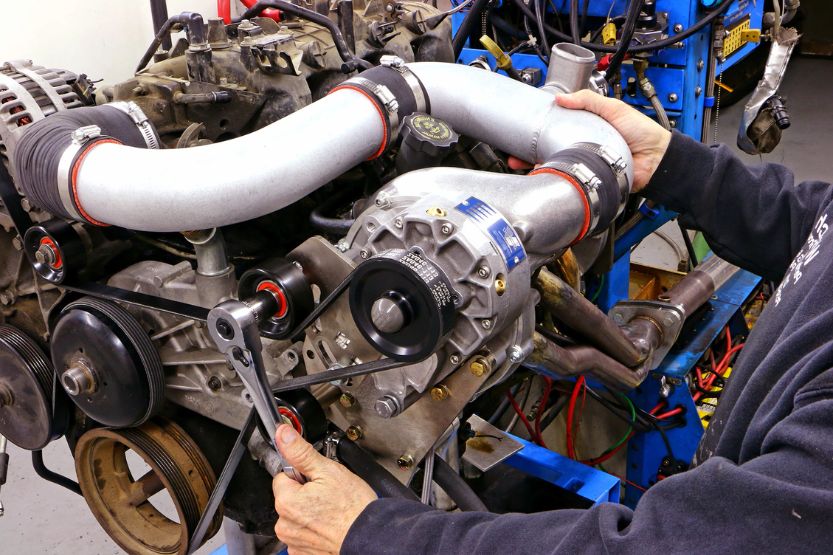
When we talk about supercharger gains, we’re generally referring to “horsepower at the wheels” (whp) – the power actually delivered to the pavement after drivetrain losses. While some manufacturers quote “crank horsepower” (bhp), which is higher, whp gives you a truer sense of real-world performance. A supercharger acts as an air pump, forcing more air into your engine’s cylinders, allowing more fuel to be burned and thus, more power to be produced.
Baseline Gains: Stock Engines
For a factory-stock engine, a supercharger kit offers the most dramatic, instantaneous improvement. The numbers can be impressive:
- 4-Cylinder Engines: Expect gains in the realm of 40-70 HP. While the percentage increase is often high (30-50%), the absolute number might seem lower compared to larger engines. For example, a 2.0L engine might jump from 200 HP to 250-270 HP.
- V6 Engines: These typically see increases between 50-100 HP. A common 3.6L V6 producing 300 HP stock could easily climb to 370-400 HP with a quality supercharger kit.
- V8 Engines: Here’s where superchargers truly shine. Gains of 100-150 HP are common, and often even more. A 5.0L V8 making 450 HP stock might readily hit 550-600 HP at the wheels. Some higher-performance kits can push this even further.
These figures are often achieved with relatively low boost levels (around 5-8 PSI) to maintain engine reliability on stock internals. The percentage increase generally hovers between 25-45% for a well-designed kit on a healthy stock engine.
Compounding Power: Already Modified Engines
If your engine already has “bolt-on” modifications like an aftermarket exhaust, cold air intake, or mild cam, a supercharger can still deliver substantial gains. In some cases, the absolute horsepower number added might be higher than on a completely stock engine because your existing mods are already improving airflow and efficiency. However, the percentage increase might be slightly lower if those modifications already extracted some “easy” power.
- An engine with a performance exhaust and upgraded headers will breathe better, allowing the supercharger to be even more effective.
- You might see an additional 150-200 HP+ on an already performance-oriented V8, especially if you move to higher boost levels and incorporate further supporting modifications.
The key here is that the foundation of a healthy engine and appropriate tuning becomes even more critical to handle the compounding stress of forced induction combined with existing modifications.
The Ultimate Supercharger HP Walkthrough



Embarking on the journey to boost your engine’s power with a supercharger is an exciting prospect, but understanding the potential horsepower gains can be complex. This comprehensive guide will walk you through the critical factors, calculations, and considerations involved in determining “how much HP a supercharger adds,” enabling you to set realistic expectations and make informed decisions about forced induction. Following these steps carefully will demystify the process and help you accurately estimate your potential power gains.
Step 1: Understand the Basics of Forced Induction and Superchargers
What you need: A basic understanding of internal combustion engines, access to reliable online automotive resources (e.g., engineering explained videos, reputable forums), and a pen and paper for notes.
Instructions: Before diving into numbers, grasp the fundamental principle: superchargers force more air into your engine, allowing it to burn more fuel and thus produce more power. Different types (Roots, Twin-Screw, Centrifugal) achieve this differently, impacting boost delivery and efficiency. Roots blowers provide instant, linear boost, twin-screws offer slightly more efficiency, and centrifugal units build boost progressively with RPM. Understanding these characteristics is crucial as they influence the power curve and overall feel of the added horsepower.
Pro Tip: Don’t confuse superchargers with turbochargers. While both are forced induction, superchargers are belt-driven directly by the engine, offering immediate power delivery without turbo lag, but at the cost of consuming some engine power to operate.
Step 2: Identify Your Engine’s Baseline and Limitations
What you need: Your vehicle’s current factory horsepower (HP) and torque specifications (usually found in your owner’s manual or online), knowledge of your engine’s internal components (e.g., compression ratio, forged vs. cast pistons/rods), and a realistic understanding of its stock strength.
Instructions: Your starting point dictates your potential gains. A naturally aspirated engine’s baseline HP is the foundation upon which the supercharger builds. Research your specific engine’s reputation for handling forced induction. Engines with lower compression ratios (e.g., 9.0:1 to 10.0:1) are generally more forgiving with boost than those with high compression (e.g., 11.0:1+). Identify the weakest links in your engine – often the connecting rods, pistons, or crankshaft – as these will limit the maximum safe boost and HP you can run without expensive internal upgrades. Knowing these limits prevents catastrophic engine failure.
Pro Tip: Most stock engines can handle a moderate amount of boost (e.g., 5-8 PSI) for significant gains, but pushing beyond that often requires upgrading internal components, which dramatically increases project cost and complexity.
Step 3: Research Supercharger Systems and Expected Boost Levels (PSI)
What you need: Manufacturer websites for supercharger kits (e.g., Edelbrock, ProCharger, Whipple), reputable automotive forums specific to your vehicle, and comparison data for different systems.
Instructions: Supercharger kits are typically designed to provide a specific range of boost pressure, measured in Pounds per Square Inch (PSI). A common starting point for bolt-on kits is 6-9 PSI. The amount of boost directly correlates to potential HP gains – more boost usually means more power, up to your engine’s limits. Research kits specifically designed for your vehicle’s make and model. Pay attention to the manufacturer’s advertised boost levels and the power gains they claim. Also, look for reviews and dyno charts from other users with similar setups, as real-world results can vary.
Pro Tip: Higher PSI doesn’t always equal more usable power. Beyond a certain point, increased boost can generate excessive heat (reducing efficiency) or push your engine past its safe limits, leading to detonation and damage.
Step 4: Account for Intercooling and Charge Air Temperature
What you need: Information on whether the supercharger kit includes an intercooler (air-to-air or air-to-water) or if it’s non-intercooled, and a basic understanding of air density.
Instructions: When air is compressed by a supercharger, it gets hot. Hot air is less dense, meaning it carries less oxygen, which reduces power potential and increases the risk of pre-ignition (knock). An intercooler cools this compressed air before it enters the engine, making it denser and richer in oxygen. This allows for more power, better fuel efficiency, and a safer tune. Kits with intercoolers generally produce significantly higher and safer HP gains (typically 15-25% more effective gain for the same boost level) compared to non-intercooled setups, especially in warmer climates. Always prioritize intercooled systems for optimal performance and engine longevity.
Pro Tip: The efficiency of an intercooler can vary. Larger, more efficient intercoolers or those with dedicated cooling systems (like air-to-water) will yield better results and allow for more aggressive tuning and higher safe boost levels.
Step 5: Estimate Drivetrain Loss and Convert to Wheel Horsepower (WHP)
What you need: Your vehicle’s factory Crank HP (CHP) and the typical drivetrain loss percentage for your specific vehicle type (e.g., FWD, RWD, AWD).
Instructions: Supercharger manufacturers typically advertise “crank horsepower” (CHP) gains, which are measured directly at the engine. However, the power you feel at the wheels, known as “wheel horsepower” (WHP), is what actually propels your vehicle. There’s a percentage of power lost as it travels through the transmission, driveshaft, and differential to the wheels (drivetrain loss). For most vehicles, this loss ranges from 10-15% for FWD, 15-20% for RWD, and 20-25% for AWD. To estimate your supercharged WHP, first calculate your estimated supercharged CHP, then subtract the appropriate drivetrain loss percentage. For example, if your baseline is 300 CHP and you expect 100 HP gain at the crank (400 CHP total) with 15% drivetrain loss, your estimated WHP would be 400 0.85 = 340 WHP.
Pro Tip: Always compare WHP numbers when looking at dyno charts from different vehicles, as crank HP is theoretical and often not measured directly in real-world scenarios. Dyno testing provides actual WHP figures.
Step 6: Consider Fueling, Exhaust, and Engine Management Tuning
What you need: Knowledge of fuel injector size, fuel pump capacity, exhaust system diameter, and the importance of a custom ECU tune.
Instructions: Adding a supercharger significantly increases the engine’s air intake, requiring a corresponding increase in fuel delivery and efficient exhaust gas removal. Your stock fuel injectors and fuel pump may not be sufficient to supply the extra fuel needed, leading to a lean condition and potential engine damage. Upgraded fuel components are almost always necessary. Similarly, a restrictive exhaust system will hinder power gains. Most critically, a custom Engine Control Unit (ECU) tune is absolutely essential to adjust fuel maps, ignition timing, and other parameters for the supercharger. Without a proper tune, the added boost is dangerous and will not yield optimal power. The tune precisely controls how much HP is added by optimizing the engine’s response to the supercharger.
Pro Tip: Never run a supercharger without a proper, professional custom tune. A generic base tune might get you started, but a custom dyno tune performed by an experienced tuner will maximize your power safely and reliably, potentially adding another 10-20 HP over a generic map.
Step 7: Analyze Real-World Dyno Charts and Owner Experiences
What you need: Access to online forums, social media groups, and YouTube channels dedicated to your specific vehicle model and supercharger setups.
Instructions: The best way to get a realistic estimate is to learn from others. Search for “dyno charts [your car model] supercharger [kit name]” online. Pay close attention to dyno graphs that show both the stock horsepower and the supercharged horsepower on the same graph. Look for the power curve, not just the peak number. A smooth, broad powerband is often more enjoyable for street driving than a high peak number with a narrow powerband. Read owner reviews about drivability, reliability, and any unexpected issues or additional costs they encountered. This practical data is invaluable for setting accurate expectations for how much HP you can truly gain.
Pro Tip: Be skeptical of extremely high numbers posted without accompanying dyno graphs or detailed modification lists. Varying dyno conditions and calibration can sometimes lead to inflated figures.
Step 8: Calculate Estimated HP Gain and Set Realistic Expectations
What you need: Your baseline WHP (or estimated WHP from CHP), the manufacturer’s advertised gain percentage or absolute gain, and the information gathered from steps 1-7.
Instructions: Combining all the information: start with your vehicle’s factory crank HP. If a supercharger manufacturer claims a 30-40% gain, apply that percentage. For example, a 300 HP engine with a 35% gain would yield 105 HP, totaling 405 HP at the crank. Then, subtract your estimated drivetrain loss (e.g., 15% for RWD) to get your estimated supercharged WHP (e.g., 405 0.85 = 344 WHP). Remember, these are estimates. Factors like intercooler efficiency, exact boost levels, and the quality of the tune will fine-tune the final number. A typical supercharger on a stock, modern V8 engine might add 100-200 WHP, while a 4-cylinder might see 50-100 WHP, depending heavily on the base engine and kit specifics. Always aim for a conservative estimate.
Pro Tip: Don’t just chase peak numbers. Focus on the area under the curve on a dyno graph – a kit that adds significant power across a wider RPM range will feel much more responsive and enjoyable than one that only hits a high peak for a brief moment.
✅ Final Checklist
- Understood the different supercharger types and their characteristics.
- Identified your engine’s baseline horsepower and potential limitations.
- Researched supercharger kits for your vehicle and their advertised boost levels.
- Considered the critical role of intercooling in power and safety.
- Accounted for drivetrain loss to estimate realistic wheel horsepower.
- Acknowledged the absolute necessity of upgraded fueling, exhaust, and a professional ECU tune.
- Cross-referenced estimates with real-world dyno charts and owner experiences.
- Formulated a realistic HP gain expectation for your specific setup.
Important Notes:
- Safety considerations or warnings: Always prioritize engine health. Pushing too much boost without proper supporting modifications (fuel, cooling, internal strength) and a professional tune can lead to catastrophic engine failure. Detonation is a severe risk.
- When to seek professional help: Installation of a supercharger, along with the critical ECU tuning, should always be performed by qualified automotive performance shops. Attempting a DIY tune without extensive experience is extremely risky. Consult a professional for component selection, installation, and especially for dyno tuning.
- Estimated time and cost range: While estimating HP takes research time (5-15 hours), the actual supercharger project is a significant undertaking. A complete supercharger kit can range from $4,000 to $10,000+, with installation labor adding another $1,000-$3,000+. Custom tuning costs typically range from $500-$1,500. Upgraded fuel systems, exhaust, or internal engine components can add thousands more.
Key Factors Influencing Your Supercharged HP Increase
The numbers above are fantastic benchmarks, but your actual horsepower gain can swing significantly based on several critical variables. Understanding these factors is paramount to achieving both the power you desire and reliable operation.
Boost Level and Supercharger Type
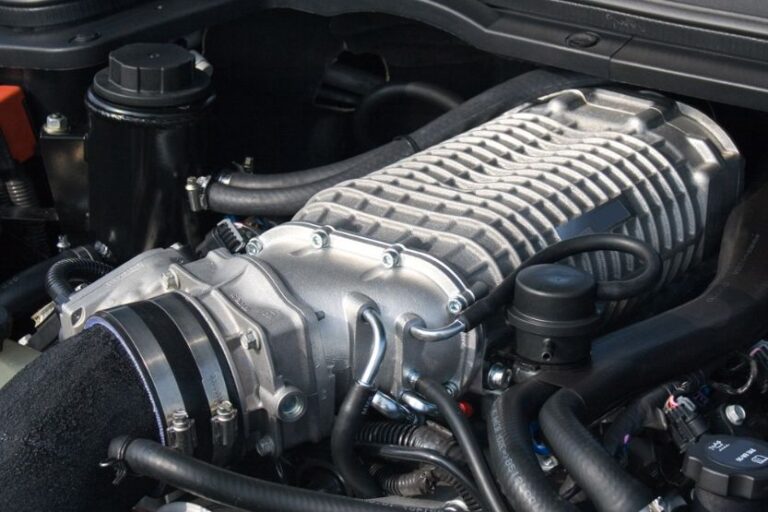
The amount of boost (measured in pounds per square inch, or PSI) a supercharger generates is arguably the most direct determinant of power gain. More boost means more air is crammed into the engine, allowing for a larger explosion and more power. Typical street supercharger kits run between 5-10 PSI, but heavily built engines can handle 15-20 PSI or more. However, higher boost puts more stress on engine components and demands robust supporting systems.
The type of supercharger also influences how that power is delivered:
- Roots & Twin-Screw: These positive displacement superchargers deliver boost almost instantly off-idle, providing a broad, flat torque curve and immediate power, ideal for street driving and towing. They generally offer excellent low-to-mid range power gains.
- Centrifugal: These operate more like a turbocharger, building boost progressively with engine RPM. This results in a more linear power delivery, often yielding higher peak horsepower numbers but requiring the engine to rev higher to reach maximum boost.
Each type has its enthusiasts, and the choice often comes down to your preferred driving feel and power band.
Engine Health, Tuning, and Supporting Mods
The engine itself plays a massive role. A larger displacement engine (like a V8) typically responds better to forced induction than a smaller one (like a 4-cylinder), simply because it can process more air and fuel. More importantly, the engine’s health is non-negotiable. Worn piston rings, weak rod bearings, or a compromised valvetrain will fail under the increased stress of a supercharger, turning your dream into a nightmare.
Quality of Tuning: This cannot be overstated. A supercharger dramatically alters the engine’s air-fuel ratio (AFR) and ignition timing. Professional, custom tuning is essential to:
- Ensure safe AFRs (not too lean, which causes detonation).
- Optimize ignition timing for maximum power without damaging pre-ignition.
- Properly manage fuel delivery from new injectors.
A poorly tuned supercharged engine is a ticking time bomb. Never skimp on professional tuning.
Supporting Modifications: To maximize and safely utilize supercharged power, you’ll need upgrades beyond just the supercharger itself. Consider:
- Exhaust System: A high-flow exhaust (headers, cat-back, larger piping) allows the engine to expel exhaust gases more efficiently, reducing backpressure and freeing up horsepower.
- Fuel System: Stock fuel pumps and injectors often can’t keep up with the increased fuel demand. Upgraded fuel injectors and a high-volume fuel pump are usually required.
- Cooling: More power means more heat. Upgraded radiators or intercoolers (often included in supercharger kits, but sometimes improved further) help manage engine and intake air temperatures.
- Fuel Type: Higher boost levels almost always necessitate premium pump fuel (91-93 octane) to prevent detonation. For extreme builds and maximum power, fuels like E85 or race gas become essential, offering higher octane and a cooling effect.
Expected Gains by Supercharger Type & Engine Displacement
The horsepower increase you’ll experience isn’t just a flat number. It’s heavily influenced by the type of supercharger you choose and the inherent characteristics of your engine. Understanding these nuances will help set realistic expectations for your boost journey.
Supercharger Type Matters
Different supercharger designs deliver power in distinct ways, directly affecting the horsepower curve and total gain.
- Centrifugal Superchargers: These are often compared to turbochargers due to their linear power delivery. They build boost as RPMs climb, offering a smooth, progressive increase in power. You’ll typically see gains in the range of 30-50% over stock horsepower. For a V8 engine originally making 400 HP, this could translate to an additional 120-200 HP, with power peaking at higher RPMs. They’re excellent for cars that spend time on the track or for drivers who enjoy winding out their engines.
- Roots & Twin-Screw Superchargers: These positive displacement blowers deliver boost almost instantly off idle, providing a massive surge of torque and horsepower from low RPMs. They are fantastic for street driving, offering that “seat-of-the-pants” feeling right away. Gains are often higher, commonly in the 40-60% range. A 400 HP V8 could realistically see an extra 160-240 HP, with significant improvements across the entire RPM band.
Aggressive tuning and supporting modifications can push these percentages even higher, but always remember that chasing extreme numbers often comes with increased stress on engine components.
Engine Displacement & Starting HP
A larger engine, particularly one with more cylinders, generally has a greater capacity to accept and benefit from forced induction. While a smaller engine might see a higher percentage gain, a larger engine will often yield a more significant raw horsepower increase.
- Large Displacement V8s (e.g., 5.0L, 6.2L): These engines are prime candidates for supercharging. They often have robust bottom ends and a natural thirst for air. It’s not uncommon for a modern V8 to gain anywhere from 150 to 250+ horsepower with a well-matched supercharger kit and proper tuning. For instance, a Ford Mustang GT 5.0L could jump from 450 HP to well over 600 HP.
- Smaller Displacement 4-Cylinders/V6s (e.g., 2.0L, 3.5L): While the raw HP gains might be lower, the percentage increase can be dramatic. A 200 HP 4-cylinder engine might gain 70-100 HP, effectively increasing its power by 35-50%. This can utterly transform the car’s performance, making it feel like a completely different vehicle. However, these engines may require more internal strengthening if pushing very high boost levels.
The key is that a supercharger amplifies what’s already there. A stronger, healthier engine with good compression and a well-designed induction system will always respond better to forced induction.
Beyond Horsepower: Practical Considerations & Overall Costs
Adding a supercharger isn’t just about bolting on a component; it’s about transforming your vehicle’s entire dynamic. While the horsepower numbers are exciting, it’s crucial to consider the broader implications for your car’s longevity and your wallet.
What Else Changes with More Power?
More power means more stress on virtually every part of your car, not just the engine. Overlooking these areas can lead to costly failures and a frustrating ownership experience.
- Drivetrain Components: Your transmission, clutch (for manuals), driveshaft, and differential suddenly have to handle significantly more torque. A stock clutch might slip, or a weaker differential could fail under hard acceleration. Upgrading these components, especially if you plan on consistent aggressive driving, is often a wise investment.
- Cooling System: Generating more power creates more heat. You’ll likely need a more efficient intercooler (if not included and sufficient in the kit), potentially a larger radiator, and an upgraded oil cooler to keep engine temperatures in check. Excessive heat is the enemy of reliability.
- Braking & Suspension: Going faster means you need to stop faster and handle more precisely. Stock brakes might feel inadequate, and a softer suspension might struggle with the increased cornering forces. Consider upgrading brake pads, rotors, and potentially suspension components like stiffer springs or sway bars.
- Fuel System: Your engine will demand more fuel under boost. This typically requires larger fuel injectors and a higher-flow fuel pump to prevent leaning out, which can cause catastrophic engine damage.
Neglecting these areas can lead to a domino effect of issues. It’s always better to address potential weak points proactively.
Budgeting for Boost: Beyond the Kit Price
The supercharger kit itself is just one line item in your overall budget. Many enthusiasts underestimate the total cost involved in a proper supercharger installation.
- Supercharger Kit: Prices typically range from $5,000 to $10,000+, depending on the type, brand, and vehicle application. This usually includes the supercharger unit, manifold (if applicable), intercooler, piping, and a base tune.
- Installation Labor: Unless you’re a seasoned DIY mechanic with the right tools, professional installation is recommended. This can take anywhere from 10 to 20+ hours at shop rates of $100-$150+ per hour, totaling $1,000 to $3,000+.
- Custom Tuning: While kits come with a base tune, a custom dyno tune by an experienced professional is absolutely essential to optimize performance, ensure reliability, and extract the most safe horsepower. This can cost an additional $500 to $1,500.
- Supporting Modifications: As discussed, upgrades like a stronger clutch, fuel pump, injectors, cooling components, or even engine internals can add several thousand dollars to the total, depending on how far you want to push it.
A realistic total budget for a comprehensive supercharger setup, including installation and necessary supporting mods, can easily range from $8,000 to $15,000 or more. Always get detailed quotes from reputable shops and factor in a contingency fund for unexpected issues.
Conclusion
Superchargers offer an exhilarating path to dramatically increased horsepower and torque, transforming your driving experience with significant gains typically ranging from 30% to over 60% of your engine’s stock output. The specific boost in HP depends heavily on factors like the supercharger type you choose, your engine’s displacement, and the quality of the supporting tune and modifications.
While the allure of more power is strong, remember that a supercharger installation is a comprehensive project. It demands careful consideration of not just the supercharger kit itself, but also the ripple effects on your drivetrain, cooling system, and overall vehicle reliability. Budgeting for supporting modifications and professional installation and tuning is paramount for a safe and satisfying outcome.
Ready to unleash the beast within your ride? Start by researching kits specific to your vehicle and consulting with reputable performance shops. They can guide you through the best options to achieve your power goals while maintaining reliability. Happy boosting!
❓ Frequently Asked Questions
What’s the main difference in HP gain between centrifugal, roots, and twin-screw superchargers?
Centrifugal superchargers deliver power more linearly, building boost with RPM, while roots and twin-screw provide immediate, strong low-end and mid-range torque, often resulting in quicker peak HP delivery earlier in the RPM band. Actual HP gains depend more on boost level and engine setup than just the supercharger type.
How much does professional tuning impact the actual HP gain from a supercharger?
Professional tuning is paramount, as it optimizes fuel delivery, ignition timing, and boost levels to safely maximize horsepower and torque output. Without proper tuning, you risk engine damage and won’t achieve the full potential gains advertised by the supercharger kit.
What supporting modifications are often needed to handle supercharged horsepower?
Essential supporting mods may include upgraded fuel injectors and pump, a high-flow exhaust system, stronger clutch (for manuals), and potentially stronger internal engine components for higher boost levels. These ensure reliability and allow the engine to fully utilize the added power.
Can a supercharger be installed on any engine?
While technically possible, supercharging is most effective and reliable on engines designed for it or those with robust stock internals. The cost and complexity can vary wildly depending on the engine’s original design and the availability of aftermarket kits, making some engines more suitable than others.
What are the potential downsides of adding a supercharger besides the initial cost?
Besides the initial investment, potential downsides include slightly reduced fuel economy due to increased fuel demands, increased engine wear if not properly maintained or tuned, and increased heat generation under strenuous use. It can also affect vehicle warranty and requires specific installation expertise.
Is the advertised HP gain from a supercharger kit usually accurate?
Advertised HP gains from supercharger kits are typically based on ideal conditions and may refer to crank horsepower, not wheel horsepower, which is generally lower due to drivetrain loss. Real-world gains can vary based on the specific vehicle, its condition, and the quality of the installation and tune, so dyno testing is recommended for precise measurements.