Tesla Speed & Acceleration: How Fast Do All Models Go?
Last Updated on September 1, 2026 by Ryan
Teslas are renowned for their electrifying acceleration and high top speeds, with performance variants like the Model S Plaid leading the charge. This guide details the 0-60 mph times and top speeds for every current Tesla model, showcasing their impressive capabilities.
🎯 Key Takeaways


- Model S Plaid is Tesla’s fastest with sub-2-second 0-60 mph.
- Instant electric torque delivers superior acceleration off the line.
- Performance variants offer significant speed boosts over base models.
- Top speeds are often software-limited for safety and range.
- Upcoming Roadster aims for hypercar-level speed benchmarks.
If you’re wondering how fast a Tesla truly goes, the short answer is: incredibly fast, especially their performance variants. These electric vehicles consistently redefine what street-legal production cars can achieve in terms of raw acceleration and impressive top speeds. You’ll find models that can out-accelerate many supercars, making them a force on the road or track.

Understanding these figures isn’t just about bragging rights; it directly impacts your driving experience. Instant acceleration means exhilarating merges onto highways, confident overtaking, and a genuinely thrilling feel behind the wheel. Top speed, while less frequently used in daily driving, speaks to the engineering prowess and high-speed stability of these advanced electric machines, ensuring they remain composed even at their limits.
Tesla’s Current Model Lineup: 0-60 MPH and Top Speed Comparison
Unpacking Tesla’s Acceleration and Top Speed
Tesla has a reputation for mind-bending speed, and their current lineup doesn’t disappoint. Whether you’re considering a sedan, SUV, or even the radical Cybertruck, there’s a performance variant designed to deliver breathtaking acceleration. The 0-60 mph time measures how quickly the car can reach highway speeds, while top speed indicates its maximum velocity. Here’s a detailed breakdown of current models and their performance figures:
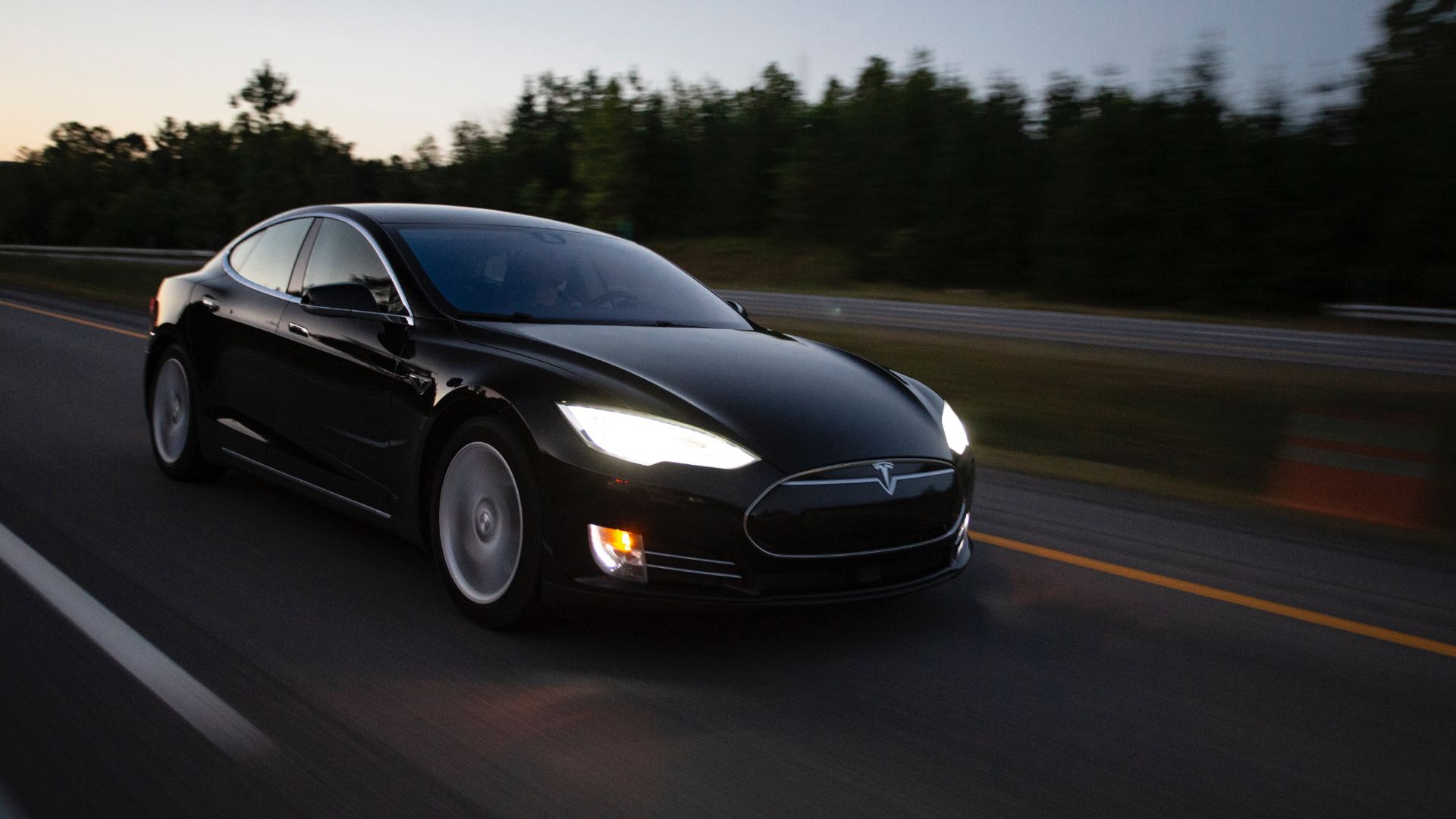
- Model S Plaid: This is Tesla’s flagship performance sedan, offering unparalleled acceleration.
- Model S Long Range: Still exceptionally quick, providing a balance of speed and range.
- Model 3 Performance (2024): The recently refreshed Model 3 Performance offers a significant leap in acceleration and handling.
- Model 3 Long Range (2024): A rapid, everyday sedan for most drivers.
- Model Y Performance: The sportiest version of Tesla’s popular compact SUV.
- Model Y Long Range: A quick and practical family SUV.
- Model X Plaid: A performance SUV that defies its size with supercar-rivalling acceleration.
- Model X Long Range: A swift, large SUV for families.
- Cybertruck Beast: The tri-motor variant of the Cybertruck, combining immense power with futuristic design.
- Cybertruck All-Wheel Drive: A highly capable and quick version of the electric pickup.
Here’s how they stack up:
| Model | 0-60 mph (Manufacturer Estimate) | Top Speed (Manufacturer Estimate) |
|---|---|---|
| Model S Plaid | 1.99 seconds (with rollout) | 200 mph (with specific tires) |
| Model S Long Range | 3.1 seconds | 149 mph |
| Model 3 Performance (2024) | 3.1 seconds | 162 mph |
| Model 3 Long Range (2024) | 4.2 seconds | 125 mph |
| Model Y Performance | 3.5 seconds | 155 mph |
| Model Y Long Range | 4.8 seconds | 135 mph |
| Model X Plaid | 2.5 seconds | 163 mph |
| Model X Long Range | 3.8 seconds | 149 mph |
| Cybertruck Beast | 2.6 seconds | 130 mph |
| Cybertruck All-Wheel Drive | 4.1 seconds | 112 mph |
The Reigning Speed Kings
As you can clearly see, the Tesla Model S Plaid stands out as the absolute speed champion in the lineup, achieving an astonishing 0-60 mph in under 2 seconds under optimal conditions. This makes it one of the quickest production cars ever made. The Model X Plaid also delivers supercar-level acceleration in a family-friendly SUV package. These figures demonstrate Tesla’s commitment to pushing the boundaries of electric vehicle performance, making extreme speed accessible across various body styles.
Understanding the Factors Behind Tesla’s Blistering Speed
Instant Torque and Electric Drivetrains
What makes Teslas so incredibly fast off the line? It largely boils down to the fundamental nature of electric motors. Unlike internal combustion engines that need to build RPMs to reach peak torque, electric motors deliver 100% of their torque instantaneously from zero RPM. This “instant torque” translates directly into the ferocious, neck-snapping acceleration you feel. Many Teslas also feature dual or tri-motor setups, providing all-wheel drive (AWD). This allows power to be distributed efficiently to all four wheels, maximizing traction and preventing wheel spin, which is critical for those blisteringly fast 0-60 mph times.
Aerodynamics and Software Optimization
Beyond raw power, Tesla engineers meticulously optimize their vehicles for speed. Aerodynamic design plays a significant role, reducing drag and allowing the car to cut through the air more efficiently, especially at higher speeds. You’ll notice sleek lines, flush door handles, and carefully sculpted underbodies. Furthermore, Tesla’s advanced software constantly manages power delivery, battery output, and motor performance. This sophisticated electronic brain ensures that every ounce of power is utilized optimally for acceleration and sustained speed. It also highlights a key difference: 0-60 mph is about instant grunt, while top speed relies heavily on sustained power output and aerodynamic efficiency.
Performance Enhancements: Plaid vs. Standard Models
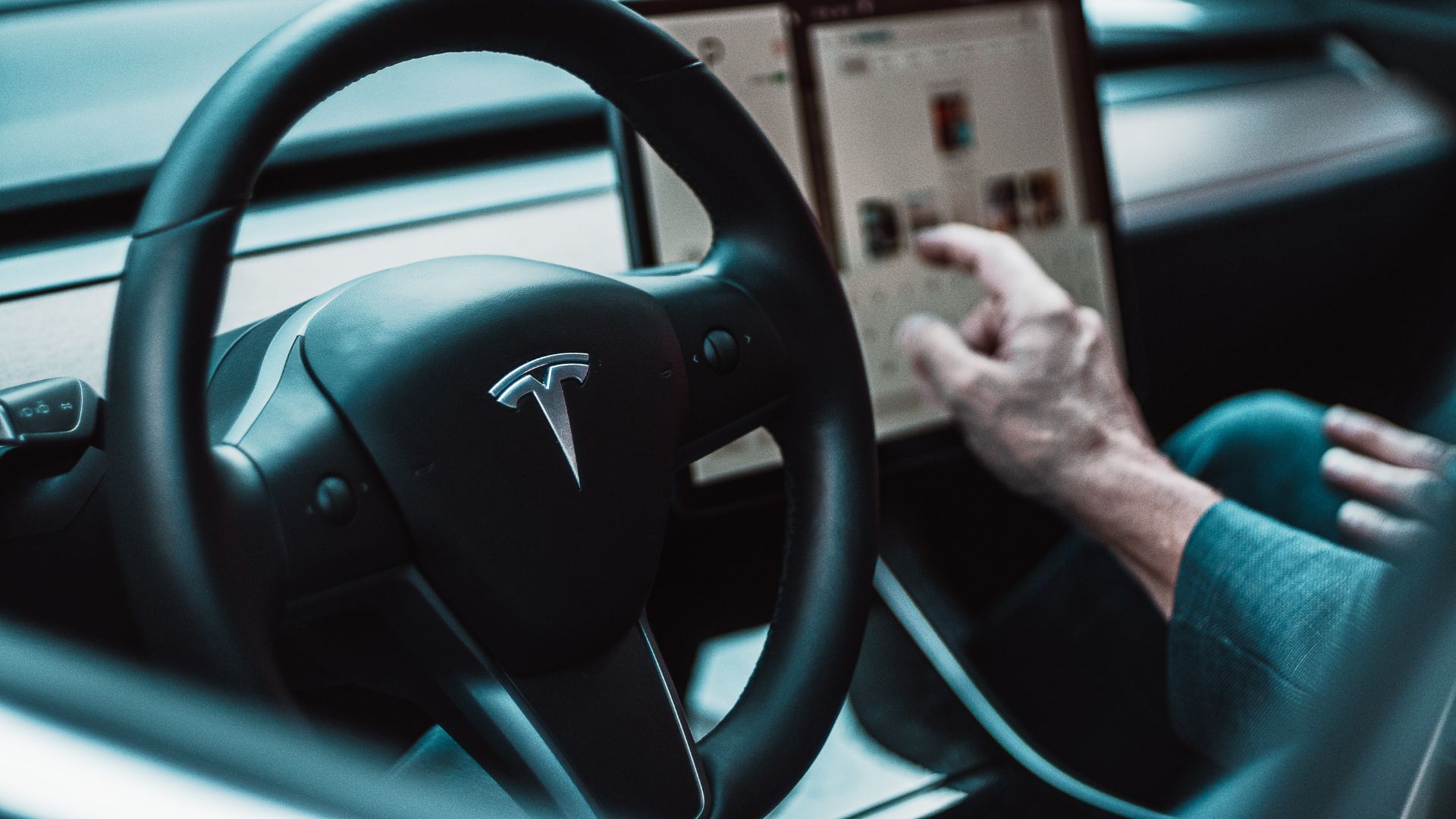
While all Teslas offer impressive acceleration, the "Plaid" designation takes things to an entirely different level. It’s not just a marketing term; it signifies a serious leap in performance engineering.
Understanding the Plaid Difference
The name "Plaid" is a nod to the movie Spaceballs, where "Plaid Speed" is faster than "Ludicrous Speed." For Tesla, it means a tri-motor all-wheel-drive setup, delivering unparalleled power to the wheels. Currently, the Model S Plaid and Model X Plaid boast this incredible configuration.
- Model S Plaid: This is Tesla’s flagship performance sedan, famous for its mind-bending 1,020 horsepower. It can rocket from 0-60 mph in a mere 1.99 seconds (with rollout subtracted) and achieve a top speed of 200 mph.
- Model X Plaid: Even as an SUV, the Model X Plaid provides a staggering 1,020 horsepower. It goes from 0-60 mph in 2.5 seconds, making it one of the quickest SUVs ever built.
Standard Long Range or Performance models, while still exceptionally fast with their dual-motor setups, simply don’t reach the extreme power output or top speeds of their Plaid counterparts. The Plaid models also feature advanced thermal management systems designed to sustain these high-performance runs, a critical factor often overlooked.
Beyond Raw Power: Software and Other Factors
It’s not just about the motors. Tesla’s innovative software plays a huge role in optimizing performance. Features like "Launch Mode" prepare the battery and motors for maximum acceleration, ensuring you get that full surge of power off the line. For Plaid models, there’s even a more advanced "Drag Strip Mode" that pre-conditions the battery and drivetrain for optimal quarter-mile times.
Practical Tip: To truly experience your Tesla’s maximum acceleration, especially with Plaid models, ensure your battery is charged above 80% and consider activating any available performance modes. Tire choice and pressure also significantly impact grip and overall performance!
The Future of Tesla Speed: What to Expect from Upcoming Models
Tesla isn’t content to rest on its laurels. The company continually pushes the boundaries of automotive performance, and upcoming models promise to redefine speed even further.
The Highly Anticipated Roadster 2.0
Perhaps the most talked-about future Tesla in terms of speed is the next-generation Roadster. Unveiled years ago, it promises utterly insane performance figures that verge on hypercar territory:
- 0-60 mph: A jaw-dropping 1.9 seconds (standard model).
- Top Speed: Projected to exceed 250 mph.
- Quarter Mile: Expected in just 8.8 seconds.
What’s truly revolutionary is the optional "SpaceX package," which would add cold air thrusters for even more acceleration, blurring the lines between a car and a rocket. While delays have pushed its release, the anticipation for this groundbreaking vehicle remains incredibly high.
Cybertruck’s Surprising Speed
Who would have thought a truck could be this fast? The Tesla Cybertruck, especially the top-tier Tri-Motor Cyberbeast variant, delivers acceleration that defies its formidable size and utility focus.
- Cyberbeast 0-60 mph: An astonishing 2.6 seconds (with rollout subtracted).
- Cyberbeast Top Speed: 130 mph.
This means the Cybertruck can out-accelerate many sports cars while still offering immense towing capacity and off-road capability. It’s a testament to Tesla’s ability to infuse performance into every vehicle segment. As battery technology advances and motor efficiency improves, we can expect future iterations of existing models and new vehicles to continue raising the bar for electric vehicle speed and performance.
Ready to Experience Tesla’s Thrill?
From the zippy Model 3 to the mind-bending Model S Plaid and the highly anticipated Roadster, Tesla has consistently redefined what’s possible in automotive speed and acceleration. It’s not just about raw power; it’s a symphony of cutting-edge battery technology, intelligent motor design, and sophisticated software engineering that delivers an exhilarating driving experience.
Whether you’re seeking a quick daily driver or a hyper-performance machine to dominate the drag strip, there’s a Tesla designed to deliver. Ready to feel that instant torque yourself? Consider scheduling a test drive and experience the electrifying thrill of Tesla acceleration firsthand!
❓ Frequently Asked Questions
What are the specific 0-60 mph times and top speeds for Tesla’s flagship performance models?
The Model S Plaid boasts a 0-60 mph time of 1.99 seconds and a top speed of 200 mph (with specific tires). The Model 3 Performance achieves 0-60 mph in 3.1 seconds with a top speed of 162 mph, showcasing impressive performance across the lineup.
How does the electric powertrain contribute to Tesla’s instant acceleration?
Electric motors deliver instant torque directly to the wheels, eliminating the lag associated with traditional internal combustion engines. This immediate power delivery allows Teslas to achieve their rapid 0-60 mph times without needing to build revs or shift gears.
What factors limit a Tesla’s top speed, and are they different from acceleration limits?
A Tesla’s top speed is primarily limited by motor power output, gear ratio, battery discharge rate, and aerodynamic drag, often capped by software for safety and tire compatibility. Acceleration is more about immediate power delivery and traction, which electric motors excel at, but can be influenced by battery temperature and state of charge.
How do different Tesla models compare in terms of everyday driving speed and performance?
Even non-performance Tesla models offer brisk acceleration suitable for daily driving, often outperforming many gasoline sports cars. For instance, a standard Model 3 can still hit 60 mph in under 6 seconds, providing a responsive and engaging driving experience that feels fast in real-world conditions.
What role does aerodynamic design play in achieving high speeds in Tesla vehicles?
Tesla vehicles are designed with highly aerodynamic profiles to minimize drag, which is crucial for achieving high top speeds and maximizing efficiency. A lower drag coefficient allows the car to cut through the air with less resistance, enabling it to go faster and consume less energy at higher velocities.
What are the claimed speed capabilities for the upcoming Tesla Roadster 2.0?
The second-generation Tesla Roadster is projected to be the fastest production car ever, with claimed figures of 0-60 mph in 1.9 seconds, a quarter-mile in 8.8 seconds, and a top speed exceeding 250 mph. These ambitious targets highlight Tesla’s continued push for extreme performance.