Brake System Problems Honda Accord: Diagnosis And Resolution Guide
Brake System Problems Honda Accord: Diagnosis And Resolution Guide
Is your Honda Accord’s braking performance feeling less than optimal, or are you hearing unsettling noises when you slow down? Brake system problems in a Honda Accord can range from minor annoyances to critical safety concerns, often leaving owners uncertain about the underlying cause and necessary steps for resolution. This comprehensive guide will meticulously diagnose common Honda Accord brake issues, from pedal feel to warning lights, providing authoritative insights and clear actionable steps for effective troubleshooting and resolution. As an industry veteran with over 15 years of hands-on experience, I will provide practical, data-backed guidance to ensure your Accord remains safe and performs optimally.
Understanding Common Honda Accord Brake System Malfunctions


Honda Accords are renowned for their reliability, but like any vehicle, their brake systems are subject to wear and specific malfunctions. Understanding these common pitfalls is the first step toward effective diagnosis and resolution. Across generations, certain brake system problems recur, stemming from consistent design principles and environmental factors.

📤 Share Image
Widespread Issues and Their Manifestations
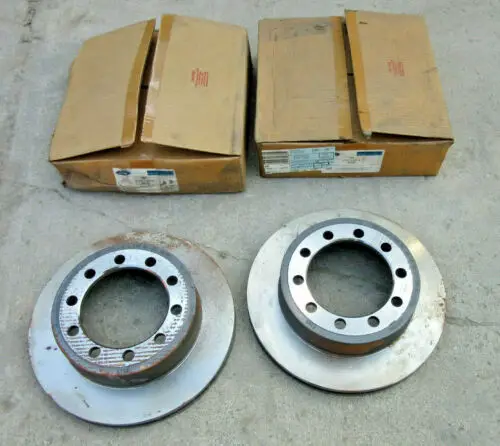
- Worn Brake Pads and Rotors: This is the most frequent maintenance item. Pads typically last between 30,000 to 70,000 miles, while rotors usually require replacement every 50,000 to 100,000 miles, depending on driving habits and material quality. Symptoms include squealing, grinding, or a pulsating pedal.
- Caliper Malfunctions: Brake calipers can seize due to corrosion, dirt ingress, or old, contaminated brake fluid. This prevents the piston from retracting or extending properly, leading to uneven pad wear, pulling to one side, or excessive heat build-up. A common observation is a 2008 Honda Accord experiencing premature rear brake wear, often attributable to sticky rear calipers.
- Brake Fluid Contamination or Low Levels: Brake fluid absorbs moisture over time, reducing its boiling point and leading to a “spongy” pedal. Low fluid levels, often caused by leaks, directly compromise hydraulic pressure. Air ingress into hydraulic lines can also result from improper bleeding or a significant fluid loss.
- Anti-lock Braking System (ABS) Failures: The ABS system relies on wheel speed sensors, an ABS module, and a hydraulic control unit. Failures often manifest as an illuminated ABS warning light. For instance, a 2013 Honda Accord might exhibit intermittent ABS light illumination due to a faulty or dirty wheel speed sensor.
Specific vulnerabilities have been noted across Honda Accord generations. For instance, the 8th and 9th generation Accords sometimes encounter premature rear brake wear due to caliper design or driver usage patterns. Understanding these nuances helps to accurately troubleshoot and choose the right repair. These issues fundamentally stem from components like piston seizure in calipers, air ingress in hydraulic lines reducing effective pressure, or sensor failure in ABS modules preventing critical data transmission. Honda service bulletins have occasionally highlighted these patterns, providing guidance on how to debug and implement a lasting solution.
Diagnosing Abnormal Brake Pedal Feel in Your Honda Accord


The feel of the brake pedal provides crucial diagnostic clues regarding your Honda Accord’s brake system health. Interpreting these sensations accurately can pinpoint the underlying problem, enabling precise troubleshooting and effective repair.
Analyzing Pedal Sensations
- ‘Spongy’ or ‘Soft’ Brake Pedal: A pedal that feels soft, requires excessive travel, or sinks slowly to the floor often indicates a lack of hydraulic pressure. This can be due to air in the hydraulic lines (common after a recent brake fluid flush if not bled correctly), low brake fluid levels, a master cylinder fault (internal leaks), or a failing brake booster that isn’t providing adequate assist. For example, a driver noticing a spongy pedal after a recent brake fluid flush should immediately suspect air ingress and perform a thorough brake bleed. Under hard braking, the hydraulic system typically generates 1000-1500 psi; air significantly reduces this critical pressure.
- ‘Hard’ or ‘Stiff’ Brake Pedal: Conversely, a pedal that is difficult to depress and provides minimal stopping power usually points to an issue with the brake assist mechanism. This is most commonly associated with a failing brake booster, a vacuum leak in the booster line, or a clogged vacuum check valve. The booster requires engine vacuum to function; without it, the driver must exert significantly more force.
- ‘Pulsating’ or ‘Vibrating’ Brake Pedal: If your brake pedal pulses or the steering wheel vibrates noticeably when braking, especially at higher speeds, it is almost invariably indicative of warped or unevenly worn brake rotors. This occurs when the rotor’s surface has variations in thickness or runout, causing the pads to alternately grip and release. A consistent pulsation felt through the pedal and steering wheel when braking from highway speeds typically pinpoints excessive rotor runout, which should ideally be less than 0.002 inches. This issue demands immediate attention to prevent further damage and ensure consistent braking.
📋
Step-by-Step Pedal Feel Diagnosis


For a hard pedal, visually inspect the vacuum line from the engine to the brake booster for cracks or disconnections. Perform a simple test: with the engine off, pump the brake pedal several times until it’s firm. Start the engine while holding pressure on the pedal; it should drop slightly. If not, the booster or vacuum supply is faulty, requiring a professional repair.
For a spongy pedal, inspect the brake fluid reservoir. Low fluid levels suggest a leak, while dark, murky fluid indicates contamination and warrants a flush. If fluid is full and clean, yet the pedal remains spongy, suspect air in the lines or a failing master cylinder. A careful bleeding procedure may resolve air in lines, but a master cylinder fault often requires replacement.
Identifying and Resolving Noises and Vibrations from Honda Accord Brakes
Brake noises and vibrations are direct indicators of component distress within your Honda Accord’s braking system. Proper identification of these auditory and tactile signals is crucial for a timely and effective resolution.
Decoding Brake System Sounds
- Brake ‘Squealing’ or ‘Squeaking’: This high-pitched sound is typically the earliest warning sign of brake pad wear. Most modern pads include wear indicators – small metal tabs designed to emit a squeal when pads are critically thin, signaling the need for replacement. Other causes include glazed pads (hardened surface due to excessive heat) or improper installation, especially the absence of anti-squeal shims or paste. A high-pitched squeal heard primarily when braking at low speeds is highly indicative of worn pads nearing their service limit. The composition of brake pads plays a role: semi-metallic pads tend to be noisier but offer better cold stopping power, while ceramic pads are generally quieter but can be less aggressive.
- ‘Grinding’ Noises: A harsh, coarse grinding sound is an unequivocal indicator of severe brake pad wear. This means the friction material has completely worn away, resulting in metal-on-metal contact between the brake pad backing plate and the rotor surface. This condition causes rapid damage to the rotors and significantly compromises braking effectiveness. A heavy grinding sound accompanied by a harsh vibration confirms this critical issue, requiring immediate attention and replacement of both pads and rotors. The required coefficient of friction for optimal braking performance cannot be achieved with metal-on-metal contact, leading to extended stopping distances.
- ‘Clicking’ or ‘Clunking’ Sounds: These distinct sounds often suggest mechanical play or loose components. Potential causes include loose caliper bolts, worn caliper guide pins (allowing the caliper to move excessively), damaged wheel bearings, or issues with ABS components during activation. A clicking sound that occurs once when braking forward and again when reversing could indicate loose pads within the caliper bracket, especially if retaining clips are missing or installed incorrectly.
Always inspect brake components thoroughly from both sides of the vehicle. Uneven wear or localized issues (e.g., a single seized caliper) can lead to misleading symptoms if only one side is examined. This holistic approach helps to accurately debug the root cause of noise or vibration.
Deciphering Honda Accord Brake Warning Lights and Fluid Leaks
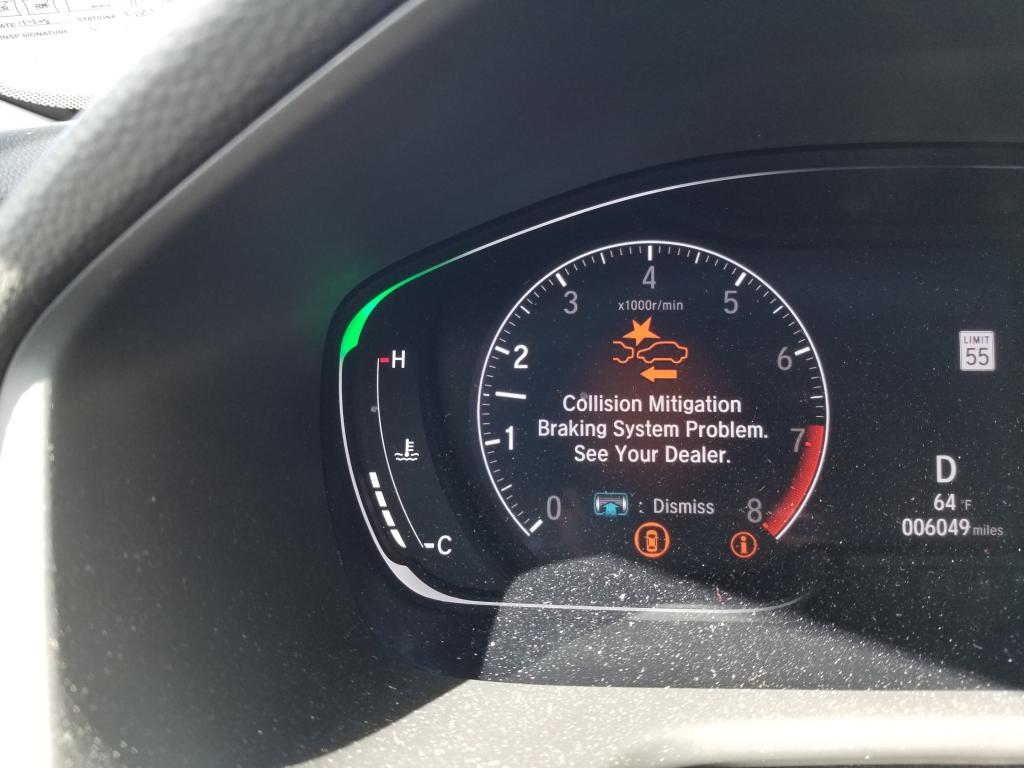
Dashboard warning lights and visible fluid leaks are critical indicators that demand immediate attention for any Honda Accord owner. Understanding what these signals mean is essential for maintaining safety and preventing catastrophic failures.
Interpreting Warning Lights
- ‘ABS Warning Light’: An illuminated yellow or amber ABS light indicates a fault within the Anti-lock Braking System. While the vehicle’s conventional brakes may still function, the ABS function itself – preventing wheel lock-up during hard braking – is disabled. Common causes include faulty wheel speed sensors (often triggered by dirt, debris, or damage), issues with the ABS module, or a malfunction in the hydraulic control unit. For example, the ABS light illuminating intermittently on a wet road could suggest a dirty or failing wheel speed sensor struggling to read wheel rotation accurately. Specialized diagnostic tools are typically required to read Honda’s specific Diagnostic Trouble Codes (DTCs) for precise ABS fault identification.
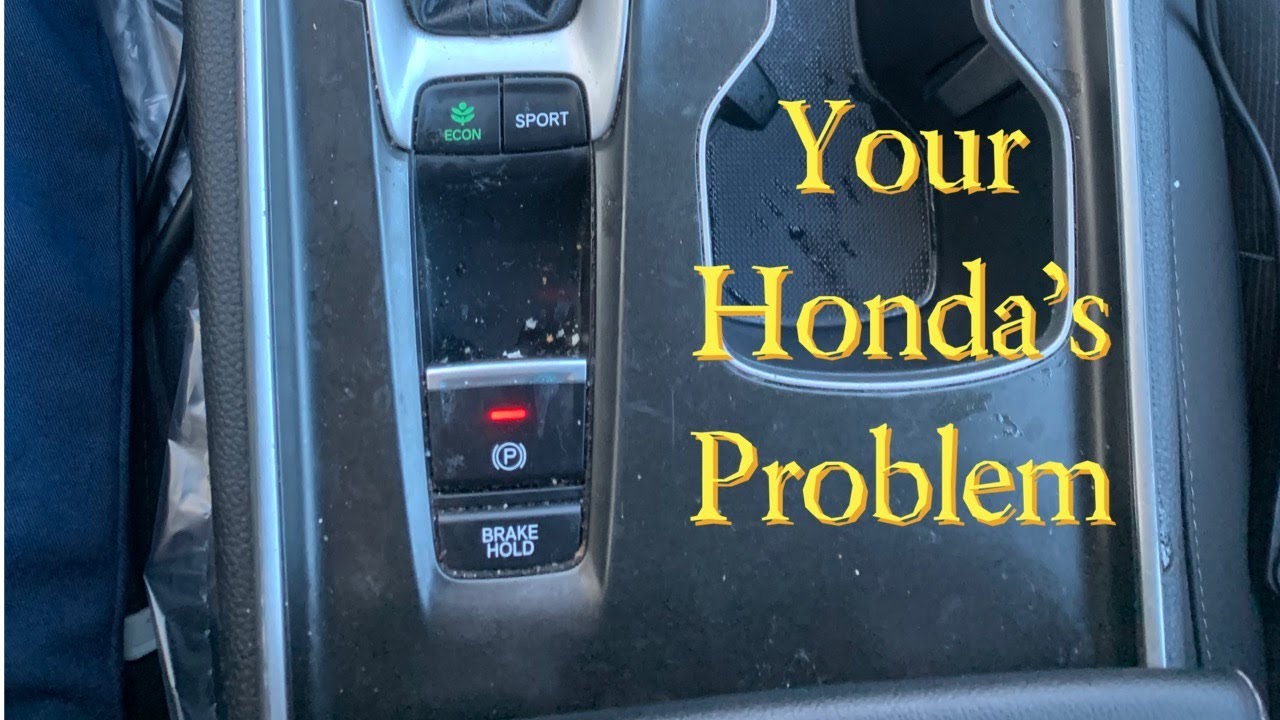
- ‘Brake System Warning Light’ (often red): This red light is a critical safety indicator. It signals a severe problem with the primary braking system. Potential causes include a low brake fluid level (often due to a leak or severely worn pads), an engaged parking brake, or a critical hydraulic system pressure loss. If this light illuminates while driving, it means your braking ability is severely compromised. Check the parking brake first. If it’s disengaged, immediately inspect the brake fluid reservoir.
Detecting and Addressing Brake Fluid Leaks
Brake fluid leaks represent a direct and immediate threat to your vehicle’s stopping power. Identifying the source and addressing it promptly is paramount.
- Identifying the Source: Leaks can originate from several points:
- Caliper: Often due to worn piston seals or damaged bleed screws. Discovering a reddish-brown fluid puddle near the wheel typically confirms a leaking caliper or brake hose.
- Brake Line: Corrosion or physical damage can compromise metal lines or flexible hoses.
- Master Cylinder: Leaks can occur at the reservoir seal or internally past the pistons, leading to a spongy pedal without external fluid loss.
- Fluid Characteristics: Brake fluid is typically clear to light amber when new, but it darkens with age and contamination. It has an oily, slippery feel but is less viscous than motor oil and has a distinctive, slightly chemical smell. Honda Accord models typically specify DOT 3 or DOT 4 brake fluid, known for their specific boiling points (e.g., DOT 3 minimum 401°F dry, 284°F wet).
- Risks of Contaminated Fluid: Beyond external leaks, brake fluid absorbs moisture over time, which lowers its boiling point. This can lead to “vapor lock” under heavy braking, where the fluid boils, creating compressible gas bubbles and a sudden loss of pedal pressure.
Never drive your Honda Accord with an illuminated red Brake System Warning Light unless you are certain it is only due to the parking brake. A loss of brake fluid or hydraulic pressure is a severe safety hazard that necessitates immediate vehicle stoppage and professional assessment. Attempting to drive in this condition can lead to total brake failure.
Preventative Maintenance and Professional Resolution for Honda Accord Brake Issues
Maintaining your Honda Accord’s brake system is not merely about reactive repairs; it demands a proactive approach. Understanding preventative measures and knowing when to seek professional expertise are crucial for ensuring safety and longevity.
Proactive Maintenance Schedule
A well-executed maintenance schedule can significantly extend the life of your brake components and prevent costly emergency repairs. This is the cornerstone of effective brake system solution and troubleshooting.
- Regular Brake Inspections: Have your brakes inspected by a qualified technician every 10,000 to 15,000 miles or annually. This includes checking pad thickness, rotor condition (for runout and thickness), caliper function, and brake fluid levels and condition. Early detection of wear can prevent compound failures.
- Timely Brake Pad and Rotor Replacement: Adhere to recommended service intervals or replace components as soon as wear indicators activate. Delaying replacement when pads are low leads to rotor damage and higher repair costs.
- Periodic Brake Fluid Flushes: Brake fluid is hygroscopic, meaning it absorbs moisture. This reduces its boiling point and can lead to internal corrosion. A brake fluid flush is typically recommended every 3 years or 45,000 miles for Honda Accord models. This preventative measure is far more cost-effective than addressing a seized caliper or a failing master cylinder due to neglected fluid. Comparing the average cost differences, a proactive brake fluid flush might cost $100-$150, while replacing a seized caliper due to corrosion from old fluid could cost $300-$600+.
- Caliper Guide Pin Lubrication: During pad replacement, ensure caliper guide pins are cleaned and re-lubricated with appropriate high-temperature grease. This prevents sticky calipers and promotes even pad wear.
Enhanced Safety
Regular maintenance ensures optimal stopping power and reliability, drastically reducing accident risk.
Cost Savings
Preventative measures mitigate the need for expensive emergency repairs and component replacements.
Extended Vehicle Lifespan
Well-maintained brakes contribute to the overall health and longevity of your Honda Accord.
Limitations of DIY and When to Seek Professional Service
While basic brake inspections and pad replacements can be DIY tasks for the mechanically inclined, the complex nature of modern brake systems often demands specialized tools and expertise. It is vital to understand these limitations. Issues like ABS module repair, precise bleeding procedures for systems with ABS/VSA, or diagnosing intermittent electrical faults require diagnostic scanners and specific knowledge that typically only a certified Honda technician possesses.
Guidelines for seeking professional service include:
- Sudden Loss of Braking Power: Any abrupt change in pedal feel or stopping capability is a critical emergency.
- Persistent Warning Lights: If the ABS or Brake System warning lights remain illuminated after basic checks, it signals a deeper issue requiring professional diagnostics.
- Severe Grinding or Pulling: These symptoms indicate immediate danger and necessitate professional intervention to prevent further damage or complete brake failure.
- Hydraulic System Failures: A failing master cylinder, as indicated by a sinking pedal, demands professional replacement and a precise bleeding process, often including the ABS modulator. This repair can cost $800-$1500+, emphasizing the importance of preventing such failures.
Always insist on OEM or equivalent quality parts for brake repairs. Subpar components can compromise performance and longevity, leading to premature failure and repeated issues. A professional repair ensures not only proper installation but also adherence to manufacturer specifications and safety standards.
By The Numbers
Miles for Brake Fluid Flush
Max Miles for Brake Pads
Inches Max Rotor Runout
Cost for ABS Module Replacement
The intricate nature of modern brake systems, especially those integrated with advanced safety features like ABS and VSA (Vehicle Stability Assist), means that a comprehensive diagnosis often requires specialized scanning tools and a deep understanding of electrical and hydraulic systems. While you can effectively troubleshoot many common issues, trusting a certified technician for complex problems is a prudent decision that prioritizes your safety and the longevity of your Honda Accord.
Early identification of symptoms like abnormal pedal feel, noises, or warning lights is crucial for Honda Accord brake system integrity. Understanding the specific cause, from worn components to hydraulic issues, is key to effective troubleshooting and repair. Proactive maintenance and knowing when to seek professional expertise are vital for ensuring the safety and longevity of your Honda Accord’s braking system. Do not compromise on safety. If you suspect any brake system problem with your Honda Accord, consult a certified technician promptly for a thorough diagnosis and professional repair.
Frequently Asked Questions
Why are my Honda Accord brakes squealing, and what should I troubleshoot first?
Brake squealing in a Honda Accord often indicates worn pads activating a wear indicator, glazed pads, or improper installation. Begin by visually inspecting pad thickness and rotor condition. If pads are thin, replacement is due. If thick, consider cleaning rotors and calipers, and applying anti-squeal compound to resolve the noise. Ensure proper lubrication of caliper guide pins.
How often should I replace brake fluid in my Honda Accord to prevent problems?
Honda generally recommends replacing brake fluid every 3 years or 45,000 miles for most Accord models, whichever comes first. This preventative maintenance is crucial because brake fluid is hygroscopic, absorbing moisture over time, which lowers its boiling point and can lead to corrosion in the hydraulic system, compromising braking performance and requiring costly repair.
What does a soft or spongy brake pedal in my Honda Accord typically diagnose?
A soft or spongy brake pedal in a Honda Accord typically diagnoses air trapped within the hydraulic lines, a critically low brake fluid level, or a failing master cylinder. Air compresses, reducing pedal firmness. A leaking master cylinder or a significant fluid leak elsewhere can also cause this symptom, necessitating immediate investigation and resolution.
Can I continue to drive my Honda Accord if the ABS light is on, and how should I resolve it?
While your base braking system will still function, driving with the ABS light on means the anti-lock braking system is disabled. This can compromise safety, especially during hard braking or on slippery surfaces. It’s advisable to have it diagnosed by a professional immediately. The problem could be a faulty wheel speed sensor, ABS module, or wiring, which requires specific tools to troubleshoot and repair.
What’s the average cost to replace brake pads and rotors on a Honda Accord?
The average cost to replace brake pads and rotors on a Honda Accord typically ranges from $300 to $600 per axle, depending on the model year, location, and parts quality (OEM vs. aftermarket). This solution includes parts and labor. Factors like rotor material (slotted/drilled), caliper condition, and additional services (e.g., fluid flush) can influence the final repair cost.