Best Years For Honda Civic: A Curated Selection For Reliability And Value
For decades, the Honda Civic has stood as a benchmark in the compact car segment, revered for its blend of reliability, efficiency, and surprising driving dynamics. However, with numerous generations and model years available on the used market, identifying the absolute ‘best years for Honda Civic’ that offer peak value and enduring quality can be a daunting task for prospective buyers. This article provides a curated, in-depth analysis, ranking the most popular and essential Honda Civic model years, detailing their strengths, common considerations, and expert advice to guide your next vehicle purchase.
Understanding the Honda Civic’s Legacy and Key Considerations for Selection


📤 Share Image
The Honda Civic has cultivated an almost mythical reputation within the automotive industry, not by chance, but through Honda’s unwavering commitment to foundational engineering principles. At its core, the Civic embodies a philosophy of meticulous design, efficient packaging, and robust mechanicals. This dedication manifests in innovations like the Variable Valve Timing and Lift Electronic Control (VTEC) engine technology, a hallmark of efficiency and performance that has defined many generations. This consistent quality has cemented the Civic’s renowned durability and widespread appeal, earning its perpetual placement in ‘best value’ car lists by leading automotive publications.
When evaluating a ‘best’ year for a used Honda Civic, several critical factors come into play beyond initial purchase price. We meticulously consider long-term reliability, which directly impacts the ownership experience. Equally important are maintenance costs, where the Civic consistently shines with affordable parts and straightforward service requirements. Fuel efficiency remains a perennial priority for compact car buyers, and the Civic has historically set benchmarks in this regard. Furthermore, we assess safety ratings, reflecting advancements in structural design and passive/active safety features, and the ever-important resale value.
The Honda Civic’s consistent performance as a top-selling compact car globally underscores the importance of informed purchasing decisions. Its higher-than-average resale value, typically retaining around 60% of its original value after three years – a figure that often surpasses segment competitors – makes it a smart long-term investment. Data from entities like J.D. Power consistently highlights Honda models for their historical reliability, lending credence to the brand’s enduring reputation. This article provides a curated selection of years, an essential collection that reflects both market demand and real-world ownership experiences, ensuring you make a confident choice from this highly popular vehicle.
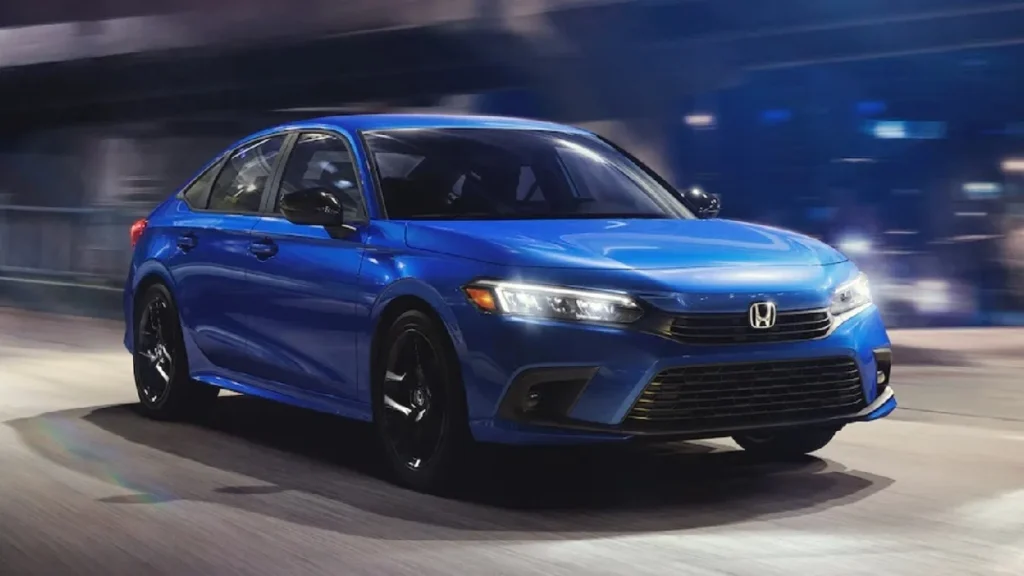
The Seventh Generation (2001-2005): A Foundation of Unwavering Dependability


The seventh-generation Honda Civic, spanning model years 2001 to 2005, represents an essential chapter in the Civic’s legacy, particularly for those prioritizing robust build quality and cost-effectiveness. This generation laid a solid foundation for dependability, making it a continuously popular and affordable choice in the used car market.
Under the hood, most models featured the 1.7-liter D17 engine, known for its remarkable longevity and excellent fuel economy. For enthusiasts, the Si model introduced the potent 2.0-liter K20A3 engine, which, while detuned from its Japanese counterpart, still delivered a spirited driving experience and a performance benchmark for the era. The reputation for these powertrains largely revolves around their ability to withstand high mileage with proper maintenance. Average fuel economy figures typically ranged from 28-35 MPG combined, a highly competitive number for its time.
The interior and exterior design of the seventh-gen Civic emphasized functional simplicity. While not groundbreaking, its practical approach resonated with a broad audience looking for an unassuming yet reliable daily driver. This generation is often praised for its low ownership costs and ease of maintenance, with estimated annual maintenance costs averaging around $350-$450, based on industry data. This makes it a highly recommended selection for budget-conscious buyers.
However, it’s a must-know that specific issues did emerge. Early models (2001-2003) equipped with the automatic transmission were prone to premature failure, a common pitfall that Honda later addressed. Additionally, headlight hazing due to UV exposure is a frequent cosmetic concern. When considering this generation, the 2004-2005 models are generally refined, having benefited from mid-cycle updates and improved transmission reliability.
The availability of various trims—DX, LX, EX, and Si—provided a curated overview for different driver needs, from basic transportation to a more engaging, sport-oriented experience. This generation’s ability to consistently deliver basic, reliable transportation cemented its place as a cornerstone of the Civic’s enduring appeal.
✅ Pros
- Exceptional long-term reliability and durability
- Excellent fuel economy (28-35 MPG combined)
- Low annual maintenance costs ($350-$450)
- Simple, functional design and ease of repair
- Affordable purchase price on the used market
❌ Cons
- Potential for automatic transmission failure in 2001-2003 models
- Common headlight hazing
- Dated interior technology by modern standards
- Some find ride quality a bit stiff
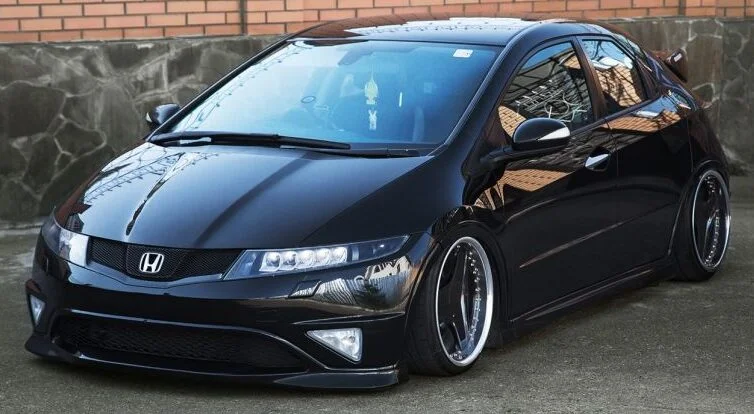
The Eighth Generation (2006-2011): Balancing Progressive Design and Proven Performance


The eighth-generation Honda Civic, produced from 2006 to 2011, marked a significant departure in design, presenting a bold, futuristic aesthetic that garnered both admiration and debate. Its distinctive ‘spaceship’ interior design, characterized by a multi-tiered dashboard and digital speedometer, aimed to improve driver ergonomics and passenger comfort, truly setting it apart in the compact segment. This generation is often ranked highly for its driver engagement, blending modern aesthetics with Honda’s renowned performance pedigree.
Under the hood, non-Si models featured the 1.8-liter R18A i-VTEC engine, delivering a commendable balance of power (140 hp) and efficiency. The Si models, a highlight of this generation, were powered by the high-revving 2.0-liter K20Z3 engine, producing 197 hp and offering an exhilarating driving experience that solidified its status among performance enthusiasts. These powertrains, when maintained, proved robust and reliable, contributing to the Civic’s enduring appeal.
However, it’s a must-know for prospective buyers that this generation had a widely documented issue: engine block cracking in early R18 models (2006-2009). This significant flaw, often manifesting as a coolant leak, led to extended warranty coverage and a class-action lawsuit. While many affected vehicles have since been repaired, a thorough inspection of the engine block is essential for any pre-2010 R18-powered Civic. Another common issue was clear coat degradation on certain paint colors, particularly darker hues, which affects the vehicle’s aesthetic appeal.
For 2006-2009 Honda Civic models equipped with the 1.8L R18A engine, a critical defect involved engine block cracking, leading to coolant leaks. While many were repaired under warranty, a comprehensive Pre-Purchase Inspection (PPI) to specifically check the engine block for signs of cracks or previous repair is absolutely essential. Verify recall data for specific VIN ranges to ensure any outstanding issues were addressed.
Despite this significant caveat, the eighth-generation Civic also brought significant improvements in safety. Its advanced compatibility engineering (ACE) body structure contributed to strong safety ratings for the period, achieving 5-star frontal impact ratings from NCAP. The later models, particularly the 2009-2011 models, are generally considered a more resolved package, with fewer prevalent issues and a proven track record. This generation is a highly recommended selection for those seeking a balance of modern design, engaging dynamics, and Honda reliability, provided the engine block issue is thoroughly vetted.
The Ninth Generation (2012-2015): Rapid Refinement and Enhanced Connectivity
The ninth-generation Honda Civic, spanning 2012 to 2015, represents a period of rapid refinement and technological enhancement. Initially, the 2012 model year faced some criticism for its interior material quality and subdued styling compared to its predecessor. However, Honda responded with unprecedented swiftness, implementing significant interior and exterior design revisions for the 2013 model year. These revisions drastically improved material quality, overall aesthetics, and noise insulation, contributing to a more premium feel and making it an essential consideration for used buyers.
Powering most models was the refined 1.8-liter R18 engine, further optimized for efficiency and smooth operation. This generation also saw Honda’s continued commitment to fuel economy with the introduction of the more specialized HF (High Fuel Economy) and Hybrid models. The HF trim, in particular, offered impressive combined MPG figures, often reaching into the mid-30s, making it a practical selection for commuters. Standard models also saw improved combined MPG figures, typically ranging from 30-34 MPG.
A key strength of the ninth generation was the integration of modern technology, a feature that buyers increasingly prioritized. The introduction of the i-MID display provided a central hub for vehicle information, while standard Bluetooth connectivity and available navigation systems significantly enhanced the user experience. While minor infotainment glitches were reported, the overall technological suite was a marked improvement. The improved ride comfort and noise insulation also contributed to a more refined and enjoyable daily drive compared to the prior generation.
Rapid Refinement
Significant interior and exterior updates post-2012, vastly improving material quality and aesthetics.
Enhanced Fuel Economy
Refined R18 engine and introduction of HF/Hybrid models, offering 30-34 MPG combined for standard models.
Modern Connectivity
Standard Bluetooth and available i-MID display and navigation, enhancing user convenience.
Consumer reports data on satisfaction scores notably improved post-redesign, confirming the positive impact of Honda’s swift response. For buyers seeking a modern, reliable, and technologically capable compact car without the higher price tag of the newest models, the 2013-2015 Civic models are highly recommended. They offer an excellent balance of refinement, efficiency, and value, standing out as a strong selection in the used market.
The Tenth Generation (2016-2021): Innovation, Performance, and Driver Engagement
The tenth-generation Honda Civic (2016-2021) was nothing short of a revolution for the nameplate. Built on a new global platform, it redefined the compact car segment with its dynamic driving experience, sophisticated styling, and an array of cutting-edge features. This generation is often ranked as a top modern choice, combining performance with practicality.
A major highlight was the introduction of the new turbocharged 1.5-liter VTEC Turbo engine, available in higher trims. This powerplant delivered impressive performance (174-180 hp and ample torque) alongside excellent fuel efficiency, providing a lively yet economical driving experience. Base models retained a robust naturally aspirated 2.0-liter engine. The platform’s rigidity and refined suspension contributed to a significantly more engaging and comfortable ride, making every journey more enjoyable.
Safety took a monumental leap forward with the widespread availability of the Honda Sensing suite of safety and driver-assist technologies. Features like Collision Mitigation Braking System, Road Departure Mitigation System, Adaptive Cruise Control, and Lane Keeping Assist System made these years particularly strong for safety-conscious buyers. This comprehensive suite helped the tenth-gen Civic consistently achieve NCAP 5-star overall safety ratings, solidifying its reputation as a safe and reliable choice.
Infotainment also saw significant advancements, with touchscreens becoming standard and the widespread availability of Apple CarPlay and Android Auto. This integration made the Civic a highly popular and user-friendly option for drivers who rely on seamless smartphone connectivity. While early models (2016-2018) with the 1.5T engine experienced some well-documented oil dilution issues (primarily in colder climates and short-trip driving), Honda released software updates and engine component revisions that largely resolved these concerns by the 2019 model year and later.
The tenth generation also showcased the Civic’s breadth of capability with the introduction of the high-performance Type R and the continued refinement of the Si. These variants underscored Honda’s commitment to enthusiast drivers, offering distinct driving characteristics and making them a prized selection for those seeking thrill. With average residual values for 3-year-old models often around ~65%, the tenth-gen Civic represents an excellent blend of innovation, performance, and retained value. The later years of this generation are highly recommended.
By The Numbers: 10th Gen Civic
1.5T Engine Output
NCAP Safety Rating
3-Year Residual Value
Oil Dilution Resolved
Beyond Specific Years: Essential Buying Considerations for a Used Honda Civic
While identifying the best model years provides a strong starting point, the condition of any used vehicle is paramount. Regardless of the generation you choose, a diligent approach to inspecting and verifying the vehicle’s history is absolutely essential. This section outlines a must-know checklist for any prospective used Honda Civic buyer, ensuring a secure and informed purchase.
📋
Step-by-Step Guide to Buying a Used Civic
This is non-negotiable. Have a trusted, independent mechanic—preferably one familiar with Honda vehicles—thoroughly inspect the car. They can uncover hidden issues like structural damage, fluid leaks (oil, coolant, transmission fluid), suspension wear, or engine/transmission problems that might not be obvious to the untrained eye. This is a truly essential step.
Request detailed service records. Look for consistent oil changes, transmission fluid services, and records of major component replacements (e.g., timing belt if applicable, typically around 100,000 miles for older models). Utilize a VIN decoder for a comprehensive CarFax or AutoCheck report to verify accident history, title status, and odometer readings. Detailed records are critical for assessing long-term care.
Examine suspension components (bushings, shocks/struts) for leaks or excessive play. Check brake system integrity, including rotor wear and pad thickness. Assess tire condition for even wear and adequate tread depth. Critically, inspect for rust, especially on chassis components, subframes, and wheel wells, as this can indicate neglect or structural compromise, particularly in regions with harsh winters.
During the test drive, pay close attention to engine performance (smooth acceleration, no hesitation), transmission smoothness (no harsh shifts or slipping), and steering feel (no excessive play or pulling). Listen for unusual noises (clunks, squeaks, grinding), and feel for vibrations at various speeds. Test all electrical components, including infotainment, AC, and power windows. This thorough evaluation is a must-know step to ensure driver satisfaction.
Even the best used Civics may require minor repairs or preventative maintenance after purchase. Budgeting an additional $500-$1000 for immediate needs like fresh fluids, new brake pads (average cost $250-$400 per axle), or tire rotation can save you from unexpected surprises and ensure your new-to-you Civic starts its life with you on the right foot.
By adhering to this comprehensive checklist, you can confidently navigate the used car market and secure a reliable, high-value Honda Civic from any of the recommended generations. This diligent approach is critical to ensuring your chosen Civic provides years of trouble-free service, reinforcing why the model remains a perennial favorite.
The Honda Civic’s legacy of reliability and value spans multiple generations, offering excellent choices from early 2000s to recent models. Key generations like the 7th, 8th, 9th, and 10th each present unique benefits in terms of dependability, performance, and technological features. Thorough pre-purchase inspection, review of service records, and a comprehensive test drive are critical for securing a reliable used Civic, regardless of the chosen year. Armed with this detailed knowledge, confidently navigate the used car market to find the Honda Civic that best fits your needs. Consult your trusted mechanic and conduct a thorough inspection before making your final decision.
Frequently Asked Questions
What is the most reliable Honda Civic year?
While many years offer strong reliability, the 7th Generation (2001-2005), particularly 2004-2005 models, and the 9th Generation (2012-2015), especially 2013-2015 models, are frequently cited for their exceptional dependability and minimal common issues. These years often represent a refined iteration within their respective generations, benefiting from earlier design rectifications and proven powertrain components.
Are older Honda Civics still good daily drivers?
Absolutely. Older Honda Civics, particularly those from the 7th and 8th generations, remain excellent daily drivers due to their fundamental reliability, fuel efficiency, and low cost of ownership. With proper maintenance, these vehicles can easily accumulate hundreds of thousands of miles. While they may lack modern infotainment, their mechanical robustness makes them a practical and economical choice for daily commuting.
What common problems should I look for in a used Honda Civic?
Key issues vary by generation. For 7th Gen (2001-2003), watch for automatic transmission issues. 8th Gen (2006-2009 R18 engine) can have engine block cracks and clear coat peeling. Later 10th Gen (2016-2018 1.5T engine) initially faced oil dilution concerns, largely resolved by 2019. Always check for rust, suspension wear, and ensure all electronics function correctly during a pre-purchase inspection.
How does the Honda Civic Si compare to standard models?
The Honda Civic Si is a performance-oriented variant, offering a significantly more engaging driving experience than standard Civic models. It features a more powerful engine, sport-tuned suspension, larger brakes, a limited-slip differential (in later generations), and more aggressive styling. While it retains the Civic’s reliability, the Si is designed for enthusiasts prioritizing driver feedback and spirited performance over maximum fuel economy.
Is the Honda Civic a good car for first-time buyers?
Yes, the Honda Civic is consistently an excellent choice for first-time buyers. Its reputation for reliability means lower repair costs and fewer unexpected breakdowns. It’s fuel-efficient, easy to drive and park, and parts are readily available and affordable. Furthermore, its strong safety ratings across generations and manageable insurance costs contribute to a stress-free ownership experience, making it a highly recommended entry-level vehicle.