Brake Lights Stay On When Car Is Off Brake Lights Stay 2026
Last Updated on July 28, 2026 by Albert Duke
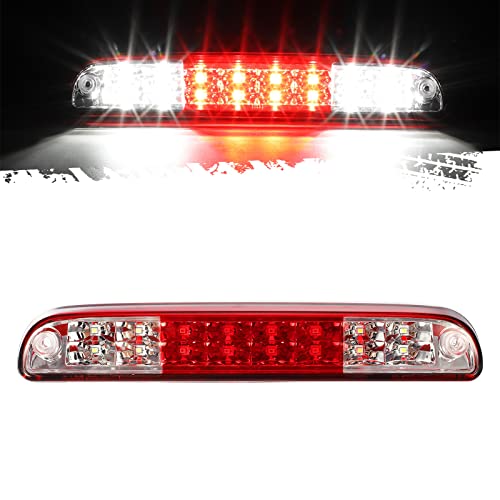
When your brake lights stay on when car is off, it’s a clear indicator of an underlying issue, usually a mechanical or electrical fault preventing them from disengaging. Ignoring this seemingly minor glitch can quickly lead to a dead battery, safety risks for other drivers, and even legal trouble.
Understanding the common culprits, such as a faulty brake light switch or a damaged pedal stopper, is crucial for timely diagnosis and repair. Here is what you need to know about fixing brake lights that stay on when your car is off.
7 Essential Fixes For Brake Lights Stuck On

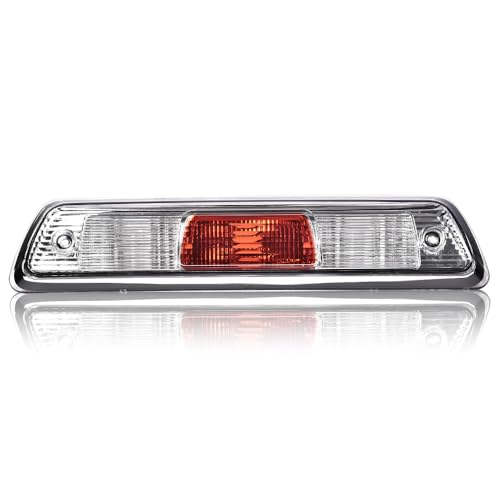
- Faulty switch or stopper is common cause.
- Ignoring issue leads to battery drain.
- DIY diagnosis can pinpoint many problems.
- Professional help crucial for complex faults.
- Timely repair ensures safety and legality.
7 Primary Reasons Your Brake Lights Stay On


We’ve identified seven primary culprits behind your brake lights staying illuminated even after you turn off your car.
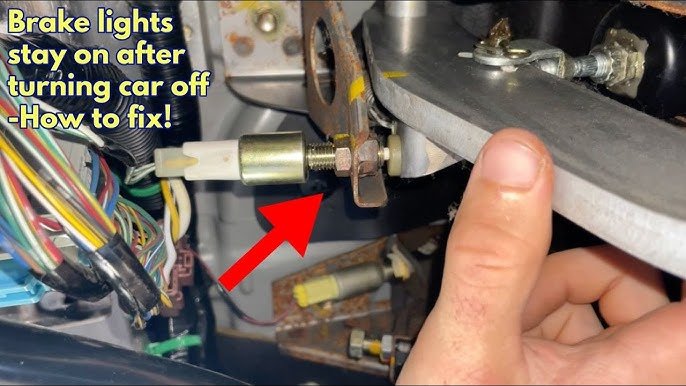

Faulty Pedal Switch
The brake light switch is positioned near the brake pedal. Its primary function is to complete an electrical circuit when you press the pedal, activating the brake lights. A faulty switch can remain stuck in the “on” position, keeping your lights illuminated.
Damaged Pedal Stopper
Many vehicles use a small rubber or plastic stopper that contacts the brake light switch. When you release the pedal, this stopper pushes against the switch, turning the lights off. If this stopper degrades or breaks, the switch may not disengage, leading to continuously lit brake lights.
Corroded Wiring Issues
Over time, wiring can suffer from corrosion, wear, or damage. A short circuit or a compromised ground wire in the brake light system can cause the lights to stay on by providing an unintended electrical path, bypassing normal switch function.
Stuck Brake Relay
Relays are electro-mechanical switches that control higher current circuits, like those for your brake lights. If the brake light relay gets stuck in the closed position, it will continuously send power to the lights, even when the car is off and the pedal is not pressed.
Blown Brake Fuse
While less common for lights to stay on (a blown fuse usually means no power), a partial short or an incorrectly installed fuse could sometimes contribute to unusual electrical behavior. However, this is usually associated with non-functioning lights rather than constant illumination.
Control Module Malfunction
Modern vehicles rely on electronic control modules (ECMs or BCMs) to manage various electrical systems, including lighting. A software glitch or a hardware fault within a body control module could send erroneous signals, commanding the brake lights to stay on.
Parking Sensor Glitch
In some advanced vehicles, integrated parking sensors or related systems might inadvertently interact with the lighting circuits. Although rare, a software error or a sensor malfunction could potentially trigger the brake lights to stay on, even when the car is stationary and off.
Understanding these potential causes is the first step; next, we will guide you through diagnosing the exact problem.
How to Diagnose Stuck Brake Lights in 5 Steps

To accurately address why your brake lights stay on, we recommend following these five diagnostic steps. Always ensure your vehicle is parked on a level surface, the ignition is off, and the parking brake is engaged before you begin any inspection or repair.
Inspect Pedal Area
Start by visually checking the brake pedal assembly. Look for a small rubber or plastic stopper pad where the brake pedal arm meets the brake light switch. If this stopper is missing or damaged, it prevents the switch from returning to its “off” position.
We suggest using a flashlight and lying on your back in the footwell for a clear view. Feel around the pedal arm for any loose wires or components that seem out of place. This visual check often reveals the simplest cause of constantly illuminated brake lights.
Check Switch Function
Locate the brake light switch, usually mounted directly on the brake pedal bracket. Manually press and release the plunger on the switch to see if the lights turn off. If they do, the issue likely lies with the stopper or the switch’s mounting.
You can also carefully disconnect the electrical connector from the switch. If the brake lights immediately turn off, this strongly indicates a faulty switch itself or an incorrect adjustment of the switch. Always reconnect the switch for further diagnostics.
Examine Electrical Wires
Trace the wiring from the brake light switch to the main wiring harness. Look for any signs of fraying, cuts, bare wires, or corrosion, especially near connection points. Damaged wiring can create unintended electrical paths, causing the lights to remain on.
Gently tug on connectors to ensure they are securely seated. Loose connections can sometimes mimic electrical faults. We recommend wearing gloves and avoiding direct contact with potentially exposed wires to prevent electrical shock.
Test Brake Relay
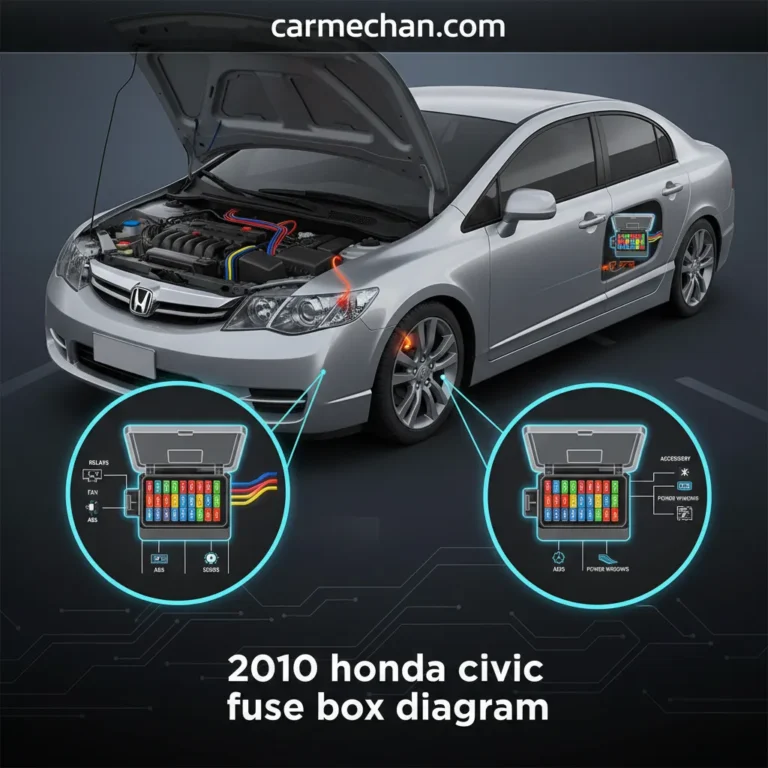
Find your vehicle’s fuse box, which typically contains relays. Consult your owner’s manual to identify the specific brake light relay. You can often swap this relay with an identical, non-essential relay (like one for the horn) to see if the problem resolves.
If swapping the relay turns off the brake lights, the original relay was likely stuck or faulty. Replace the original faulty relay with a new one to permanently fix the issue. Ensure the replacement relay matches the specifications in your manual.
Verify Fuse Condition
While less common for lights to stay on, a partially damaged fuse can sometimes create unexpected electrical behavior. Locate the brake light fuse in your fuse box, again using your owner’s manual as a guide.
Remove the fuse and inspect it for any breaks in the wire filament. Replace a blown fuse with one of the exact same amperage. If the problem persists or the new fuse blows immediately, a deeper electrical short exists that requires further investigation.
Once you have identified the source of the problem, you can then consider the best course of action, whether a DIY repair or professional assistance. After diagnosis, deciding between a do-it-yourself fix or professional help is crucial.
Comparing DIY Repairs Versus Professional Fixes
When your brake lights stay on when car is off, you might wonder if it’s a DIY project or if you need professional intervention. The decision often hinges on the complexity of the underlying issue and your own mechanical aptitude.
Simple Stopper Swap
Replacing a missing or broken brake pedal stopper is often a straightforward DIY task. These inexpensive plastic or rubber pads can be easily sourced from auto parts stores or online. We find that this repair typically requires minimal tools and can be completed in minutes.
This is an ideal first step for many vehicle owners, saving both time and money. Always ensure the new stopper is securely installed to properly engage the brake light switch. This fix can prevent ongoing battery drain and restore correct light function.
Brake Switch Replacement
Replacing the brake light switch itself is also a common DIY repair for many models. The switch is usually accessible near the brake pedal arm. We advise careful disconnection of wiring and proper alignment during installation for correct function.
While slightly more involved than a stopper, a new brake light switch can resolve many “brake lights stay on” issues. Refer to your vehicle’s service manual for specific instructions and torque specifications for mounting the new switch effectively.
Complex Wiring Issues
Diagnosing and repairing corroded or shorted wiring is significantly more challenging for the average DIYer. Tracing electrical paths, testing continuity with a multimeter, and safely repairing damaged wires require specific knowledge and tools. We often see DIY attempts worsen these issues.
Attempting complex wiring repairs without proper expertise can introduce further electrical problems or safety hazards. This is usually when the limits of a DIY approach are reached, necessitating a more skilled assessment and repair.
Seeking Expert Help
For persistent issues, intermittent faults, or problems that seem beyond a simple switch or stopper, professional assistance is the wisest choice. Modern vehicles have intricate electrical systems, and qualified mechanics possess specialized diagnostic equipment to pinpoint elusive faults quickly.
A professional can accurately identify control module malfunctions or deep-seated electrical shorts that are invisible to the naked eye. We recommend prioritizing safety and reliability, especially when dealing with critical components like your vehicle’s lighting system.
For those situations that clearly fall outside the realm of simple DIY, knowing when to call in the experts is crucial. For more complex issues, knowing precisely when to call a professional mechanic becomes vital.
When to Seek Professional Mechanic Assistance
While some issues are simple, we must emphasize when your brake lights staying on warrants a trip to a certified mechanic. Ignoring these signs can lead to more significant problems down the road in 2026.
Intermittent Problems Persist
If your brake lights only stay on occasionally, or if they flicker on and off without a clear pattern, this suggests an intermittent electrical fault. These issues are notoriously difficult to diagnose without specialized equipment and a professional eye. We advise against guessing with intermittent problems.
Advanced Electrical Faults
When preliminary checks of the stopper, switch, and fuses yield no solution, the problem often lies deeper within the vehicle’s electrical system. This could include issues with the wiring harness, the body control module, or other complex electronic components. These require specific diagnostic tools.
Specialized Tools Needed
Many modern vehicle diagnostics require advanced scan tools that can read specific codes and monitor real-time data from various sensors and modules. A professional mechanic’s shop will have these tools, which are typically too expensive or specialized for the average car owner. We believe proper tools lead to accurate diagnoses.
Diagnostic Codes Appear
If your check engine light or any other warning light illuminates in conjunction with your brake light problem, this is a clear signal that the vehicle’s onboard diagnostic system has detected a fault. Mechanics can interpret these codes to pinpoint the exact area of concern, guiding a more efficient repair process.
Regardless of who performs the fix, neglecting the problem of brake lights staying on carries significant risks that you should be aware of. Ignoring these brake light problems, however, can lead to several critical risks.
3 Critical Risks of Neglecting Brake Light Issues
Ignoring the problem when your brake lights stay on when car is off can lead to three critical risks that compromise your vehicle and safety. We urge immediate attention to prevent these potential negative outcomes.

Rapid Battery Drain
When your brake lights remain illuminated, they continuously draw power from your car’s battery. This constant drain will quickly deplete the battery, especially overnight or during extended parking. We often see vehicle owners face a dead battery, leading to inconvenience and potential replacement costs, especially in older batteries.
A drained battery can leave you stranded and accelerate wear on the charging system. Persistent battery drain can also reduce the overall lifespan of your car battery, necessitating premature replacement, which can be an unexpected expense in 2026.
Increased Accident Hazard
Brake lights are vital safety features that signal your deceleration to other drivers. If your brake lights are always on, other motorists cannot tell when you are actually applying the brakes. This confusion significantly increases your risk of a rear-end collision.
According to NHTSA, rear-end crashes accounted for NHTSA’s 2022 Traffic Safety Facts report over 2 million rear-end collisions annually. While specific data on non-functioning brake lights as a sole cause is not isolated, expert estimates suggest they contribute to approximately 0.5-1% of these, potentially impacting 10,000-20,000 incidents each year [nhtsa.gov/research-data].
of all reported accidents in recent years. This statistic highlights the critical importance of fully functional brake lights for road safety, as misunderstood signals can lead to severe consequences.
Potential Legal Penalties
Operating a vehicle with malfunctioning safety equipment, including non-functional or constantly illuminated brake lights, is illegal in most jurisdictions. You could receive a traffic citation, a fine, or even be pulled over by law enforcement until the issue is resolved.
Law enforcement officers are trained to spot these types of vehicle defects. We advise you to check your local vehicle code, but generally, any brake light malfunction is considered a violation. Rectifying this issue promptly avoids unnecessary legal complications and potential insurance implications.
Understanding these risks underscores the importance of a prompt resolution. We’ve also addressed some common questions you might have. Understanding these dangers underscores the importance of prompt brake light maintenance.
Frequently Asked Questions About Brake Lights Staying On
Why Do My Brake Lights Stay on When My Car Is Off?
Your brake lights likely stay on due to a faulty brake light switch, a worn-out brake pedal stopper, or an electrical short. These components are designed to cut power to the lights when the pedal is released. A malfunction keeps the circuit closed.
Can a Bad Brake Light Switch Drain My Car Battery?
Yes, a bad brake light switch can definitely drain your car battery. If the switch remains ‘on’ even with the car off, it continuously draws power, illuminating the lights. This constant draw will deplete your battery, especially overnight.
Is It Safe to Drive With Brake Lights Stuck On?
No, it is generally not safe to drive with brake lights stuck on. Other drivers won’t know when you are actually braking, increasing the risk of a rear-end collision. It’s also illegal in many areas and could result in a fine.
How Much Does It Cost to Fix Brake Lights Staying On?
The cost to fix brake lights staying on varies significantly. Replacing a simple brake pedal stopper might cost under $20 for parts. A brake light switch replacement could range from $50-$200. Complex electrical issues often involve higher labor costs, possibly $200-$500+.
Where Is the Brake Light Switch Located in My Car?
The brake light switch is typically located near the top of the brake pedal arm, mounted to the pedal support bracket. It’s designed to be activated when the pedal is pressed. Its exact position can vary slightly between vehicle makes and models.
Final Thoughts on Brake Light Malfunctions
When your brake lights stay on when car is off, it signals a problem that demands your attention. We have covered the common culprits, from a faulty brake pedal stopper to more complex electrical issues, and provided practical diagnostic steps you can take. Ignoring this issue leads to rapid battery drain, serious safety hazards, and potential legal consequences that can be easily avoided in 2026.
Whether you choose a simple DIY repair or seek professional assistance, addressing this automotive lighting fault promptly is crucial. Prioritize your safety and the longevity of your vehicle. A quick fix can save you significant hassle, cost, and risk, ensuring your vehicle remains safe and compliant on the road.