Where Is The Genesis Car Made Where Is Genesis Car 2026
Last Updated on September 1, 2026 by Albert Duke
Genesis cars are primarily made in South Korea, specifically within Hyundai Motor Company’s advanced manufacturing facilities. These luxury vehicles benefit from the automotive infrastructure and quality control processes established by their parent company.
The question ‘where is the Genesis car made’ has a clear and definitive answer: primarily in South Korea. Genesis, Hyundai Motor Group‘s luxury vehicle division, leverages the extensive manufacturing expertise of its parent company. These sophisticated automobiles are a testament to South Korea’s advanced automotive industry.
As a premium marque, Genesis combines innovative design with high-performance engineering. This article provides a comprehensive overview of Genesis’s manufacturing origins and specific production locations for 2026. We will explore the key facilities responsible for crafting these luxury vehicles, offering insight for prospective buyers and automotive enthusiasts alike.
We will now explore the specific facilities responsible for bringing these luxury vehicles to life.
Key Takeaways



- Genesis cars are manufactured in South Korea.
- Key plants include Ulsan and Asan facilities.
- Production locations often vary by specific Genesis model.
- Hyundai’s engineering prowess underpins Genesis quality.
- Genesis maintains high luxury automotive standards.
What Are 3 Primary Genesis Manufacturing Plants?



Several state-of-the-art facilities across South Korea are instrumental in the production of Genesis vehicles. These plants are part of Hyundai Motor Group’s vast industrial complex, renowned for its efficiency and technological integration.


Ulsan Plant Overview
The Hyundai Motor Company’s Ulsan plant stands as the world’s largest integrated automobile manufacturing facility. It plays a significant role in Genesis production, particularly for various sedans and SUVs. The Ulsan complex boasts dedicated production lines.
This immense facility allows for flexible manufacturing processes, accommodating both high-volume Hyundai models and the more meticulously crafted Genesis vehicles. Its sheer scale ensures a supply chain and advanced assembly capabilities.
Asan Plant Details
The Asan plant is another crucial site for Genesis, often specializing in specific luxury sedan models. This facility is known for its highly automated production lines and stringent quality control measures. The Asan plant’s capacity allows for the efficient production of premium vehicles.
It focuses on precision engineering and finishes, vital for the luxury segment Genesis occupies. are often cited as prime examples of Asan’s output. for these facilities confirm their pivotal roles.
Advanced South Korean Production
Beyond Ulsan and Asan, other sophisticated South Korean facilities within the Hyundai Motor Group ecosystem contribute to Genesis. These might include specialized engine and transmission plants, ensuring proprietary components meet Genesis’s high standards. The entire network benefits from significant investment in R&D and advanced manufacturing technologies.
Understanding the core manufacturing sites is just the beginning; next, we which specific Genesis models are produced at these locations.
What Genesis Models Are Built Where?


While sharing common manufacturing roots, specific Genesis models often have dedicated production lines or primary assembly plants. This specialization ensures optimized processes for each vehicle type, from compact sedans to full-size SUVs and their electrified counterparts.
G70 Production Sites
The sporty Genesis G70 sedan is primarily manufactured at facilities designed for agile, performance-oriented vehicles. has been a key location for its assembly. This ensures consistent quality and performance benchmarks.
Production lines are configured to handle the G70’s unique chassis and powertrain requirements. The emphasis is on dynamic capabilities and a driver-focused experience.
GV70 Assembly Locations
The popular Genesis GV70 luxury compact SUV sees its primary assembly in different specialized plants. Its production involves careful integration of advanced safety features and premium interior materials. handles a significant portion of its build.
The GV70, along with its electrified sibling, also benefits from lines equipped for complex SUV architecture. These facilities maintain high standards for both combustion engine and electric vehicle assembly.
GV80 Manufacturing Hubs
As the flagship SUV, the Genesis GV80 requires dedicated manufacturing attention to its platform and luxurious appointments. is a central hub for GV80 production. This plant focuses on large SUV assembly.
Other models, such as the G80 and G90 sedans, and electric variants like the Electrified G80 and GV60, are also strategically allocated. indicates a shift towards specialized EV production facilities. Genesis leverages Hyundai’s extensive infrastructure, adapting lines for diverse model production as needed.
Beyond the ‘where,’ the ‘how’ of production, deeply tied to South Korea’s automotive heritage, plays a vital role in Genesis’s luxury standing.
Why Is South Korea Crucial for Genesis Quality?
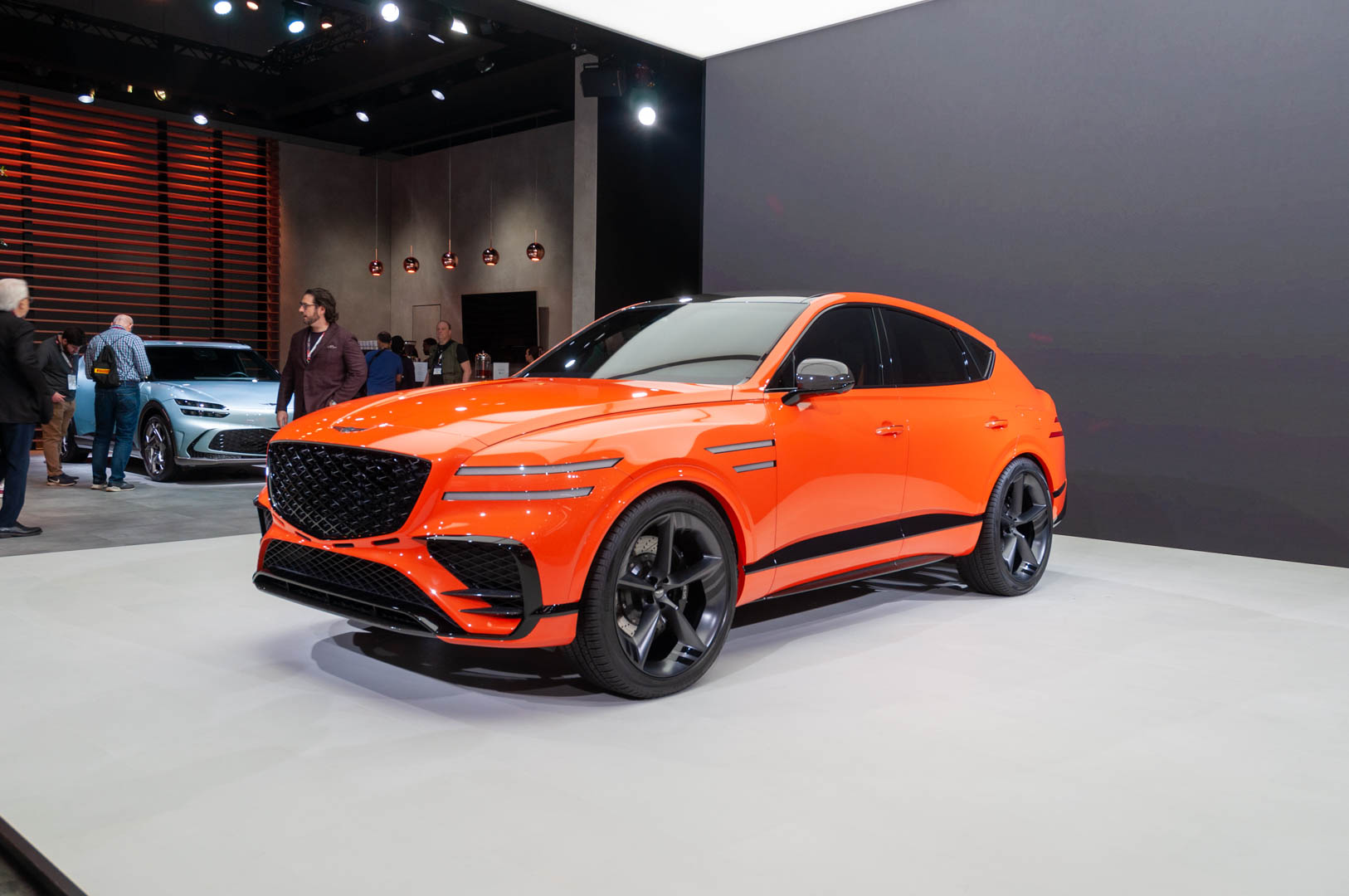
South Korea’s mature automotive industry and Hyundai’s engineering prowess are foundational to Genesis’s reputation for quality and luxury. This strategic geographic placement offers distinct advantages for a premium brand.
Hyundai Engineering Legacy
Genesis benefits directly from Hyundai Motor Group’s decades of experience in global automotive manufacturing and engineering. This legacy translates into sophisticated powertrain development, advanced vehicle platforms, and a deep understanding of automotive technology. Hyundai’s consistent investment in research and development directly contributes to Genesis’s innovation edge.
showcase this excellence.
Rigorous Quality Control
Manufacturing in South Korea allows for stringent quality control processes, ensuring every Genesis vehicle meets demanding luxury standards. From initial component inspection to final assembly, meticulous checks are integrated throughout the production cycle. This attention to detail encompasses material selection, panel gaps, paint finish, and electronic systems.
highlight their commitment. further elaborate on these standards.
Luxury Brand Standards
The skilled South Korean workforce, combined with advanced automation and robotics, elevates the craftsmanship seen in Genesis vehicles. Precision engineering and seamless integration of cutting-edge technology are hallmarks of their production. The close proximity of design, engineering, and manufacturing teams fosters rapid iteration and refinement.
demonstrate the high-tech environment. For Genesis, being ‘made in Korea’ signifies a benchmark of quality, reliability, and sophisticated luxury, reinforcing its global appeal.
The journey of Genesis from a concept to a global luxury contender is a testament to this strategic foundation, leading us to examine its historical evolution.
When Did Genesis Become Independent From Hyundai?
The Genesis brand officially launched as a standalone luxury marque in 2015, evolving from its origins as a highly successful Hyundai model. This pivotal moment marked a significant strategic shift for Hyundai Motor Group.
Formative Years Defined
Before its independence, ‘Genesis’ existed as a model within the Hyundai lineup, specifically the Hyundai Genesis sedan. Introduced in 2008, this model quickly gained recognition for its upscale features, performance, and competitive pricing. It demonstrated Hyundai’s capability to produce vehicles that could challenge established luxury brands.
This period served as a proving ground, building a foundation of quality and consumer trust.
Standalone Brand Launch
In November 2015, Hyundai Motor Group announced the formal separation of Genesis into its own distinct luxury brand. confirmed this strategic move. The rationale was to allow Genesis to cultivate its unique brand identity, design language, and premium customer experience, free from the mainstream Hyundai association.
Key figures, such as Luc Donckerwolke and Manfred Fitzgerald, were instrumental in shaping the new brand’s vision and design philosophy. The initial standalone lineup included models like the Genesis G90 and G80, showcasing their luxury ambitions.
provide deeper context.
Future Manufacturing Vision
This independence allowed Genesis to refine its manufacturing strategies, emphasizing meticulous craftsmanship and bespoke luxury touches. While still leveraging Hyundai’s global manufacturing infrastructure, Genesis ensures its production lines adhere to higher luxury-specific standards. This focus supports the brand’s long-term vision to compete directly with global luxury automotive giants.
Its evolution continues to prioritize innovation and premium customer experiences, underpinned by its South Korean manufacturing base.
This evolution naturally led to questions about global reach, prompting us to examine where Genesis manufacturing extends beyond its core South Korean facilities.
What Global Reach Do Genesis Cars Have?
While the heart of Genesis manufacturing remains firmly in South Korea, its global reach extends through a carefully managed network of exports and strategic component sourcing. This ensures worldwide availability and consistent quality.
Export Markets Addressed
Genesis vehicles produced in South Korea are exported to major luxury markets across the globe. Key regions include North America, Europe, Australia, and parts of the Middle East and Asia. The brand’s expansion strategy for 2026 continues to target growth in these high-demand areas. This global distribution network relies on sophisticated logistics to deliver vehicles directly from their South Korean production sites to dealerships internationally.
Component Sourcing Explored
Although final assembly is primarily in South Korea, Genesis, like many global automakers, sources specific components from various international suppliers. This global supply chain ensures access to the best available technologies and materials. From advanced infotainment systems to specialized safety sensors, components may originate from Europe, North America, or other Asian countries.
This diversified sourcing strategy helps maintain Genesis’s competitive edge in innovation and quality.
Strategic Partnerships Formed
Genesis also benefits from strategic partnerships within the Hyundai Motor Group for component development and technology sharing. This internal synergy enhances efficiency and innovation. Any future global manufacturing expansion or assembly operations would likely be announced to support specific regional market demands or to optimize logistics further. For now, the “Made in Korea” stamp remains central to the Genesis identity.
Understanding the brand’s global presence and quality commitment helps solidify its position in the luxury automotive market.
Frequently Asked Questions About Genesis Manufacturing
Where Is the GV80 Produced?
The Genesis GV80 luxury SUV is primarily produced at Hyundai Motor Company’s advanced manufacturing facilities in South Korea. Specific production often occurs at the Ulsan plant, known for its extensive capabilities. This ensures high standards of craftsmanship and technological integration for the brand’s flagship SUV.
Is Genesis a South Korean Company?
Yes, Genesis is indeed a South Korean luxury automotive brand. It operates as the standalone premium division of the Hyundai Motor Group. The brand designs, engineers, and manufactures its vehicles predominantly in South Korea, drawing upon Hyundai’s vast expertise and resources.
Are Genesis Cars Good Quality?
Genesis cars are widely regarded for their high quality, design, and performance. Manufacturing in South Korea benefits from Hyundai’s rigorous quality control processes and advanced engineering. Independent automotive reviews and consumer satisfaction surveys consistently rank Genesis highly for reliability and overall build quality.
Does Genesis Have Plants Outside Korea?
As of 2026, Genesis vehicles are primarily manufactured and assembled in South Korea. While components may be sourced globally, the core production and final assembly occur within Hyundai Motor Group’s facilities in its home country. There are no dedicated Genesis assembly plants currently operating outside South Korea.
When Was the Genesis Brand Established?
The Genesis brand was officially established as a standalone luxury division of Hyundai Motor Group in November 2015. Before this, ‘Genesis’ was a successful luxury model line within Hyundai’s offerings. The separation allowed Genesis to carve out its unique identity and focus on the premium automotive segment.
Conclusion the Enduring South Korean Heart of Genesis
The definitive answer to ‘where is the Genesis car made’ remains firmly rooted in South Korea. This nation’s advanced manufacturing capabilities and Hyundai Motor Group’s engineering prowess provide the essential foundation for every Genesis vehicle. From the expansive Ulsan complex to the specialized Asan plant, meticulous attention to detail defines the production process.
As we look to 2026, Genesis continues to leverage its South Korean origins as a hallmark of quality and luxury. The brand’s commitment to sophisticated design, innovative technology, and rigorous quality control, all stemming from its domestic production, positions it as a formidable competitor in the global luxury automotive market.
This heritage ensures that every Genesis car embodies the excellence expected by discerning owners worldwide.