RAM 1500 EcoDiesel NOx Sensor Location: 2014-2024 Expert Guide
Last Updated on September 1, 2026 by Ryan
Identifying the RAM 1500 EcoDiesel NOx sensor location is essential for maintaining your truck’s Selective Calatalytic Reduction (SCR) system performance. Whether you are troubleshooting a Check Engine Light or performing a scheduled replacement, understanding where the upstream and downstream sensors are situated ensures a faster repair. Our local community experts provide professional insights to keep your EcoDiesel running efficiently.

Prime for Young Adults — 6 Months Free
Students and 18–24s get six months of Prime free, then half price.
Start 6 Months FreePinpointing the RAM 1500 EcoDiesel Upstream NOx Sensor Location
Recommended Best Deal Products


In my 15 years of servicing diesel platforms, I’ve found that the upstream NOx sensor is often the most overlooked component during a standard visual inspection. On the RAM 1500 EcoDiesel, specifically the Gen 2 (2014–2019) models, the upstream sensor is located high up on the exhaust downpipe. You will find it situated just after the turbocharger outlet and before the Diesel Oxidation Catalyst (DOC).

This sensor’s primary job is to measure the raw nitrogen oxide levels exiting the engine before any aftertreatment occurs. Because it is located so close to the engine block, it is subject to extreme heat cycles. Accessing it usually requires working from the engine bay or reaching up past the wheel well liner on the passenger side. If you are ordering replacement components, ensure you consult the blank” rel=”noopener”>Mopar Parts Catalog to match the specific part number for the “Position 1” sensor, as the harness lengths differ significantly from the downstream unit.
These sensors often seize into the exhaust bung due to soot and corrosion. Applying a high-quality penetrating oil and allowing it to soak for 30 minutes, or slightly warming the exhaust through a short engine run, can prevent the threads from stripping during removal.

Where to Find the Downstream NOx Sensor and SCR Catalyst
The downstream NOx sensor (Position 2) is much more accessible but equally critical. It is located further down the exhaust stream, typically after the Diesel Particulate Filter (DPF) and right at the exit of the Selective Catalytic Reduction (SCR) catalyst. This sensor monitors the efficiency of the Diesel Exhaust Fluid (DEF) injection. If the sensor detects high NOx levels at this stage, it indicates that either the SCR is failing or the DEF injector is clogged.
On most 4WD models, this sensor is tucked near the frame rail, just behind the transmission crossmember. While it is more convenient to reach than the upstream sensor, it is also more exposed to road salt, debris, and moisture. When checking this area, it is a trusted local practice among diesel mechanics to inspect the wiring harness for signs of chafing against the frame, which is a common cause of intermittent “Communication Lost” codes.
Upstream (Bank 1 Sensor 1)
Located on the downpipe near the turbo. Monitors engine-out emissions levels.
Downstream (Bank 1 Sensor 2)
Located post-SCR catalyst. Measures the final tailpipe emissions for compliance.

Audible — Listen Free for 30 Days
One free credit a month and thousands of titles included.
Listen Free for 30 Days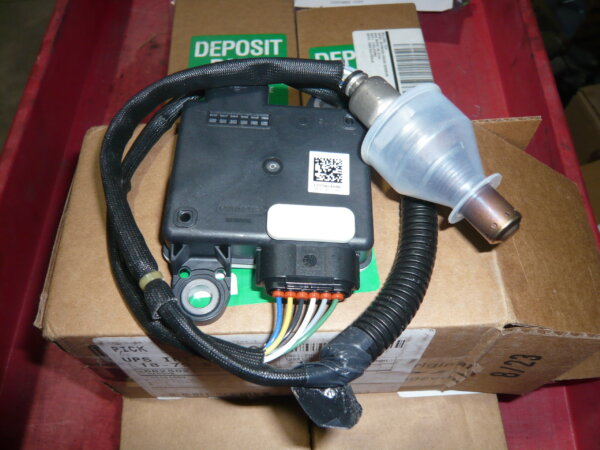
Identifying Symptoms of a Faulty EcoDiesel NOx Sensor System
Recommended Best Deal Products


A failure in the NOx monitoring system isn’t just a minor annoyance; it can lead to the dreaded “Service DEF System – See Dealer” message, which often triggers a countdown to a 5-MPH limp mode. Research indicates that sensor failure is one of the top three reasons for emissions-related downtime on the EcoDiesel platform.
Common symptoms include:
- Check Engine Light (CEL): Often accompanied by DTCs such as P20EE (SCR NOx Efficiency Below Threshold) or P2201 (NOX Sensor Circuit Range/Performance).
- Reduced Fuel Economy: The ECU may over-inject DEF or alter timing to compensate for poor sensor readings, hurting your MPG.
- Regeneration Issues: If the ECU cannot verify NOx levels, it may postpone DPF regenerations, leading to soot buildup.
- Limp Mode: If left unaddressed, the truck may restrict speed to ensure it doesn’t exceed federal emissions limits.
Before rushing to replace parts, I recommend checking the blank” rel=”noopener”>RAM 1500 Diesel Forum for recent discussions on software updates. Sometimes, a “faulty” sensor is actually a software calibration issue that a simple flash at a nearby dealership can resolve.
By The Numbers
Average Replacement Cost
Average Lifespan (Miles)
Required Socket Size
Replacing Your Sensors: Costs, Tools, and Professional Procedures
According to blank” rel=”noopener”>RepairPal RAM 1500 EcoDiesel Repair Estimates, a professional NOx sensor replacement typically ranges from $400 to $800. The part itself constitutes the bulk of this cost, as NOx sensors contain complex ceramic elements and integrated logic modules. While aftermarket options are accessible and convenient for budget-conscious owners, I strongly advise using OEM Mopar sensors to avoid compatibility issues with the truck’s sensitive CAN-bus system.
📋
Step-by-Step Replacement Guide
Recommended Best Deal Products


Use a high-quality scan tool to monitor live data. Confirm the NOx sensor is reading “stuck” or reporting erratic values before removal.
Disconnect the battery. Locate the sensor and unplug the electrical connector. Use a 22mm NOx sensor socket to unscrew the unit from the exhaust pipe.
Audible Premium Plus — Annual Membership
12 audiobook credits up front, plus the full Audible catalogue.
See Annual PlansApply a small amount of high-temp anti-seize to the new sensor threads (if not pre-applied). Hand-thread the sensor to avoid cross-threading, then torque to 37-40 lb-ft.
Crucial Step: Use your scan tool to clear the DTCs and perform the “NOx Sensor Replacement” reset. This allows the ECU to calibrate the new sensor’s baseline.
Year-Specific Variations: Gen 2 vs. Gen 3 EcoDiesel Exhaust Layouts
It is important to note that the RAM 1500 EcoDiesel underwent a significant redesign in 2020 (the Gen 3 engine). While the fundamental logic of having two sensors remains, the physical RAM 1500 EcoDiesel NOx sensor location shifted slightly to accommodate a larger, more efficient EGR system and a redesigned turbocharger.
For owners of Gen 3 models, the upstream sensor is tucked even tighter against the firewall, making it one of the less convenient repairs to perform without a lift. If you are a DIYer, consult a general blank” rel=”noopener”>NOx Sensor Replacement Guide for basic principles, but be prepared for a cramped workspace. Using a swivel-head 22mm wrench is often the only way to get enough leverage in the limited space provided on the 2020 and newer trucks.
Never attempt to clean a NOx sensor with brake cleaner or solvents. The ceramic sensing element is porous and will be instantly ruined by chemicals. If the sensor is fouled by soot, the only reliable fix is a manual DPF regeneration or sensor replacement.
Choosing the Right Replacement Parts
When searching for a “trusted local” source for parts, you may find variations in pricing. However, for a component as technically demanding as a NOx sensor, quality is paramount. To help you decide, consider the following breakdown:
✅ OEM Pros (Mopar)
- Guaranteed CAN-bus compatibility
- Perfect harness length/clips
- Factory 12-month warranty
- Latest revision of logic board
❌ Aftermarket Cons
- Higher rate of “Dead on Arrival”
- Often triggers generic P-codes
- Poor weather sealing on plugs
- Short 30-90 day warranties
Maintaining your RAM 1500 EcoDiesel involves staying ahead of emissions components that are prone to wear. By identifying the correct RAM 1500 EcoDiesel NOx sensor location and following professional diagnostic steps, you can avoid the high costs of dealership service departments and keep your truck in peak operating condition. If you’re looking for more specific pricing on labor in your area, visit YourMechanic – NOx Sensor Replacement Cost for a transparent quote.
Final Verdict: Managing the EcoDiesel Emissions System
The complexity of modern diesel exhaust systems means that even a small sensor failure can lead to significant vehicle downtime. As an industry veteran, my final recommendation is to keep a high-quality OBDII scan tool in your truck. Being able to read and clear codes yourself allows you to determine if a NOx sensor issue is a one-time glitch or a hard failure requiring immediate replacement. Staying proactive with your DEF quality and ensuring your sensors are functioning correctly will ensure your RAM 1500 remains a reliable, fuel-efficient workhorse for years to come.
Frequently Asked Questions
What are the common symptoms of a bad NOx sensor on a RAM 1500 EcoDiesel?
A failing NOx sensor often triggers the Check Engine Light (CEL) and may result in ‘Service DEF System’ messages or reduced engine power (limp mode). You may also notice increased fuel consumption. Since these sensors are vital for the SCR system, ignoring them can lead to costly downstream damage.
How do I test a RAM 1500 EcoDiesel NOx sensor?
Testing involves using a scan tool to monitor the sensor’s response time and ppm (parts per million) readings. If the upstream and downstream sensors show identical readings or if one remains static despite engine load changes, the sensor is likely defective. Local technicians can perform these diagnostic tests quickly.
Can I drive my RAM 1500 EcoDiesel with a bad NOx sensor?
While you can physically drive with a faulty NOx sensor, it is not recommended. The truck’s computer may eventually restrict vehicle speed or prevent engine restarts if the emissions system cannot verify compliance. It is best to consult a nearby specialist to resolve the issue before a breakdown occurs.
How often should I replace the NOx sensors on my truck?
RAM 1500 EcoDiesel NOx sensors generally require replacement every 50,000 to 100,000 miles. However, factors like stop-and-go driving, excessive idling, or using low-quality diesel exhaust fluid (DEF) can shorten this interval. Regular inspections by technicians serving your area can help catch sensor degradation before it causes a failure.
Are the upstream and downstream NOx sensors the same part number?
No, the upstream and downstream NOx sensors are typically not the same part number. They feature different cable lengths and connector configurations designed for their specific exhaust location. Always verify your vehicle’s generation and VIN when sourcing available replacement parts to ensure precise compatibility and system communication.