How Fast Do Snowmobiles Go? Speeds by Type & Factors
Last Updated on September 1, 2026 by Ryan
Snowmobile speeds vary significantly by type; recreational models typically reach 60-90 MPH, while performance and racing sleds can exceed 120 MPH. Key factors like engine size, snow conditions, and terrain greatly influence actual top speeds. Understanding these differences is crucial for riders.

Amazon Prime — 30-Day Free Trial
Free fast delivery on this order and everything else for 30 days.
Try Prime Free🎯 Key Takeaways
Recommended Best Deal Products


- Snowmobile speeds range from 30 MPH (utility) to over 120 MPH (racing).
- Performance models typically hit 90-110 MPH on groomed trails.
- Engine size, track, snow conditions significantly influence speed.
- Factor in terrain and rider skill for optimal, safe performance.
- Prioritize safety; understand your sled’s limits and conditions.
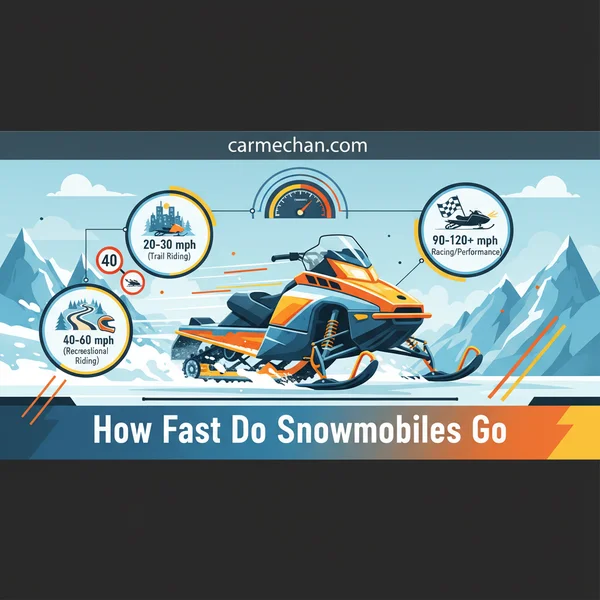
Curious how fast a snowmobile really goes? Most recreational snowmobiles hit top speeds between 80 to 100 MPH (130 to 160 KMH) on groomed trails, but this varies significantly by type. From the utility workhorses to the high-performance sport models, each machine is engineered for a different purpose, directly impacting its speed capabilities.
Understanding these speed differences isn’t just trivia; it’s crucial for choosing the right snowmobile for your riding style and ensuring safety. Knowing what to expect from your sled, or one you’re considering, directly influences your trail experience, whether you’re leisurely touring or pushing the limits on open terrain.
Understanding Snowmobile Top Speeds by Category
The speed your snowmobile achieves depends heavily on its design category. Manufacturers engineer sleds with specific riders and environments in mind, leading to distinct performance envelopes across types.
Recreational Trail Snowmobiles
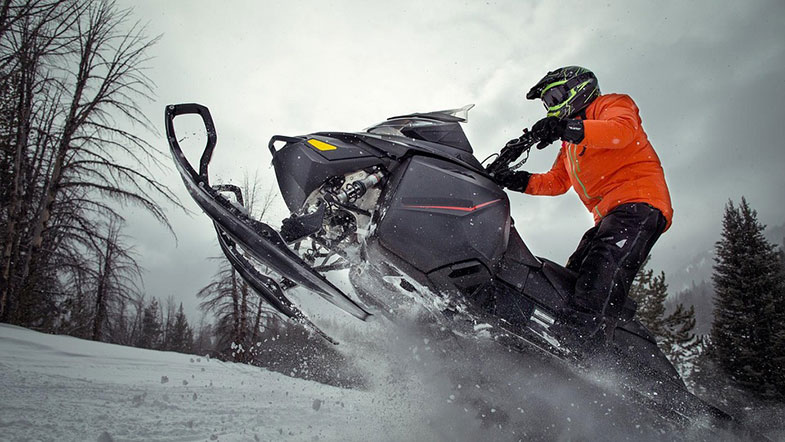
These are the most common type, built for comfortable and capable trail riding. You’ll typically find their top speeds in the 80 to 100 MPH (130 to 160 KMH) range. They offer a good balance of power, handling, and suspension for diverse snow conditions. Models in this class might feature engines from 600cc to 900cc, offering plenty of punch for spirited riding without being overly aggressive.
Touring Snowmobiles
Designed for comfort and long distances, touring snowmobiles prioritize a smooth ride and passenger accommodation over raw speed. While still capable, their increased weight, longer tracks for stability, and emphasis on passenger comfort mean slightly reduced top-end performance. Expect these sleds to comfortably cruise and hit top speeds of around 70 to 90 MPH (110 to 145 KMH).
Utility Snowmobiles
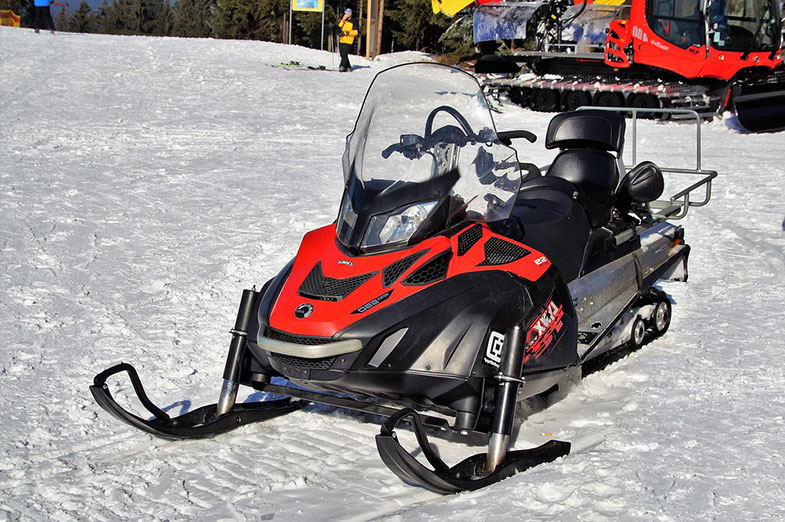
When it comes to getting work done, utility sleds are unmatched. They are built for hauling, towing, and navigating deep snow, often at lower speeds. These machines feature heavy-duty suspensions, wide tracks for flotation, and powerful low-end torque. Their design isn’t focused on speed, so their typical top speeds range from 40 to 60 MPH (65 to 95 KMH). Think reliability and capability over outright velocity.
Performance & Sport Snowmobiles
If you’re chasing thrills and maximum acceleration, performance and sport models are where you’ll find it. These snowmobiles are often equipped with powerful engines, lightweight chassis, and aggressive suspensions. Many can exceed 100 MPH (160 KMH), with top-tier models pushing past 120 MPH (195 KMH). These are built for quick bursts of speed, aggressive cornering, and often feature larger engine displacements, like 850cc or even turbocharged variants.
Key Factors Influencing Snowmobile Performance and Speed
Recommended Best Deal Products


Beyond the snowmobile’s category, several critical factors directly impact how fast your sled will go. Understanding these can help you anticipate performance or even make smart modifications.

Audible — Listen Free for 30 Days
One free credit a month and thousands of titles included.
Listen Free for 30 DaysEngine Power & Track Dynamics
- Engine Displacement and Horsepower: Simply put, more horsepower (HP) generally translates to higher top speeds and quicker acceleration. Larger displacement engines (e.g., 850cc vs. 600cc) inherently produce more power.
- Weight: A lighter snowmobile accelerates faster and can achieve a higher top speed, as there’s less mass for the engine to propel.
- Track Length and Lug Height: Longer tracks provide better traction in deep snow but can create more drag on packed trails, slightly reducing top speed. Taller lug heights are excellent for grip in powder but can also decrease maximum speed on hardpack due to increased rolling resistance.
- Clutching and Gearing: The snowmobile’s clutching system and gear ratios are tuned for specific performance characteristics. Optimized clutching ensures the engine operates at its peak power band, directly affecting acceleration and top speed.
Environmental & Rider Variables
- Snow Conditions: Hard-packed, smooth snow allows for maximum speed and minimal track resistance. Deep, loose powder significantly reduces speed and requires more engine effort.
- Altitude: Higher altitudes mean thinner air, which reduces oxygen available for combustion. This can decrease engine power by 1-3% for every 1,000 feet of elevation gain, directly impacting top speed.
- Rider Weight and Skill: A lighter rider and an experienced one who knows how to minimize air resistance (e.g., tucking in) will achieve higher speeds.
- Modifications: Aftermarket exhausts, performance clutching kits, engine tuning, and turbochargers can significantly boost a snowmobile’s horsepower and, consequently, its top speed.
The Role of Terrain, Snow Conditions, and Rider Skill
While a snowmobile’s engine provides the raw power, the real-world speed you can achieve is heavily influenced by external factors and your own abilities. It’s not just about how fast the machine can go, but how effectively it can transfer that power to the snow and how safely you can manage it.
How Terrain and Snow Impact Your Ride
Think of snowmobiling as a dance with nature. The surface beneath your skis and track constantly changes, dictating your pace.
- Groomed Trails: These smooth, packed surfaces are where many snowmobiles can reach their highest speeds, as there’s minimal resistance and excellent traction. You’ll often feel the most stable and in control here.
- Powder Snow: Deep, fresh powder, while exhilarating for some, significantly reduces top speed. The track has to work harder to displace and push through the snow, increasing drag. This is where utility and mountain sleds often excel at navigating, though not at high speed.
- Slush or Wet Snow: This can be the most challenging. Slush creates enormous drag and can lead to overheating if you’re pushing too hard, dramatically slowing you down and reducing efficiency.
- Hills and Rough Terrain: Climbing a steep hill will naturally reduce your speed, while descending can increase it. Ungroomed or bumpy terrain requires slower speeds for control and rider comfort, preventing you from pushing the machine’s limits.
Always adapt your speed to the conditions. What’s safe on a packed trail might be dangerous in deep powder or slush.
The Human Factor: Rider Experience and Technique
Even with the most powerful snowmobile, an inexperienced rider won’t achieve the same speeds as a seasoned veteran. Rider skill plays a massive role in both attainable speed and safety.
- Throttle Control: Skilled riders know how to modulate the throttle smoothly, maintaining momentum without over-revving or losing traction. This is especially important in varied terrain.
- Body Positioning: Proper weight distribution and leaning into turns help maintain stability and control at higher speeds, allowing the sled to corner more efficiently and safely.
- Reading the Terrain: An experienced rider can anticipate changes in snow conditions, recognize potential hazards like ice patches or hidden obstacles, and adjust their speed accordingly, often without even thinking about it.
- Confidence and Comfort: Riding within your comfort zone is paramount. Pushing beyond your skill level can lead to dangerous situations and ultimately slow you down due to hesitation.
Many experienced riders emphasize that smoothness often translates to speed on a snowmobile. Being deliberate and controlled helps you maintain momentum and navigate challenges more effectively than simply mashing the throttle.
Safety Considerations and Speed Limits on the Trail
Recommended Best Deal Products


While the allure of speed is undeniable, responsible snowmobiling prioritizes safety above all else. Every rider has a responsibility to themselves, their passengers, other trail users, and the environment to operate their machine safely.
Understanding Trail Speed Limits
Snowmobile trails often have designated speed limits, and for good reason. These limits are set to ensure the safety of all users and to preserve the trail system itself.
- Vary by Jurisdiction: Speed limits can differ significantly based on the state, province, or even the specific trail system you’re on. Always check local regulations before you ride.
- Types of Limits: You might encounter general trail limits (e.g., 45 mph on open trails), reduced limits in specific areas (e.g., 10 mph near road crossings, residential areas, or shared-use sections), and even unposted “conditions-based” limits where you should slow down due to poor visibility or rough terrain.
- Enforcement: Law enforcement patrols snowmobile trails, and exceeding posted limits can result in fines, loss of riding privileges, and even impoundment of your snowmobile.
Treat snowmobile trails like roads; obey all posted signs and be aware of your surroundings. A moment of disregard for a speed limit could have serious consequences.
Prioritizing Safe Riding Over Pure Speed
The fastest ride is rarely the safest. Focusing on responsible practices will ensure you enjoy many seasons of snowmobiling.
Audible Premium Plus — Annual Membership
12 audiobook credits up front, plus the full Audible catalogue.
See Annual Plans- Ride Within Your Limits: Know your skill level and the capabilities of your machine. Don’t feel pressured to keep up with faster riders if it means exceeding your comfort zone.
- Maintain Control: Speed should always be secondary to maintaining full control of your snowmobile. If you feel like you’re losing control, you’re going too fast for the conditions or your skill level.
- Be Prepared for the Unexpected: Blind corners, other riders, wildlife, or sudden changes in trail conditions (like unexpected ice or slush) demand that you maintain a speed at which you can react safely.
- Never Ride Impaired: Operating a snowmobile under the influence of alcohol or drugs is illegal and incredibly dangerous, severely impairing your judgment and reaction time.
- Wear Proper Safety Gear: A helmet, appropriate clothing, and eye protection are non-negotiable for every ride, regardless of how fast you plan to go.
Remember, the goal is to have fun and return home safely. High speeds can be thrilling, but they come with increased risks that must be managed consciously.
Conclusion
Snowmobiles offer an incredible range of speeds, from leisurely cruising at 20 mph to high-performance machines breaking 100 mph. As we’ve explored, the “how fast” depends on a complex interplay of the snowmobile’s design, engine power, the terrain and snow conditions, and most importantly, the rider’s skill and commitment to safety. While the exhilarating rush of speed is a core part of the snowmobiling experience for many, understanding these factors helps temper that thrill with a dose of reality.
To make the most of your snowmobiling adventures, always prioritize safety and ride responsibly. Research the specific capabilities of your sled and the regulations of the trails you plan to explore. Embrace the power and freedom of your machine, but do so with respect for yourself, others, and the beautiful winter environment. Get out there and enjoy the ride!
❓ Frequently Asked Questions
What are the typical speed ranges for different snowmobile types?
Recreational trail models generally hit 60-90 MPH (95-145 km/h), while touring sleds are similar but optimized for comfort. Utility models are slower at 30-50 MPH (50-80 km/h), focusing on torque. High-performance and racing snowmobiles can easily surpass 100 MPH (160 km/h), sometimes reaching 120 MPH or more.
How do engine size and horsepower impact snowmobile speed?
Engine size, measured in cubic centimeters (cc), directly correlates with horsepower, which is the primary driver of speed. Larger, more powerful engines generate greater thrust, allowing the snowmobile to accelerate faster and achieve higher top speeds, especially in performance models.
What role do track and suspension play in a snowmobile’s speed?
The track’s length, lug height, and material significantly affect traction and speed; longer tracks with aggressive lugs are better for deep snow but can reduce top speed on groomed trails. Suspension, while primarily for comfort and handling, can be tuned for drag racing to optimize weight transfer and minimize resistance, enhancing straight-line speed.
How do environmental factors like snow and altitude affect speed?
Deep, fresh powder creates more drag, significantly slowing down a snowmobile compared to riding on packed or groomed snow. High altitude reduces engine power due to thinner air, diminishing a snowmobile’s maximum potential speed unless specifically tuned for those conditions.
Is it safe to operate a snowmobile at its maximum speed?
Operating at maximum speed is generally not recommended outside of controlled racing environments. It drastically reduces reaction time, increases stopping distance, and magnifies the risks associated with unexpected obstacles or changes in terrain. Safety should always be the top priority, adhering to posted speed limits and conditions.
Can modifications increase a snowmobile’s top speed, and is it advisable?
Yes, common modifications like engine tuning, exhaust upgrades, clutching adjustments, and track changes can increase a snowmobile’s top speed. However, such modifications can void warranties, impact reliability, and potentially compromise safety if not done by professionals or within design limits.