Smoke Coming Out Of Car Vents Fix Smoke From Car Vents 2026
Last Updated on September 1, 2026 by Albert Duke


When smoke comes out of car vents, it signals a potentially serious problem requiring immediate attention to prevent further damage or safety risks. This guide offers practical steps to identify the source and take appropriate action.
When smoke comes out of car vents, it’s a clear signal your vehicle needs immediate attention. This alarming sight can indicate a range of issues, from minor nuisances to significant mechanical or electrical failures that demand prompt action. While the presence of smoke is undoubtedly concerning, understanding its potential causes is the critical first step towards a safe and effective resolution.
We aim to equip you with the knowledge to diagnose and respond appropriately. We will first explore the critical initial actions you must take when this happens, then the likely culprits.
When smoke comes out of car vents, it signals a potentially serious problem requiring immediate attention to prevent further damage or safety risks. This guide offers practical steps to identify the source and take appropriate action.
Key Takeaways for Vent Smoke Concerns
- Identify smoke color and odor immediately.
- Pull over and turn off the engine safely.
- Understand common causes like leaks or electrical faults.
- Professional inspection is often the safest next step.
- Regular maintenance prevents many vent smoke issues.
Key Takeaways
- Identify smoke color and odor immediately.
- Pull over and turn off the engine safely.
- Understand common causes like leaks or electrical faults.
- Professional inspection is often the safest next step.
- Regular maintenance prevents many vent smoke issues.
How to Respond to Vent Smoke Immediately
Discover the critical immediate actions you must take if you see smoke coming from your car vents. Your safety and the prevention of further vehicle damage depend on a swift, controlled response. We want you to prioritize these steps above all else.

Pull Over Safely
As soon as you notice smoke, activate your hazard lights and begin to slow down. Look for a safe place to pull your vehicle completely off the road. An emergency lane or a deserted parking lot is ideal. Avoid stopping in heavy traffic where you could become a hazard to other drivers.
Turn Off Engine
Once safely stopped, immediately turn off your vehicle’s engine. This action stops the circulation of potentially harmful fumes and can prevent further escalation of an issue, especially if it’s electrical or involves burning fluids. Shutting down the power can also reduce the risk of a fire spreading.
Assess Vehicle Danger
After turning off the engine, exit the vehicle cautiously. Step away to a safe distance, observing if the smoke intensifies, changes color, or if flames appear. Do not open the hood if heavy smoke or flames are visible, as this can fuel a fire with oxygen.
Call for emergency assistance if you suspect a fire or significant danger. Once you have secured your safety, the next crucial step involves identifying the precise nature of the smoke.
7 Urgent Reasons for Car Vent Smoke
Seven distinct issues frequently cause smoke coming from car vents, each signaling a unique problem. Identifying the root cause is essential for effective repair and safety. We have observed that many automotive incidents stem from easily identifiable faults. .
Coolant Leak Signs
A sweet smell accompanying white, vapor-like smoke from your vents often indicates a coolant leak. This usually stems from a failing heater core, which circulates hot engine coolant into the cabin for heating. The leak can spray coolant onto the hot components of your HVAC system, causing it to vaporize and appear as smoke.
This issue can lead to rapid engine overheating if left unaddressed.
Oil Burning Odor
Bluish-white smoke with a distinct burnt oil smell suggests that engine oil is somehow making its way into the ventilation system or onto hot engine parts that are close to the air intake. This can happen due to leaking valve cover gaskets, a failed PCV valve, or even an oil spill during a recent oil change.
The fumes then get drawn into your cabin through the vents.
Electrical Short Dangers
A sharp, acrid smell similar to burning plastic or rubber, accompanied by black or very dark smoke, is a critical indicator of an electrical short. This could involve wiring, a faulty resistor, or a failing blower motor. Electrical fires are extremely dangerous and can escalate quickly, posing a severe safety risk to you and your vehicle.
Immediate professional intervention is crucial in this scenario.
AC System Mold
While mold itself doesn’t produce smoke, heavy moisture buildup within your air conditioning system can create a misty vapor that resembles white smoke. This “smoke” is often accompanied by a musty, damp odor. It’s not inherently dangerous as a fire risk, but it can indicate excessive humidity, clogged drain lines, or poor air circulation, contributing to unhealthy cabin air quality.
Brake Dust Intrusion
In some specific scenarios, especially after heavy braking, fine brake dust can be drawn into the cabin through the fresh air intake if the cabin filter is old or missing. This might appear as a faint, greyish haze, often with a metallic or burnt smell.
While not smoke from an internal vehicle system, it signifies a need for a cabin filter inspection and potential replacement. This is less common but still a possibility.
Heater Core Failure
A failing heater core is a prime suspect for sweet-smelling white smoke. Located behind the dashboard, it uses engine heat to warm the cabin. When it leaks, coolant vaporizes on its hot surface, entering the ventilation system directly. This can cause the windshield to fog up and depletes your engine’s coolant, leading to potential overheating.
Addressing this promptly prevents costly dashboard disassembly and engine damage.
Stuck Blower Motor
If your blower motor, responsible for pushing air through the vents, seizes or overheats, it can create a burning smell. This smell might be accompanied by light smoke from burning internal components or insulation. A struggling blower motor will often make unusual noises before failing entirely.



This condition requires immediate attention to prevent electrical damage or a potential fire hazard. Understanding these potential causes is vital, but knowing how to accurately identify the specific type of smoke is equally important for diagnosis.
How to Identify Your Car Vent Smoke
Accurately identifying the characteristics of smoke from your car vents is key to pinpointing the underlying issue. Observing the visual appearance and odor can provide critical clues. We want you to feel empowered to make an informed assessment.

Observe Smoke Color
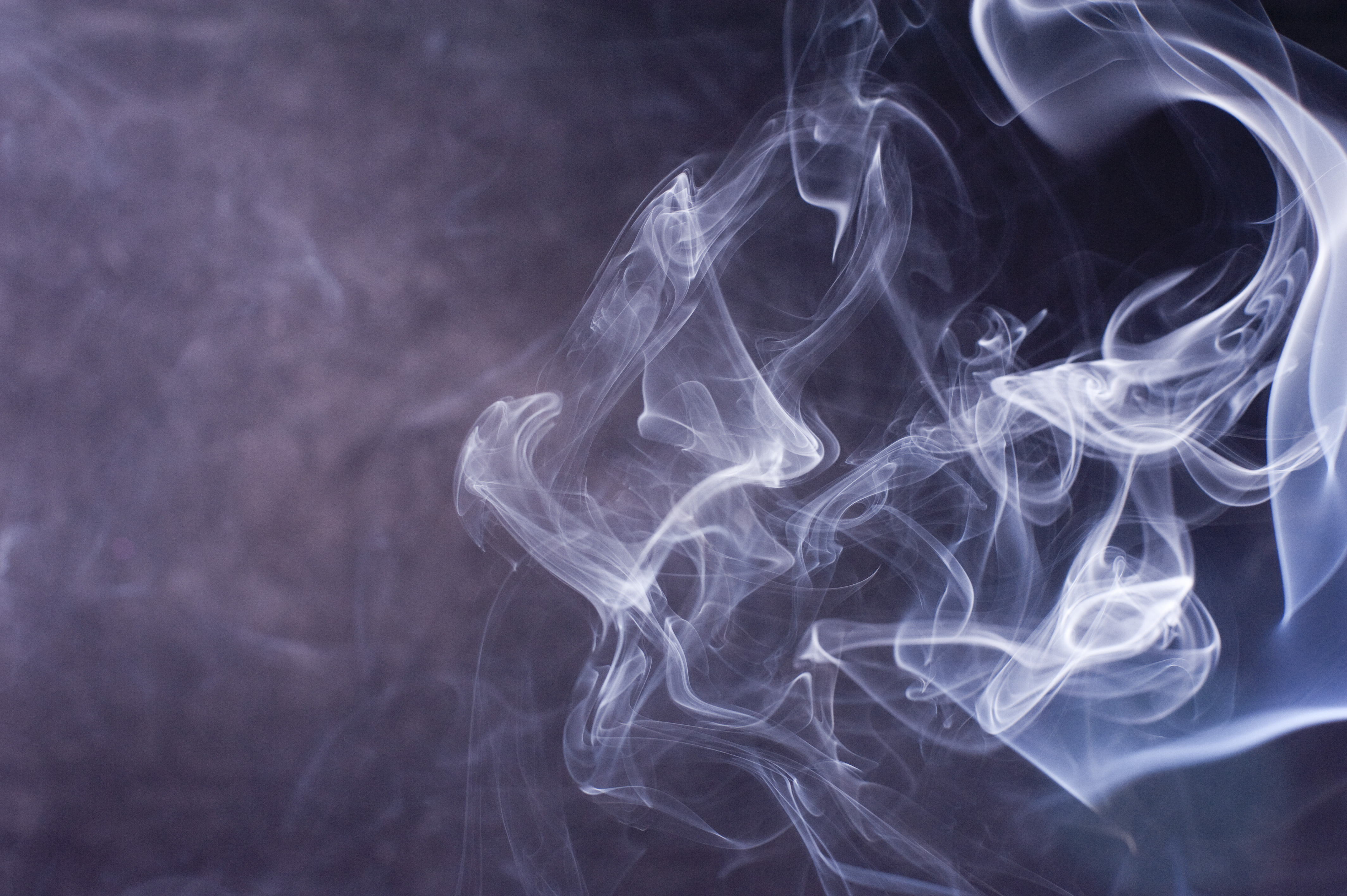
The color of the smoke offers immediate diagnostic information. White, thin smoke, especially with a sweet smell, often points to a coolant leak. A thicker, blue-tinged smoke signals burning oil. Black or very dark smoke is a serious red flag, typically indicating an electrical fault or perhaps an excessive amount of rich fuel being burned in the engine, which is less likely to directly enter vents as smoke but could present as fumes.
We recommend noting the density as well as the hue.
Note Any Odors
The smell associated with the smoke is equally crucial for diagnosis. A sweet smell is almost always a sign of ethylene glycol from coolant. The scent of burnt plastic or electrical insulation strongly suggests an electrical problem. A greasy, acrid smell points to burning oil.
A moldy or damp odor indicates moisture or biological growth within the AC system, rather than true smoke. Your sense of smell becomes a powerful diagnostic tool in this situation.
Check Fluid Levels
After safely turning off your vehicle and allowing it to cool slightly, check your engine’s fluid levels. Inspect the coolant reservoir for low levels. Look at your oil dipstick to see if the oil level is correct. If you find either of these fluids significantly low, it corroborates a potential leak contributing to the smoke you observed.
Exercise extreme caution when checking hot engine components. Once you have a clearer picture of the smoke’s origin, you can then consider the next practical steps toward a resolution.
3 Proven Steps to Fix Vent Smoke
Follow these three proven steps to effectively address smoke coming out of car vents. Your approach will vary depending on your comfort with DIY repairs and the severity of the issue. We advocate for a balanced method of self-assessment and professional consultation.
Inspect Engine Bay
Once your engine has cooled, carefully open the hood and visually inspect the engine bay. Look for obvious signs of leaks, such as wet spots around hoses, the radiator, or under the vehicle. Check for frayed wires, burnt plastic, or any visible damage. Pay particular attention to areas near the firewall, where cabin ventilation components are located.
This initial inspection can sometimes reveal clear culprits like a loose hose or a damaged wire.
Check Cabin Filter
Locate and inspect your cabin air filter. A clogged or dirty cabin filter can restrict airflow and, in rare cases, become a source of burning smell if debris builds up and touches a hot component. Replace the filter if it appears excessively dirty or damaged.
Consult your vehicle’s owner’s manual for the exact location and instructions for replacement. This is a relatively simple DIY fix that can sometimes resolve minor odor or haze issues.
Consult a Mechanic
For any persistent smoke, strong odors, or if you suspect an electrical problem or significant fluid leak, immediately consult a certified mechanic. They possess specialized diagnostic tools and expertise to pinpoint complex issues accurately. When choosing a mechanic, look for certifications and positive reviews. Ask them about their diagnostic process and any potential costs upfront.
Professional diagnosis in 2026 can prevent minor issues from escalating into major, costly repairs. . While resolving current issues is paramount, establishing proactive habits can effectively prevent future occurrences of smoke from your car vents.
5 Smart Habits Preventing Vent Smoke
Adopt these five smart habits to significantly reduce the risk of smoke coming out of your car vents. Proactive maintenance is your best defense against unexpected vehicle problems. We encourage you to integrate these into your routine for long-term vehicle health. .
Regular Maintenance Schedule
Adhere strictly to your vehicle’s manufacturer-recommended maintenance schedule. Regular oil changes, fluid checks, and system inspections ensure components are functioning correctly. This routine upkeep helps catch potential issues like leaks or worn parts before they manifest as smoke from your vents. A well-maintained vehicle is a safer and more reliable vehicle.
Monitor Fluid Levels
Periodically check engine oil, coolant, and brake fluid levels between scheduled services. Low fluid levels can indicate a leak, which, if left unaddressed, could lead to smoke or other serious problems. Early detection of a fluid leak allows for timely repair, preventing fluid from spraying onto hot engine components and entering your ventilation system. This simple check takes only minutes.
Clean Cabin Filters
Inspect and replace your cabin air filter regularly, typically every 12,000 to 15,000 miles or as recommended by your owner’s manual. A clean filter ensures proper airflow and prevents dust, debris, and potential mold spores from entering your car’s ventilation system. A dirty filter can restrict airflow and, in rare cases, contribute to unusual odors or a misty appearance from the vents.
AC System Inspection
Have your AC system professionally inspected annually. This check can identify issues such as refrigerant leaks, clogged drains, or failing components like the AC compressor. Addressing these problems proactively prevents excess moisture buildup or component failure that could lead to unusual smells or vapor from your vents. A healthy AC system ensures clean, comfortable air.
Address Unusual Smells
Never ignore unusual smells coming from your car, especially from the vents. A faint sweet smell, burnt odor, or moldy scent can be an early indicator of a developing problem. Investigating these odors promptly can help you identify and resolve issues before they escalate into visible smoke or more serious mechanical failures.
Your nose can be a valuable diagnostic tool. Understanding how to prevent these issues is crucial, and now let’s address some frequently asked questions about car vent smoke.
What Are Your Questions About Car Vent Smoke?
What Does White Smoke From Car Vents Mean?


White smoke typically indicates a coolant leak, often from the heater core. This vapor can have a sweet smell. Address it quickly, as a failing heater core can lead to significant interior damage and engine overheating if coolant levels drop too low. We recommend checking your coolant reservoir.
Is Black Smoke Coming Out of Car Vents Dangerous?
Yes, black smoke usually points to an electrical issue or burning oil. Electrical fires are extremely dangerous and require immediate attention. Pull over safely and shut off your engine at once if you observe black smoke to minimize fire risk. We advise calling emergency services.
Can Mold in AC Vents Cause a Smoky Appearance?
Mold itself doesn’t cause smoke, but a musty odor can accompany vapor, often mistaken for smoke. Excessive moisture and debris in the AC system can lead to mold growth and reduce air quality. Regular cleaning helps prevent this, ensuring healthier cabin air for occupants.
What If My Car Vents Smell Like Burnt Plastic?
A burnt plastic smell, potentially accompanied by light smoke, often signals an electrical problem. This could be a short circuit in wiring, a faulty resistor, or a failing blower motor. Seek professional inspection promptly due to the inherent fire risk associated with electrical malfunctions. We prioritize your safety.
How Quickly Should I Address Smoke From My Car Vents?
You should address smoke from car vents immediately. Many causes, such as coolant leaks or electrical shorts, can rapidly escalate into severe engine damage or fire hazards. Prioritize safely stopping your vehicle and diagnosing the issue with urgency. We recommend not delaying any necessary repairs.
Your Next Steps for Addressing Vent Smoke
Encountering smoke coming out of car vents is a clear indication that your vehicle requires immediate attention. We understand this can be a stressful experience, but by following the practical steps outlined in this guide, you can confidently address the situation. Your quick, informed actions are paramount for both your safety and the longevity of your vehicle.
Remember to prioritize pulling over safely and shutting down the engine before attempting any diagnosis. Whether the issue is a simple cabin filter replacement or a more complex electrical fault, prompt identification and resolution are crucial. Do not hesitate to consult a certified mechanic if you are uncertain about the cause or the repair process.
Staying proactive with maintenance and addressing unusual symptoms ensures your vehicle remains reliable and safe on the road in 2026 and beyond.