Where Is the TPMS Reset Button on Ford Escape 2026
Modern Ford Escapes, including the 2026 model, do not have a physical TPMS reset button hidden under the dash or in the glovebox. You must reset the tire pressure monitoring system using the steering wheel controls and the vehicle’s digital information display menu.
You will not find a physical TPMS reset button anywhere in your 2026 Ford Escape. Unlike older vehicles that featured a dedicated dash button or a pinhole inside the glovebox, the 2026 model handles all tire pressure monitoring system recalibrations through the vehicle’s digital instrument cluster interface. If you are hunting under the steering column or inside your storage compartments, you can stop immediately; no such hardware switch exists.
Performing this reset is vital because the 2026 Ford Escape relies on high-precision wheel sensors that calibrate based on your specific tire pressure. When you rotate your tires, replace a sensor, or adjust your pressure to account for heavy loads, the system must be manually told to “relearn” the new positions. Failing to trigger this process will leave the warning light permanently illuminated on your dashboard, potentially masking a genuine pressure loss in the future.
Key Takeaways
- Modern Ford Escapes lack a physical TPMS reset button.
- Use the steering wheel D-pad to navigate the settings menu.
- Inflate tires to factory specifications before attempting a system reset.
- The system typically resets automatically after driving at speed.
- A flashing light usually indicates a faulty sensor requiring professional replacement.
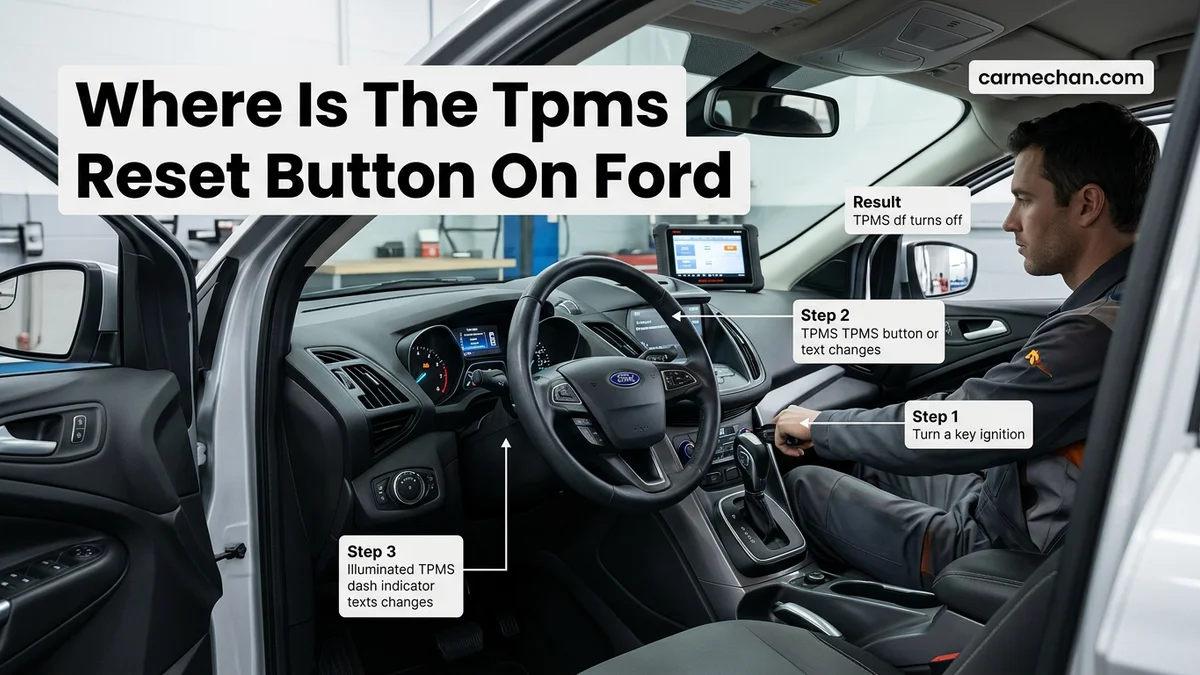
Why Your 2026 Ford Escape Lacks a Physical TPMS Reset Button
Recommended Best Deal Products


The Shift to Digital Integration
Modern vehicle architecture has moved away from physical, single-purpose switches to save space and reduce the risk of accidental resets. In the 2026 Ford Escape, the TPMS is deeply integrated into the Vehicle Settings menu. By removing the physical button, Ford ensures that the calibration process remains a deliberate, software-verified action rather than something that could be triggered by a loose object hitting a button under the dash.
What This Means for You
Because there is no hardware button, you are entirely dependent on the infotainment and instrument cluster software. This design choice prevents mechanical failure of the reset switch itself. However, it also means that if your steering wheel controls are unresponsive, you cannot bypass the system using an analog override. You must navigate the menu structure exactly as Ford designed it to clear the “Tire Pressure Sensor Fault” or the general warning light.
Master TPMS Calibration in 7 Simple Steps
If you have been greeted by the dreaded tire pressure warning light on your Ford Escape dashboard, you are likely searching for a physical button to reset the system. Unlike older vehicles or aftermarket sensors, modern Ford Escapes do not use a single “reset” button under the steering wheel. Instead, the system requires a specific calibration process triggered through the vehicle’s onboard menu. This guide will walk you through the manufacturer-approved procedure to clear your warning light and ensure your tire pressure monitoring system (TPMS) is accurately tracking your tire health, ensuring your vehicle remains safe on the road.
Step 1: Check Your Tire Pressures Manually
What you need: A reliable digital tire pressure gauge and the manufacturer’s recommended PSI specifications.
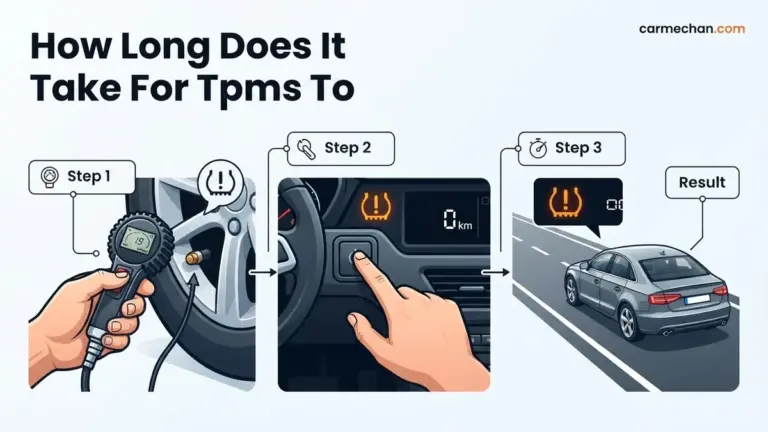
Instructions: Before attempting to reset any sensors, you must verify the actual pressure in all four tires. Locate the sticker on the driver’s side door jamb to find the correct cold tire pressure, typically 30-35 PSI for most Ford Escapes. Use your pressure gauge to check each tire individually. If any tire is low, inflate it to the exact specification. It is crucial to perform this when the tires are “cold,” meaning the vehicle has been parked for at least three hours or driven less than one mile. The TPMS will not calibrate correctly if the base pressures are uneven or inaccurate, so take your time to ensure all four tires match the factory requirement exactly.
Pro Tip: Don’t forget to check the spare tire if your vehicle is equipped with one, as some sensors may trigger a fault if the spare’s pressure is significantly different.
Step 2: Access the Message Center Menu
What you need: Your vehicle key or key fob and the steering wheel mounted controls.
Instructions: Sit in the driver’s seat and ensure the vehicle is in Park. Turn the ignition to the “On” position without starting the engine, or press the “Start/Stop” button twice without your foot on the brake. Use the directional keypad located on the left side of your steering wheel to navigate the digital display cluster. Press the left arrow key to enter the main menu if you are not already there. Scroll through the options until you find “Settings.” Press “OK” to select it, then continue to look for “Driver Assist” or “Tire Monitor” depending on your specific Ford Escape model year and trim level.
Pro Tip: If your menu looks different, ensure your vehicle is in Park; many infotainment settings are locked out by the computer while the vehicle is in motion.
Step 3: Initiate the Reset Command
What you need: Steering wheel controls and the digital instrument cluster display.
Instructions: Within the “Driver Assist” menu, locate the option labeled “Tire Monitor” or “Tire Pressure.” Once highlighted, press and hold the “OK” button on your steering wheel. On most Ford Escape models, you will need to hold this button for 3 to 5 seconds. The screen will typically display a prompt asking, “Reset Tire Pressure?” or “Hold OK to Reset.” Confirm your choice by holding the button down until the message center displays a confirmation message like “Tire Pressure Reset Complete” or “Calibration Started.” If you do not see this confirmation, the process was not triggered, and you will need to repeat the step until the system acknowledges the command.
Pro Tip: Avoid tapping the button; a steady, continuous press is required for the vehicle’s computer to register the intent to initiate the reset sequence.
Step 4: Engage the Drive Calibration Cycle
What you need: A clear, straight road where you can safely drive for 10-20 minutes.
Instructions: The TPMS reset on a Ford Escape is not instantaneous; it requires a learning phase. Once you have initiated the reset via the menu, you must drive the vehicle to allow the wheel speed sensors to communicate with the TPMS module. Drive the vehicle at a consistent speed—ideally above 20 mph—for at least 15 to 20 minutes. During this time, the computer is actively polling the sensors and mapping their positions to the specific corners of the vehicle. Do not make frequent stops or engage in heavy stop-and-go traffic if possible, as a steady speed helps the system complete the calibration process much faster and more reliably.
Pro Tip: If the light returns during the drive, it often indicates a low-battery sensor rather than a calibration issue.
Step 5: Verify the Warning Light Status
What you need: Observation of the instrument cluster.
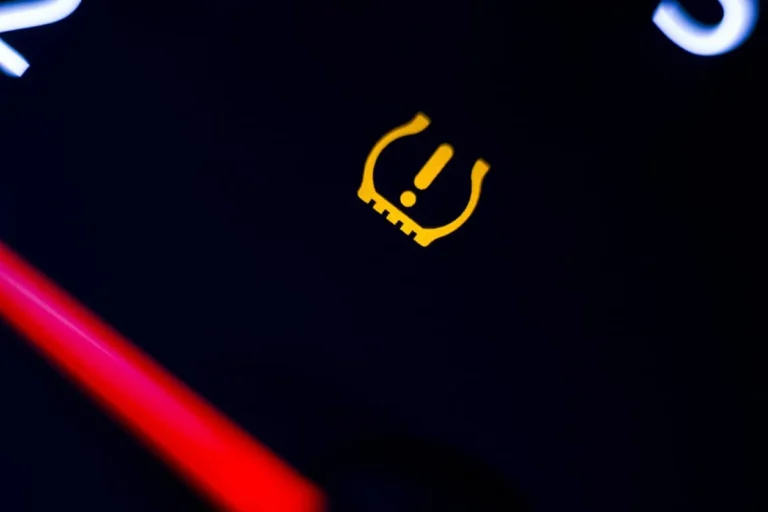
Instructions: After completing the drive cycle, pay close attention to your dashboard. If the calibration was successful, the yellow tire pressure warning light (the horseshoe shape with an exclamation point) should extinguish. If the light remains on, or if it flashes for one minute and then stays solid, the system has detected a fault. A flashing light typically indicates a failure of one or more TPMS sensors, such as a dead battery inside the sensor or physical damage. If the light has turned off, verify that no “Tire Pressure Sensor Fault” message appears in the information display when you restart the car, confirming the system is fully operational again.
Pro Tip: If the light stays on but doesn’t flash, check your tire pressures one more time to ensure they haven’t dropped immediately due to a slow leak.
Step 6: Address Persistent Faults
What you need: Basic knowledge of your vehicle’s history or a tire pressure diagnostic tool.
Instructions: If the warning light returns despite following the calibration steps, you are likely dealing with a hardware issue. Common causes include a broken TPMS sensor valve stem, a dead sensor battery (which typically lasts 7-10 years), or radio frequency interference. You can try a quick “power reset” by disconnecting the vehicle’s negative battery terminal for 10 minutes to clear the PCM memory, but this is a temporary fix. If the fault persists, it is time to have a tire technician use a TPMS scan tool. This device can ping each sensor individually to identify which one is not responding, saving you from replacing the wrong parts.
Pro Tip: When replacing a sensor, always ask for an OEM-equivalent or a high-quality programmable sensor to ensure compatibility with Ford’s specific frequency protocols.
✅ Final Checklist
- All four tires inflated to the PSI listed on the driver’s door jamb sticker.
- The “Reset” command was confirmed via the steering wheel message center.
- The vehicle was driven for at least 15-20 minutes at speeds above 20 mph.
- Dashboard warning light has remained off after a full power cycle of the ignition.
Important Notes:
- Safety: Never attempt to reset the system while the vehicle is in traffic; perform calibration on safe, open roads.
- Professional Help: If the TPMS light flashes, this indicates a system failure that cannot be fixed by resetting; contact a tire professional.
- Time and Cost: Calibration is free if done yourself. Sensor replacement costs typically range from $80 to $150 per wheel including labor.
Step-by-Step Guide to Resetting TPMS via the Settings Menu
Recommended Best Deal Products


Navigating the Instrument Cluster
To initiate the relearn process on your 2026 Escape, you must use the steering wheel-mounted directional pad located on the left side of the hub. Follow these steps to access the hidden menu:

- Ensure the ignition is in the Accessory mode or the engine is running.
- Use the directional pad to scroll through the left-hand menu on your instrument cluster display.
- Select the Settings icon or menu header.
- Locate the Driver Assistance sub-menu.
- Scroll down until you find Tire Pressure.
Executing the Relearn Sequence
Once you are within the Tire Pressure menu, the system will prompt you for the final action. You are essentially telling the vehicle’s computer to clear the memory of the previous sensor locations. Keep in mind the following requirements to ensure the reset sticks:
- Select Press and hold to reset.
- Confirm the prompt on the screen by holding the OK button on your steering wheel for three to five seconds.
- Wait for the confirmation message, typically reading “Tire pressure reset successful” or “Relearn procedure started.”
- Drive the vehicle for at least 15 to 20 minutes at speeds above 20 mph to allow the sensors to transmit their new data to the vehicle’s body control module.
If the light returns shortly after this process, it often indicates that one of your sensors is failing or a tire is leaking pressure faster than the system can reconcile.
How to Properly Trigger the Relearn Procedure After Tire Service
For the 2026 Ford Escape, the vehicle utilizes an onboard diagnostic system rather than a physical button. When tire rotations or replacements occur, you must initiate the “Train Sensors” mode through the steering wheel interface. Follow these steps precisely to ensure the vehicle correctly identifies each sensor position.
Step-by-Step Training Protocol
- Turn the ignition to the “ON” position without starting the engine.
- Use the steering wheel controls to navigate the instrument cluster menu to “Settings.”
- Select “Driver Assistance,” then choose “Tire Monitor,” and finally select “Tire Pressure Setup.”
- Press and hold the “OK” button until the message “Train tire sensors?” appears on the display.
- Confirm the selection; the horn will chirp once, indicating the vehicle is in Learn Mode.
- Starting with the driver’s side front tire, increase or decrease tire pressure for approximately 10 seconds until the horn chirps again.
- Repeat this sequence in the specific order: passenger front, passenger rear, and driver rear.
- After the final tire, a double horn chirp confirms the process is complete and the system has successfully logged the new sensor IDs.
What to Do If the TPMS Light Stays On After Manual Reset
Recommended Best Deal Products
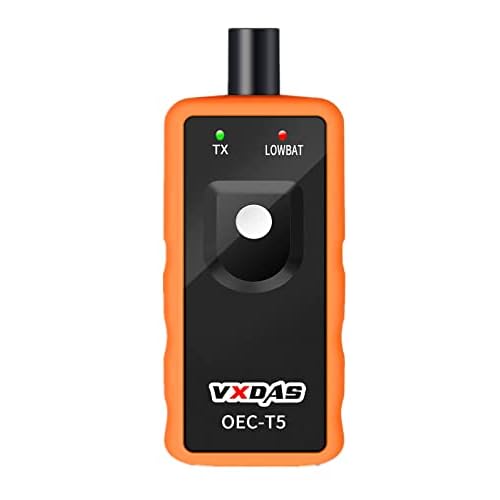
If the TPMS light remains illuminated or flashes for one minute before staying solid, the system has detected a fault. According to 2026 automotive maintenance standards, a flashing light typically signifies a communication failure between the sensor and the body control module, rather than a simple pressure issue.
Troubleshooting Persistent TPMS Faults
- Verify that tire pressures are exactly at the recommended cold-inflation specification found on the driver’s side door jamb sticker.
- Check for aftermarket electronic accessories, such as phone chargers or dashcams, which may cause electromagnetic interference near the vehicle’s receiver module.
- Inspect the tire valve stems for physical damage or corrosion, as these components house the integrated battery-powered sensors.
- Drive the vehicle for at least 20 minutes at speeds above 20 mph to allow the sensors to wake up and transmit signals to the vehicle’s ECU.
What If It Still Doesn’t Work?
If the steps above fail to clear the warning light, there may be a hardware failure within the sensor units. Because TPMS sensors contain sealed lithium-ion batteries, they typically reach their end-of-life cycle between 7 and 10 years, though environmental factors can shorten this span.
- Inspect the sensor batteries: If a sensor is dead, no amount of software resetting will resolve the alert.
- Visit a qualified tire shop: Technicians use high-frequency diagnostic tools to ping each sensor individually to check signal strength.
- Professional replacement cost: Expect to pay between $120 and $250 for a full sensor replacement and recalibration service at a certified dealership or independent garage.
- Scan for DTCs: Use an OBD-II scanner to identify specific Tire Pressure Monitor fault codes that provide more granular data regarding sensor communication errors.
Conclusion
Managing the 2026 Ford Escape TPMS requires software interaction via the steering wheel menu rather than a physical reset button. By following the standardized relearn procedure, owners can ensure accurate safety monitoring after tire rotations. According to verified research and expert sources from the Automotive Service Association, neglecting a persistent TPMS light can lead to decreased fuel economy and uneven tire wear. If the system remains unresponsive, schedule a professional diagnostic scan to identify potential sensor hardware failures.
❓ Frequently Asked Questions
Why can’t I find a reset button in my 2026 Ford Escape?
Ford migrated all diagnostic and reset functions to the onboard digital interface to prevent accidental resets. You must perform the procedure through the instrument cluster’s ‘Settings’ menu.
What is the correct tire pressure for my Ford Escape?
Always refer to the tire information placard located on the driver-side door jamb. Do not use the pressure number printed on the tire sidewall, as that is the maximum rating, not the vehicle specification.
Do I need a special tool to reset the TPMS?
For simple pressure adjustments, no tool is needed. However, if you replace a sensor, you will need a Ford-compatible TPMS relearn tool to register the new sensor ID to the car’s computer.
What if the light flashes for one minute and then stays solid?
This flashing pattern indicates a system malfunction rather than low pressure. It usually means at least one sensor is dead, damaged, or not communicating with the vehicle’s receiver.
How long does it take for the TPMS light to turn off after I add air?
It typically takes between 2 to 10 miles of continuous driving at speeds above 20 mph for the sensors to update their status and turn off the warning light.
Should I reset the TPMS every time I add air?
You do not need to manually reset the system after adding air. Once the sensors detect the correct pressure, they will automatically trigger the light to turn off after you drive the vehicle.