What Is Washer Fluid For Car Expert Guide What is 2026
Last Updated on September 1, 2026 by Albert Duke
Washer fluid for a car is a specialized liquid designed to effectively clean your vehicle’s windshield, ensuring clear visibility and enhancing driving safety. It contains detergents, antifreeze agents, and often other additives that help remove dirt, grime, bugs, and ice, performing far better than plain water.
Washer fluid for your car is a specialized liquid designed to effectively clean your vehicle’s windshield. It ensures clear visibility and significantly enhances driving safety. This essential automotive visibility liquid is much more than just colored water. It contains a unique blend of ingredients. These components work together to tackle road grime, insect splatters, and even ice.
Understanding what is washer fluid for car reveals its crucial role in vehicle maintenance. It directly contributes to safer driving experiences for you and your passengers.
Key Takeaways
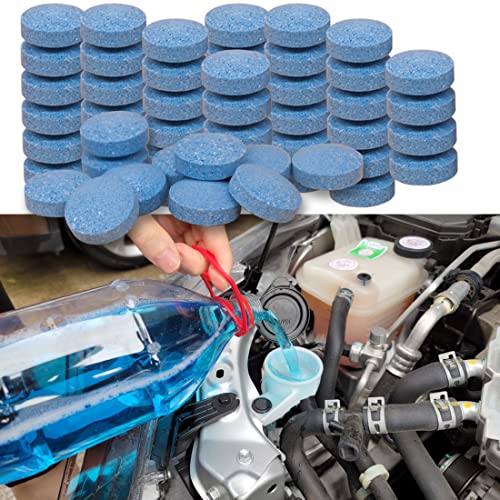

- Washer fluid ensures clear windshield visibility.
- It contains detergents and antifreeze for cleaning.
- Different types exist for various seasons and needs.
- Plain water is a poor and risky substitute.
- Regular checks prevent low fluid driving hazards.
What Is Washer Fluid for Your Car Exactly?


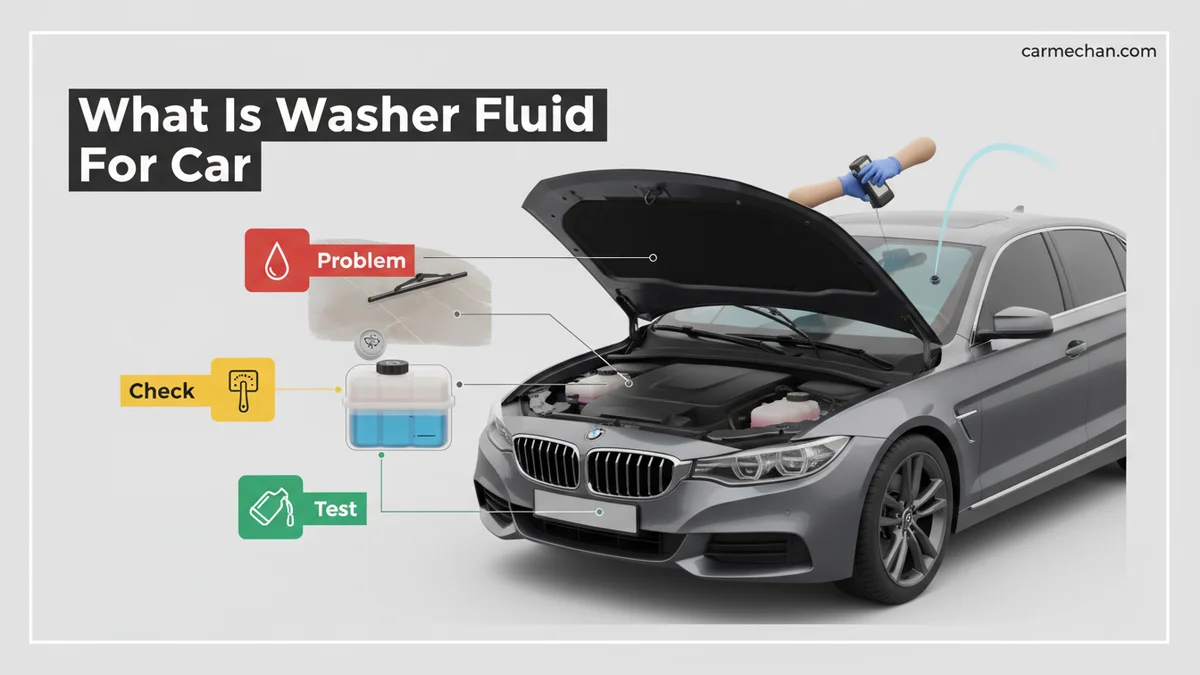
At its core, car washer fluid is a precisely formulated mixture engineered to clean your windshield effectively. It goes beyond mere water by incorporating specific chemical compounds. These compounds target the diverse contaminants that can obstruct your view while driving. The fluid’s composition is key to its superior cleaning performance and protective qualities.

Essential Cleaning Components
Modern windshield cleaning solution typically includes a combination of detergents and solvents. These agents work synergistically to break down oily residues, bug guts, and road grime. Surfactants reduce the surface tension of water, allowing the fluid to spread evenly and lift dirt more efficiently. This results in a streak-free clean that plain water cannot achieve.
Some formulations also contain water softeners. These prevent mineral deposits from forming on your windshield or clogging the spray nozzles. Certain bug-removing formulas include enzymes or stronger solvents to dissolve stubborn insect remains. These specialized ingredients are crucial for maintaining optimal visibility during warmer months.
The Freezing Point Defense
A critical component of most washer fluids is an antifreeze agent. Alcohols, such as methanol or ethanol, are commonly used for this purpose . This prevents the fluid from freezing in the reservoir, lines, or on the windshield itself, especially during cold weather.
Without this protection, frozen water could incapacitate your entire washer system, leaving you with impaired visibility.
The freezing point of washer fluid can vary significantly between different products. Winter-specific formulas offer protection down to very low temperatures, sometimes as low as -40°F. This ensures your vehicle glass cleaner remains functional even in extreme conditions, a vital safety feature for drivers in colder climates.
How Spray Systems Work
Your car’s wiper fluid system comprises a reservoir, a small electric pump, delivery hoses, and spray nozzles. When activated, the pump draws fluid from the reservoir. It then pushes the fluid through the hoses to the nozzles mounted on your hood or cowl. These nozzles precisely spray the fluid onto your windshield.
The wipers then spread the fluid and clear away debris. This integrated system relies on a consistent supply of effective fluid to function properly and keep your view clear.
Understanding its composition helps us appreciate why this fluid is indispensable for maintaining clear visibility and driving safety.
Why Do You Need Washer Fluid for Safe Driving?


Washer fluid plays a far more critical role than many drivers realize. It is directly linked to your ability to see the road clearly, which is paramount for safety. This specialized liquid ensures that external elements do not compromise your view, regardless of weather or road conditions.
Maintaining Clear Visibility
The most obvious benefit of washer fluid is its ability to maintain clear visibility. Dirt, dust, pollen, and insect splatters accumulate rapidly on your windshield. These obstructions can severely reduce your reaction time and obscure hazards. A quick spray of effective automotive visibility liquid quickly cuts through these contaminants.
This ensures you always have an unobstructed view of the road ahead, pedestrians, and other vehicles.
Poor visibility significantly contributes to traffic accidents. For example, . Using proper washer fluid helps mitigate this risk. It allows you to react quickly to changing road conditions and unexpected obstacles.
Preventing Windshield Damage
Attempting to wipe a dry or dusty windshield can cause microscopic scratches. Over time, these small abrasions can accumulate. They create a hazy appearance, especially when driving into the sun or at night. Washer fluid lubricates the windshield surface. This allows your wiper blades to glide smoothly across the glass without causing damage.
The cleaning agents in washer fluid also prevent harsh contaminants from bonding permanently with the glass. This protects your windshield from etching or pitting. Investing in quality washer fluid is a small step. It helps preserve the integrity and clarity of your expensive windshield over the long term.
Extending Wiper Blade Life
Wiper blades are designed to work with lubrication. Without fluid, they drag across a dry windshield. This causes premature wear, cracking, and tearing of the rubber elements. Washer fluid reduces friction. It allows the blades to articulate smoothly and efficiently, extending their operational lifespan.
Using proper fluid also prevents the buildup of grime on the wiper blades themselves. Clean blades perform better. They provide a more effective sweep with each pass. This ensures your wipers remain in optimal condition for longer. It saves you money on frequent replacements. It also guarantees consistent cleaning performance when you need it most.
Since driving conditions vary, different washer fluid formulations exist to tackle specific environmental challenges.
4 Different Types of Washer Fluid for Every Season
Washer fluid is not a single, universal product. Manufacturers have developed specialized formulations to address diverse driving conditions and seasonal challenges. Choosing the right type of washer fluid can significantly enhance your driving experience and safety.
All Season Convenience
All-season washer fluid is the most common type. It offers a balanced formulation suitable for year-round use in many climates. These fluids typically contain a mix of detergents, solvents, and a moderate amount of antifreeze. They effectively clean general road grime, light dust, and common bug splatters. They also provide freeze protection down to around 20°F (-6°C).
This versatility makes all-season fluid a convenient choice for drivers in temperate regions. It eliminates the need to switch fluids with changing seasons. For extreme conditions, however, more specialized options offer superior performance. Many all-season liquids can be identified by their blue color.
Winter De Icing Formulas
Winter de-icing formulas are engineered for cold weather performance. They contain a higher concentration of antifreeze agents, such as methanol or ethylene glycol. This allows them to withstand freezing temperatures down to -20°F, -30°F, or even -40°F in some cases .
These fluids often have a distinctive orange or purple color.
Beyond preventing freezing, winter formulas can help melt light ice and frost on the windshield. They also contain stronger detergents to combat the slush, salt, and de-icing chemicals prevalent on winter roads. Using a dedicated winter fluid is essential for maintaining clear visibility and an operational washer system in freezing conditions.
Summer Bug Removal
Summer bug removal fluids are specially formulated to tackle the sticky residue left by insects. These fluids contain powerful detergents and enzymes. They break down the protein and chitin in bug splatters more effectively than standard formulas. This prevents bug guts from drying onto your windshield and becoming difficult to remove.
Some bug removal fluids also feature water-repellent properties. These help water bead off the windshield during summer rain showers. While they offer good cleaning for insects and general grime, their freeze protection is usually minimal. They are best suited for use during warmer months. Many appear in a yellow or green hue.
Hydrophobic Rain Repellents
A newer category of washer fluid includes hydrophobic or rain-repellent properties. These fluids contain silicone-based polymers or other water-shedding agents. When sprayed, they create a thin, invisible layer on the windshield. This layer causes water to bead up and roll off more easily. This effect enhances visibility significantly during heavy rain, even without immediate wiper activation.
Rain-repellent fluids often combine their hydrophobic qualities with all-season cleaning and moderate freeze protection. They offer an added layer of safety. This makes them a popular choice for drivers seeking superior wet-weather performance. Always check the label to understand the specific capabilities of any specialized fluid.
While diverse options cater to different needs, a common misconception involves using simple water, which carries significant risks.
What Occurs Using Water Instead of Washer Fluid?
Many people assume plain tap water can serve as a suitable substitute for specialized washer fluid. This is a significant misconception with potentially serious consequences for your safety and your vehicle. Water lacks the crucial properties found in engineered auto screen wash products.
Freezing Damage Risks
The most immediate and dangerous consequence of using water is its freezing point. At 32°F (0°C), water turns to ice. In winter, this can cause the water in your reservoir, lines, and spray nozzles to freeze solid. This renders your entire washer system inoperable. You could be left without any way to clear your windshield in icy conditions.
This poses an extreme safety hazard.
Beyond rendering the system useless, frozen water expands. This expansion can cause severe damage. It can crack your washer fluid reservoir, burst the rubber hoses, or destroy the electric pump . Repairing these components can be costly and inconvenient.
Poor Cleaning Performance
Plain water is simply ineffective at cleaning a windshield. It struggles to remove oily road grime, insect residue, and bird droppings. Water alone will often smear these contaminants across the glass. This can create a dangerous film that further obstructs your vision, especially at night or when driving into sunlight.
Washer fluid contains detergents and solvents specifically designed to break down and lift stubborn debris. Water lacks these critical cleaning agents. It will not provide the clear, streak-free finish necessary for safe driving conditions. Relying on water means accepting persistently dirty windshields.
System Component Corrosion
Tap water contains minerals and impurities that can lead to corrosion and sediment buildup. Over time, these minerals can accumulate within the washer fluid lines and nozzles. This can cause blockages or reduce spray effectiveness. The mineral deposits may also degrade rubber seals and plastic components within the system.
Additionally, water provides an ideal breeding ground for bacteria and mold in the warm, enclosed reservoir. These microorganisms can clog the system or even be sprayed onto your windshield. The long-term use of water significantly shortens the lifespan of your vehicle’s washer components. This leads to costly repairs or replacements for your car wiper fluid system.
Given the importance of washer fluid, knowing how to monitor its levels is a simple yet crucial part of car maintenance.
How Can You Tell When Washer Fluid Is Low?
Recognizing when your washer fluid reservoir is running low is important. It prevents unexpected visibility issues while driving. Several indicators can alert you to a diminishing supply of automotive visibility liquid.
Dashboard Warning Lights
Many modern vehicles are equipped with sensors to monitor the washer fluid level. When the fluid drops below a certain point, a dedicated warning light will illuminate on your dashboard. This light typically looks like a windshield with water spraying onto it. It often has an accompanying message on the instrument cluster.
This is the clearest and most direct indication that it’s time for a refill.
Always consult your car’s owner’s manual to understand specific dashboard warning symbols. Addressing this warning promptly ensures you maintain access to clear visibility tools. Ignore this light at your own risk.
Weak Spray Indicators
Before the fluid runs completely out, you might notice a change in the spray pattern. If the stream of fluid coming from the nozzles appears weak, inconsistent, or reduced in volume, this is a strong sign of low fluid. The pump struggles to draw enough liquid. This results in a less effective clean.
You might also observe that the fluid doesn’t reach the entire windshield surface. This leaves large areas untouched by the cleaning solution. A weak spray is an early warning that your car wiper fluid needs attention. It indicates that the reservoir is approaching empty.
Complete Spray Failure
The most definitive sign of low washer fluid is a complete lack of spray when you activate the system. If you hear the pump motor whirring but no fluid emerges from the nozzles, your reservoir is likely empty. This situation can be dangerous, especially during bad weather conditions or when road grime obscures your vision.
If you experience complete spray failure, avoid operating your wipers on a dry windshield. This can damage both the blades and the glass. Refill the reservoir immediately. You can usually locate the translucent reservoir under the hood and visually check its fluid level.
Understanding these signs ensures you can maintain optimal visibility, leading us to consider the bigger picture of washer fluid’s role.
How Important Is Washer Fluid to Driving Safety?
Washer fluid for your car is far more than a convenience; it’s a fundamental safety component. Its primary job is to ensure you have a clear, unobstructed view of the road, which is non-negotiable for safe driving in 2026. This specialized solution prevents accidents by rapidly clearing away debris, bugs, and adverse weather elements that can compromise visibility.
Neglecting your vehicle’s glass cleaner can lead to dangerous situations, particularly during inclement weather or on dusty roads.
Prioritizing regular checks and refills of your washer fluid reservoir is a simple yet effective maintenance task. It directly contributes to your safety and the longevity of your car’s windshield and wiper system. Don’t underestimate the power of a clear view. Ensure your vehicle is always equipped with the right type of washer fluid.
This proactive approach keeps you prepared for any driving condition you might encounter.
5 Common Questions About Washer Fluid
What Is the Primary Function of Car Washer Fluid?
The primary function of car washer fluid is to clean the windshield, removing dirt, grime, bugs, and other road debris. This ensures optimal visibility for the driver, which is crucial for maintaining safe driving conditions in various weather and road scenarios. It is more effective than plain water.
Can I Mix Different Types of Washer Fluid Together?
Mixing different types of washer fluid is generally not recommended. While some all-season fluids might be compatible, combining specialized formulas like de-icer with bug remover could reduce their effectiveness or lead to undesirable chemical reactions. It is best to stick to one type or completely empty the reservoir before switching.
How Often Should I Check My Car’s Washer Fluid Level?
You should check your car’s washer fluid level at least once a month, or more frequently if you drive often, especially in adverse weather conditions. Many modern cars have a dashboard warning light to indicate low fluid. Regular checks prevent unexpected low fluid situations on the road.
Does Washer Fluid Expire?
Washer fluid does not typically ‘expire’ in the traditional sense, but its effectiveness can diminish over time. If stored properly in a sealed container, it can last for several years. However, once opened and exposed to air, some of its chemical components, like detergents, might degrade. Check for any manufacturing dates or recommended use-by dates on the packaging.
Is Concentrated Washer Fluid Better Than Pre-mixed Fluid?
Concentrated washer fluid often offers better value and allows for customization of the dilution ratio based on climate. It requires mixing with water before use. Pre-mixed fluid is convenient and ready-to-use directly, but generally more expensive per gallon. The “better” choice depends on your preference for convenience versus cost and customizability.