What Can I Wash My Car With Real Guide What To Wash 2026
When asking what can you wash your car with, the answer centers on pH-neutral car wash soaps and dedicated tools like microfiber mitts and drying towels to ensure a scratch-free, protected finish. Avoid harsh household detergents as they can strip wax and damage your vehicle’s paint.
When wondering what can you wash your car with for optimal results, the best approach involves specialized car wash products and proper techniques designed to protect your vehicle’s finish. Utilizing the right materials ensures a deep clean without risking damage to paintwork or clear coat.

Prime for Young Adults — 6 Months Free
Students and 18–24s get six months of Prime free, then half price.
Start 6 Months FreeIgnoring these dedicated solutions and methods can lead to scratches, swirl marks, and premature degradation of your car’s exterior. Properly cleaning your vehicle not only enhances its appearance but also preserves its long-term value and paint integrity. We aim to guide you through the essential choices for a flawless wash in 2026.
Key Takeaways
Recommended Best Deal Products


- Always use pH-neutral car wash soap.
- Avoid dish soap and harsh household cleaners.
- Invest in quality wash mitts and dedicated drying towels.
- Implement the two-bucket wash method to prevent scratches.
- Use filtered or soft water when possible for a spotless finish.
Which 5 Car Wash Soaps Will Protect Your Paint?
The foundation of a safe car wash begins with selecting the right cleaning solution, focusing on products specifically engineered for automotive paint. Using incorrect cleaning agents can strip protective waxes and sealants, leaving your paint vulnerable to environmental damage. Always prioritize products designed for vehicle surfaces.
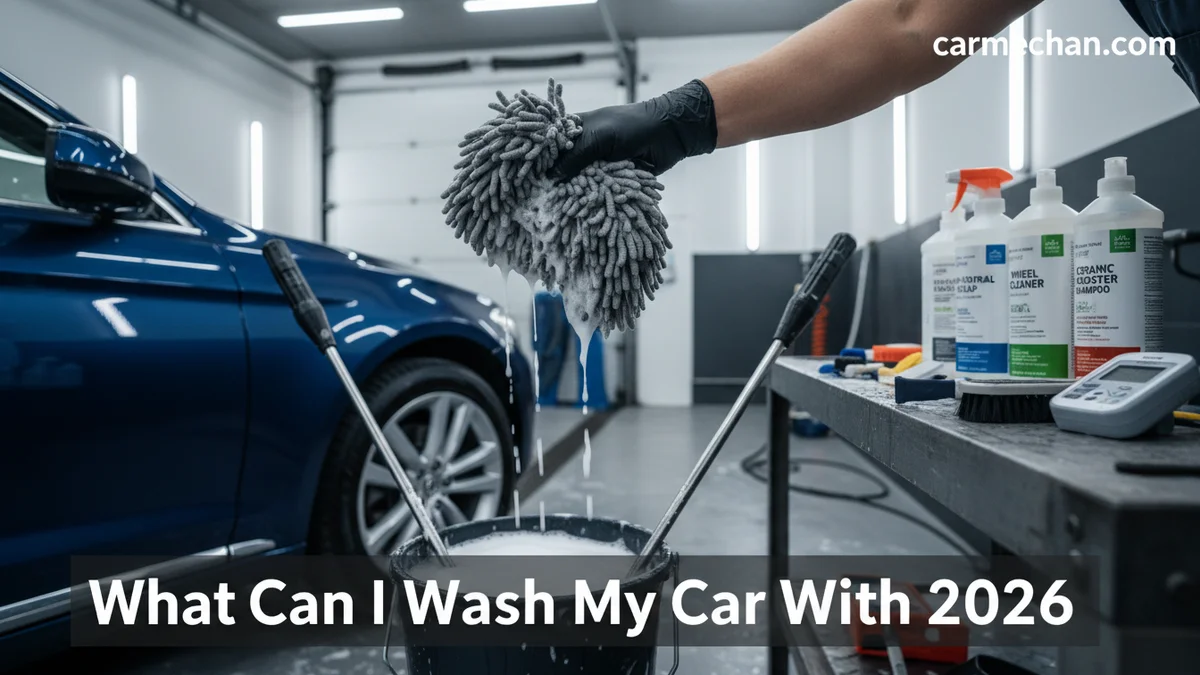
Understand PH Neutrality
pH-neutral car soaps are paramount because they match the neutral pH of your car’s clear coat and existing protection layers. Soaps with a pH between 6 and 8 will not degrade waxes, sealants, or ceramic coatings .
Using harsh alkaline or acidic cleaners can quickly break down these protective barriers. This leaves your paint exposed to oxidation and contaminants.
Seek Lubricating Formulas
Lubricating formulas are essential for preventing swirl marks and scratches during the wash process. These soaps create a slick layer between your wash mitt and the paint surface, allowing dirt particles to glide off without abrading the finish. Products like Meguiar’s Gold Class Car Wash or Chemical Guys Mr. Pink offer excellent lubrication. This reduces friction and minimizes paint marring.
Identify Harmful Chemicals
Many household detergents contain harsh chemicals, degreasers, and abrasives that are detrimental to automotive finishes. Surfactants in dish soap, for instance, are designed to strip oil and grease, which directly targets and removes your car’s protective waxes. Avoid products with ingredients like phosphates, strong detergents, or harsh solvents. These will damage the clear coat over time.
Consider Biodegradable Options
Choosing biodegradable car wash soaps benefits both your vehicle and the environment. These formulas break down naturally, reducing their impact on waterways and local ecosystems. CarPro Reset Intensive Car Shampoo is an example of a product known for its effective cleaning power and environmental consideration. They are effective while being responsible choices.
Beyond the right cleaning agents, having the proper tools is equally vital for a truly effective wash.

Audible — Listen Free for 30 Days
One free credit a month and thousands of titles included.
Listen Free for 30 DaysHow Do 4 Essential Tools Improve Your Car Wash?
Recommended Best Deal Products


Selecting the correct tools is just as critical as choosing the right soap for preventing scratches and achieving a professional-looking finish. Quality equipment ensures a gentle yet thorough cleaning process. It protects your car’s delicate surfaces from unnecessary wear.
Select Proper Mitts
Ditch traditional sponges and invest in high-quality wash mitts made from microfiber or genuine lamb’s wool. Sponges tend to trap dirt against the paint, acting like sandpaper. Microfiber and lamb’s wool mitts, conversely, have deep pile fibers that lift and encapsulate dirt particles away from the surface.
This dramatically reduces the risk of swirl marks. Consider the Rag Company Cyclone Wash Mitt for superior performance [INTERNAL LINK: Best car wash mitts].
Implement Two Buckets
The “two-bucket wash method” is a cornerstone of scratch-free car washing. One bucket contains your soapy wash solution, while the second holds clean rinse water. After washing a section of your car, rinse your mitt in the clean water bucket before returning it to the soap bucket.
This technique prevents dirty water and abrasive particles from being reapplied to your paint. It is a simple yet highly effective system.
Employ Grit Guards
Grit guards are simple but ingenious devices that sit at the bottom of your wash and rinse buckets. Their radial design allows dirt and debris to settle at the bottom of the bucket, keeping your wash mitt clean. These guards physically separate abrasive particles from your mitt .
This prevents them from being dragged across your vehicle’s paint. They are a crucial barrier against swirl marks.
Choose Quality Drying Cloths
Drying your car correctly is just as important as washing it to prevent water spots and scratches. High-quality microfiber drying towels, particularly those with a waffle weave, are exceptionally absorbent and soft. They can soak up large amounts of water without scratching the surface. Consider a specific product like the Griot’s Garage PFM Drying Towel for a streak-free finish.
Air blowers are another excellent touchless option. [INTERNAL LINK: Car wash essentials kit]
Audible Premium Plus — Annual Membership
12 audiobook credits up front, plus the full Audible catalogue.
See Annual PlansWhile dedicated products are best, many wonder about common household items; let’s explore which, if any, are safe for your car.
Are 3 Common Household Cleaners Safe for Your Car’s Finish?
The temptation to use readily available household cleaners on your car is strong, but many common products pose significant risks to your vehicle’s delicate finish. Understanding these dangers is crucial for maintaining your car’s appearance and protection. We strongly advise against shortcuts.
Avoid Dish Soap
No, you should never use dish soap to wash your car. Dish soap is formulated as a powerful degreaser designed to strip away oils and food residues from dishes. When used on car paint, it will effectively remove your protective wax, sealant, or ceramic coating layers.
This leaves your paint exposed, vulnerable to oxidation, fading, and environmental contaminants. It can also dry out rubber and plastic trim over time. [EXTERNAL LINK: Why dish soap is bad for cars – leading detailing blog]
Rethink Laundry Detergent
Laundry detergents are far too harsh for automotive paint and should be completely avoided. These products often contain strong chemicals, brighteners, and sometimes even abrasive particles designed to tackle tough stains on fabric. These ingredients can easily scratch, dull, or chemically etch your car’s clear coat.
They can cause irreversible damage to your paint, trim, and chrome. The risks far outweigh any perceived convenience. [INTERNAL LINK: What not to wash car with]
Caution With Vinegar
While vinegar has specific cleaning properties, it requires extreme caution for car washing. Highly diluted vinegar solutions (e.g., 1:10 water to vinegar) can help dissolve stubborn hard water spots. However, its acidic nature means it can etch clear coat or damage rubber seals if left on too long or used in too high a concentration.
Always rinse thoroughly and avoid prolonged contact. It is not suitable for general washing, only targeted spot treatment. Use it sparingly and carefully. [EXTERNAL LINK: Acidic cleaners and car paint damage – industry study]
Understanding what not to use is just one piece; the quality of your water and how you apply it also significantly impacts your car’s final shine.
How to Achieve a Spotless Car Wash With Proper Water Use?
Recommended Best Deal Products


The path to a truly spotless, streak-free car wash extends beyond just soaps and tools to the very water you use and how you apply it. Water quality significantly influences the final look of your vehicle. Proper technique prevents spots.
Manage Water Quality
Hard water, rich in dissolved minerals like calcium and magnesium, is a primary culprit for water spots and streaks. When hard water dries on your car, these minerals are left behind, creating unsightly white deposits. Consider using a deionizing filter or a water softener for your wash water if you have hard water [EXTERNAL LINK: Benefits of deionized water for car washing – detailing supply website].
Collecting rainwater can also provide a softer, spot-free rinse. [INTERNAL LINK: Hard water spots car wash]
Optimize Pressure Washer Technique
A pressure washer can be an invaluable tool for quickly rinsing dirt and grime, but safe technique is crucial. Maintain an appropriate distance, typically 12-18 inches, from the paint surface to avoid damage. Use a wide-angle nozzle, such as a 25-degree or 40-degree tip, for a gentler, broader spray.
Never aim the high-pressure stream directly at trim, emblems, or window seals. These areas are prone to lifting or damage. Always use appropriate PSI for automotive surfaces.
Employ Touchless Drying Methods
Touchless drying minimizes the risk of introducing swirl marks during the final step. Sheeting water off your car with a gentle flow from an open-ended hose attachment helps remove most surface water. Following this with a dedicated car dryer or leaf blower (ensure it’s clean and oil-free) will evaporate remaining water without physical contact.
For any remaining droplets, gently blot with a premium waffle-weave microfiber towel, rather than dragging it across the surface . This ensures a pristine, scratch-free finish. [EXTERNAL LINK: Advantages of touchless drying – detailing expert blog]
With the right products, tools, and techniques, you’re well on your way to a perfectly clean car, but let’s recap some common questions.
Elevate Your Car Care in 2026
Mastering what can you wash your car with involves a commitment to specialized products and careful techniques. We have explored the critical distinctions between safe, pH-neutral car soaps and harmful household detergents. We have also emphasized the importance of quality tools like microfiber mitts and the two-bucket method to prevent paint damage.
By prioritizing proper water management and drying, you can achieve a professional, scratch-free finish at home. Embrace these best practices to protect your investment and keep your vehicle looking its best for years to come. Your car’s paint will thank you.
Your 5 Top Questions About Car Washing Answered
Can I Use Dish Soap to Wash My Car Without Damaging It?
No, you should not use dish soap. Dish soap is formulated to strip grease and will remove your car’s protective wax or sealant layers, leading to dull paint and increased susceptibility to damage. Always opt for pH-neutral car wash soap instead.
What Is the Best Type of Wash Mitt for a Scratch-Free Car Wash?
The best types of wash mitts for a scratch-free car wash are made from microfiber or genuine lamb’s wool. These materials are soft, highly absorbent, and designed to gently lift dirt away from the paint surface, minimizing friction and preventing swirl marks effectively.
Is Using a Pressure Washer Safe for Washing My Car’s Paint?
Yes, a pressure washer can be safe for car paint when used correctly. Maintain an appropriate distance (at least 12-18 inches), use a wide-angle nozzle (e.g., 25-40 degrees), and avoid directing the stream at sensitive areas like window seals or emblems to prevent damage.
Why Is the Two-Bucket Wash Method Recommended for Car Cleaning?
The two-bucket method is recommended to prevent scratches. One bucket contains soapy water for washing, while the second bucket contains clean rinse water to clean the wash mitt before re-soaping. This keeps abrasive dirt particles off your car’s paint surface.
What Should I Use to Dry My Car After Washing to Avoid Water Spots?
To avoid water spots, use a high-quality, absorbent microfiber drying towel (like a waffle weave) or a forced-air car dryer. Sheeting water off the surface first with an open hose also helps significantly, minimizing contact drying.