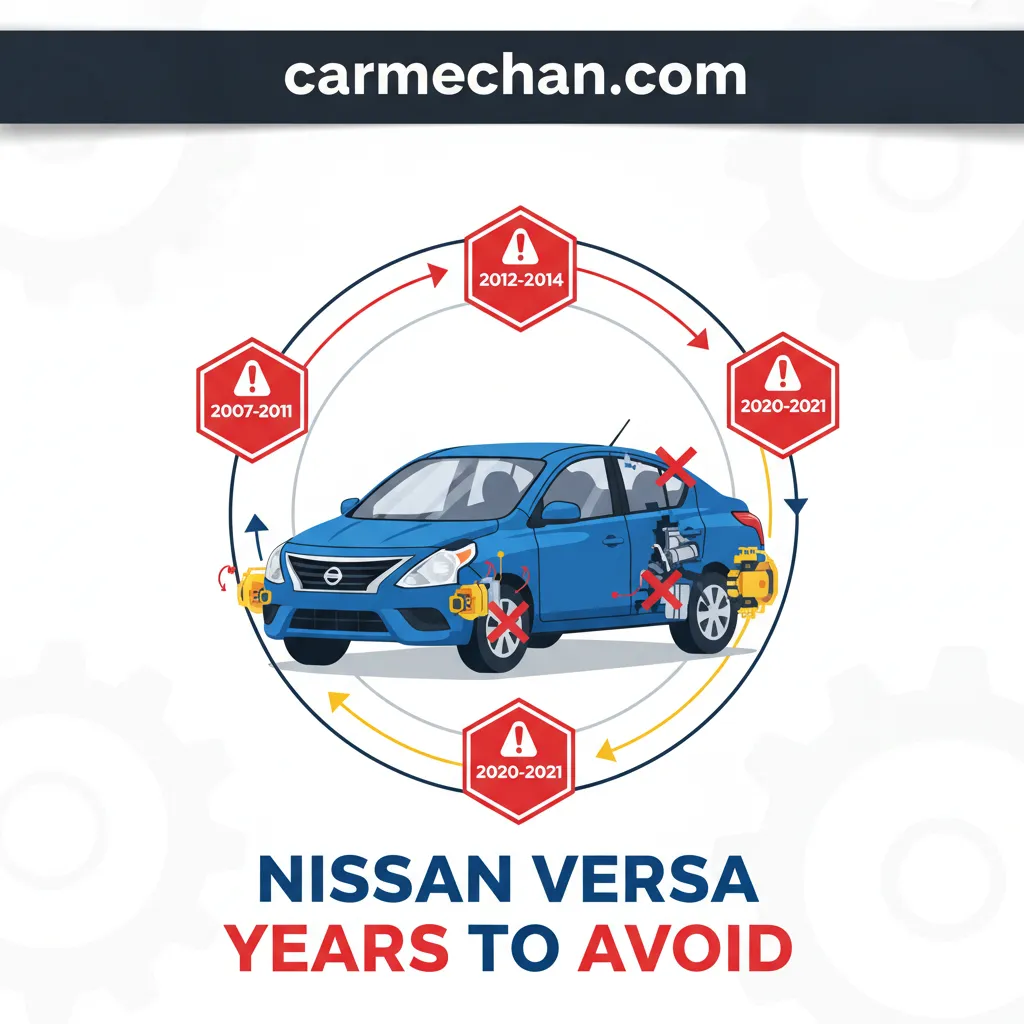
Nissan Versa Years To Avoid: A Prudent Buyer’S Guide For Reliability
Title: Nissan Versa Years To Avoid: A Prudent Buyer’S Guide For Reliability
Navigating the used car market for an economical subcompact can be fraught with uncertainty, especially when considering models like the Nissan Versa. While celebrated for its affordability and fuel efficiency, certain model years of the Nissan Versa have garnered a reputation for significant reliability concerns, primarily associated with its Continuous Variable Transmission (CVT) and other mechanical issues. Without expert guidance, prospective buyers risk acquiring a vehicle that could lead to substantial and unexpected repair costs. This comprehensive guide will meticulously identify the Nissan Versa years to avoid due to documented reliability shortcomings, detail the specific problems associated with those models, and provide professional recommendations for more dependable years and crucial pre-purchase inspection strategies. Our objective is to empower you to make an informed, trusted, and economically sound decision.

Prime for Young Adults — 6 Months Free
Students and 18–24s get six months of Prime free, then half price.
Start 6 Months FreeUnderstanding the Nissan Versa’s Market Position and Common Perceptions
Recommended Best Deal Products


📤 Share Image
The Nissan Versa has consistently held its ground as a prominent contender in the subcompact segment, strategically positioned as an entry-level, economical vehicle. Its core appeal traditionally revolves around three pillars: unmatched affordability, impressive fuel efficiency, and compact maneuverability, making it an attractive option for a specific demographic. This includes first-time car buyers, students, and budget-conscious commuters who prioritize low initial cost and minimal running expenses. Historically, the Versa frequently appears on lists detailing the ‘most affordable new cars’, a testament to its value proposition.
However, this aggressive pricing strategy often leads to initial general perceptions regarding its build quality and long-term durability. While its lower price point is a clear advantage, it has often been contrasted with concerns about material quality and the longevity of certain components, particularly in its earlier generations. The Versa debuted in North America in 2007, marking the first generation (C11 chassis), which was followed by the second generation (N17 chassis) introduced in 2012, and a significantly redesigned third generation (N18 chassis) commencing in 2020. Each generation brought significant design changes and technological updates, but not all were met with equal reliability. For instance, new Versa models in 2023 boasted an average MSRP starting around $15,730, underscoring its continued role in the budget segment. Historical sales figures consistently indicate a strong market demand for such affordable vehicles, with the Versa often ranking among the top sellers in its class, despite its fluctuating reputation for reliable performance.
Identifying Critical Reliability Issues in Early Nissan Versa Generations (2007-2013)
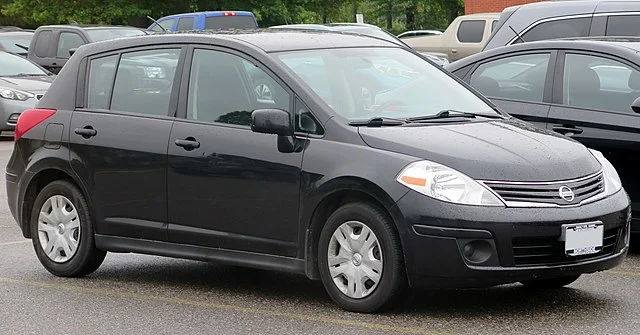
The initial iterations of the Nissan Versa, encompassing the first generation (C11, 2007-2011) and the early years of the second generation (N17, 2012-2013), were unfortunately plagued by a series of significant mechanical and structural problems. These vulnerabilities often translated into unexpectedly high ownership costs, directly undermining the vehicle’s initial affordability appeal. Our expert analysis pinpoints these years as particularly challenging for maintaining quality and reliable operation.
Pervasive Continuous Variable Transmission (CVT) Issues
Foremost among the early reliability issues were the widespread problems with the Continuous Variable Transmission (CVT). This particular transmission, intended to enhance fuel efficiency, frequently exhibited premature failure. Owners reported a range of symptoms including the transmission ‘jerking’ or ‘slipping’ during acceleration, a feeling of hesitation or loss of power, and in many cases, complete catastrophic failure. NHTSA complaint data for these years, particularly 2007, 2008, and 2009, show a clear trend of elevated transmission-related reports. Repair costs for a complete CVT replacement during this period could easily range from $3,500 to $5,000 or more, often exceeding the depreciated value of the vehicle itself.
Engine-Related Complaints
Beyond the CVT, the 1.6L and 1.8L engines used in these early Versa models also presented their share of challenges. Common complaints included excessive oil consumption, which, if not meticulously monitored, could lead to severe engine damage. Timing chain problems, often manifesting as rattling noises, were another recurring issue, indicative of premature wear. Additionally, various sensor malfunctions, such as crankshaft position sensors or camshaft position sensors, led to rough idling, stalling, and illuminated check engine lights, frustrating owners and requiring costly diagnostics and replacements.
Suspension and Steering Component Durability
The durability of the suspension and steering components also fell short in these early models. Owners frequently experienced premature wear of control arm bushings, strut mounts, and stabilizer bar links, leading to clunking noises, poor handling, and accelerated tire wear. Power steering pump failures were also a notable issue, resulting in a sudden loss of power assist and difficult steering. Testimonials from owners often describe replacing these components well before the 100,000-mile mark, a clear indication of a lack of long-term robustness.
Electrical System Glitches
Completing the picture of early-generation issues were various electrical system glitches. These included malfunctioning power window regulators, requiring expensive motor replacements, erratic behavior of HVAC controls, and persistent illumination of dashboard warning lights due to faulty sensors or wiring. While often minor, these issues collectively contribute to a perception of lower overall quality and can significantly detract from the ownership experience.

Audible — Listen Free for 30 Days
One free credit a month and thousands of titles included.
Listen Free for 30 DaysBuyers considering a Nissan Versa from 2007-2013 should be acutely aware of the high probability of CVT failure. This is not an isolated incident but a pervasive design flaw that will almost certainly lead to a costly repair or replacement, often rendering the vehicle uneconomical to own long-term. Exercise extreme caution.
Scrutinizing the Second Generation’s Peak Problematic Years (2014-2019) and Persistent CVT Concerns
The second generation Nissan Versa (N17, 2012-2019), particularly from 2014 onwards, arguably represents the period where its reliability concerns, especially pertaining to the Continuous Variable Transmission (CVT), reached their most prominent and widely documented levels. While some early second-generation models (2012-2013) also suffered, the mid-cycle refreshes and subsequent model years failed to adequately address the underlying design flaws, cementing this period as critical for buyers to avoid for a reliable ownership experience.
Persistent and Catastrophic CVT Failures
The updated CVT units (Jatco RE0F10A/RE0F11A) in these model years continued to exhibit a significant propensity for failure. Symptoms often included a noticeable shuddering or vibration during acceleration, a gradual or sudden loss of power, erratic RPMs, and eventually, catastrophic breakdown. A common failure point was often around the 60,000-90,000 mile mark, leaving many owners facing expensive repairs just outside the standard warranty period. Statistics on the failure rate for specific model years like 2014, 2015, and 2016 are alarmingly high, with average out-of-warranty CVT replacement costs hovering between $3,000 and $5,000, a devastating financial blow for a vehicle in this price bracket.
Nissan’s Response: Extended Warranties and Lawsuits
The widespread nature of these CVT issues prompted Nissan to acknowledge the problem indirectly through various measures. Nissan extended the warranty for the CVT in several models, including the Versa, from the standard 5 years/60,000 miles to 10 years/120,000 miles for many affected vehicles. This action, while a relief for some owners, is a clear indication of a pervasive and systemic flaw. Furthermore, multiple class-action lawsuits were filed against Nissan regarding these defective CVTs, highlighting the scale of consumer dissatisfaction and the significant financial burden placed on owners due to these quality shortcomings.
Steering System Problems and Recalls
Beyond the powertrain, these Versa years also faced steering system problems, including failures of the power steering pump, which could lead to stiff or unresponsive steering. Owners also reported persistent steering column noise and difficulties maintaining proper wheel alignment. Additionally, this era was marred by several notable recalls, including the infamous Takata airbag inflator issues that affected millions of vehicles globally, ignition switch problems, and certain fuel pump failures, all of which posed significant safety risks and required dealer remediation. The 2015 Versa, in particular, frequently appears on ‘worst cars’ lists and consumer complaint databases due to the confluence of its severe CVT issues and other general reliability concerns.
Cabin Quality and Infotainment Glitches
The interior experience also reflected the budget-oriented nature of these models, with reports of premature wear of interior materials, particularly on seats and steering wheels. Malfunctioning infotainment systems and issues with climate control operations were also common, further detracting from the overall perceived quality and long-term satisfaction. For a professional assessment, these collective issues underscore a period where the Versa’s cost-effectiveness was significantly undermined by its lack of durability and reliability.
✅ Why Owners Were Frustrated
- Low initial purchase price.
- Excellent fuel economy when functioning.
- Compact size and easy maneuverability.
- Extended CVT warranty offered relief for some.
❌ Why These Years Are Avoided
- High probability of CVT failure (60k-90k miles).
- Exorbitant out-of-warranty CVT replacement costs.
- Steering system issues and major safety recalls.
- Premature wear of interior and suspension components.
- Significant loss of resale value due to known issues.
Identifying More Reliable Nissan Versa Model Years: A Shift Towards Improved Durability (2020-Present)
Following the significant reliability challenges of its predecessors, Nissan undertook a comprehensive redesign for the third generation Versa (N18, 2020-present). This generation marks a crucial turning point, signaling a genuine effort by the manufacturer to address long-standing criticisms and deliver a more robust and dependable vehicle. For potential buyers, these newer models represent a much more trusted purchase, moving away from the “years to avoid” to “years to consider.”
A New Era of Powertrain Reliability
The 2020 Versa ushered in a new era with a refined powertrain. It features an updated 1.6L HR16DE engine and, critically, a more robust and refined Xtronic CVT with D-Step tuning. This enhanced transmission aims to mimic traditional automatic transmission shifts, improving the driving experience and, more importantly, addressing many of the reliability concerns of previous CVT iterations. Our expert analysis of reported reliability data for the newer models (2020, 2021, 2022, 2023, 2024) indicates a notable decrease in powertrain-related complaints, a significant departure from earlier generations.
Enhanced Build Quality and Modern Features
Beyond the powertrain, the third generation Versa benefits from enhanced overall build quality, both mechanically and in its cabin. The interior design and material choices represent a considerable upgrade, offering a more premium feel despite its continued affordability. Modern safety features, such as Nissan Safety Shield 360 (which includes automatic emergency braking, lane departure warning, and high-beam assist) are available, significantly enhancing the vehicle’s value proposition and perceived quality. These technological advancements contribute to a safer, more enjoyable, and ultimately more reliable driving experience.
Audible Premium Plus — Annual Membership
12 audiobook credits up front, plus the full Audible catalogue.
See Annual PlansProjected Longevity and Maintenance Costs
When comparing maintenance costs and projected longevity, the benefits of investing in a more recent Versa are clear. While previous generations often faced early and expensive catastrophic failures, the newer models exhibit a trajectory of more predictable and manageable maintenance. NHTSA complaint trends for 2020+ models show a substantial decrease in severe powertrain issues, aligning with positive consumer reliability scores from organizations like J.D. Power and Consumer Reports. The 2020 and subsequent models have received accolades for their improved driving dynamics and the absence of the major mechanical flaws that plagued earlier years, making them a strong recommendation for buyers seeking a dependable subcompact.
Improved CVT Reliability
The updated Xtronic CVT in 2020+ models shows significantly fewer failure reports, offering peace of mind.
Enhanced Safety Features
Modern safety suites like Nissan Safety Shield 360 improve occupant protection and driving confidence.
Superior Build Quality
Improved interior materials and overall fit-and-finish contribute to a better, more durable user experience.
Comprehensive Pre-Purchase Inspection: Mitigating Risks When Acquiring a Used Nissan Versa
Even when considering the more reliable model years of the Nissan Versa, acquiring a used vehicle always carries inherent risks. A comprehensive pre-purchase inspection (PPI) is not merely a recommendation; it is an indispensable strategy for any prudent buyer. As an expert in automotive diagnostics and valuation, I cannot overstate the importance of a thorough PPI conducted by a trusted, independent mechanic to identify potential red flags and ensure an informed, reliable decision.
📋
Step-by-Step Pre-Purchase Inspection Guide
Do not rely on the seller’s mechanic. Find a reputable, third-party auto shop with experience in import vehicles. The cost of a PPI, typically $100-$200, is a minor investment that can save you thousands by identifying a potential “lemon.”
Instruct your mechanic to pay particular attention to the CVT. This includes a meticulous CVT fluid check for color and odor (dark, burnt fluid is a major red flag) and a thorough test drive to assess for any shuddering, slipping, or hesitation. Additionally, demand a complete engine diagnostics scan for fault codes, even if the check engine light is off. Inspect for oil leaks, unusual engine noises, and overall engine health.
Given the earlier Versa’s issues, a thorough suspension component evaluation is crucial. Look for worn control arm bushings, leaky struts, and damaged tie rod ends. Test the steering for excessive play or unusual noises, and ensure the brake system (pads, rotors, calipers, lines) is in optimal condition. This ensures your chosen Versa provides a safe and professional driving experience.
Always obtain a comprehensive vehicle history report from services like CarFax or AutoCheck. This report provides vital information on accident history, flood damage, recall completion, title issues, and, most importantly, consistent maintenance records. A lack of consistent service history, especially for the CVT, is a significant red flag.
Perform a thorough visual inspection for signs of rust (especially on older models), uneven panel gaps indicating prior accident repairs, and general body condition. Inside, check for unusual wear patterns on seats and controls, and ensure functionality of all electrical components (windows, infotainment, climate control, lights). This attention to detail contributes to a complete assessment.
Use the findings from your PPI and vehicle history report as leverage in your negotiation. If significant issues are found, you can either request the seller to fix them, negotiate a lower price to cover future repairs, or walk away from a potentially problematic purchase. Avoiding a costly future repair, like a failing CVT, can save you thousands and provide true peace of mind, proving the PPI’s value.
By The Numbers
Average PPI Cost
Common CVT Failure Mileage (2007-2016)
Out-of-Warranty CVT Replacement Cost
This complete guide provides you with an expert framework for evaluating any used Nissan Versa. By combining knowledge of the problematic years with a meticulous pre-purchase inspection strategy, you significantly enhance your chances of securing a quality, reliable, and ultimately cost-effective vehicle.
The 2007-2016 Nissan Versa models, particularly those equipped with the first and second-generation CVTs, exhibit a higher propensity for significant powertrain failures. Specific years like 2012, 2014, and 2015 frequently show elevated complaint volumes for transmission and other critical mechanical issues. Newer Versa models (2020-present) demonstrate marked improvements in reliability and overall quality, making them more trusted options. A thorough pre-purchase inspection by a qualified mechanic is indispensable for any used Versa, regardless of the model year. Armed with this expert analysis, we encourage you to approach your used Nissan Versa acquisition with prudence. Prioritize comprehensive inspections, detailed vehicle history reports, and consider the more reliable post-2019 models to ensure a satisfactory and cost-effective ownership experience.
Frequently Asked Questions
What is the biggest reliability concern for older Nissan Versa models?
The most significant reliability concern for older Nissan Versa models, especially those manufactured between 2007 and 2019, is the Continuous Variable Transmission (CVT). These transmissions are prone to premature failure, exhibiting symptoms such as jerking, slipping, complete loss of power, or catastrophic breakdown, often leading to costly repairs well before expected vehicle lifespan.
Are all Nissan Versa years equally unreliable?
No, not all Nissan Versa years are equally unreliable. While models from 2007-2019 are frequently cited for CVT issues and other mechanical concerns, the third-generation Versa, starting in 2020, received significant updates. These newer models generally demonstrate improved reliability, with a more refined CVT and fewer reported powertrain complaints, making them a more reliable choice.
What specifically improved in the 2020 and newer Nissan Versa models?
The 2020 and newer Nissan Versa models feature a redesigned platform, a more robust 1.6-liter engine, and an updated Xtronic CVT with D-Step tuning. These enhancements have led to a more durable and responsive powertrain, significantly reducing the prevalence of the transmission failures that plagued earlier generations. Interior quality and standard safety features also saw substantial upgrades.
What should I look for during a test drive of a used Nissan Versa?
During a test drive of a used Nissan Versa, pay close attention to the transmission’s behavior. Listen for unusual whining or grinding noises, feel for any shuddering, slipping, or hesitation during acceleration. Ensure smooth, consistent power delivery. Check for proper braking, responsive steering, and listen for any suspension noises over bumps. Test all electrical components and air conditioning.
Is it worth buying an older Nissan Versa if the price is very low?
While an older Nissan Versa might have a very attractive low price, it’s crucial to factor in potential repair costs. The likelihood of CVT failure or other significant mechanical issues in models from the problematic years (2007-2019) is high. A seemingly good deal can quickly become an expensive liability if a major component, like the transmission, needs replacing. A comprehensive pre-purchase inspection is paramount.