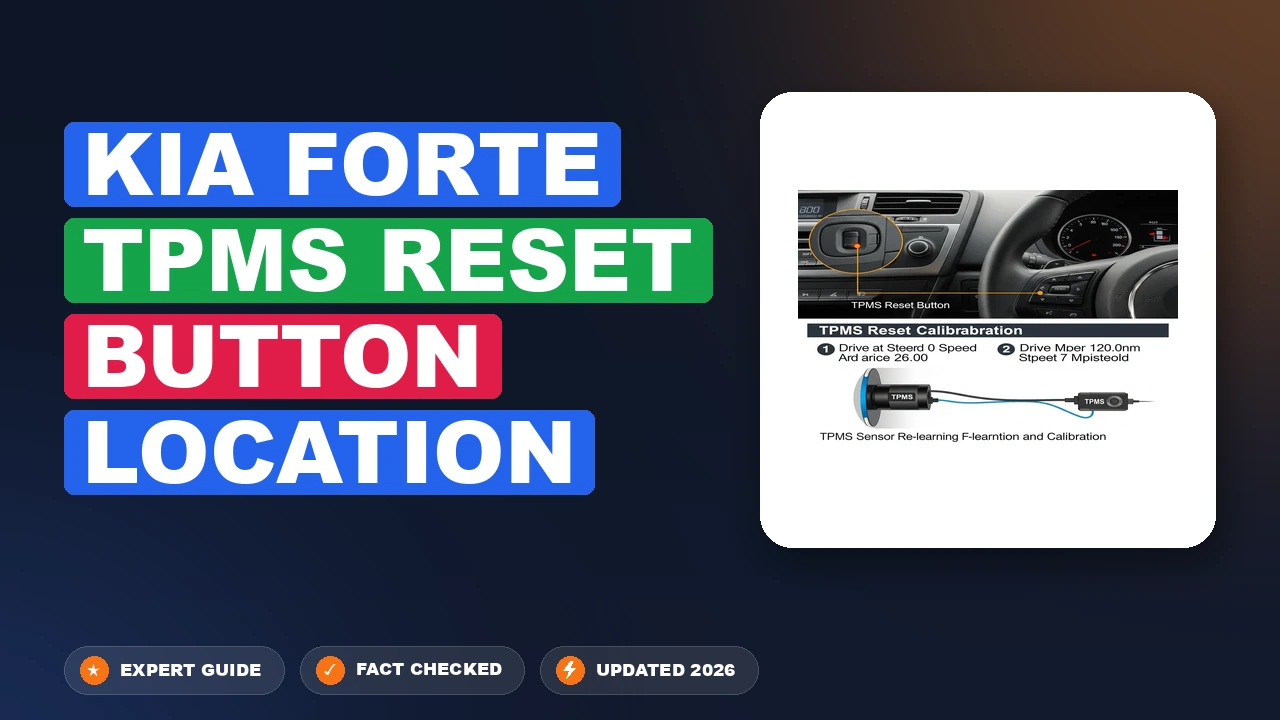
Kia Forte TPMS Reset Button Location: Clarified for 2026 Models
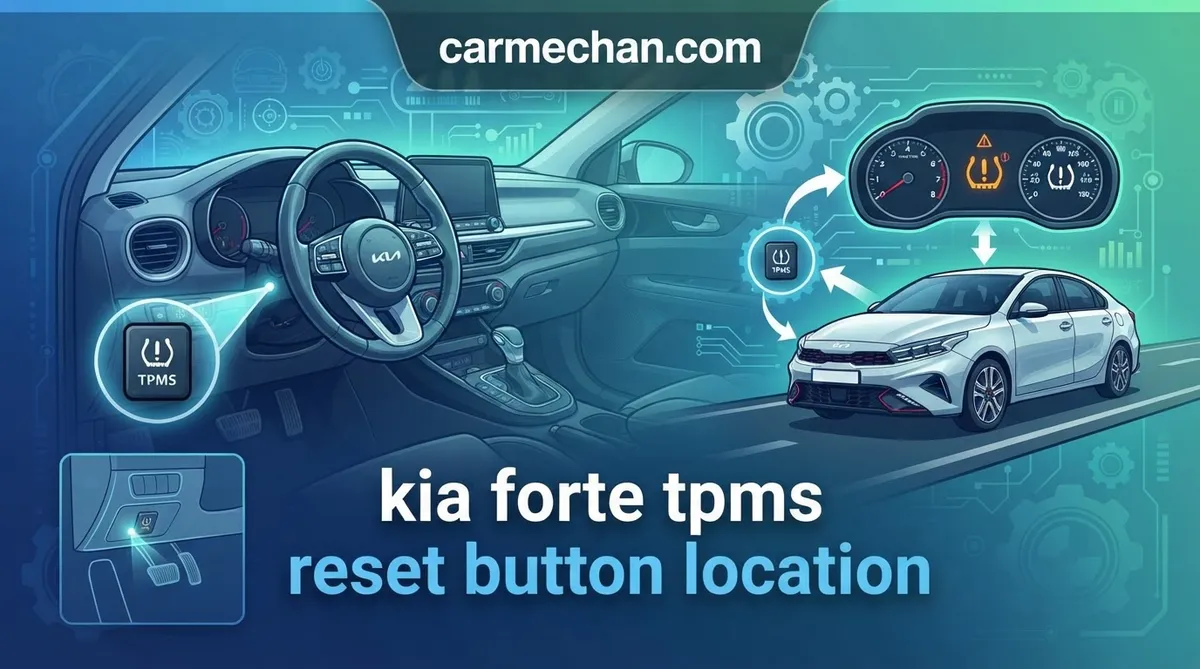
Are you staring at your dashboard, frantically searching for a reset button that simply isn’t there? Many Kia Forte owners find themselves misled by internet forums and outdated manuals suggesting a hidden physical reset switch to clear a TPMS warning light. The reality is that your vehicle utilizes a sophisticated, automated system designed to eliminate the need for manual interference. This guide provides the exact factory-approved procedure for initializing your Kia Forte’s tire pressure monitoring system, ensuring your vehicle’s safety sensors are calibrated for the road ahead.


Understanding Kia Forte TPMS Reset Button Location Realities
📤 Share Image

Direct TPMS Sensor Technology
Modern Kia Forte vehicles, including the current 2026 iterations, employ a Direct Tire Pressure Monitoring System (TPMS). Unlike older indirect systems that calculate pressure by comparing wheel speeds through the ABS sensors, a direct system uses individual radio-frequency sensors mounted inside each wheel assembly. These sensors measure the actual air pressure and temperature of the tire and transmit that telemetry data wirelessly to the vehicle’s Engine Control Unit (ECU).
The Myth of the Hidden Reset Switch
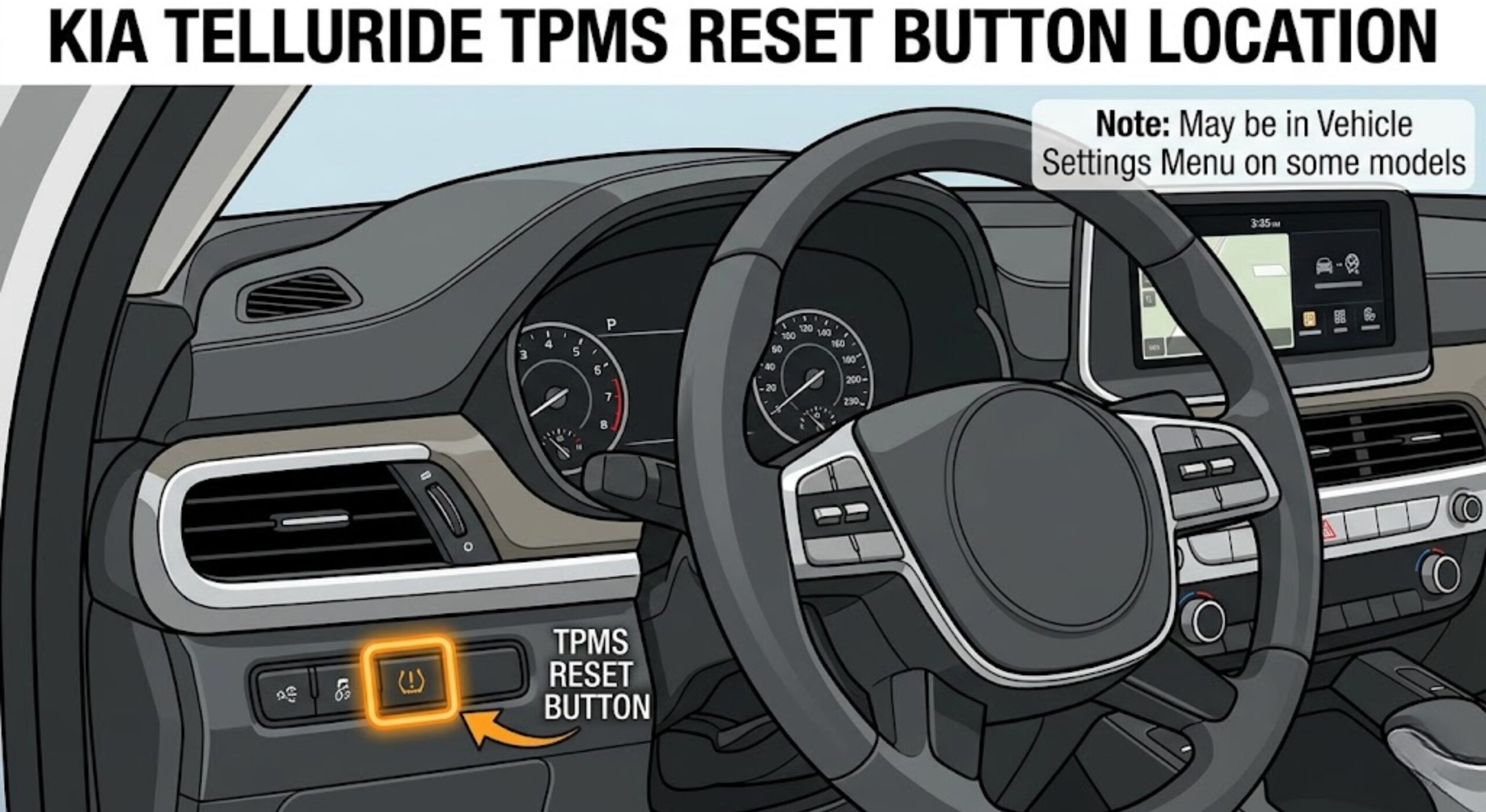
If you have spent time scouring the underside of your steering column or the glovebox for a “reset” switch, you are not alone. This confusion stems from other manufacturers, such as Toyota or older Lexus models, which historically used a physical under-dash button to calibrate the system. The Kia Forte, however, was engineered for a “fresh start” logic. By removing the button, Kia engineers ensured that the system remains tamper-proof and strictly reliant on verified physical pressure readings.

ECU Communication and Data Processing
The ECU acts as the brain for your TPMS. It constantly receives updates from the four corner sensors. When a pressure variance is detected, the ECU sends a signal to your instrument cluster. Because the system is in a constant state of “live” monitoring, there is no need to manually initiate a reboot. As soon as the ECU detects that the tire pressure has returned to the manufacturer-specified range, it automatically clears the warning light.
Standard Procedure for Kia Forte TPMS Sensor Initialization
📋
Step-by-Step Initialization Guide
Consult the placard located on the driver-side door jamb. Never use the PSI listed on the tire sidewall, as that is the maximum rating, not the vehicle manufacturer’s recommended inflation level.
Using a high-quality digital gauge, inflate all four tires to the exact specification. Be sure to check the spare if your vehicle is equipped with one, as that can sometimes interfere with readings.
Drive the vehicle for at least 10–15 minutes at speeds above 20 mph. This provides the sensor array enough data to confirm the pressure is stable and allows the system to initialize.
Diagnosing a Flashing TPMS Light and Sensor Faults
Solid Light vs. Flashing Warning Indicator
The dashboard indicator serves as a diagnostic tool. A solid light indicates that one or more tires have dropped below the recommended PSI. However, a flashing light that persists for 60–90 seconds upon startup signifies a system malfunction. This is a critical distinction; if the light flashes, the computer is telling you it can no longer communicate with at least one sensor.
Impact of Cold Weather on Air Pressure


Physics dictates that air density increases as temperature drops. For every 10°F drop in ambient temperature, tire pressure typically drops by about 1 PSI. This is the most common cause of “false” triggers during autumn and winter months. Because the system is sensitive, even a modest fluctuation can cause the light to illuminate, requiring you to restore proper inflation levels.
When to Visit a Professional Tire Shop
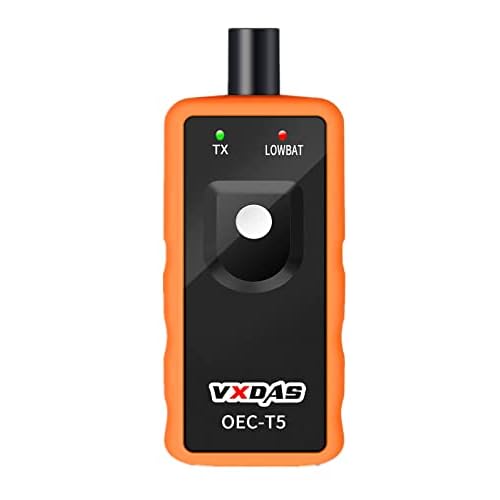
If you have confirmed your tire pressure is correct and the light remains flashing, the sensor battery has likely reached its end of life, which typically occurs after 5–7 years of service. A professional tire shop uses an OBDII-compatible scan tool to trigger each sensor and identify which specific unit has failed. Replacement is a routine procedure that requires dismounting the tire, installing a new sensor, and performing a software backup to sync the new sensor ID to your car’s ECU.
By The Numbers
Typical Sensor Battery Life
Pressure Drop per 10°F
Troubleshooting Common Kia Forte TPMS Initialization Pitfalls
Preventing unnecessary service visits requires avoiding common owner errors. Here are the professional best practices to ensure your TPMS operates within factory defaults:
- ✔ Never rely on spare tires for pressure monitoring. Most Kia Forte spare tires lack sensors. If you have a flat, the sensor from the removed tire may still be near the vehicle, causing data conflicts.
- ✔ Avoid over-inflation. Pushing PSI above the door jamb recommendation will not “reset” a faulty system; it only creates uneven tread wear and poor handling characteristics.
- ✔ Consider OBDII diagnostic scans. If manual inflation fails to clear the light, do not attempt to “clean” or “reboot” the system by disconnecting the battery. This rarely works and often resets your radio and fuel trims. Use a diagnostic tool to scan the specific sensor health instead.
- ✔ Check for interference. Aftermarket electronics, such as phone chargers or dashcams plugged into 12V outlets, have been known to emit electromagnetic noise that interferes with low-frequency sensor signals in some vehicles.
Ignoring a persistent flashing TPMS light is hazardous. While a solid light warns of low pressure, a flashing light means the system is blind to your tire pressure, leaving you vulnerable to a blowout without warning.
In summary, there is no physical reset button on your Kia Forte. The system is designed for autonomous operation. You should always ensure your tire PSI levels are calibrated based on the driver-side door jamb, not the tire sidewall. Remember that extended driving at highway speeds is frequently required to initialize the system following an inflation event. If your TPMS light remains illuminated after following these steps, visit your local tire shop to have the sensors professionally scanned for hardware malfunctions.
Kia Forte Tpms Reset Button Location: Frequently Asked Questions
Is there a hidden physical reset button for my Kia Forte?
No. Modern Kia Forte models, particularly those produced in the last decade, have moved entirely to an automated, ‘passive’ monitoring system. There is no physical button under the steering wheel or in the glovebox to manually force a system reset. The vehicle’s onboard computer is programmed to continuously scan for sensor signals and calibrate itself automatically during standard driving conditions.
Why does my TPMS light stay on even after I fill my tires?
The system requires a ‘handshake’ between the sensor and the receiver. This occurs after the vehicle has been driven for a sufficient duration—usually 15 to 20 minutes at speeds over 20 mph. If the tires are at the correct pressure but the light persists, the system may still be in the process of updating, or a sensor may have failed to transmit a signal.
Does the cold weather affect my TPMS reading?


Yes. Air density changes with temperature, typically causing a pressure drop of about 1 PSI for every 10-degree Fahrenheit decrease in ambient temperature. In cold weather, your tires may drop below the TPMS threshold even if they were properly inflated during warmer conditions. Always check your tire pressure during the early morning when the tires are cold to get an accurate reading.
How long do I need to drive to reset the light?
Generally, you need to drive the vehicle for at least 15 to 20 minutes at sustained speeds above 20 mph. This provides the TPMS sensors enough time to wake up, transmit their unique IDs and pressure data, and for the vehicle’s Body Control Module to acknowledge the new status. If the light does not turn off after 30 minutes of highway driving, a technical fault is likely present.
Will replacing a tire automatically fix the TPMS light?
If the new tire is installed on an existing rim, the original TPMS sensor should work immediately after proper inflation and a short drive. However, if the entire wheel assembly was replaced, the new sensor ID must be programmed into the vehicle’s computer using a specialized scan tool. Without this programming, the car will not recognize the new sensor, and the light will remain illuminated.