2013 Nissan Altima Bolt Pattern Complete Wheel Specifications Guide
Last Updated on September 1, 2026 by Ryan

⚡ Key Takeaways
- The 2013 Nissan Altima uses a 5×114.3mm (or 5×4.5 inches) bolt pattern.
- The correct center bore for a 2013 Nissan Altima is typically 66.1mm.
- The factory wheel offset for a 2013 Nissan Altima generally ranges from +40 to +45mm.
- The 2013 Nissan Altima typically uses M12x1.25 sized lug nuts with a conical (acorn) seat type.
- The exact bolt pattern for a 2013 Nissan Altima (e.g., 5×114.3mm).
The 2013 Nissan Altima bolt pattern is 5×114.3mm (or 5×4.5 inches), a critical specification for ensuring wheel compatibility and safety. Understanding this and other wheel dimensions is essential for any owner looking to purchase new wheels, tires, or spacers. Incorrect specifications can compromise vehicle performance and pose significant safety risks.
We provide precise details on your 2013 Altima’s bolt pattern, center bore, and offset, guiding you through proper selection for a safe and compatible fitment. This guide emphasizes accurate information, enabling you to make informed decisions for your vehicle.
Our comprehensive article aims to equip DIY car owners and enthusiasts with the expert-level knowledge needed for secure part selection and installation. Here is what you need to know about what this guide covers for your 2013 Altima.
What Does This Guide Cover for Your 2013 Altima?


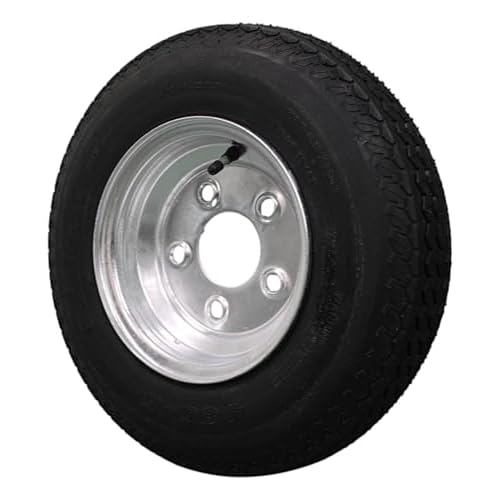
This section precisely outlines the scope of information provided, focusing specifically on the 2013 Nissan Altima. We aim to clarify exact specifications that directly impact vehicle safety and performance.
Selecting compatible wheels and tires requires understanding several critical factors beyond aesthetics. Improper fitment can lead to vibrations, premature component wear, and even catastrophic wheel failure. Our guide addresses these concerns by providing verified data.
- Bolt Pattern: We detail the exact 2013 Nissan Altima bolt pattern, which is The 2013 Nissan Altima utilizes a bolt pattern of 5×114.3mm, indicating five lug bolts on a 114.3mm diameter circle. This specification is crucial for ensuring proper wheel alignment and safety.
5×114.3mm Bolt Pattern Measurement114.3mmPitch Circle Diameter (PCD)For a 5-lug bolt pattern, the Pitch Circle Diameter (PCD) is measured from the center of one stud, through the exact center of the wheel hub, to the diametrically opposite point on the pitch circle.
As shown, for an odd number of lugs, this measurement line will fall *between* two other studs, not directly through one.
. This measurement ensures the wheel correctly aligns with the vehicle’s lug studs.
- Center Bore: Information on the precise The 2013 Nissan Altima has a center bore of 66.1mm, which is the diameter of the hole in the center of the wheel that fits over the vehicle’s hub. A proper fit is essential for hub-centric wheel mounting. center bore. This specifies the diameter of the wheel’s center hole, which must match the vehicle’s hub to prevent vibrations.
- Offset: Explanation of the Factory wheels for the 2013 Nissan Altima typically have an offset range between +40mm and +45mm. This positive offset positions the wheel closer to the car’s body, maintaining proper suspension and fender clearance. factory offset. This dimension determines how far the wheel sits inward or outward from the fender, affecting clearance and handling.
Understanding Wheel Offset
Positive Offset
The mounting surface is outboard (further from the vehicle) relative to the wheel’s centerline, pushing the wheel further inward toward the fender.
Zero Offset
The mounting surface is exactly aligned with the wheel’s centerline, resulting in a balanced wheel position.
Negative Offset
The mounting surface is inboard (closer to the vehicle) relative to the wheel’s centerline, pushing the wheel further outward from the fender.
- Lug Nut Specifications: Exact lug nut thread pitch (The 2013 Nissan Altima uses lug nuts with an M12x1.25 thread pitch. This specifies a 12mm diameter bolt with a 1.25mm distance between threads, ensuring compatibility with the vehicle’s wheel studs.) and seat type (The 2013 Nissan Altima requires lug nuts with a conical, or acorn, seat type. This design ensures the lug nut properly centers the wheel and maintains a secure connection against the wheel’s mounting surface.). Matching these ensures secure wheel attachment and prevents damage to studs or wheels.
- Compatible Tire Sizes: General guidance on common Common factory tire sizes for the 2013 Nissan Altima include 215/60R16 for base models, 215/55R17 for mid-range trims, and 235/45R18 for higher-end or V6 models. These sizes are optimized for vehicle performance and speedometer accuracy. tire sizes for the 2013 Altima, influencing ride quality and speedometer accuracy.
Understanding what’s covered helps identify who will benefit most from this detailed guide, which we explore next.
Who Benefits From This Altima Wheel Specification Guide?


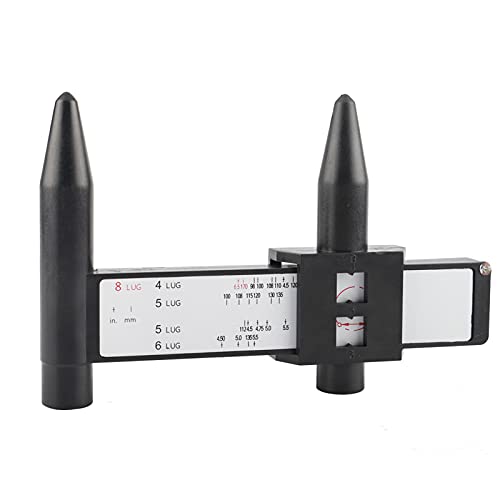
This guide is meticulously crafted for specific individuals and professionals who interact with 2013 Nissan Altima wheel systems. Our goal is to empower users with the precise information needed to ensure safety and proper functionality.

Incorrect wheel specifications can lead to costly repairs and compromise driving safety. This resource prevents those pitfalls by providing accurate, actionable data for various user needs.
- DIY Car Owners/Enthusiasts: Individuals planning to upgrade wheels, rotate tires, or perform routine maintenance will find exact specifications. This supports informed decisions for aftermarket parts, avoiding compatibility issues.
- Professional Mechanics/Technicians: While experienced, mechanics can use this guide for quick reference and verification, especially when working with unfamiliar models or troubleshooting complex wheel-related issues.
- Everyday Drivers with Wheel Issues: Anyone experiencing vibrations, unusual tire wear, or concerns about wheel fitment will find diagnostic support. The guide helps identify if mismatched components contribute to these problems.
- Aftermarket Upgrade Planners: Those considering modifications like wider tires or suspension changes need foundational data. This guide establishes baseline factory specifications for safe and effective customization.
Now that you know who this guide serves, let us explore the core protocol for verifying your 2013 Altima’s wheel specifications.
How to Confirm Your 2013 Altima Wheel Specifications


Follow this core protocol to accurately identify and confirm the crucial wheel specifications for your 2013 Nissan Altima. Precise verification prevents misapplication and ensures operational safety.

We recommend performing these steps in a well-lit area with the vehicle securely supported. Access to a metric ruler or specialized bolt pattern gauge is necessary for accurate measurements.
-
Understanding Bolt Pattern
Step 1: Confirm the Bolt Pattern. The 2013 Nissan Altima typically uses a The 2013 Nissan Altima’s bolt pattern is 5×114.3mm, a common size for many modern Nissan and other Japanese vehicles. This bolt pattern is critical for selecting compatible aftermarket wheels. bolt pattern The detailed specifications for wheel and tire maintenance, including proper torque settings, can be found in the 2013 Nissan Altima Owner’s Manual, Section 8, page 2 (Tires and Wheels) available via nissanusa.com..
This means there are five lug holes, and the distance across opposite studs is 114.3mm.
Step 2: Verify the count. Count the number of lug studs on your Altima’s hub. It should be five. If the count is different, stop and escalate to a Nissan certified technician.
Step 3: Measure the diameter. For a 5-lug pattern, measure from the back of one stud to the center of the stud directly opposite. If your measurement differs significantly from 114.3mm, stop and escalate to an automotive specialist.
-
Measuring Center Bore
Step 1: Locate the hub. The center bore is the hole in the center of the wheel that fits over the vehicle’s hub. The 2013 Nissan Altima requires a The 2013 Nissan Altima features a center bore of 66.1mm. Aftermarket wheels must either match this size or utilize hub-centric rings to ensure a snug fit and prevent vibration. center bore.
Step 2: Measure the hub. Using calipers or a precise ruler, measure the diameter of the hub’s raised center section. Verify it is 66.1mm. If the measurement is significantly off, stop and escalate to an expert mechanic.
If you are struggling with loosening rusted bolts for wheel removal, ensure you use appropriate penetrating oil before proceeding to avoid damage.
-
Determining Wheel Offset
Step 1: Identify factory offset. The 2013 Nissan Altima factory wheel offset generally ranges from The factory wheel offset for the 2013 Nissan Altima generally falls within the +40mm to +45mm range. Deviating significantly from this range can affect handling, suspension geometry, and lead to tire rubbing..
This is a positive offset, meaning the mounting surface is towards the outside of the wheel centerline.
Step 2: Check current wheels. Many aftermarket wheels have their offset stamped on the back. If you are verifying existing wheels, locate this number. If it falls outside the factory range without clear reason, stop and escalate to a wheel fitment specialist.
-
Lug Nut Specifications
Step 1: Confirm thread pitch. The 2013 Nissan Altima typically uses The 2013 Nissan Altima requires lug nuts with an M12x1.25 thread pitch for secure wheel attachment. Using lug nuts with an incorrect thread pitch can damage wheel studs and compromise safety. lug nuts.
Step 2: Verify seat type. The lug nuts utilize a The lug nuts for the 2013 Nissan Altima feature a conical (acorn) seat type. It is imperative to match the lug nut seat type to the wheel’s lug holes to prevent loosening and ensure proper wheel seating.
seat type. If your existing lug nuts have a different thread pitch or seat type from this specification, stop and escalate to a trusted parts supplier or mechanic to prevent wheel damage.
We recommend cross-referencing this information with specific Nissan Altima repair guides or your owner’s manual for further verification.
While these specifications are standard, certain scenarios and modifications present contraindications that must be understood. Building on this understanding of verification, let’s explore scenarios where these standard specifications might need careful consideration or even avoidance.
When Should You Avoid These Altima Bolt Pattern Specs?
Certain conditions and modifications can invalidate the standard 2013 Nissan Altima bolt pattern and wheel specifications. Proceeding with standard fitment in these situations risks vehicle integrity and occupant safety.
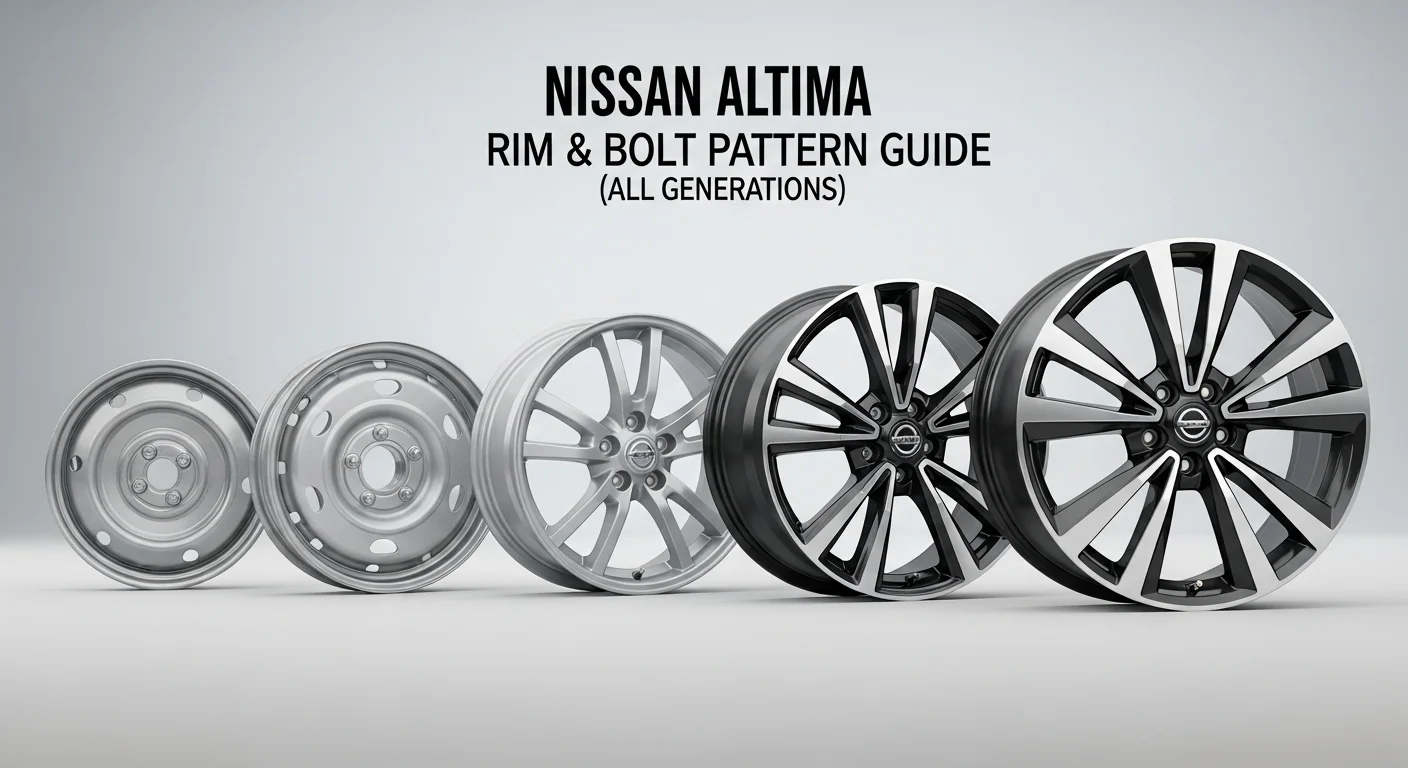
Ignoring these contraindications can lead to serious operational failures. The risk of wheel-related incidents increases significantly with improper component matching.
If any of the following conditions apply, do not proceed with standard wheel fitment. Consult a qualified automotive professional immediately, as the risk of wheel separation, compromised braking, or steering failure increases. Incorrect wheel fitment can elevate the risk of accidents by A 2012 U.S. National Highway Traffic Safety Administration (NHTSA) report indicated that tire and wheel-related issues, which can be exacerbated by incorrect fitment, were identified as a critical contributing factor in approximately 6.9% of all crashes where a critical reason was assigned.. Further information regarding wheel and tire safety, including the importance of correct fitment, can be found in resources like “The National Motor Vehicle Crash Causation Survey: Report to Congress (2012)” from nhtsa.gov.
- Major Vehicle Modifications: If your Altima has undergone significant suspension alterations, such as extreme lowering or lifting, or has aftermarket brake kits installed, standard offset and wheel diameter specifications may not apply.
- Use of Non-OEM or Unverified Aftermarket Parts: If you are using wheel spacers, adapters, or wheels from unknown manufacturers without certified specifications, their compatibility with standard Altima specs is questionable.
- Evidence of Wheel/Hub Damage or Excessive Wear: If you observe cracks, deformation, corrosion, or significant play in the wheel hub, lug studs, or existing wheels, standard specifications will not compensate for underlying structural issues.
- Extreme Environmental or Load Conditions: If the vehicle consistently operates under severe overloading or in environments with extreme off-road use (which is uncommon for an Altima but could apply if modified), standard wheel stress tolerances may be exceeded.
Understanding these contraindications is crucial, as is recognizing common misapplications that lead to errors. This is why understanding potential pitfalls is crucial, as we now common errors associated with Altima wheel fitment.
What Are Common Errors With Altima Wheel Fitment?
Even with correct specifications, several common misapplications can lead to significant issues with 2013 Nissan Altima wheel fitment. These errors often arise from misunderstanding how each specification interacts with the vehicle’s design.
We see these mistakes frequently, and they consistently result in compromised handling and accelerated component wear. Avoiding them saves both money and potential safety hazards.
- Using incorrect bolt pattern conversion using adapters. If adapters convert a 4-lug wheel to a 5-lug hub, this introduces additional points of failure and increases unsprung weight. Adapters must be hub-centric and professionally installed, but they are often a less safe alternative to correct wheels, leading to potential shear forces on studs or vibration.
- Wrong center bore diameter leading to vibrations. If a wheel with a larger center bore than the vehicle’s hub (e.g., 73.1mm wheel on a 66.1mm hub) is installed without hub-centric rings, it leads to the wheel being centered by the lug nuts instead of the hub. This results in persistent, unsettling vibrations at various speeds and can cause lug nut loosening.
- Improper offset selection causing rubbing or fender clearance issues. If wheels with too low (aggressive) an offset are selected, this causes the tire to extend too far outward. This can lead to the tire rubbing against the fender or suspension components during turns or over bumps, damaging tires and bodywork. We often see owners facing solving Nissan Altima issues related to clearance problems.
- Mixing lug nut thread pitches or seat types. If lug nuts with an incorrect thread pitch (e.g., M12x1.5 instead of M12x1.25) are forced onto studs, this strips the threads, preventing secure fastening. If lug nuts with the wrong seat type (e.g., spherical seat on a conical wheel) are used, this creates an improper contact patch, causing lug nuts to loosen or deform, leading to unsafe wheel attachment.
While these are common errors, some ‘edge cases’ present unique challenges to wheel compatibility. Now that we’ve identified common errors, let’s explore specific situations where your Altima’s wheel requirements might inherently differ from standard specifications.
When Do Altima Wheel Requirements Differ From Standard?
Beyond standard configurations, certain edge cases or unique setups may cause 2013 Nissan Altima wheel requirements to deviate. These situations demand careful consideration beyond typical factory specifications.
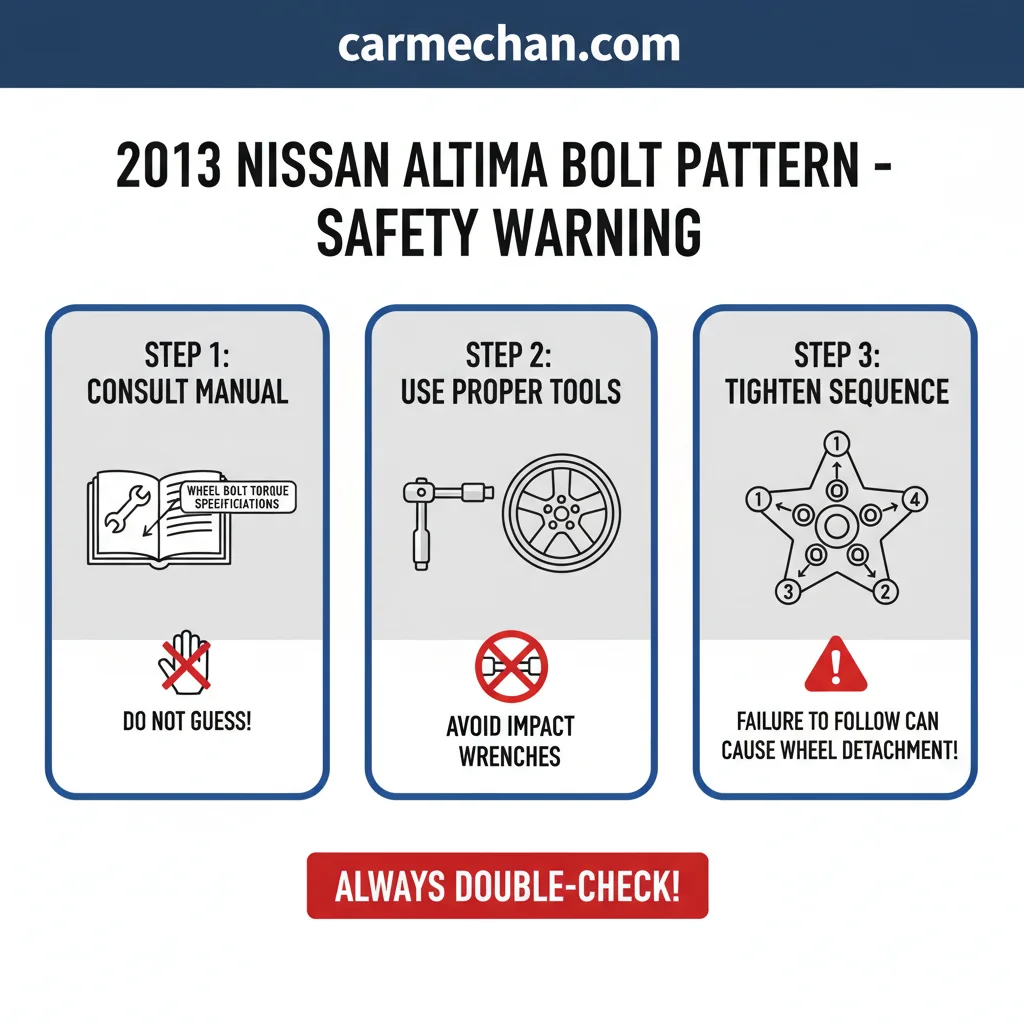
Standard fitment assumes a stock vehicle. Modifications fundamentally alter wheel dynamics and necessitate re-evaluation of all critical dimensions.
- Aftermarket Big Brake Kit Installations: If you install a large aftermarket brake caliper and rotor system, it often requires wheels with a larger diameter (e.g., 18-inch minimum) and/or a specific offset to clear the caliper housing. This is a common Aftermarket modifications like installing larger brake calipers or lowering the suspension on a 2013 Altima can change wheel requirements. Larger brakes may necessitate wheels with a different offset or spoke design for clearance, while lowering often requires increased offset or narrower wheels to prevent fender rubbing. modification. Then, ensuring adequate caliper clearance becomes paramount, often necessitating test fitting.
- Extreme Suspension Lowering or Lifting: If the vehicle undergoes extreme suspension changes (beyond minor lowering springs), the geometry changes dramatically. This often requires different offset wheels to prevent rubbing on inner fender liners or outer fenders, particularly with wider tires. A professional alignment and careful measurement are essential.
- Wide-Body Conversions: If a wide-body kit is installed on the Altima, the fenders are significantly flared, allowing for much wider wheels and tires with a drastically lower (more aggressive) offset than factory. Then, the entire wheel specification paradigm shifts, and custom measurements are required.
If [scenario], then [specific impact on specs] is likely. Always measure and test fit before committing to a purchase. If you encounter these or other complex scenarios, knowing when and how to escalate to professional help is paramount. Here is why careful consideration of all these factors is paramount for maintaining the proper bolt pattern and overall wheel integrity for your 2013 Altima.
How to Seek Professional Help for Wheel Issues?
If you encounter any uncertainty, significant issues, or complex modifications, prompt escalation to a professional is the safest course of action. Attempting to force incorrect fitments or diagnose intricate problems without expertise can lead to severe safety hazards.
Prioritizing safety over DIY cost savings in critical areas like wheels and tires is always recommended. Professionals possess the tools and knowledge for accurate assessment.
- Clear Indicators for Consultation: If you experience persistent vibrations after wheel installation, hear unusual rubbing noises, notice uneven tire wear, or feel any instability while driving, consult a professional immediately. These symptoms suggest a serious fitment or balance issue.
- How to Find a Certified Automotive Professional: Seek out an ASE-certified technician or a reputable shop specializing in wheel and tire services. Look for positive online reviews and inquire about their experience with Nissan vehicles. A Nissan specialist is ideal for model-specific concerns.
- Essential Information to Provide: Before your consultation, prepare a detailed history. This includes specific symptoms, when they started, any recent wheel or tire work, exact part numbers of new components, and a complete list of any vehicle modifications. This information assists in quicker, more accurate diagnosis.
If persistent vibrations occur at speeds above 40 mph after wheel installation, contact an ASE-certified wheel and tire specialist within 24 hours. They can diagnose balancing, fitment, or structural issues effectively. This action prevents potential further damage or catastrophic failure.
When seeking professional advice or simply confirming data, knowing where to find official references is invaluable.
Where to Verify Official Nissan Altima Technical Data?
For ultimate verification and deeper technical understanding, several official and highly reputable sources are available for 2013 Nissan Altima specifications. We encourage cross-referencing to ensure accuracy for any critical decisions.
Relying on official documentation provides the most reliable data. These sources are designed to offer precise, factory-backed information.
- Official Owner’s Manual: Your vehicle’s owner’s manual is the primary source for factory specifications, including recommended tire sizes, wheel diameters, and often basic bolt pattern information. Access a digital version on the Nissan website if the physical copy is unavailable.
- Nissan Factory Service Manuals: These detailed manuals are used by professional technicians and provide comprehensive technical data on every component, including specific wheel and hub dimensions, torque specifications, and repair procedures.
- Reputable Automotive Databases: Websites like Tire Rack, Edmunds, or OEM parts catalogs (e.g., from Nissan dealerships) provide verified wheel and tire fitment data for specific vehicle models and years.
- Tire and Wheel Industry Associations: Organizations such as the Tire Industry Association (TIA) or the Specialty Equipment Market Association (SEMA) offer technical guidelines and standards related to wheel and tire fitment, though they may be more general.
This comprehensive guide aims to be your go-to resource for the 2013 Nissan Altima bolt pattern and wheel specs. For any remaining questions, consult our FAQ.
What Is The 2013 Nissan Altima Wheel Bolt Pattern
Q1: What is the 2013 Nissan Altima bolt pattern?
The 2013 Nissan Altima uses a 5×114.3mm (or 5×4.5 inches) bolt pattern. This specification indicates five lug nuts arranged on a circle with a 114.3mm diameter, crucial for proper wheel mounting and safety.
Q2: What is the correct center bore for a 2013 Altima?
The correct center bore for a 2013 Nissan Altima is typically 66.1mm. This is the diameter of the hole in the center of the wheel that fits over the vehicle’s hub, essential for preventing vibrations and ensuring a hub-centric fit.
Q3: What is the factory wheel offset for the 2013 Nissan Altima?
The factory wheel offset for a 2013 Nissan Altima generally ranges from +40 to +45mm. Offset refers to the distance from the wheel’s mounting surface to its centerline, influencing wheel position relative to the fender and suspension.
Q4: What size lug nuts does a 2013 Nissan Altima use?
The 2013 Nissan Altima typically uses M12x1.25 sized lug nuts with a conical (acorn) seat type. It’s crucial to match both the thread pitch and the seat type of your lug nuts to your wheels for safe and secure installation.
Q5: Can I use aftermarket wheels with a different bolt pattern on my 2013 Altima?
Using wheels with a different bolt pattern is generally not recommended due to safety risks and potential damage. While adapters exist, they can introduce additional points of failure and complications; always prioritize wheels with the correct 5×114.3mm bolt pattern.
How To Ensure Correct 2013 Altima Wheel Fitment In 3 Steps
The 2013 Nissan Altima commonly features a 5×114.3mm bolt pattern, a 66.1mm center bore, and a +40 to +45mm offset. Precise wheel specifications are critical for vehicle safety, maintaining performance, and avoiding costly misapplications and potential hazards.
We emphasize that understanding these exact dimensions is key to safe wheel and tire upgrades or replacements. Always consult official sources like your owner’s manual or a certified mechanic for verification and complex cases to ensure safe operation.
If you’re unsure about any aspect of your 2013 Nissan Altima’s wheel setup, consult a certified automotive technician or refer to your vehicle’s official service manual to ensure safety and proper fitment.