How To Renew Car Insurance
Last Updated on September 1, 2026 by Ryan
how to renew car insurance is an essential topic with practical applications and significant benefits. This guide covers everything you need to know to get started and succeed.
🎯 Key Takeaways


- Understanding how to renew car insurance:Essential knowledge for success in this area
- Practical applications:Real-world scenarios and proven use cases
- Key benefits:Significant advantages when implemented correctly
- Best practices:Important guidelines and expert recommendations
- Future trends:Evolving landscape and emerging opportunities
Renewing your car insurance policy is more than just paying another bill; it’s a crucial opportunity to ensure you have the right coverage at the best possible price. Successfully navigating your renewal means understanding your options, whether that’s accepting your current insurer’s offer or actively seeking new quotes. This proactive approach can lead to significant savings and better protection tailored to your current needs.

This guide will equip you with the knowledge to make informed decisions during your renewal period. We’ll cut straight to the actionable steps and considerations, helping you confidently manage your policy and avoid unnecessary expenses. You’ll learn exactly what to look for and when to act, ensuring a smooth and beneficial renewal experience.
Understanding Your Car Insurance Renewal Process


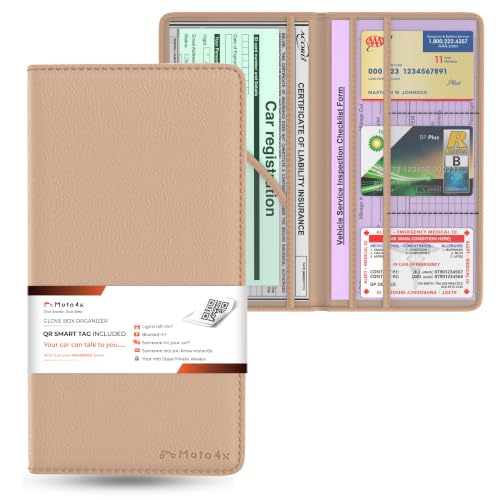
Your car insurance renewal isn’t a passive event; it presents a clear choice between convenience and optimization. Knowing the distinct paths available allows you to control your costs and coverage. Most insurers will automatically renew your policy unless you instruct them otherwise, but this isn’t always the best financial decision.

The Two Paths: Automatic vs. Active Renewal
You essentially have two primary options when your car insurance policy approaches its expiration date:
- Automatic Renewal: Your current insurer will typically send a renewal notice 30-45 days before your policy ends. This notice outlines your updated premium and coverage details for the next term. If you do nothing, your policy will often automatically renew, and your registered payment method will be charged. This offers convenience but might not secure the most competitive rate.
- Active Renewal: This involves proactively evaluating your current policy, your driving needs, and then either negotiating with your existing insurer or shopping around for quotes from multiple providers. This path requires more effort but gives you the power to find a better deal or more suitable coverage.
Choosing active renewal empowers you to challenge price increases and adjust your policy to perfectly fit your current circumstances.
Critical Timelines for Action
Timing is everything when it comes to renewing car insurance. Missing key deadlines can result in a lapse in coverage or limit your options for securing a better deal.
- 30-45 Days Out: This is when your current insurer typically mails or emails your renewal notice. As soon as you receive this, it’s time to review it thoroughly. Look at the proposed premium increase or decrease and any changes to your coverage. This window is your prime opportunity to start comparing quotes.
- 15-20 Days Out: If you plan to switch insurers, aim to finalize your new policy around this time. This provides a buffer for any paperwork or processing delays. You want your new policy to seamlessly begin the day your old one expires.
- Don’t Delay: Waiting until the last minute drastically reduces your negotiating power and ability to compare effectively. Some insurers even offer a “renewal discount” if you commit early.
Acting within this timeframe ensures you avoid any coverage gaps and have ample opportunity to secure the best possible terms.
Car Insurance Renewal Made Easy: Your Essential Action Plan
Renewing your car insurance can feel like a daunting annual chore, but it’s a critical process to ensure you’re legally covered and financially protected on the road. This comprehensive guide will walk you through each vital step, transforming a potentially confusing task into a straightforward exercise. By following these detailed instructions, you’ll be able to confidently assess your needs, compare options, and secure the best coverage for your vehicle and driving habits, often saving money in the process.
Step 1: Gather Your Essential Documents and Information
What you need: Your current car insurance policy document, vehicle registration number (license plate), vehicle make and model details, your driver’s license information, any records of recent claims or driving convictions, and proof of no-claims discount (NCD) if applicable.
Instructions: Locate all relevant paperwork approximately 3-4 weeks before your current policy’s expiry date. This includes your previous insurance certificate, which contains key details like policy number, coverage limits, and any endorsements. Also, have your driver’s license number readily available, along with precise details about your vehicle (e.g., engine size, modifications, current mileage). If you’ve had any accidents or traffic violations since your last renewal, make sure you have the dates and outcomes noted. This preparation is crucial for accurate quote generation.
Pro Tip: Create a dedicated digital or physical folder for all your car-related documents. This ensures everything is in one place, saving you significant time and stress during renewal periods or in case of an accident.
Step 2: Review Your Current Policy’s Coverage and Terms
What you need: Your current insurance policy document (digital or physical copy), a highlighter, and a pen.
Instructions: Carefully read through your existing policy. Pay close attention to the level of coverage (e.g., third-party, third-party fire and theft, comprehensive), your excess amounts (the portion you pay in a claim), any optional extras like breakdown cover or legal protection, and specific terms related to mileage limits or named drivers. Highlight anything you don’t understand or anything that seems excessive or insufficient for your current needs. Note down your No Claims Discount (NCD) years, as this is a significant factor in your premium.
Pro Tip: Don’t automatically renew with the same coverage. Your needs may have changed. This step helps you identify what’s working, what’s not, and potential areas for adjustment or savings.
Step 3: Evaluate Changes in Your Driving Habits and Vehicle Details
What you need: A clear understanding of any changes in your personal circumstances, driving patterns, or vehicle modifications over the past year.
Instructions: Think about any significant changes since your last renewal. Have you moved to a new address? Changed jobs (which might alter your commuting mileage)? Added a new driver to your policy? Had children, affecting your car’s usage? Perhaps you’ve installed an approved security device, upgraded your vehicle’s safety features, or made performance modifications. Even changes in where you park your car overnight (e.g., from street parking to a locked garage) can impact your premium. Be honest and thorough, as these details are crucial for accurate new quotes and avoiding potential claim invalidations.
Pro Tip: Small details matter. Even something like increasing your annual mileage estimate by a few hundred miles can shift your premium. Be realistic about your actual driving habits to avoid paying for coverage you don’t need or under-insuring yourself.
Step 4: Research and Compare Multiple Insurance Quotes
What you need: Internet access, your gathered documents, about 30-60 minutes of uninterrupted time, and a pen/notepad to jot down comparisons.
Instructions: This is where you shop around for the best deal. Visit at least two or three different online comparison websites (e.g., Confused.com, CompareTheMarket, GoCompare in the UK; NerdWallet, Insure.com in the US). Input your details accurately on each site, ensuring consistency. In addition to comparison sites, check direct quotes from insurers who may not be listed on aggregators, such as certain specialist providers or newer online-only companies. Aim to get at least 5-7 quotes with comparable coverage levels. Don’t just look at the cheapest price; scrutinize what’s included and excluded in each policy.
Pro Tip: Clear your browser cookies before revisiting comparison sites, as sometimes they track your activity and may not show you the absolute best deals on subsequent visits. Also, try adjusting your voluntary excess to see how it impacts the premium – a higher voluntary excess often means a lower premium, but ensure it’s an amount you’re comfortable paying in a claim.
Step 5: Negotiate and Secure the Best Policy
What you need: Your best quotes from Step 4, phone access, and an understanding of your preferred coverage requirements.
Instructions: Once you have a shortlist of competitive quotes, contact your current insurer. Inform them that you’ve received better offers elsewhere and ask if they can match or beat them. Many insurers have a retention department willing to negotiate to keep your business. Be prepared to haggle politely. If your current insurer can’t compete, select the best new policy that meets your needs and budget. Double-check all details before finalising the purchase – policy start date, personal information, vehicle details, and coverage specifics.
Pro Tip: Consider the insurer’s customer service reputation. A slightly higher premium with a company known for excellent claims handling and support can be more valuable than the absolute cheapest policy from an insurer with poor reviews.
Step 6: Finalize Your Purchase and Confirm Coverage
What you need: Your chosen payment method (credit/debit card, bank account details for direct debit), and access to the internet or phone.
Instructions: Proceed with the purchase of your chosen policy. This can typically be done online or over the phone. Ensure the policy’s effective start date is correctly set to either immediately follow the expiry of your old policy or to start on the day you need coverage. Immediately after payment, you should receive a confirmation email containing your policy schedule and certificate of insurance. Review these documents carefully to confirm all details are accurate, especially your name, vehicle registration, and coverage level. Save or print these documents for your records.
Pro Tip: Never let your insurance lapse, even for a single day. Driving without valid insurance is illegal and can lead to severe penalties. Set your new policy to start precisely when your old one expires to ensure seamless coverage.
Step 7: Cancel Your Old Policy (If Switching Insurers)
What you need: Your old policy details, your new policy confirmation, and phone access.
Instructions: If you’ve opted for a new insurer, it’s vital to formally cancel your old policy. Do not assume it will automatically expire or be cancelled by your new insurer. Contact your previous insurance provider via their customer service line or online portal. Provide them with your old policy number and the exact date from which you wish to cancel. Confirm if there are any cancellation fees (usually if you cancel mid-term, not at renewal). Obtain written confirmation of your policy’s cancellation for your records, ensuring it clearly states the end date of coverage.
Pro Tip: Check your old policy’s terms for cancellation fees. If you’re switching exactly at the renewal date, there usually aren’t fees. However, if you cancel mid-term (e.g., your new policy starts before your old one ends), you might incur a pro-rata refund minus an administration charge.
Step 8: Update Your Vehicle Records and Keep Proof of Insurance Accessible
What you need: Your new insurance policy documents (physical and digital copies), and knowledge of local vehicle registration requirements.
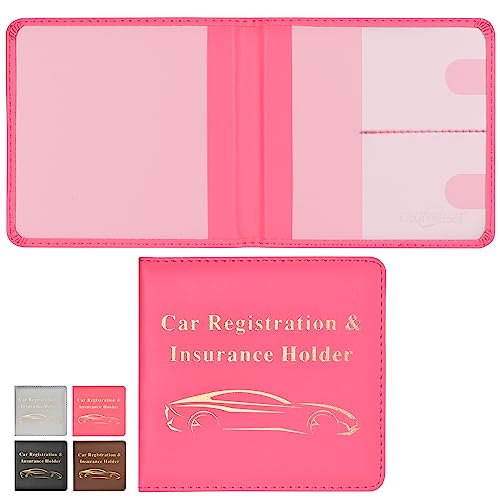
Instructions: Depending on your region, you might need to update your vehicle registration records with your new insurance details. For example, in some countries, motor vehicle departments track active insurance. Ensure your new policy certificate is readily accessible. Keep a physical copy in your glove compartment and a digital copy on your smartphone or in a cloud storage service. This ensures you can provide proof of insurance quickly if requested by law enforcement or in the event of an accident. Always ensure the physical document reflects your current, active policy.
Pro Tip: Take a photo of your new insurance card or policy schedule and save it to your phone’s photo album or a dedicated folder. This serves as immediate proof if you don’t have the physical card handy.
✅ Final Checklist
- ✔ All personal and vehicle details on the new policy are accurate.
- ✔ Proof of new insurance (digital/physical) has been received and reviewed.
- ✔ Old policy has been formally cancelled (if applicable) with confirmation.
- ✔ Payment for the new policy has been successfully processed.
- ✔ There is no gap or overlap in your car insurance coverage dates.
Important Notes:
- Safety considerations or warnings: Driving without valid car insurance is illegal and can result in significant fines, penalty points on your license, vehicle impoundment, and even driving bans. In the event of an accident, you would be personally liable for all damages and injuries, which could amount to hundreds of thousands of dollars. Always ensure continuous coverage.
- When to seek professional help: If your circumstances are complex (e.g., you own multiple vehicles, have a complicated claims history, drive for business purposes, or have a highly modified vehicle), or if you simply find the comparison process overwhelming, consider consulting with an independent insurance broker. They can offer tailored advice and access to specialist policies.
- Estimated time and cost range: The entire renewal process, from gathering documents to finalizing the new policy, typically takes 1 to 3 hours of active work. The cost of car insurance varies widely based on numerous factors, including age, driving history, vehicle type, location, and coverage level. Annual premiums can range from £400 to over £2,000 (or $500 to $3,000+ USD), with payment options usually including a one-off annual payment or monthly installments (which often incur a slight interest charge).
Why Strategic Renewal Matters for Your Wallet and Protection
Treating your car insurance renewal as a mere formality means potentially leaving money on the table and settling for outdated coverage. A strategic approach ensures your policy continues to serve your best interests, both financially and in terms of protection.
Unlocking Better Rates and Discounts
Loyalty is not always rewarded in the insurance world. Premiums can fluctuate based on market changes, your driving record, and even your credit score (where permitted). Proactively engaging with your renewal allows you to:
- Access New Discounts: Have you installed a new anti-theft device? Started working from home and driving less? Combined your car and home insurance? Many insurers offer discounts for these changes. For example, a telematics device could save you up to 25% if you drive safely.
- Encourage Competition: When you get quotes from multiple providers, you force them to compete for your business. This often results in a lower premium offer from either a new insurer or your existing one, who might match or beat competitors to retain you. Many policyholders discover savings of 10-15% simply by comparing offers.
- Challenge Rate Increases: If your premium has gone up without a clear reason, shopping around provides concrete evidence to negotiate a better rate with your current provider.
Even small savings add up significantly over the policy’s term, directly impacting your annual budget.
Tailoring Coverage to Current Needs
Your life, car, and driving habits evolve, and your insurance policy should too. Renewal is the ideal moment to review and adjust your coverage, ensuring you’re neither over- nor under-insured.
- Assess Your Vehicle’s Value: As your car ages, its market value depreciates. You might consider increasing your deductible or even dropping comprehensive and collision coverage on a very old vehicle to save money, especially if the repair cost might exceed the car’s worth.
- Update Driving Habits: If you’re now driving significantly fewer miles, inform your insurer. Many offer low-mileage discounts. Conversely, if you’re driving more for work, ensure your coverage reflects this.
- Review Liability Limits: Has your net worth increased? You might need higher liability limits to protect your assets in case of a serious accident. Your personal circumstances dictate the appropriate level of protection.
This strategic review ensures your insurance remains a precise safety net, not a generic, potentially costly, boilerplate policy.
<h2>How to Get Started with Your Car Insurance Renewal</h2>
<p>Renewing your car insurance doesn’t have to be a last-minute scramble. Getting started early and with a clear head can save you time, stress, and potentially a significant amount of money. The initial phase is all about preparation and understanding your current standing.</p>
<h3>Gathering Your Documents</h3>
<p>Before you even think about looking at new quotes, have your essential information ready. This makes any comparison or renewal process much smoother and ensures accuracy. Think of it as preparing your toolkit before tackling a project.</p>
<ul>
<li><strong>Current Policy Documents:</strong> Your existing policy details your current coverage, limits, deductibles, and renewal date. This is your baseline.</li>
<li><strong>Driver’s Licenses:</strong> Have details for all drivers on your policy, including their full names and license numbers.</li>
<li><strong>Vehicle Information:</strong> Keep your car’s make, model, year, VIN (Vehicle Identification Number), and mileage handy. Any modifications or recent service records might also be relevant.</li>
<li><strong>Claims History:</strong> Be prepared to discuss any accidents or claims you’ve made in recent years.</li>
</ul>
<p>Having these items at your fingertips prevents delays and ensures you get precise quotes.</p>
<h3>Understanding Your Current Coverage</h3>
<p>Don’t just look at the premium; understand what you’re paying for. Reviewing your existing policy helps you identify what’s working, what might be excessive, or where you might need more protection. Has anything changed since you first took out the policy?</p>
<ul>
<li><strong>Coverage Limits:</strong> Are your liability limits still appropriate for your assets?</li>
<li><strong>Deductibles:</strong> Could you comfortably pay a higher deductible for a lower premium, or do you prefer a lower one for peace of mind?</li>
<li><strong>Endorsements/Add-ons:</strong> Do you still need roadside assistance, rental car reimbursement, or new car replacement coverage? Maybe your vehicle’s age means some add-ons are no longer cost-effective.</li>
</ul>
<p>This critical review helps you decide whether to replicate your current policy or seek improvements.</p>
<h2>Best Practices for a Smooth Renewal</h2>
<p>Approaching your car insurance renewal with smart strategies can lead to better coverage and better prices. It’s about being proactive and informed, rather than passively accepting the first offer.</p>
<h3>Shop Around, Don’t Just Auto-Renew</h3>
<p>While auto-renewal offers convenience, it rarely offers the best deal. Insurance companies often reserve their most competitive rates for new customers. Making the effort to compare options could yield significant savings.</p>
<ul>
<li><strong>Get Multiple Quotes:</strong> Don’t settle for just one. Reach out to several different providers – both large national companies and smaller local ones. Online comparison tools can also be a great starting point for gathering initial quotes.</li>
<li><strong>Contact an Independent Agent:</strong> Unlike captive agents who work for a single company, independent agents can get quotes from multiple insurers, often finding deals you might miss.</li>
<li><strong>Negotiate:</strong> If you find a better offer from another insurer, don’t hesitate to present it to your current provider. They might be willing to match or beat it to retain your business.</li>
</ul>
<p>Even if you’re happy with your current insurer, comparing prices annually keeps them competitive and ensures you’re not overpaying.</p>
<h3>Leverage Discounts and Adjust Coverage</h3>
<p>Your life changes, and so should your insurance. Make sure your policy reflects your current circumstances and takes advantage of every possible saving.</p>
<ul>
<li><strong>Review Available Discounts:</strong> Are you eligible for new discounts? Common ones include good driver, multi-policy (bundling home and auto), low mileage, safe vehicle features (anti-theft, airbags), good student, or even payment options like paying in full.</li>
<li><strong>Adjust Coverage:</strong> For older vehicles with lower market value, you might consider dropping comprehensive and collision coverage, or increasing your deductibles to lower your premium. Conversely, if you’ve recently acquired new assets, you might need to increase liability limits.</li>
<li><strong>Improve Your Driving Record:</strong> If minor violations have fallen off your record, your rates could decrease. Even completing a defensive driving course might earn you a discount.</li>
</ul>
<p>A quick conversation with an agent about potential discounts and coverage adjustments can often uncover unexpected savings.</p>
<h2>Your Path to a Smart Renewal</h2>
<p>Renewing your car insurance is more than just paying a bill; it’s an annual opportunity to ensure you have the right protection at the right price. By taking the time to gather your information, understand your current policy, and actively shop around, you put yourself in a powerful position. Don’t settle for the easy option of auto-renewal. Instead, leverage comparison, negotiate, and take advantage of every discount available. Proactively managing your policy ensures peace of mind on the road without breaking the bank. Make your next renewal a smart decision, not just a default action.</p>
❓ Frequently Asked Questions
What exactly is how to renew car insurance?
how to renew car insurance encompasses proven concepts and methodologies that help you achieve better results. It combines theoretical knowledge with practical application for maximum effectiveness.
How can how to renew car insurance benefit me?
Understanding and applying how to renew car insurance principles improves your skills, opens new opportunities, and helps you achieve your goals more efficiently.
What resources do I need to get started?
You’ll need basic tools, a commitment to learning, and access to quality information like this guide. Start with fundamentals before advancing to complex topics.
Is this suitable for complete beginners?
Absolutely! This guide is designed to take you from beginner to proficient. Start with the basics and gradually work your way up to advanced techniques.
How do I measure my progress?
Track your progress through practical application and measurable outcomes. Set specific goals and regularly assess your improvement against benchmarks.
Where can I learn more after this guide?
Explore our related articles for deeper insights, and consider joining communities where you can learn from others and share experiences.