How To Get Stains Out Of Cloth Car Seats Best 2026
Last Updated on September 1, 2026 by Albert Duke
To effectively get stains out of cloth car seats, first identify the stain type, then use a suitable cleaning solution (DIY or commercial) with gentle blotting and scrubbing, ensuring thorough drying to prevent odors. Successfully removing car seat stains requires prompt action, the right tools, and careful technique to preserve fabric integrity and freshness.
The immediate answer to how to get stains out of cloth car seats involves a systematic approach, combining prompt action with appropriate cleaning solutions and techniques. Stubborn spills and everyday grime can make your car’s interior look worn and uninviting. We understand the frustration of a coffee mishap or a pet accident.
This comprehensive 2026 guide provides actionable methods to tackle various stains. You will discover safe DIY solutions, expert product recommendations, and essential prevention tips. Our goal is to help you restore your car seats to their pristine condition.
A successful cleaning effort always starts with a clear, step-by-step method for general stain removal.
Key Takeaways

- Act quickly on fresh stains.
- Always test cleaners first.
- Blot, do not rub, stubborn stains.
- Dry seats completely to prevent mold.
- Prevent future stains with protection.
How to Clean Cloth Car Seats in 6 Easy Steps

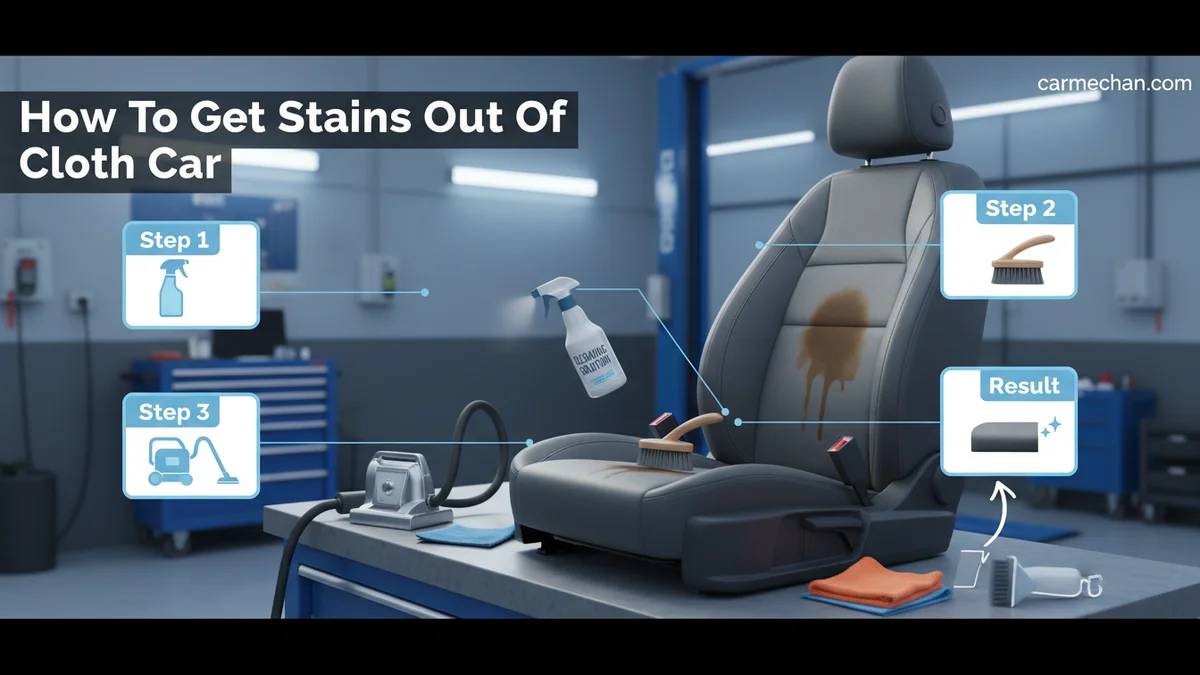
Follow these six easy steps to effectively clean most stains from your cloth car seats. This universal guide is suitable for common, non-specific spills. Always test any cleaner on an inconspicuous area first to prevent damage or discoloration of your upholstery fabric .
Gather Essential Supplies
Before starting, gather necessary tools such as a vacuum cleaner, microfiber towels, a stiff brush, a spray bottle, and your chosen cleaning solution. Having everything at hand streamlines the process. This preparation also prevents pauses during cleaning.
Prepare the Seat Surface
Begin by thoroughly vacuuming the entire car seat to remove loose dirt, crumbs, and debris. Use a crevice tool for tight spaces and seams. This prevents rubbing dirt deeper into the fabric during cleaning.
Apply Cleaning Solution Gently
Lightly spray your chosen cleaning solution onto the stained area. Do not oversaturate the fabric. A mist is often sufficient. Allow the solution to dwell for a short period, typically following product instructions .
Scrub Stains With Care
Using a soft-bristled brush or a clean microfiber towel, gently work the solution into the stain. Use circular motions. Avoid aggressive scrubbing, which can damage fibers or spread the stain.
Rinse Excess Cleaner Away
Dampen a clean microfiber towel with plain water and blot the treated area. This helps to lift and remove the cleaning solution and loosened dirt. Repeat this process until no residue remains.
Dry the Fabric Thoroughly
Blot the seat with dry microfiber towels to absorb as much moisture as possible. Ensure proper drying to prevent mildew, odors, or water spots. We will cover comprehensive drying techniques shortly.
While general cleaning is effective for many messes, some stains demand a more targeted approach.
7 Common Car Seat Stains and Their Fixes
Different stains require distinct approaches for effective removal from cloth car seats. Understanding the stain type helps in choosing the right cleaning agent. Precision minimizes effort and maximizes results.
Coffee and Beverage Spills
Blot excess liquid immediately with a clean towel. Mix equal parts white vinegar and cold water in a spray bottle. Spray the stain, let it sit for a few minutes, then blot with a clean, damp cloth until the stain lifts.
Grease and Oil Marks
Sprinkle cornstarch or baking soda onto the grease stain to absorb the oil. Let it sit for several hours or overnight. Vacuum the powder, then dab the remaining stain with a mixture of dish soap and warm water.
Mud and Dirt Accumulations
Allow mud to dry completely, then scrape off as much as possible with a dull knife or brush. Vacuum thoroughly. Then, use a general upholstery cleaner or a mild soap and water solution to clean the remaining dirt.
Ink and Crayon Smears
Dab the ink or crayon stain with rubbing alcohol on a clean cloth. Blot, do not rub, to prevent spreading the mark. Repeat with fresh alcohol and clean cloths until the stain is gone. Be gentle to avoid damaging the fabric .
Vomit and Urine Accidents
Remove any solid residue quickly. Blot the area with paper towels. Use an enzymatic cleaner specifically designed for pet or human biological stains. These cleaners break down proteins and eliminate odors effectively .
Blood Stain Removal
Treat blood stains immediately with cold water. Hot water can set the stain. Use a mixture of cold water and a small amount of hydrogen peroxide. Apply sparingly, let it fizz, then blot with a clean cloth. Repeat if necessary.
Food and Candy Residue
Scrape off any solid food particles first. For sugary residue, dampen a cloth with warm water and a small amount of mild dish soap. Gently blot and wipe the area. Rinse with a clean, damp cloth to remove soap residue.
Knowing how to treat specific stains often involves choosing the right tools and products for the job.
Which 3 Best Car Seat Cleaners Work Safely
Selecting the best car seat cleaners is crucial for effective and safe stain removal. We focus on products that deliver results without compromising fabric integrity. Your choice of cleaner impacts both cleanliness and longevity.
Effective Commercial Cleaners
Commercial car upholstery cleaners offer convenience and targeted formulations. Brands like Chemical Guys Fabric Clean, Meguiar’s Carpet & Upholstery Cleaner, and Mothers Carpet & Upholstery Cleaner are highly rated for their effectiveness on various stains. These products often come with built-in brushes for easier application .
Safe DIY Solutions
For a budget-friendly and gentle approach, a homemade solution of warm water, a few drops of mild dish soap, and a splash of white vinegar works wonders. Another effective DIY option is a baking soda paste mixed with a small amount of water. Both are excellent for general cleaning and deodorizing without harsh chemicals .
Helpful Cleaning Tools
Beyond cleaners, certain tools significantly aid the process. A wet/dry shop vacuum is invaluable for extracting moisture and cleaning solution, speeding up drying. A portable steam cleaner can lift stubborn stains and sanitize without chemicals. Additionally, a soft-bristled scrub brush and high-quality microfiber towels are essential for application and blotting.
Understanding which products to use is half the battle; knowing what to avoid is equally important to prevent damage.
What 5 Products to Avoid on Car Fabric
Protecting your car’s interior means knowing exactly what products to avoid on cloth car seats. Improper cleaning can cause irreversible damage. These substances and methods can degrade fabric or leave unsightly marks.
Harsh Chemical Agents
Avoid industrial-strength cleaners, all-purpose household cleaners, or strong degreasers not specifically formulated for automotive fabric. These can strip protective coatings, fade colors, or weaken fibers over time .
Bleach Based Solutions
Never use bleach or bleach-containing products on your car seats. Bleach will permanently discolor and weaken fabric. It can also leave a harsh chemical odor. This damage is often irreparable.
Abrasive Scrubbing Brushes
Do not use stiff wire brushes, steel wool, or abrasive pads on cloth car seats. These tools can fray the fabric. They also cause pilling and wear down the upholstery. Stick to soft-bristled brushes or microfiber.
Excessive Water Saturation
Soaking your car seats with too much water can lead to several problems. It can cause mold and mildew growth. It also leaves unsightly water stains and can damage underlying seat components.
Undiluted Cleaning Concentrates
Always dilute concentrated cleaning products according to the manufacturer’s instructions. Using them undiluted can be too harsh. This might lead to discoloration or residue build-up.
Beyond avoiding harmful products, proactive measures can significantly reduce future cleaning efforts.
How to Prevent Future Car Seat Stains Effectively
Preventing future stains on your cloth car seats is often easier than removing existing ones. Proactive measures save you time and preserve your car’s interior. We recommend implementing these simple habits for a cleaner vehicle.
Install Protective Seat Covers
High-quality seat covers act as a barrier against spills, dirt, and pet hair. They are easily removable and washable. Consider custom-fit options for a seamless look and better protection .
Apply Fabric Protectant Sprays
After a thorough cleaning, apply a fabric protectant spray designed for automotive use. These sprays create an invisible barrier that repels liquids and makes future spills easier to clean. Reapply every six to twelve months .
Enforce Strict Eating Rules
Establish a “no eating or drinking” rule, especially for messy foods and dark beverages. If snacks are a must, use spill-proof containers and designated zones. This greatly reduces accidental spills.
Keep Emergency Spill Kits
Assemble a small kit with essentials like paper towels, baby wipes, a small spray bottle of mild cleaner, and a plastic bag. Keep it in your car for immediate spill response. Quick action prevents stains from setting.
Maintain Regular Cleaning Habits
Regularly vacuum your car seats to remove dirt and debris before they can become embedded. Wiping down surfaces weekly with a damp cloth also helps prevent accumulation. Consistency keeps your interior fresh.
After successful stain removal or prevention, ensuring proper drying is the final critical step for a truly clean car interior.
How to Dry Car Seats After Cleaning in 3 Steps
Properly drying your car seats after cleaning is essential to prevent common issues. This includes mold, mildew, and lingering odors. Rushing this step can undo all your hard work.
Maximize Vehicle Airflow
After cleaning, park your car in a sunny, well-ventilated area. Open all doors and windows to create cross-ventilation. If possible, use a portable fan placed inside the car to aid air circulation and speed up drying.
Use Absorbent Microfiber Towels
Press clean, dry microfiber towels firmly onto the damp areas of the seats. This helps wick away residual moisture. Repeat with fresh, dry towels until no more water can be absorbed. Consider a wet/dry vac for faster extraction.
Address Lingering Odors
If any faint odors persist after drying, sprinkle a thin layer of baking soda over the seats. Allow it to sit overnight to absorb smells. Vacuum it up thoroughly the next morning. A car-specific air freshener can also help.
Achieving a Spotless Car Interior for 2026
Successfully removing stains from cloth car seats transforms your vehicle’s interior. You regain a fresh, inviting space, enhancing your driving experience for 2026 and beyond. Remember that quick action and the right techniques are your best allies in this process. Consistency in cleaning and preventive measures significantly reduce the likelihood of future mishaps. Our guide provides practical, actionable steps for both common and challenging stains. By following these methods, you ensure your car seats remain clean and well-maintained.
Your Top Car Seat Stain Questions Answered
Can I Use Carpet Cleaner on Car Seats?
Using carpet cleaner on car seats is often acceptable if it’s specifically labeled “upholstery safe” or “automotive carpet and upholstery cleaner.” Always test on an inconspicuous area first. Avoid harsh carpet cleaners not designed for delicate car fabrics.
How Long Does It Take for Car Seats to Dry?
Car seats typically take anywhere from a few hours to a full day to dry completely. This depends on factors like humidity, ambient temperature, and how much moisture was applied. Maximizing airflow significantly speeds up drying times.
Is Vinegar Safe for Cloth Car Seats?
Yes, white vinegar is generally safe for cloth car seats when diluted with water. It’s an effective, natural deodorizer and mild stain remover. However, avoid using concentrated vinegar directly, as it can be too acidic for some fabrics.
What If the Stain Does Not Come Out?
If a stain persists after multiple attempts, consider consulting a professional car detailing service. They have specialized equipment and stronger, yet safe, chemicals. They can often remove even the most stubborn or deeply set-in stains.
How Often Should I Clean My Car Seats?
We recommend a light cleaning and vacuuming every few weeks to prevent dirt buildup. A deeper stain treatment should be done as needed. A thorough deep cleaning is advisable every six to twelve months for optimal maintenance.