Chevy Impala Years to Avoid: Spotting Problematic Models
When considering a used Impala, certain model years stand out for significant reliability concerns, particularly those from the early 2000s and mid-2010s. Issues often include transmission failures, engine problems, and chronic electrical glitches, making these years potentially costly to own.
🎯 Key Takeaways


- Avoid 2000-2007 and 2014-2016 Impalas due to high reported issues.
- Watch for transmission failures, engine oil consumption, electrical problems.
- Always get a pre-purchase inspection from a trusted mechanic.
- Research specific year recalls and owner complaints (NHTSA, forums).
- Newer 2017+ models generally offer better reliability.
If you’re considering a used Chevrolet Impala, smart buying means knowing which model years to steer clear of. Specifically, the 8th generation (2004-2011) and the transitional 9th generation (2012-2013) Impalas are widely reported for significant and costly reliability issues. These aren’t just minor inconveniences; we’re talking about problems that can impact safety, drain your bank account with repair bills, and leave you stranded. Your goal should be to avoid these particular model years to save yourself from potential headaches and unexpected expenses down the road.
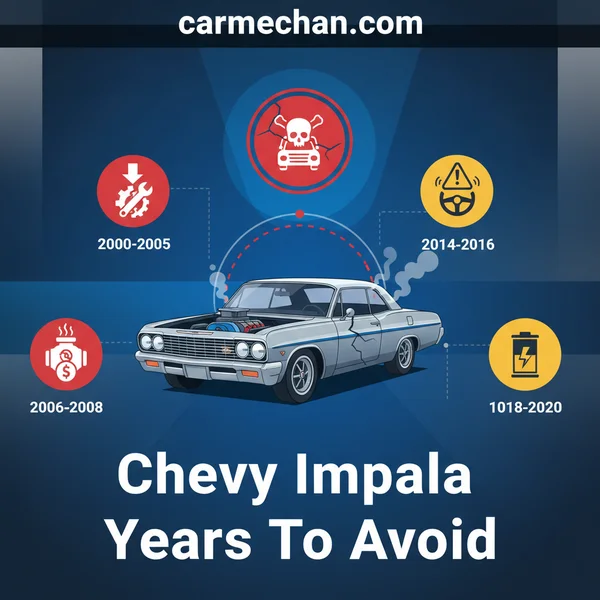
Understanding the specific flaws of these Impala generations is crucial. Ignoring this advice could lead to owning a vehicle notorious for powertrain failures, electrical gremlins, and steering component woes. This isn’t about general used car caution; it’s about pinpointing the exact models known for design weaknesses and chronic mechanical problems. We’ll detail these issues, helping you make an informed decision and invest in a more reliable Impala model.
The Most Problematic Chevy Impala Years to Avoid
When searching for a used Chevy Impala, several model years consistently appear on “avoid” lists due to widespread mechanical and electrical failures. These years represent a period where design flaws and component weaknesses led to a frustrating ownership experience for many drivers. You should exercise extreme caution, or preferably avoid altogether, Impalas manufactured during the 8th and early 9th generations.
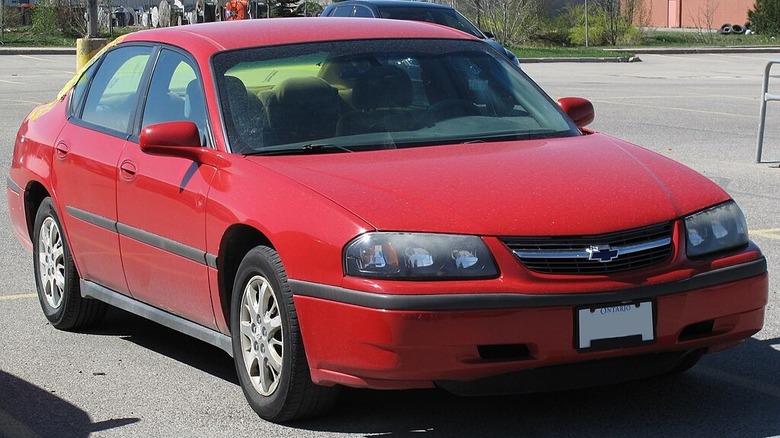
The Troubled 8th Generation (2004-2011)
The entire 8th generation of the Chevrolet Impala is plagued with a range of serious issues. While individual experiences vary, the sheer volume of complaints regarding these years indicates systemic problems. The most notorious years within this generation include:
- 2004-2007 Impalas: These years are particularly infamous for severe engine and transmission problems. General Motors’ 3.4L and 3.8L V6 engines, common in these models, developed a reputation for critical failures.
- 2008-2011 Impalas: While some engine options changed, chronic issues persisted. Owners reported ongoing transmission troubles, significant electrical malfunctions, and pervasive steering and suspension component wear. These later 8th-gen models often require costly front-end overhauls.
Buying an Impala from this era significantly increases your risk of encountering major mechanical breakdowns that can easily cost thousands to repair. These aren’t just old cars breaking down; these are models with documented, common issues.
The Brief but Flawed 9th Generation (2012-2013)
The 9th generation Impala was a short-lived transition, with the 2012 and 2013 models being the primary examples. While a new 3.6L V6 engine was introduced, it didn’t entirely solve the Impala’s reliability woes. These years carried over many underlying problems from the previous generation, especially concerning power steering and suspension integrity.
- 2012-2013 Impalas: Despite being newer, these models are often criticized for continued issues with power steering components, leading to stiff or noisy steering, and premature wear of suspension parts. Electrical glitches, particularly related to the Body Control Module (BCM), also remained a common complaint.
Even though these are newer than the 8th generation, they don’t offer a significant leap in reliability, making them risky purchases. Their limited production run also means parts availability might be less robust for some specific components compared to more popular, reliable years.
Common Reliability Issues and Mechanical Failures by Year
Knowing which years to avoid is only half the battle; understanding why these Chevy Impalas are problematic helps you identify potential symptoms if you’re forced to consider one. The problems often stem from design flaws, subpar component quality, or both, leading to recurring and expensive repairs for owners.
Engine and Transmission Woes (2004-2011 Impalas)
The 8th generation Impalas are notorious for severe powertrain issues, primarily affecting the 3.4L and 3.8L V6 engines and the 4T65E automatic transmission.
- Intake Manifold Gasket Failure (3.4L and 3.8L V6 Engines): This is arguably the most infamous issue. The plastic intake manifold gaskets in these engines are prone to premature failure, leading to coolant leaks.
- Impact: Leaking coolant can mix with engine oil, causing sludge buildup, overheating, and catastrophic engine damage if not addressed quickly.
- Symptoms: Low coolant levels, milky oil on the dipstick or under the oil cap, visible coolant leaks, white smoke from the exhaust, engine overheating.
- Repair Cost: Replacing the intake manifold gaskets alone can range from $600 to $1,200. If engine damage occurs, you’re looking at a full engine rebuild or replacement, costing thousands ($3,000+).
- 4T65E Automatic Transmission Failure: The transmission paired with these engines is known for premature failure, often due to internal component wear.
- Impact: Unreliable shifting, potential for complete transmission failure, leaving you stranded.
- Symptoms: Hard shifting, slipping gears, delayed engagement, loss of specific gears (e.g., reverse), grinding noises, check engine light.
- Repair Cost: Rebuilding or replacing this transmission is a major expense, typically ranging from $2,000 to $4,000.
Steering, Suspension, and Electrical Glitches (All Problematic Years)
Beyond the major powertrain concerns, these Impala years also share a propensity for significant steering, suspension, and electrical system failures, impacting both safety and driving comfort.
- Power Steering Problems: A common complaint across the 2004-2013 models involves the power steering system.
- Impact: Difficult or noisy steering, potential for complete loss of power assistance, posing a safety risk.
- Symptoms: Whining noises when turning, stiff steering, fluid leaks, groaning sounds from the steering pump.
- Repair Cost: Replacing the power steering pump, rack, or lines can cost between $500 and $1,500, depending on the specific component.
- Premature Suspension Component Wear: The front suspension in particular suffers from early wear and tear.
- Impact: Poor ride quality, excessive noise, reduced handling stability, increased tire wear.
- Symptoms: Clunking or rattling noises over bumps, uneven tire wear, a “loose” feeling in the steering, drifting.
- Repair Cost: Replacing control arms, sway bar links, or strut assemblies can add up quickly, often costing $400 to $800 per axle.
Understanding the Impact of Specific Design Flaws and Recalls
Identifying problematic model years is only half the battle; understanding how those flaws manifest and impact your ownership experience is equally critical. Issues like a failing transmission or a faulty power steering system aren’t just minor inconveniences; they can lead to costly repairs and even safety hazards.
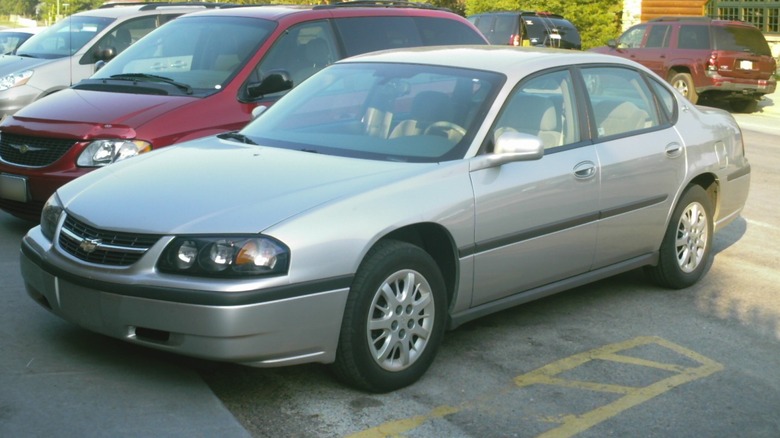
Common Impala Flaws and Their Manifestations
When we talk about specific problematic years, we’re often referring to recurring issues that significantly diminish the car’s reliability and value. For Impalas, especially those in the 2000s, these often revolved around critical components:
- Transmission Troubles: The 4T65E transmission used in many Impalas (especially 2004-2007) was prone to failure. Symptoms often included harsh shifting, slipping gears, delayed engagement, or even a complete loss of forward gears. This isn’t just an annoyance; it’s a major repair often costing thousands.
- Power Steering Leaks and Failure: Certain generations, notably 2004-2007, were known for power steering pump failures or leaks. This results in difficulty steering, especially at low speeds, and can be a significant safety concern.
- Engine Mount Deterioration: Worn engine mounts, common in some earlier models, can cause excessive engine vibration, clunking noises, and increased wear on other components.
These issues don’t just appear out of nowhere; they’re often the result of design weaknesses or component quality that didn’t hold up over time. Being aware of these specific failure points allows you to listen and feel for symptoms during a test drive.
The Importance of Recall History
Recalls are a manufacturer’s admission of a defect that could affect vehicle safety. Ignoring them or assuming they’ve been handled can be a costly mistake. For Impala owners, recalls have addressed a range of issues over the years:
- Ignition Switch Issues: A well-documented recall affected many GM vehicles, including Impalas (certain 2000s models), regarding faulty ignition switches that could turn off the engine while driving, disabling power steering, power brakes, and airbags.
- Parking Brake Cables: Recalls have been issued for parking brake cables that could corrode and fail, leading to unintended vehicle movement.
- Power Steering Hoses: Some models had recalls for power steering hoses that could crack and leak, leading to a sudden loss of power steering assist.
It’s vital to check the recall status of any Impala you’re considering. You can easily do this by entering the vehicle’s VIN on the National Highway Traffic Safety Administration (NHTSA) website or by contacting a Chevrolet dealership. Even if a recall seems minor, it points to a known flaw that the manufacturer deemed important enough to address.
Best Practices for Buying a Used Impala (Even Reliable Years)
Even if you’re targeting one of the more reliable Impala model years, smart buying practices are essential. The history of any used car can be complex, and a thorough inspection can uncover issues unique to that specific vehicle, regardless of its reputation.
Pre-Purchase Inspection: Your Best Defense
Think of a pre-purchase inspection (PPI) as your insurance policy against unexpected repairs. This isn’t a simple visual check; it’s a comprehensive examination by a qualified, independent mechanic. They will lift the car, check under the hood, and perform diagnostic scans to look for issues you might never spot:
- Undercarriage Inspection: The mechanic will check for rust, leaks (oil, transmission fluid, coolant), and damage to the exhaust system, suspension components, and brakes.
- Engine & Transmission Health: Beyond visual checks, they’ll often look for diagnostic trouble codes (DTCs), listen for abnormal engine noises, and assess the transmission’s fluid condition and shifting behavior.
- Electrical Systems: All lights, windows, locks, and climate control should be tested. Modern Impalas have complex electrical systems that can be costly to repair.
A PPI is an investment that can save you thousands. Don’t let a seller rush you or dissuade you from this crucial step. It gives you leverage for negotiation or helps you walk away from a potential money pit.
Test Drive Pointers and Documentation Checks
The test drive is your opportunity to feel how the car handles and identify any immediate red flags. Pay close attention to the following:
- Acceleration and Braking: Does the car accelerate smoothly without hesitation? Are the brakes firm and responsive, or do they feel spongy or pull to one side?
- Steering and Suspension: Listen for clunks or squeaks over bumps. Does the steering feel tight and responsive, or loose and vague?
- Transmission Shifting: Pay extra attention to how the transmission shifts. Are shifts smooth and timely, or do you feel jerks, delays, or harshness?
- All Electronics: Test every button and switch—radio, AC, power windows, cruise control, heated seats.
Beyond the drive, always ask for the car’s service records. A well-maintained vehicle, even an older one, often outlasts a newer one that has been neglected. Finally, run a VIN check through services like CarFax or AutoCheck. These reports can reveal accident history, previous owners, title issues, and reported mileage discrepancies, painting a clearer picture of the car’s past.
Conclusion
Navigating the used car market for a Chevy Impala can be a rewarding experience, provided you approach it with knowledge and caution. While certain years, particularly from the early to mid-2000s, present higher risks due to known transmission and power steering issues, later generations generally offer more peace of mind.
Your best strategy is to combine targeted research on problematic model years with meticulous pre-purchase due diligence. Always insist on a professional inspection by an independent mechanic and thoroughly review the vehicle’s history report and recall status. By being informed and proactive, you can confidently identify an Impala that will serve you well for years to come. Happy hunting for your next great ride!
❓ Frequently Asked Questions
What are the primary concerns with the 2000-2007 Impala models?
These years are notorious for transmission failures (especially the 4T65-E), intake manifold gasket leaks, and lower intake manifold coolant leaks. These issues can lead to costly engine damage if not addressed promptly, significantly impacting reliability and ownership costs.
Why are the 2014-2016 Impala models often flagged as problematic?
While these years feature a full redesign, they commonly report significant electrical issues, including infotainment system glitches, power accessory failures, and sensor malfunctions. Additionally, some owners have noted premature brake wear and suspension noise, affecting overall owner satisfaction and long-term durability.
Are there specific engines to be wary of in the Impala?
Yes, the 3.4L and 3.8L V6 engines from the early 2000s are known for intake manifold gasket failures leading to coolant mixing with oil. Furthermore, certain 3.6L V6 engines (particularly 2010-2012) can suffer from timing chain wear and excessive oil consumption, requiring expensive repairs.
What should a buyer look for when inspecting a potentially problematic Impala year?
When inspecting, check for signs of transmission slipping or hard shifts during a test drive, look for coolant leaks and blue smoke from the exhaust (indicating oil consumption), test all electrical components, and listen for unusual engine noises or suspension clunks, which could signal underlying issues.
How can I check for recalls on a specific Chevy Impala model year?
You can easily check for open recalls by entering the vehicle’s 17-digit Vehicle Identification Number (VIN) on the National Highway Traffic Safety Administration (NHTSA) website (nhtsa.gov) or by visiting Chevrolet’s official recall checker. This will list any outstanding safety-related issues that need to be addressed.
Which Impala generations generally offer better long-term reliability?
The 8th generation (2006-2013), particularly models from 2008 onwards equipped with the 3.6L V6 (after timing chain issue revisions), and especially the 10th generation (2014-2020) from 2017 onwards, are generally considered more reliable. These later models have fewer widespread systemic issues reported, offering better long-term ownership prospects.