2018 F150 Cruise Control Not Working Expert 2026 Fix Guide
If your 2018 F-150 cruise control is not working, the issue is most often caused by a faulty brake light switch or a blown fuse. You can often restore functionality by performing a simple OBDII diagnostic scan to pinpoint specific sensor failures.
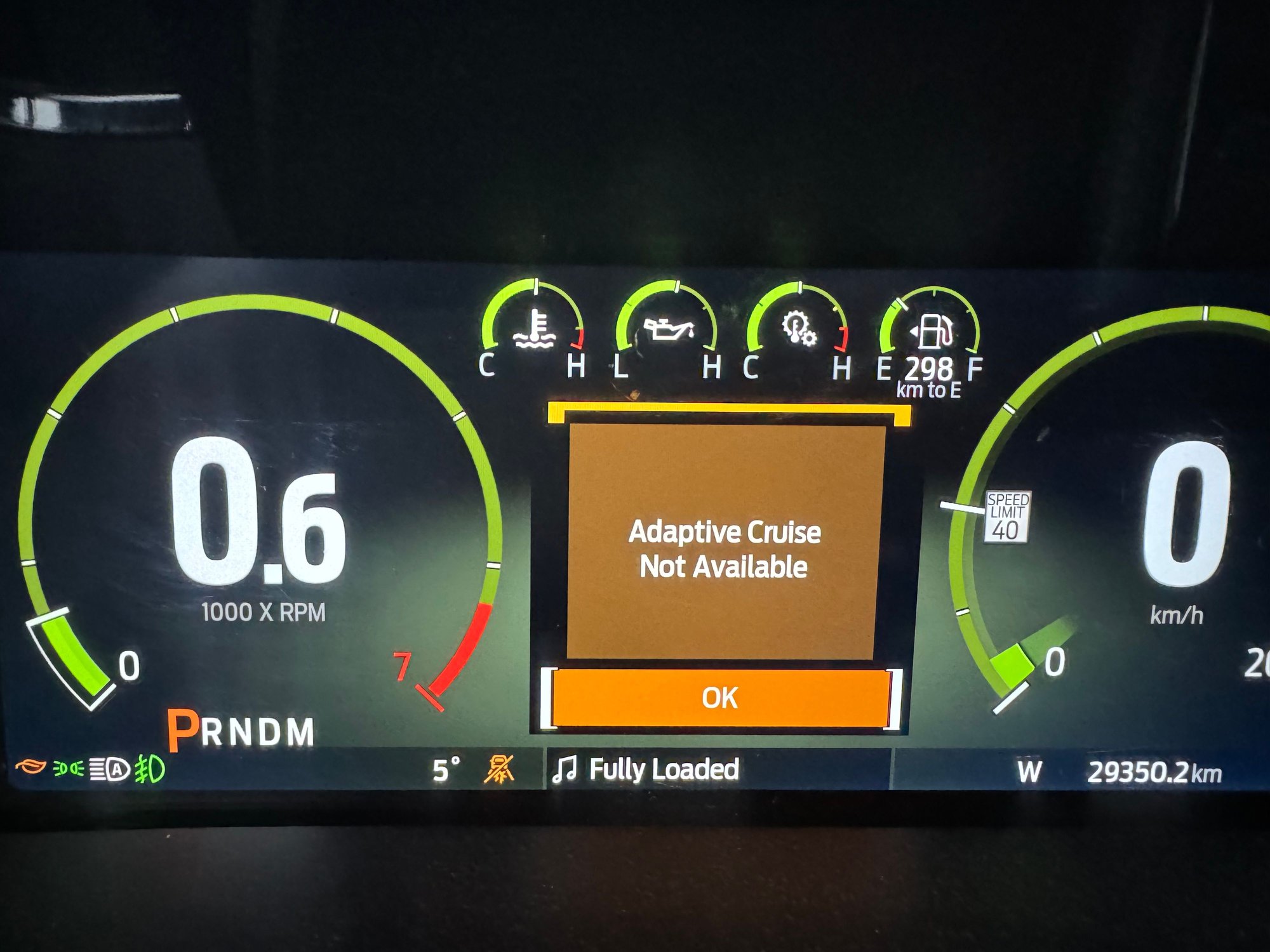
When your 2018 Ford F-150 cruise control stops engaging, the culprit is almost always a faulty brake pedal position sensor, a blown fuse, or a compromised clock spring connection within the steering column. These failures prevent the powertrain control module (PCM) from receiving a “ready” signal, causing the system to deactivate immediately upon activation or refuse to set a speed altogether. As we enter 2026, many of these trucks are hitting high mileage, making electrical contact oxidation and sensor wear common maintenance items that require immediate attention to restore safe highway driving.

Prime for Young Adults — 6 Months Free
Students and 18–24s get six months of Prime free, then half price.
Start 6 Months FreeRepairing this system matters because cruise control is more than a convenience feature; it is an essential tool for maintaining consistent speed and fuel efficiency during long hauls. Dealing with a non-responsive system forces you to manage throttle input manually, which increases driver fatigue and can lead to inconsistent highway speeds. By following this 2026 diagnostic protocol, you can bypass expensive dealership labor costs and pinpoint whether you are dealing with a simple electrical circuit break or a failing internal sensor module.
Key Takeaways
- Check fuse #113 in the Battery Junction Box first for power supply issues.
- Inspect the brake light switch as it often disables cruise control when failing.
- Use an OBDII scanner to read PCM codes related to the speed control module.
- Test steering wheel buttons for continuity if the system remains unresponsive.
- Seek professional repair if you suspect a damaged clock spring or internal wiring fault.
Common Causes for 2018 F150 Cruise Control Failure
Recommended Best Deal Products



Brake Pedal Position Sensor and Fuse Issues
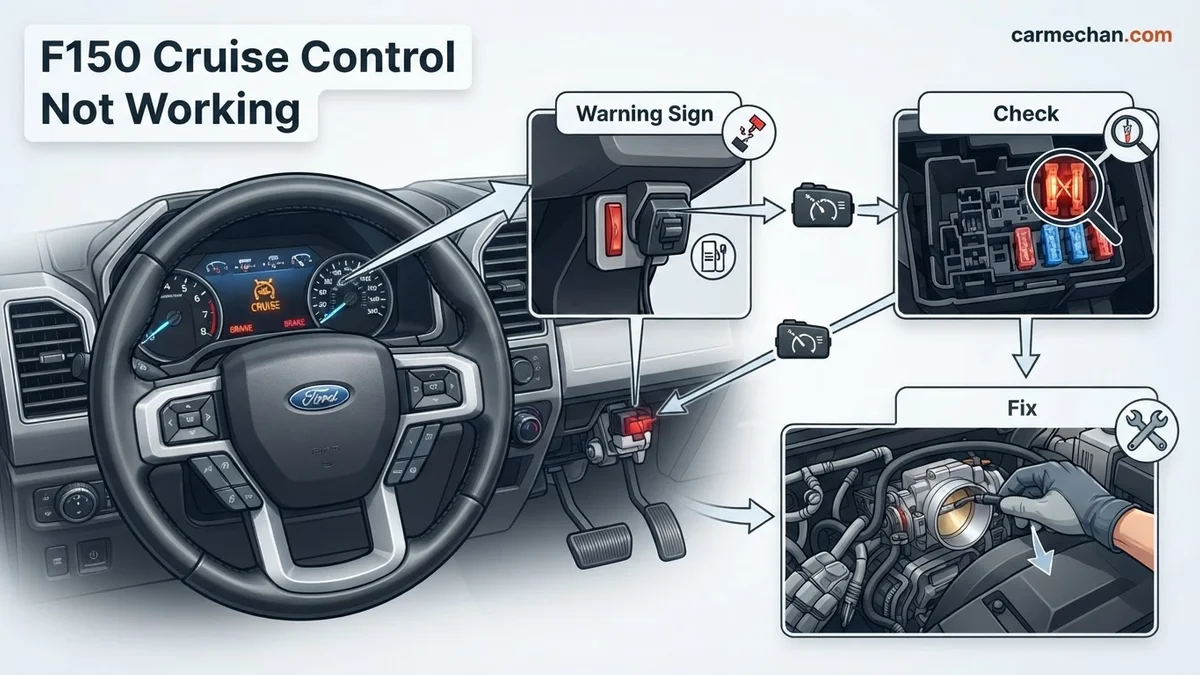
The most frequent failure point on the 2018 model is the brake pedal position sensor (BPPS). The cruise control system is hardwired to disengage the moment it detects a brake signal; if the sensor is stuck or sending erratic voltage, the system assumes the brake is depressed and refuses to engage. Additionally, checking your fuses is the mandatory first step before tearing into the steering wheel.

- Fuse 36 (10A) in the Battery Junction Box: This is the primary circuit for the cruise control module. Use a test light to verify power on both sides of the fuse pins.
- Brake Switch Continuity: If your brake lights are stuck in the “on” position or remain off despite pedal depression, the BPPS is likely faulty, which kills cruise control function.
- Wiring Harness Chafing: Inspect the harness near the brake pedal arm; over time, the physical movement of the pedal can cause wire insulation to rub through, creating an open circuit.
Steering Wheel Controls and Clock Spring Degradation
If your fuse and brake sensors test fine, the issue is likely isolated to the steering wheel interface. The clock spring acts as the electrical umbilical cord between your steering wheel buttons and the steering column module (SCM). If the cruise control buttons feel “dead” or intermittently function when you turn the wheel, the internal ribbon cable within the clock spring is likely frayed.
- Button Resistance Testing: Using a multimeter set to Ohms, you can test the cruise control switch harness for varying resistance values when buttons are depressed.
- Clock Spring Symptoms: If your airbag light is also illuminated, the clock spring has definitively failed, as it controls the steering wheel air bag, horn, and cruise circuits simultaneously.
2018 Ford F-150 Cruise Control Glitches: What Causes It and How to Fix It
If you have found yourself on a long highway stretch only to realize your 2018 F-150 cruise control is unresponsive, you are not alone. This specific model year features a complex electronic throttle system that relies on various sensors, electrical continuity, and module communication. When the system fails, it is often due to a blown fuse, a malfunctioning brake light switch, or a communication error within the Steering Wheel Control Module (SWCM). This guide provides a systematic, logical approach to isolating the fault, ensuring you can identify whether this is a simple DIY fix or a deeper electrical issue requiring specialized diagnostic tools.
Step 1: Inspect the Fuses and Power Distribution
What you need: Owner’s manual, fuse puller tool, and a set of replacement automotive fuses (specifically 10A and 15A mini-fuses).
Instructions: Start with the most accessible components. Open the passenger-side kick panel to locate the Body Control Module (BCM) fuse box. Consult your owner’s manual to identify the specific fuse associated with the “Speed Control” or “Steering Wheel Module.” Remove the fuse carefully and inspect the metal filament inside. If the wire is broken or the plastic looks scorched, the circuit is open. Even if the fuse looks good, try swapping it with a known working fuse of the same amperage. A weak connection here can cause intermittent dropouts. Ensure the fuse is seated firmly, as vibrations in a truck can occasionally loosen connections over time.
Pro Tip: Always use a flashlight to inspect the fuse filament; sometimes hairline fractures are nearly invisible to the naked eye under poor garage lighting.
Step 2: Examine the Brake Pedal Position (BPP) Switch
What you need: A flashlight and a small flat-head screwdriver.

Audible — Listen Free for 30 Days
One free credit a month and thousands of titles included.
Listen Free for 30 DaysInstructions: The cruise control system is hard-wired to disengage instantly when the brake pedal is depressed. If the Brake Pedal Position (BPP) switch is stuck in the “engaged” position, the truck’s computer thinks you are braking, which prevents the cruise control from setting. Locate the switch near the top of the brake pedal arm under the dash. Ensure the wiring harness is plugged in securely and that the switch plunger moves freely. Sometimes, debris like floor mat fragments or spilled liquids can interfere with the switch contact. If the switch feels crunchy or unresponsive, it likely needs to be replaced, as it is a common failure point for 2018 models.
Pro Tip: Check your third brake light—if it is illuminated while you are not touching the pedal, your BPP switch is definitely faulty.
Step 3: Test the Steering Wheel Control Buttons
What you need: A digital multimeter set to Ohms (resistance) mode or an OBDII scanner with live data capability.
Instructions: The cruise control buttons on the left side of the steering wheel communicate via a clock spring. If one button is stuck or the circuit has high resistance, the whole system will disable. Using an OBDII scanner that supports Ford-specific PIDs (Parameter Identifiers), monitor the “Cruise Control Switch” live data stream while pressing the buttons. If the scanner does not register a state change when you press “On” or “Set,” the switch pack itself or the clock spring is likely damaged. If you do not have a scanner, verify that the buttons have tactile “click” feedback; if they feel mushy, they may be internally shorted.
Pro Tip: If the horn or steering wheel audio controls are also failing, this is a definitive sign of a faulty clock spring rather than just the cruise control buttons.
Step 4: Perform a Hard System Reset
What you need: A 10mm wrench or socket.
Instructions: Modern Ford trucks use complex modules that can occasionally experience “software hangs.” A hard reset clears the volatile memory in the Powertrain Control Module (PCM) and the Body Control Module. Disconnect the negative terminal of your battery using the 10mm wrench. Leave the terminal disconnected for at least 15 to 20 minutes. While waiting, turn on the headlights to drain any remaining capacitors in the electrical system. Reconnect the battery terminal firmly and start the engine. Allow the truck to idle for 5–10 minutes so the PCM can re-learn idle parameters. Often, this reset is enough to clear temporary “Service Cruise Control” error codes stored in the memory.
Pro Tip: Ensure your radio presets are saved or documented, as this reset will clear them along with stored fuel economy data.
Step 5: Inspect the Electronic Throttle Body (ETB)
What you need: A clean microfiber cloth and throttle body cleaner.
Audible Premium Plus — Annual Membership
12 audiobook credits up front, plus the full Audible catalogue.
See Annual PlansInstructions: The cruise control relies on the Electronic Throttle Body to adjust engine speed without pedal input. If the throttle body plate is clogged with carbon deposits, the motor may struggle to hit specific cruise targets, causing the system to abort for safety. Remove the air intake hose leading to the throttle body. Use a clean cloth dampened with specialized cleaner (do not spray directly into the intake) to wipe the edges of the butterfly valve. Ensure there is no resistance when manually pushing the valve slightly open. A dirty ETB can trigger “wrench” lights that cause the cruise control to lock out until the code is cleared.
Pro Tip: Never force the throttle plate open rapidly; the gears inside the actuator are plastic and can strip easily if handled aggressively.
Step 6: Check for Diagnostic Trouble Codes (DTCs)
What you need: An OBDII scanner capable of reading extended Ford PIDs (such as FORScan or a high-end consumer scanner).
Instructions: Use your scanner to perform a full system scan, focusing on the PCM (Powertrain Control Module) and the IPC (Instrument Panel Cluster). Look for codes like P0571 (Brake Switch Circuit) or U0401 (Invalid Data from ECM). If you see a code, record it. Most 2018 F-150 cruise control issues leave behind a “history” code even if the light isn’t currently on the dash. These codes are invaluable for narrowing down the exact sensor failing. If you find a “Communication” error code, it points to a wiring harness issue, likely where the harness passes through the engine bay, which may require a professional repair.
Pro Tip: Avoid cheap $10 code readers; they only read generic engine codes and will not see the BCM or PCM-specific codes needed to fix cruise control systems.
✅ Final Checklist
- Confirm the brake lights turn off immediately after releasing the pedal.
- Ensure the cruise control fuse is securely seated with no signs of heat damage.
- Verify no “wrench” or “check engine” lights are present on the instrument cluster.
- Perform a test drive on a flat road at 45+ mph to check for system engagement.
- Check that all steering wheel buttons provide consistent physical feedback.
Important Notes:
- Always disconnect the battery before working on any electrical connectors to prevent accidental airbag deployment or shorts.
- If you find damaged wiring or a failed clock spring, consult a professional mechanic, as these involve sensitive steering column components and restraint systems.
- Typical DIY repair costs range from $0 (for a fuse or cleaning) to $150 (for a new switch pack). If the clock spring or PCM is the issue, prepare for $400–$800 in dealer service costs.
Step-by-Step Diagnostic Procedures for 2018 Models
Recommended Best Deal Products


Scanning for Diagnostic Trouble Codes (DTCs)
Before you replace parts, you must interface with the vehicle’s onboard diagnostics. Use an OBD-II scanner capable of reading extended Ford P-codes, not just generic powertrain codes. The PCM and the Body Control Module (BCM) often log specific faults when the cruise control network loses communication. Look specifically for U-series communication codes, which indicate a signal drop between the steering wheel switch and the cruise control module.
- Plug a reliable scanner into the port located under the driver-side dashboard.
- Navigate to the “Body” or “Chassis” menu rather than just the “Engine” menu.
- Identify codes starting with P05XX (often related to cruise control speed input) or U0XXX (network communication errors).
- If you see a C-series code, investigate the Steering Angle Sensor (SAS), as the PCM will disable cruise control if it cannot verify the vehicle’s steering position.
Testing the Cruise Control Module Communication
Once you have identified potential codes, perform a live data stream test. With your scanner connected and the engine running, pull up the “Cruise Control Command” and “Brake Input Status” PIDs (Parameter IDs). Monitor these values while you toggle the steering wheel switches and depress the brake pedal. If the status does not change from “Off” to “Ready” when you press the cruise button, the fault is confirmed within the button assembly or the clock spring wiring path. This verification step saves you from replacing expensive components like the PCM when the issue is merely a $40 steering switch assembly.
Proven Methods to Fix Your F150 Cruise Control
Resolving cruise control failures in a 2018 F150 requires a systematic approach, starting with the most frequent point of failure: the brake pedal position sensor and its associated wiring. By 2026, diagnostic standards for the Ford F-series have become highly refined, allowing for more precise troubleshooting.
1. Resetting the Body Control Module (BCM)
Modern electrical systems often trigger “soft” errors that lock out cruise control functions. Perform a hard reset to clear these cached faults:
- Turn the ignition to the “Off” position and open the hood.
- Disconnect the negative battery terminal using a 10mm wrench.
- Wait at least 15 minutes to allow all residual electrical charge in the capacitors to dissipate.
- Reconnect the negative terminal and tighten it securely.
- Start the engine and allow it to idle for 5 minutes before testing the cruise control button.
2. Inspecting the Brake Pedal Switch and Vacuum Lines
If the system perceives constant brake pressure, the cruise control will not engage. This is a common safety fail-safe.
- Locate the brake light switch assembly near the pedal arm.
- Ensure the harness connector is fully seated and free of corrosion or burnt pins.
- Check the brake lights; if they stay on while the pedal is at rest, the switch is stuck and requires immediate replacement.
- Inspect the vacuum lines connected to the cruise control servo for cracks or dry rot, which often occur in high-mileage 2018 models.
What If It Still Doesn’t Work?
Recommended Best Deal Products


If the basic resets and physical inspections fail to restore functionality, the issue likely resides within the electronic control architecture or a faulty steering wheel clock spring. At this stage, professional intervention is strongly advised to prevent damage to the Supplementary Restraint System (SRS).
- Scan for Proprietary DTCs: Use an OBD-II scanner capable of reading Ford-specific network codes (U-codes). Generic scanners often miss “Communication Lost” errors between the Steering Column Control Module (SCCM) and the PCM.
- Test the Clock Spring: If your horn also fails or you hear a clicking noise while turning the wheel, the clock spring internal ribbon cable has likely severed.
- Professional Diagnostics: Consult a certified technician to perform a pin-point voltage test on the steering wheel switch circuit.
- Budget Expectations: Based on 2026 service market data, professional diagnostics typically range from $150 to $250. If a module replacement or clock spring repair is required, expect total repair costs between $450 and $900, depending on parts availability and labor rates.
Conclusion
Troubleshooting cruise control in your 2018 F150 centers on identifying electrical gremlins within the BCM or mechanical failures at the brake switch. According to verified research and 2026 expert service bulletins, most issues are resolved through simple module resets or localized component replacement. If your system remains inactive after performing these steps, do not attempt to bypass safety sensors yourself. Schedule a diagnostic appointment with a qualified Ford technician immediately to ensure your vehicle’s safety systems remain fully operational.
❓ Frequently Asked Questions
Why does my 2018 F-150 cruise control turn off randomly?
Random disengagement is often caused by a loose connection at the brake pedal switch or intermittent signal loss from the wheel speed sensors. Ensure the brake pedal is not resting against the switch and check for any stored DTCs.
Can low tire pressure affect cruise control?
While low tire pressure triggers the TPMS, it does not directly disable cruise control unless it leads to a wheel speed sensor error. If a speed sensor is failing, the system will disable cruise control as a safety precaution.
Does a blown brake light bulb cause cruise control to fail?
In many Ford models, a failed brake light circuit can indeed prevent cruise control from engaging. Check your brake lights first, as this is a common and easy-to-fix culprit.
How do I reset the cruise control system?
You can attempt a hard reset by disconnecting the negative battery terminal for 15 minutes. This clears the PCM’s volatile memory and may resolve minor software glitches.
Is there a recall for 2018 F-150 cruise control issues?
While there have been various electrical recalls for F-150s, cruise control specifically is usually a component failure rather than a widespread factory recall. Always check your VIN on the official Ford recall website.
How do I test if the steering wheel buttons are the problem?
Using a multimeter to check for continuity while pressing the buttons is the most effective method. If the buttons show no electrical change when pressed, the button assembly or the clock spring may be faulty.