2010 toyota corolla cruise control fuse location Mapped Out
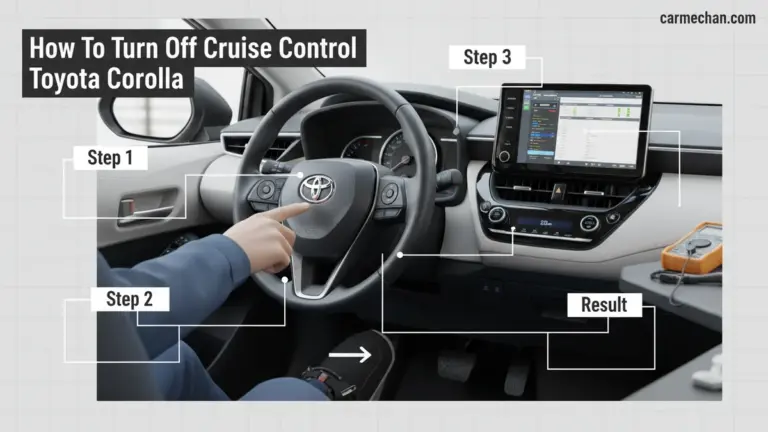
Cruise control failure can make long-distance driving in your 2010 Corolla feel like a taxing chore, but the solution is frequently simpler than most drivers anticipate. A common pitfall is the assumption that a dedicated “Cruise” fuse exists within the vehicle’s electrical system. In reality, power for the cruise control module is integrated into larger, shared circuits, often leading owners to waste hours searching for a label that simply isn’t there. In this guide, we will pinpoint the exact power circuits you need to inspect and provide a clear, professional path for diagnosing your system safely, ensuring you get back on the road without unnecessary trips to the local shop.
Understanding Your 2010 Toyota Corolla Cruise Control Fuse Location
Recommended Best Deal Products


To effectively troubleshoot the 2010 Toyota Corolla cruise control fuse location, you must first understand the vehicle’s electrical architecture. Modern vehicle systems are consolidated; rarely does a single component enjoy a standalone circuit. The cruise control system in the 2010 Corolla is a prime example, functioning as a sub-system that draws power from existing, multi-purpose control modules.

📤 Share Image
When the cruise control fails to engage, the issue is rarely a blown “cruise” fuse, as one does not exist. Instead, the power delivery is routed through the Instrument Panel Junction Block (located inside the cabin) and the Engine Room Relay Block (located under the hood). Specifically, you should focus your diagnostic attention on the following:
- The GAUGE Fuse (10A): This circuit is critical as it powers the instrument cluster, which houses the cruise control indicator light and processes the input signals required to determine vehicle speed.
- The ECU-B Fuse (10A): This circuit provides constant power to various Body Control Module functions, including the Engine Control Module (ECM) communication lines that govern cruise engagement.
By understanding that the system is modular, you avoid the common error of hunting for a non-existent fuse. If your instrument cluster is functioning normally and your other electronic accessories are active, it indicates that the primary power feeds for these shared circuits are likely intact, pointing the diagnosis toward localized component failure or logic errors rather than a total loss of power.
Locating and Inspecting the 2010 Toyota Corolla Fuse Boxes
Accessing the fuse boxes requires basic tools and a steady hand. The most accessible box, and the one containing the GAUGE circuit, is located in the driver-side kick panel. The engine room block is more complex and typically reserved for high-amperage components.

Steps to Accessing the Interior Junction Block
Locate the access panel beneath the steering column on the driver’s side. Gently pull the tab or use a trim tool to pry the cover away from the kick panel to expose the bank of fuses.
Consult the diagram on the back of the cover or your owner’s manual to identify the 10A GAUGE fuse. Note that “ECU-B” may also be found here depending on your specific regional trim level.
Never replace a blown fuse with a higher amperage rating than specified. Using a 15A or 20A fuse in a 10A slot creates a severe fire risk because the wiring will overheat before the fuse blows.

How to Properly Test Circuits and Diagnose a Blown Fuse
Recommended Best Deal Products


Once you have identified the target fuses, visual inspection is the first line of defense. A blown fuse will show a physical break in the internal metal wire. However, some fuses can fail due to “invisible” stress or hairline fractures that are not immediately apparent to the naked eye.

Prime for Young Adults — 6 Months Free
Students and 18–24s get six months of Prime free, then half price.
Start 6 Months FreeTo achieve a professional-level diagnostic, utilize a digital multimeter set to the continuity (beep) setting. By touching the probes to the two small metal test points on top of the fuse, you can confirm whether the circuit is truly complete. If the meter remains silent, the fuse is faulty regardless of its appearance.
Industry Data: Common Failure Factors
Fuse blows due to shorts
Natural component age
If you find a blown fuse, do not simply replace it and expect a permanent fix. A blown fuse is a symptom, not the root cause. A short circuit—perhaps from a frayed wire in the steering column or a failing clock spring—is likely drawing excessive current. If you replace the fuse and it blows again immediately, stop all further attempts and consult a trusted local technician to inspect the wiring harness for damage.
Troubleshooting Cruise Control When Fuses Are Intact
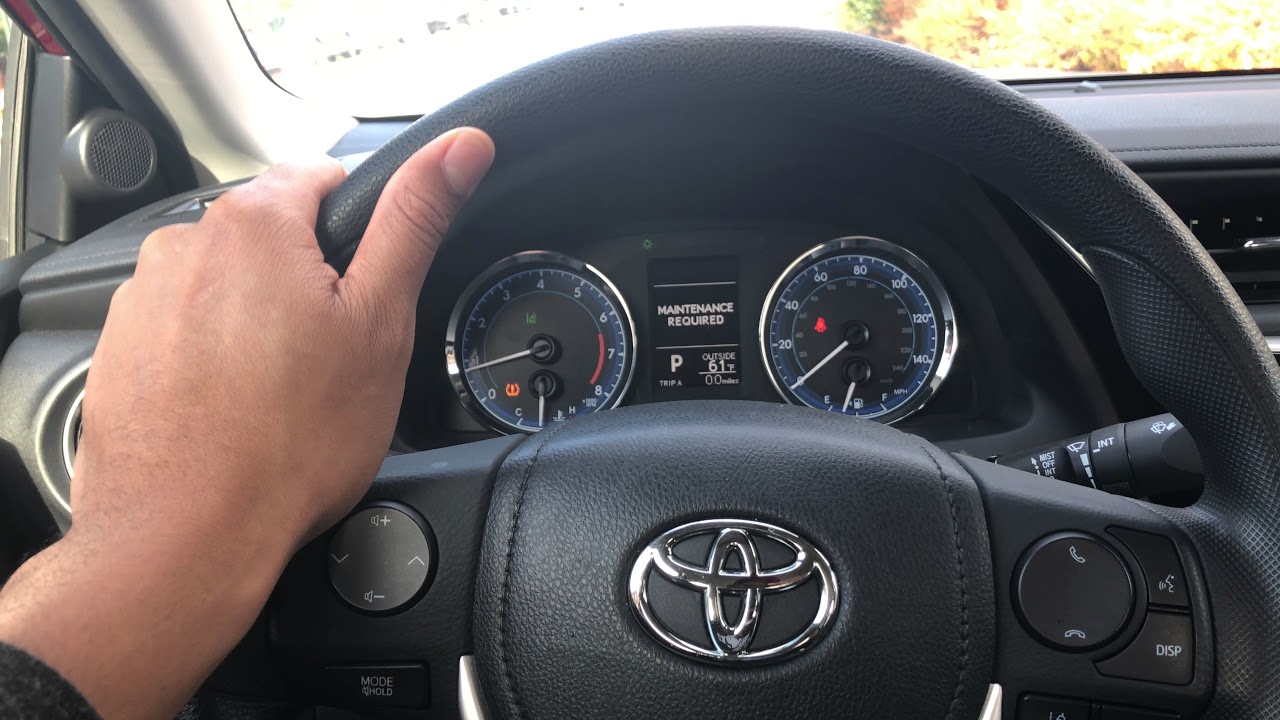
If your fuses are confirmed to be in good working order, the failure lies within the control logic or the sensors themselves. One of the most common indicators is a flashing “CRUISE” light on your dashboard. This flashing serves as an error code, signifying that the Engine Control Module (ECM) has detected a malfunction in the system’s safety parameters.
Brake Switch
The brake light switch is a common point of failure. If the switch is stuck or misaligned, the vehicle “thinks” the brake is applied, effectively disabling the cruise control system for safety reasons.
Clock Spring
The clock spring maintains electrical connection to steering wheel controls. If the cruise buttons feel unresponsive or intermittent, this internal component may have worn out.
The brake light switch is frequently overlooked. Since the cruise control must deactivate the moment you touch the brake pedal, the system constantly monitors this switch. A faulty, lingering signal from this switch will prevent the cruise control from engaging entirely. If you have verified the fuses and the issue persists, the next accessible step is to verify if your brake lights illuminate correctly every time the pedal is depressed.
If you are unsure of your diagnostic capabilities, most auto parts stores offer a free code scanning service. A standard OBDII scanner can often pull specific chassis codes that tell you exactly why the cruise system is refusing to engage, which is far more efficient than guessing.
By systematically verifying the GAUGE and ECU-B circuits, you have completed the fundamental electrical check required for your 2010 Corolla. Remember that there is no singular fuse labeled for this function; persistence and the correct manual diagrams are your best assets. If these diagnostic steps do not resolve the issue, it is highly recommended that you consult a trusted local mechanic. They have access to advanced diagnostic tools that can pull specific Diagnostic Trouble Codes (DTCs) from the ECM, pin-pointing the exact sensor or switch failure without further trial-and-error.
2010 Toyota Corolla Cruise Control Fuse Location: Frequently Asked Questions
Recommended Best Deal Products


Where is the fuse box located on a 2010 Corolla?
The interior fuse box for your 2010 Toyota Corolla is located inside the cabin, specifically on the lower driver-side dashboard. You will typically find it tucked behind a plastic kick panel or a small storage compartment to the left of the steering column. Simply unclip the panel to reveal the fuse diagram printed on the backside of the cover.

Audible Premium Plus — Annual Membership
12 audiobook credits up front, plus the full Audible catalogue.
See Annual PlansWhy does my cruise control light flash but not set?
A flashing cruise control light in a 2010 Corolla is almost always a diagnostic code indicating a fault in the system, rather than a simple blown fuse. This usually points to a failing brake light switch, a problem with the steering wheel clock spring, or a sensor reading error within the electronic throttle control system. It is a safety feature designed to disable cruise if a fault exists.
Is there a dedicated fuse just for cruise control?
No, there is no single fuse labeled ‘Cruise Control’ in a 2010 Toyota Corolla. The system is integrated into the vehicle’s electronic infrastructure. It relies on power from the ‘ECU-IG’ fuse and the ‘GAUGE’ fuse, which support the electronic control module and the instrument cluster indicators. Always check these specific circuits when diagnosing a power-related cruise failure.
How do I know if a fuse is blown?
To determine if a fuse is blown, pull it from the junction block and hold it up to a light source. A healthy fuse has a continuous, unbroken metal strip inside the plastic casing. A blown fuse will show a distinct gap, melted or broken metal, or a blackened interior. If you are unsure, use a multimeter to test for continuity across the two metal tabs.
Are there local shops that can test my electrical system if I can’t find the fault?
Yes, many community-based independent automotive repair shops specialize in electrical diagnostics and are readily available to assist. You can search for ‘auto electrical repair nearby’ to find technicians with specialized diagnostic equipment, such as an OBD-II scanner, which can read error codes directly from the Corolla’s computer to identify exactly why the cruise control system is failing.