2009 Nissan Altima TPMS Reset: Find the Button & Fix Light
Last Updated on September 1, 2026 by Ryan
📋 Table of Contents
- 🎯 Key Takeaways
- Clarifying the Absence of a Physical TPMS Reset Button in 2009 Altimas
- Step-by-Step Guide: Resetting Your Altima’s TPMS Light (No Button)
- When to Use a TPMS Scan Tool or Seek Professional Help
- Maintaining Your TPMS and Preventing Future Warning Lights
- Conclusion
- 💬 Quick Questions & Answers
- ❓ Frequently Asked Questions
For a 2009 Nissan Altima, it’s crucial to understand that there is typically no dedicated physical TPMS reset button. Instead, resetting the Tire Pressure Monitoring System often involves driving cycles or specific inflation procedures, and sometimes a scan tool, after correcting tire pressure.
🎯 Key Takeaways


- 2009 Altimas usually lack a physical TPMS reset button.
- Reset often requires driving after proper inflation.
- A professional scan tool may be necessary for some cases.
- Always check and correct tire pressure first.
- Consult owner’s manual for specific vehicle details.
Have you ever noticed that little yellow tire symbol glowing on your dashboard? It’s your Tire Pressure Monitoring System (TPMS) light, and it’s there for an important reason. This light alerts you to potential tire issues, keeping you safe and your fuel efficiency high. But for owners of a 2009 Nissan Altima, figuring out how to turn off that pesky light can be a bit of a mystery, especially when you can’t find a physical reset button.
You’re not alone in searching for that elusive button. Many drivers expect a simple switch to make the light disappear. However, with your 2009 Altima, the solution isn’t about pushing a button. Instead, it involves understanding how your car’s advanced TPMS works and following a specific procedure. Don’t worry, we’re here to guide you through the process step-by-step. Let’s get that light off and restore your peace of mind on the road.
Clarifying the Absence of a Physical TPMS Reset Button in 2009 Altimas


It’s a common misconception that all cars have a TPMS reset button. Many drivers, when faced with an illuminated tire pressure light, instinctively look for a dedicated button inside the glove box, under the dash, or on the center console. While some vehicles do indeed feature such a button, your 2009 Nissan Altima operates differently. Nissan designed its TPMS for this model year to function without a manual reset button, relying instead on its advanced sensor technology and specific driving conditions to recalibrate the system.

The Common Misconception About TPMS Buttons
You might have seen videos or articles showing reset buttons in other car makes or models. It’s easy to assume your Altima would be similar. However, manufacturers use various types of TPMS systems. Some use an “indirect” system that measures tire rotation speed via the ABS sensors, often requiring a simple button press to reset after tire service. The 2009 Altima, however, uses a “direct” TPMS. This system involves a sensor located inside each tire. These sensors directly measure tire pressure and temperature, then transmit that data wirelessly to your car’s computer. This direct measurement system eliminates the need for a physical reset button for routine pressure adjustments.
How the 2009 Altima’s System Works (Direct TPMS)
Your 2009 Nissan Altima is equipped with a sophisticated direct TPMS. This means that each of your four road tires, and sometimes even the spare, contains a tiny battery-powered sensor. These sensors are constantly monitoring the air pressure within your tires. When one of these sensors detects a pressure drop below the recommended level (or a significant temperature change), it sends a signal to your car’s onboard computer. This computer then triggers the TPMS warning light on your dashboard. Because the system is constantly receiving live data from individual sensors, it is designed to automatically “relearn” correct pressures once they are restored, rather than needing a manual button press. This design ensures that the light only goes off when the actual tire pressure issue has been resolved, or the system has properly recalibrated itself.
Step-by-Step Guide: Resetting Your Altima’s TPMS Light (No Button)


Since your 2009 Nissan Altima doesn’t have a manual TPMS reset button, the process to turn off that warning light involves a few critical steps. It’s less about a quick fix and more about ensuring your tires are properly maintained. The system is designed to clear the light itself once it senses that the underlying issue has been resolved. This usually means correct tire pressure has been restored and the car has been driven for a period.
The Essential First Step: Check All Tire Pressures Accurately
Before you do anything else, you absolutely must check the pressure in all four of your road tires, and if applicable, your spare tire. Low tire pressure is by far the most common reason for the TPMS light to illuminate. You will need a reliable tire pressure gauge for this. Make sure to check your tires when they are “cold,” meaning they haven’t been driven on for at least three hours. Driving heats up the air inside your tires, which can give you an artificially high reading. To find the correct tire pressure for your Altima, look for a sticker on the driver’s side door jamb. It will list the recommended PSI (pounds per square inch) for both your front and rear tires. Inflate any under-inflated tires to this exact specification. Do not overinflate, as this can also be dangerous.
- Use a trustworthy tire pressure gauge for accuracy.
- Check tire pressure when your tires are cold (e.g., first thing in the morning).
- Locate the recommended PSI on the sticker inside your driver’s side door jamb.
- Adjust all tire pressures, including the spare if it has a sensor, to the specified PSI.
Driving to Relearn the System (The “Reset” Process)
Once you’ve adjusted all your tire pressures to the correct levels, the “reset” process for your Altima’s TPMS light truly begins. Because your car doesn’t have a button, the system needs to re-read and confirm the new, correct pressures from all its sensors. This happens while you drive. You will need to drive your Nissan Altima for a significant period to allow the system to recalibrate. Aim for highway speeds, typically above 25-30 mph, and maintain this speed for at least 10 to 20 minutes. This consistent driving allows the TPMS sensors to transmit their updated pressure readings to your vehicle’s computer. The system then processes this information. If all pressures are now correct and the sensors are functioning properly, the TPMS warning light should turn off on its own during or shortly after this drive. If the light remains on after following these steps, it might indicate a more serious issue, such as a faulty TPMS sensor or a problem with the system itself, requiring professional diagnosis.
When to Use a TPMS Scan Tool or Seek Professional Help
While your 2009 Nissan Altima’s TPMS reset button is a handy tool for many common issues, it’s not a magic bullet. There are specific situations where the button alone won’t get the job done, and you might need a specialized TPMS scan tool or the expertise of a professional technician.
When the Reset Button Isn’t Enough
The manual reset button primarily helps recalibrate the system after a pressure adjustment. However, it won’t resolve underlying hardware issues. If your TPMS light persists after confirming correct tire pressure and using the reset button, consider these scenarios:
- Faulty Sensor: Each tire has a sensor with a battery. These batteries typically last 5-10 years. A dead or malfunctioning sensor won’t transmit data, and the system can’t recalibrate without it.
- New Tire Installation or Rotation: Sometimes, after replacing tires or performing a significant rotation (e.g., swapping winter tires for summer ones), the vehicle’s computer might lose track of which sensor is in which position. While some Altima models might relearn automatically, others may require a manual relearn procedure that the button cannot perform.
- TPMS Module Issues: Less common, but the central TPMS control module itself can fail, leading to persistent warnings.
The Role of a TPMS Scan Tool
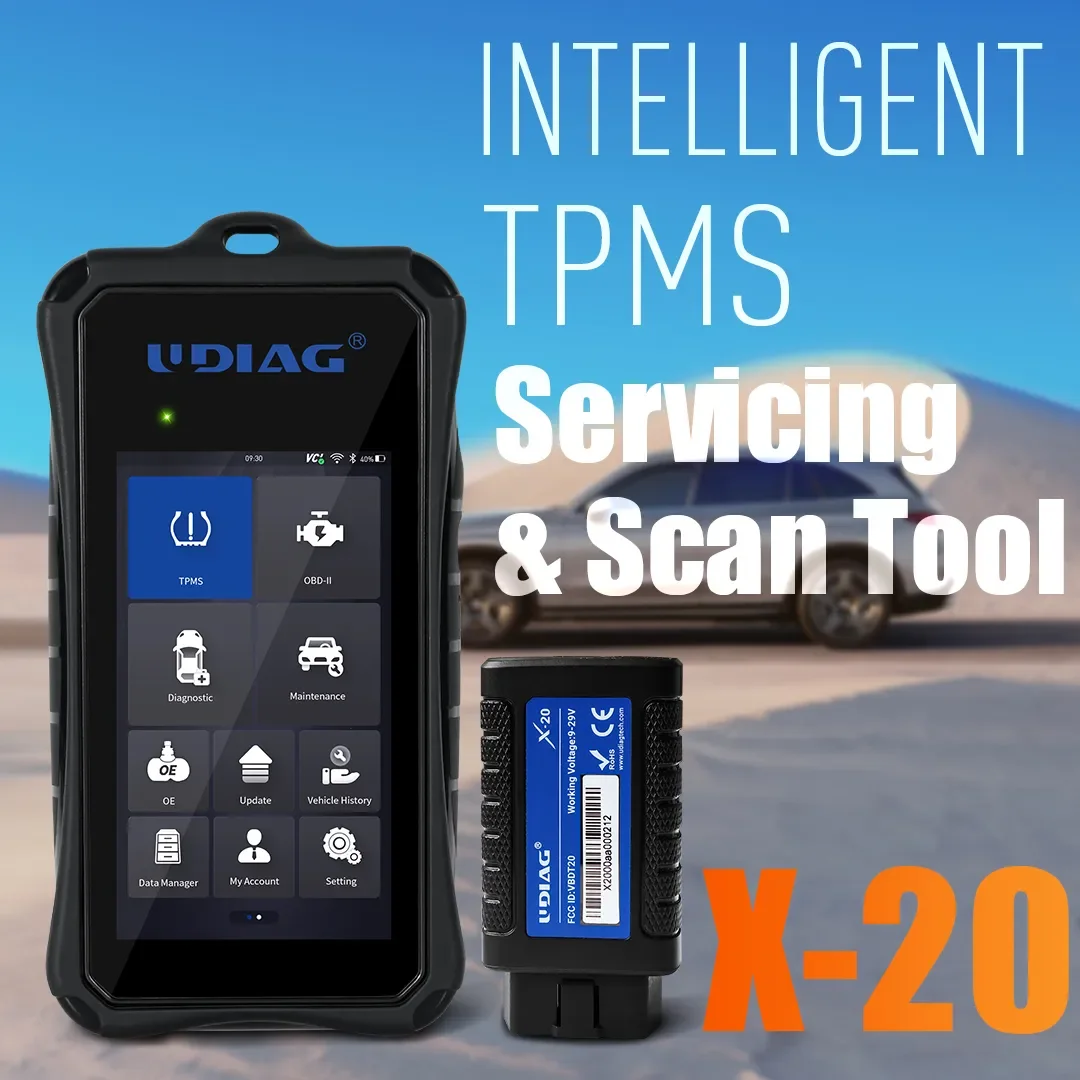
A specialized TPMS scan tool is designed to communicate directly with your tire pressure sensors and the vehicle’s TPMS module. Here’s how it helps:
- Sensor Activation: It can “wake up” new or dormant sensors.
- Sensor ID Reading: It reads the unique ID of each sensor, allowing the technician to confirm if a sensor is transmitting or if its battery is dead.
- Relearning Process: For new sensors or after certain tire services, the tool can program the new sensor IDs into your Altima’s computer, telling the car which sensor belongs to which wheel. This is often essential for replacing a single faulty sensor.
If you’re facing a persistent TPMS light despite proper inflation and reset attempts, it’s time to visit a reputable tire shop or Nissan dealership. They have the necessary scan tools and expertise to diagnose the exact problem and perform the correct relearn procedure, getting your system back on track.
Maintaining Your TPMS and Preventing Future Warning Lights
A little proactive maintenance goes a long way in keeping your 2009 Nissan Altima’s TPMS system happy and preventing those pesky warning lights from reappearing. Think of your TPMS as an extension of your overall tire care routine.
Regular Tire Maintenance is Key
Your TPMS system is a monitor, not a replacement for good tire habits. Here’s what you should be doing regularly:
- Check Tire Pressure Manually (Monthly): Even with TPMS, make it a habit to manually check your tire pressure with a reliable gauge at least once a month, and always before long trips. The recommended PSI for your Altima can be found on a sticker inside your driver’s side door jamb. This ensures accuracy and catches slow leaks before the TPMS light even comes on.
- Rotate Tires Regularly: Follow Nissan’s recommended tire rotation schedule (usually every 5,000-7,500 miles). Regular rotation promotes even tire wear, extending their lifespan and ensuring consistent performance, which in turn helps your TPMS sensors report accurately.
- Inspect Tires for Wear and Damage: While checking pressure, also look for uneven wear patterns, cracks, bulges, or embedded objects. Healthy tires mean a healthy TPMS.
Properly inflated tires not only keep your TPMS light off but also improve fuel efficiency, handling, and prolong the life of your tires.
Understanding Sensor Lifespan and Replacement
TPMS sensors aren’t designed to last forever. They contain small, non-replaceable batteries that typically have a lifespan of 5 to 10 years, depending on driving conditions and usage. For a 2009 Altima, your original sensors are likely past their prime or nearing the end of their battery life.
- Signs of Dying Sensors: You might notice intermittent TPMS warnings that eventually become constant, even if your tire pressure is correct. This is often a sign that a sensor battery is weak or dead.
- When to Replace: The most cost-effective time to replace TPMS sensors is when you’re getting new tires installed. Since the tire needs to be dismounted anyway, the labor cost for replacing the sensor is minimal. If one sensor dies, it’s often a good idea to consider replacing all of them, especially if they are all original and of similar age, to avoid having to repeat the process soon after for another sensor.
- Valve Stem Care: TPMS sensors are often integrated with the valve stem. Ensure the valve caps are always on to prevent dirt and moisture from entering, which can cause corrosion and sensor failure.
Conclusion
Navigating your 2009 Nissan Altima’s TPMS light doesn’t have to be a mystery. Understanding the simple role of the TPMS reset button, its location near the lower dash, and when to use it, empowers you to handle many common warning light scenarios. Remember that maintaining proper tire pressure is your first line of defense, followed by a quick press of the reset button.
However, if the light persists, don’t hesitate to seek professional assistance. Modern TPMS systems are sophisticated, and sometimes a specialized scan tool or a new sensor is required. By combining regular tire maintenance with an understanding of your Altima’s TPMS system, you’ll ensure safe driving, optimal tire performance, and a clear dashboard. Keep those tires properly inflated and enjoy the road ahead!
💬 Quick Questions & Answers
Does the 2009 Nissan Altima have a TPMS reset button?
No, the 2009 Altima typically does not have a dedicated physical TPMS reset button.
How do I turn off the TPMS light on my 2009 Altima?
First, ensure all tires are correctly inflated, then drive for 10-20 minutes above 25 mph.
Where is the TPMS sensor located?
The TPMS sensors are located inside each wheel, attached to the valve stem.
What if driving doesn’t reset the light?
If driving doesn’t work, check for a faulty sensor or seek a professional scan tool diagnosis.
Can low spare tire pressure trigger the TPMS light?
No, the 2009 Altima’s TPMS typically monitors only the four main road tires, not the spare.
❓ Frequently Asked Questions
What are the primary methods to reset the TPMS light on a 2009 Nissan Altima without a button?
The main method involves ensuring all tires are inflated to the correct PSI as per the door jamb sticker, then driving the vehicle above 25 mph for 10-20 minutes to allow the system to relearn tire pressures. If this fails, professional assistance with a TPMS scan tool might be needed.
Why doesn’t my 2009 Altima have a TPMS reset button like some other cars?
Many vehicles from that era, including the 2009 Nissan Altima, were designed to automatically recalibrate their TPMS after a driving cycle once tire pressures are corrected. A physical button was often considered unnecessary for this passive relearn system.
What tire pressure should I set my 2009 Nissan Altima’s tires to before attempting a reset?
Always inflate your tires to the recommended pressure specified on the tire placard located on the driver’s side door jamb. This is crucial for accurate TPMS readings and safe driving, usually around 30-33 PSI for the Altima.
Can a dead TPMS sensor cause the light to stay on even after correcting tire pressure?
Yes, a dead or faulty TPMS sensor can prevent the light from turning off, even if tire pressures are correct. Sensors have batteries that can die after 7-10 years, requiring replacement and professional programming.
Is it safe to drive my 2009 Altima with the TPMS light on?
While it may be safe if you’ve manually checked and confirmed tire pressures are correct, a persistent TPMS light indicates a system malfunction. It’s best to address it promptly to ensure you receive proper warnings for actual low tire pressure.
Should I check tire pressure when tires are hot or cold?
Always check your tire pressure when the tires are “cold,” meaning they haven’t been driven for at least three hours or more than a mile. Driving heats tires, increasing internal pressure and giving an inaccurate reading.