
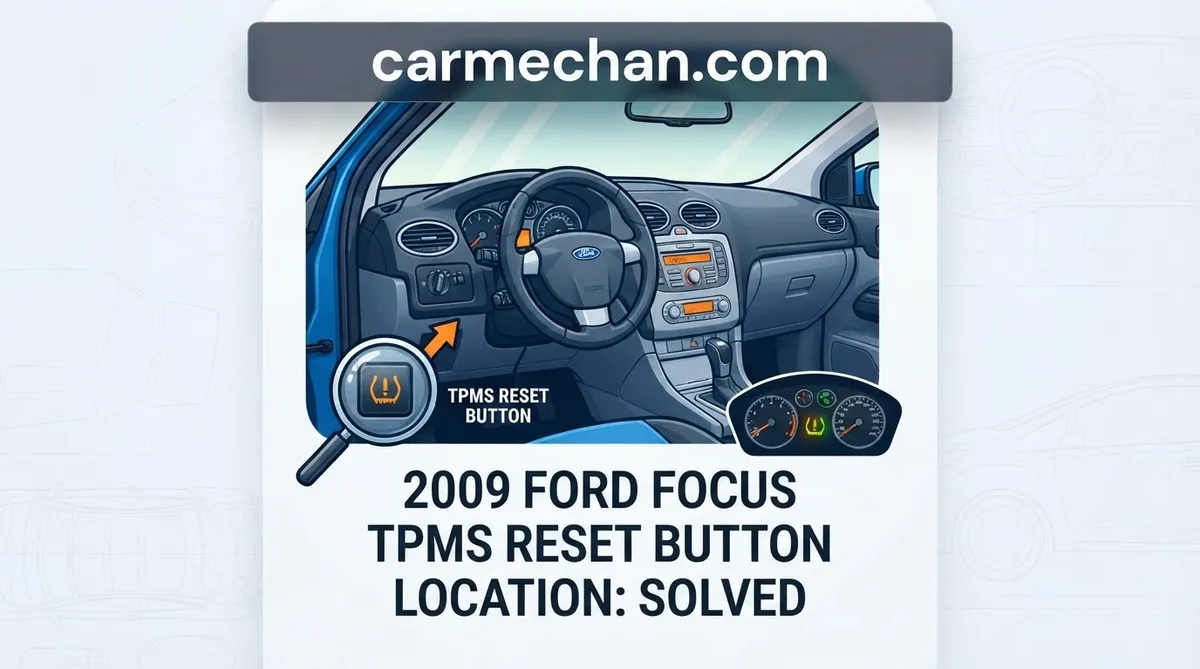
2009 Ford Focus TPMS Reset Button Location: Solved
Seeing that tire pressure light on your dashboard and searching for a ‘reset button’ you can’t find? You are not alone. Many 2009 Ford Focus owners waste valuable time digging through vehicle manuals and scouring the glovebox or steering column for a physical reset button that simply does not exist. The frustration of dealing with an illuminated Tire Pressure Monitoring System (TPMS) lamp is common, but the solution requires a shift in perspective: understanding that this vehicle uses an automated, logic-driven system rather than a manual toggle. This guide provides an expert-level breakdown of how your 2009 Ford Focus system functions, how to achieve a fresh start with your tire pressure monitoring, and exactly when you need to seek professional intervention.
Debunking the 2009 Ford Focus TPMS Reset Button Location Myth
Recommended Best Deal Products


📤 Share Image
Why You Cannot Find the Reset Button
The primary misconception among owners of this generation is the belief that a manual override exists. Unlike some luxury or newer European vehicles that feature a “set” option within an infotainment menu or a hidden button beneath the dashboard, the 2009 Ford Focus operates on an autonomous monitoring logic. There is no physical reset switch because the system is designed to initialize the sensors continuously while the vehicle is in motion.
How the 315 MHz Receiver Module Works
The Ford TPMS architecture relies on a series of pressure sensors mounted inside each wheel assembly. These sensors transmit data via a 315 MHz radio frequency signal to the vehicle’s onboard Receiver Module. When you adjust your tire pressure, the sensors detect the change and transmit the new data to the computer. Once the system confirms that all four tires are back within the programmed PSI thresholds, the dashboard warning lamp will turn off automatically. Seeking a reset button is a futile exercise; the system performs its own “reboot” the moment it receives valid, within-spec data from all four corners of the vehicle.
Identifying Causes for the 2009 Ford Focus TPMS Warning Light
Solid Light vs. Blinking TPMS Lamp
Interpreting the dashboard signal correctly is critical. A solid TPMS warning light indicates that one or more of your tires are under-inflated. Always refer to the tire pressure placard located on the driver-side door jamb, rather than the maximum PSI rating molded into the sidewall of the tire itself. If, however, your light is blinking, this signals a systemic failure. A flashing light typically means the Receiver Module cannot communicate with one or more sensors, suggesting an electrical fault or a dead sensor battery.
Understanding Tire Sensor Battery Failure
Tire sensors are powered by integrated, non-replaceable lithium batteries designed to last approximately 7 to 10 years. For a 2009 model year vehicle, it is statistically probable that original sensors have reached the end of their service life. When a sensor battery dies, it can no longer broadcast the necessary 315 MHz signal, leaving the system unable to complete its initialization. This is a common maintenance event, not a malfunction of the car’s computer.
Industry Data
Frequency Standard
Typical Sensor Life
How to Perform a 2009 Ford Focus TPMS Relearn Procedure
Recommended Best Deal Products

📋
Step-by-Step Sensor ID Registration
Ensure your vehicle is parked in a safe area. Turn the ignition switch to the “ON” position without starting the engine. Use a dedicated TPMS activation tool to trigger the learning mode on the vehicle’s receiver if required by the specific trim level.
Using your TPMS tool, activate the sensors in the following specific sequence: Left Front, Right Front, Right Rear, and finally Left Rear. The vehicle’s horn will typically chirp to acknowledge that each sensor ID has been successfully registered.
Required Tools for Successful Relearning
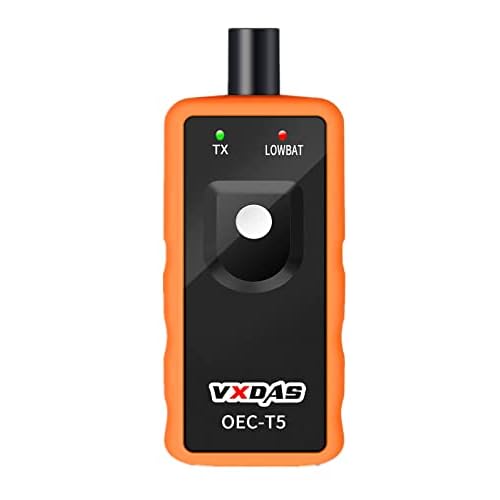
While the system is automatic, simply changing a tire or rotating the wheels does not always ensure the system immediately updates the location of every sensor ID. For professional, consistent results, a handheld TPMS activation tool is necessary. This device forces the sensors to wake up and transmit their unique ID, allowing the vehicle’s module to assign the correct signal to the correct tire position.
Resolving 2009 Ford Focus TPMS Reset Button Location Errors
Recommended Best Deal Products


Do not attempt to over-inflate your tires to “force” the light off. This can result in uneven tire wear, compromised handling, and the risk of a blowout. Always adhere to the recommended PSI printed on your driver-side door placard.
When the Light Remains On After Inflation
- Valve Stem Issues: Check for slow air leaks or corrosion on the valve stem, which can interfere with the sensor’s ability to measure pressure accurately.
- Interference: Electronic devices plugged into the vehicle’s power outlets (such as cheap USB chargers) can sometimes emit radio noise that interferes with the 315 MHz signal. Remove non-factory accessories to rule this out.
- Hardware Damage: During tire mounting or dismounting, it is possible for a technician to inadvertently damage a sensor. If the light remains after proper inflation, physical damage is a leading suspect.
Professional Diagnostic Requirements
If your tire pressure is correct and the light persists, the system is likely reporting a communication error or a sensor failure. At this stage, professional diagnostic equipment is required. A shop can use a full-service TPMS scanner to check the health and battery status of every sensor individually. This is a clean, definitive way to distinguish between a simple sensor needing replacement and a more complex fault within the vehicle’s receiver module.
To summarize, the 2009 Ford Focus TPMS is an automatic system; there is no manual reset button involved in its operation. Always start by verifying your tire pressure at the driver-side door jamb. Remember that a blinking light serves as an indicator of mechanical or electrical failure rather than just low air. If your tire pressures are confirmed to be within the recommended factory range and the warning light refuses to clear, visit a reputable tire shop to have them scan your sensor IDs. This will identify if any of your sensors have reached the end of their battery life, providing a definitive solution to your dashboard warning.
2009 Ford Focus Tpms Reset Button Location: Frequently Asked Questions
Where is the TPMS reset button located on a 2009 Ford Focus?
There is no physical TPMS reset button on the 2009 Ford Focus. The vehicle is equipped with an auto-learn feature that manages the system through the onboard computer. The system is programmed to detect sensor signals automatically once the tires are properly inflated and the vehicle reaches a sufficient speed for the sensors to wake up and transmit their data to the receiver.
Do I need a tool to reset my Ford TPMS?
For a standard 2009 Ford Focus, you do not need a tool to reset the TPMS if the sensors are functioning correctly; driving the car is sufficient. However, if you have replaced the sensors and the computer is not recognizing the new IDs, a specialized TPMS diagnostic tool may be required to ‘re-learn’ or program the sensor IDs into the vehicle’s ECU to restore system functionality.
Why won’t the TPMS light go off after I fixed the tire pressure?
The light often remains on because the system hasn’t completed its ‘drive cycle.’ After inflating your tires to the correct pressure, you must drive the vehicle for at least 15-20 minutes at speeds above 20 mph. This provides the motion needed to trigger the sensors to ‘wake up’ and send their current data to the car’s computer, confirming that the pressure is now within the specified factory range.
Does a blinking TPMS light mean my tires are low?
No, a blinking light indicates a system malfunction rather than low pressure. If the light flashes for approximately one minute and then stays solid, it typically points to a fault in the system, such as a dead sensor battery, a damaged sensor, or an issue with the receiver module. A solid light without flashing is the standard indicator that one or more of your tires are under-inflated.
Can cold weather trigger the TPMS light on my 2009 Focus?
Yes, cold weather frequently triggers the TPMS light. Air contracts in colder temperatures, causing the pressure inside your tires to drop significantly. Even if your tires were properly inflated during warmer weather, a sudden drop in ambient temperature can reduce PSI enough to fall below the system’s threshold. Always check tire pressure in the morning when the tires are ‘cold’ to ensure an accurate reading.