2008 Dodge Ram 1500 5.7 Problems: Essential Info
Last Updated on January 5, 2026 by Ryan
Owning a legendary pickup often comes with a mix of pride and mechanical detective work, especially when dealing with a classic third-generation powerhouse. You might be cruising down the highway, enjoying the rumble of your V8, only to notice a rhythmic ticking sound or a sudden hesitation when accelerating. These moments can be frustrating, but they are common for owners seeking information on this specific model year. This comprehensive guide provides essential facts and professional insights into the most frequent 2008 Dodge Ram 1500 5.7 problems. By the end of this overview, you will have a clear summary of what to watch for, how to troubleshoot common issues, and the best ways to keep your truck running for years to come.
The Engine Enigma: Understanding the 5.7L Hemi


The 2008 Dodge Ram 1500 is powered by the legendary 5.7-liter Hemi V8, an engine that brought muscle car performance to the pickup world. However, this specific iteration is known for a few distinct mechanical quirks. When researching details about this truck, the “Hemi Tick” is almost always the first topic of conversation. This sound can stem from two different sources: broken exhaust manifold bolts or internal valvetrain wear. While the former is a relatively easy fix, the latter can lead to significant engine damage if ignored. Owners should look for specific details regarding their maintenance history, as the 5.7L is particularly sensitive to oil change intervals and the quality of lubrication used in the Multi-Displacement System (MDS).
The 2008 model year features the MDS technology, which shuts down four cylinders during light-load cruising to improve fuel economy. This system requires specific 5W-20 oil to function correctly; using heavier oil can trigger a Check Engine light and cause rough transitions.
Common Electrical and Computer Faults


Beyond the engine block, many owners report information regarding electrical anomalies. The 2008 Ram utilizes the Totally Integrated Power Module (TIPM), which acts as the brain for the vehicle’s electrical distribution. When a TIPM begins to fail, the symptoms can seem unrelated and chaotic. You might experience windshield wipers that turn on by themselves, power locks that cycle repeatedly, or even a fuel pump that stays running after the engine is turned off. These facts are essential for any DIY mechanic to understand, as misdiagnosing a TIPM issue often leads to replacing perfectly good alternators or batteries without solving the underlying problem.
📋
Diagnostic Step-by-Step Guide


Start the engine while cold. If the ticking disappears after the engine warms up, the problem is likely a broken exhaust manifold bolt. If the tick persists or gets louder with RPM regardless of temperature, it is likely a lifter or camshaft issue.
Use an OBD-II scanner to look for codes P3400 or P3497. These indicate the Multi-Displacement System is not engaging. Often, this is caused by low oil levels, the wrong oil viscosity, or a clogged MDS solenoid screen.
Inspect the water pump and radiator for leaks. The 2008 models frequently experience water pump bearing failure. Listen for a grinding noise near the front of the engine and check for pinkish crust around the pulley.
Transmission and Drivetrain Durability
The 2008 Ram 1500 uses the 545RFE five-speed automatic transmission. In general, this is a stout unit, but it is not without its faults. One of the most common insights from long-term owners involves the transmission solenoid pack. When this part fails, the truck may enter “limp mode,” where it stays in third gear to prevent further damage. Furthermore, the 4WD actuator in these models can occasionally become stuck, particularly if the vehicle is not used in four-wheel drive regularly. Providing regular maintenance details like fluid and filter changes (there are two filters in this transmission) is the best way to avoid the high cost of a total rebuild.
✨ Advantages and Ownership Benefits
High Resale Value
Despite common problems, the 2008 Hemi Ram remains highly sought after for its classic styling and powerful engine.
Ease of Modification
The aftermarket support for the 3rd Gen Ram is massive, making it easy to find parts for repairs and upgrades.
Suspension and Chassis Concerns
The ride quality of a 2008 Ram is often praised, but as the miles climb, the front suspension components begin to show their age. Facts from repair shops indicate that upper and lower ball joints are frequent failure points. If you hear a clunking noise when driving over speed bumps or notice uneven tire wear, these parts should be your first point of inspection. Additionally, the rack and pinion steering system can develop leaks at the seals. Keeping an eye on the power steering fluid levels and looking for wet spots on the driveway can save you from a sudden loss of steering assist.
Interior Comfort and HVAC Challenges
Even if the engine and transmission are perfect, the interior of a 2008 Ram can present its own set of problems. Many owners search for information regarding the “blend door” failure. This is a plastic door inside the dashboard that controls the flow of hot and cold air. When it snaps, you might find yourself stuck with freezing air in the winter or hot air in the summer. Repairing this often requires removing the entire dashboard, which can be labor-intensive. Another common summary of interior complaints includes the dashboard material itself, which is notorious for cracking under UV exposure. Using a sunshade is a simple but vital piece of maintenance to preserve the truck’s aesthetics.
Braking and Safety Systems
The braking system on the 2008 Ram 1500 is generally reliable, but some drivers provide details regarding a “soft” brake pedal. This is often caused by air in the ABS module or aging rubber brake lines that expand under pressure. Upgrading to braided stainless steel lines can provide a much firmer pedal feel. Also, the rear ABS sensor, located on top of the rear differential, is a known failure point. When it goes bad, it will trigger both the ABS and Brake warning lights on the dash and may cause your speedometer to act erratically. This is a simple, inexpensive fix that can be done in minutes with basic tools.
The rear wheel arches and cab corners of the 2008 Ram are extremely prone to corrosion, especially in salt-heavy regions. If you notice bubbling paint, address it immediately. Left unchecked, rust can compromise the structural integrity of the bed and frame.
The Verdict: Is the 2008 Ram 1500 5.7 Still a Good Buy?
After reviewing all the facts and details, it is clear that the 2008 Dodge Ram 1500 with the 5.7 Hemi is a truck that rewards proactive owners. It offers a perfect middle ground between the simpler trucks of the late 90s and the overly complex, sensor-laden pickups of today. While the list of problems might seem daunting, most are well-documented with affordable solutions available in the aftermarket. For those who enjoy working on their own vehicles, this truck provides a rewarding experience. It is capable of high mileage—often exceeding 250,000 miles—provided the owner is diligent about oil quality, cooling system health, and rust prevention.
In summary, the 2008 Dodge Ram 1500 5.7 is a robust workhorse with a few specific Achilles’ heels. By keeping an eye on the exhaust manifolds, being selective with your engine oil, and monitoring the TIPM for electrical gremlins, you can mitigate the most common headaches. Whether you are using it for work or as a daily driver, the insights provided here should help you navigate ownership with confidence. Armed with these facts, you are better prepared to handle any challenges this classic Hemi truck might throw your way.
Understanding the common 2008 Dodge Ram 1500 5.7 problems is the first step toward ensuring your vehicle remains a reliable asset rather than a liability. This overview has covered everything from internal engine mechanics to electrical distribution and chassis maintenance. By following the troubleshooting guide and professional tips provided, you can address issues before they lead to expensive repairs. Remember that the key to a long-lasting Hemi is consistent maintenance and early diagnosis. If you are currently experiencing issues, take action today by checking your oil levels and listening for any unusual sounds. Happy driving!
❓ Frequently Asked Questions
1
What are the most common 2008 Dodge Ram 1500 5.7 problems?
The most common 2008 Dodge Ram 1500 5.7 problems include the Hemi tick, which is often caused by broken exhaust manifold bolts or lifter failure. Additionally, owners frequently report transmission solenoid issues and electrical glitches originating from the Totally Integrated Power Module (TIPM). Understanding these facts helps in early diagnosis.
2
How does the Hemi tick affect the 5.7 engine?
The Hemi tick typically manifests as a rhythmic tapping sound. In many cases, it is simply a broken exhaust manifold bolt causing a leak. However, more serious insights suggest it could indicate a failing lifter or camshaft wear, which requires immediate mechanical attention to prevent complete engine failure.
3
Why is the TIPM a concern for Dodge owners?
The Totally Integrated Power Module (TIPM) is critical because it acts as the truck’s central electrical hub. When it fails, you may experience random horn honking, wipers activating on their own, or the fuel pump staying on. Having the right info on TIPM health is essential for reliability.
4
What are the benefits of fixing manifold bolts early?
Addressing manifold bolt issues early provides the benefit of preventing the manifold itself from warping due to uneven heat distribution. Fixing this promptly ensures better fuel efficiency, prevents exhaust fumes from entering the cabin, and avoids more expensive repairs like full manifold replacement or cylinder head resurfacing later.
5
How can I get started with diagnosing these issues?
To get started, use an OBD2 scanner to gather diagnostic trouble codes from the computer. Perform a visual inspection of the exhaust manifolds for soot or missing bolt heads. Gathering these initial details allows you to provide a mechanic with specific info, potentially saving time and money.
Author

Similar Posts
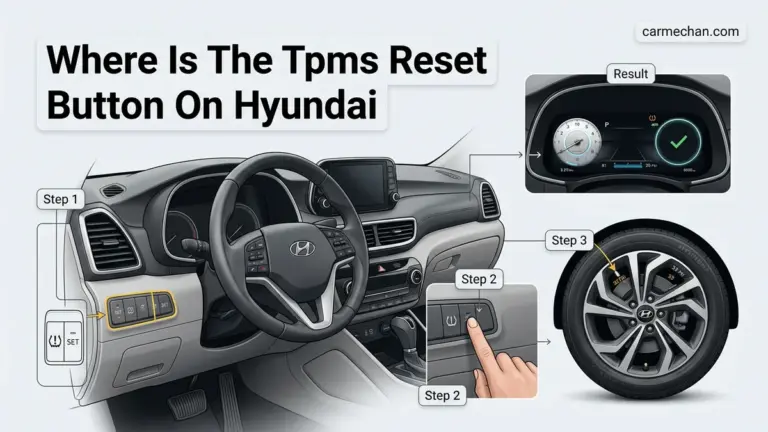
Where Is the TPMS Reset Button on Hyundai Tucson? 2026 Guide
Last Updated on September 1, 2026 by Ryan 📌 Quick Summary Most modern Hyundai Tucson models do not have a physical TPMS reset button. The system typically performs a self-calibration automatically once the correct tire pressure is reached and the vehicle is driven. Most modern Hyundai Tucson models, including the 2026 lineup, do not have…
- Car Maintenance and Troubleshooting | Car Starting and Ignition Issues | Engine and performance troubleshooting
Is Remote Start Bad For Your Car? Expert 2026 Guide
Last Updated on September 1, 2026 by Ryan Quick Summary Remote start systems are generally not bad for your car when used correctly, but prolonged idling can have minor impacts on engine longevity, fuel efficiency, and battery life. Modern systems are designed to mitigate risks, and responsible use ensures convenience without significant damage. The question…
How Many Axles on a Car? Understanding the Standard Two
Last Updated on October 19, 2026 by Ryan 📌 Quick Summary A standard passenger car typically has two axles: one at the front and one at the rear. Each axle connects a pair of wheels, transmitting power and supporting the vehicle’s weight. This configuration is fundamental to a car’s mobility, regardless of its drive type….
Rent a Garage to Work on Car Best 2026 Guide
Last Updated on September 1, 2026 by Albert Duke Quick Summary Renting a garage to work on your car provides dedicated space, specialized tools like lifts, and a safe environment for your DIY automotive projects. You can find these facilities through online searches, local enthusiast groups, and specialized booking platforms, with costs varying by location,…
Why Does My Car Keep Shutting Off? Expert Fix Guide 2026
Last Updated on September 1, 2026 by Albert Duke Quick Summary When your car keeps shutting off, it usually points to issues within the electrical, fuel, or ignition systems, or potentially a faulty sensor. Addressing these core areas is crucial for accurate diagnosis and repair. The primary reason why your car keeps shutting off often…
Where is the tpms reset button on a kia sportage: Solved
Seeing a glowing ‘TPMS’ light on your Kia Sportage dashboard can be stressful, especially when you are looking for a button that does not seem to exist. Many owners spend time searching through the glovebox or scrolling through digital menus for a “reset” command that remains elusive. The truth is that the system operates far…