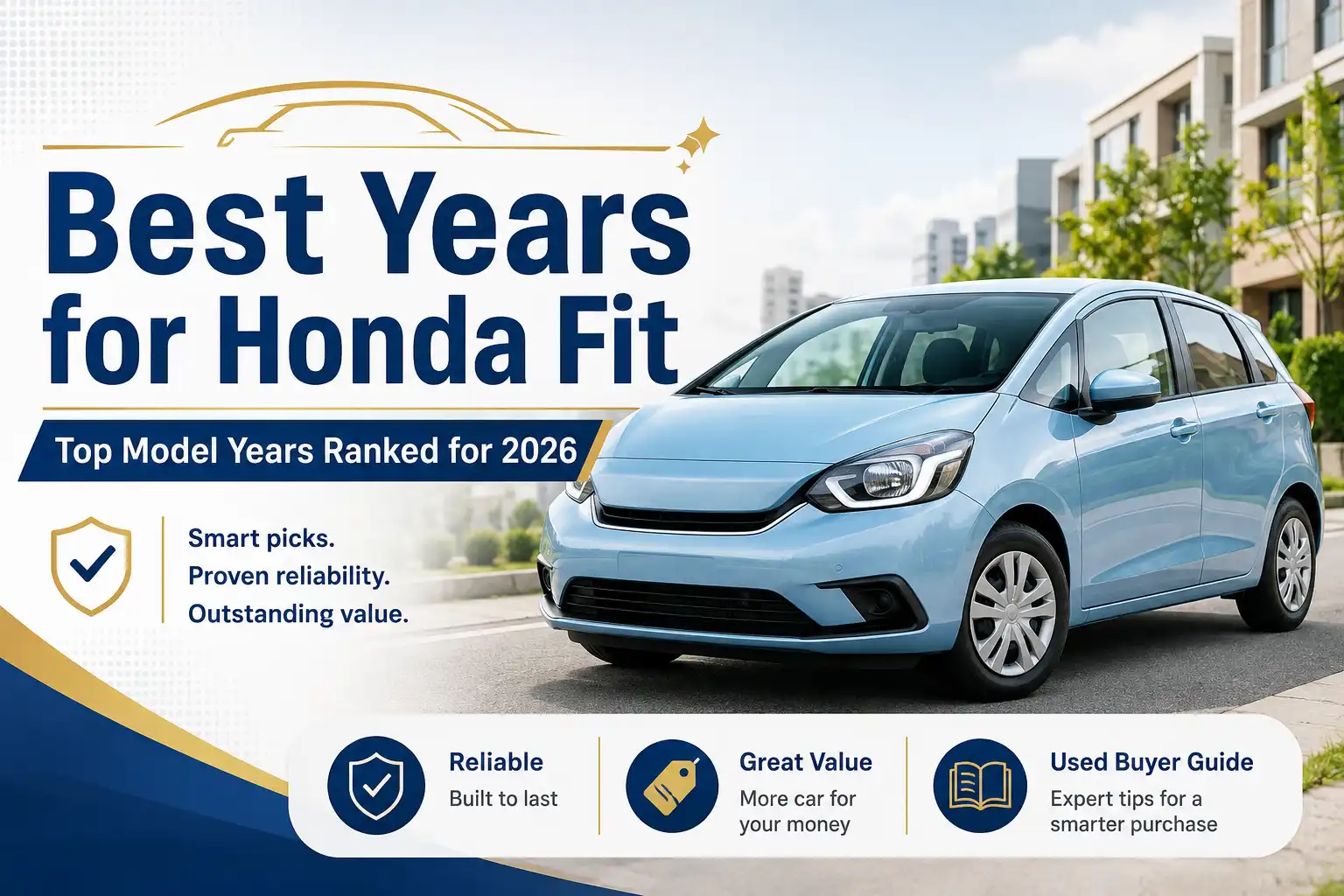
Best Years for Honda Fit: Top Model Years Ranked for 2026
Last Updated on August 23, 2026 by Albert Duke
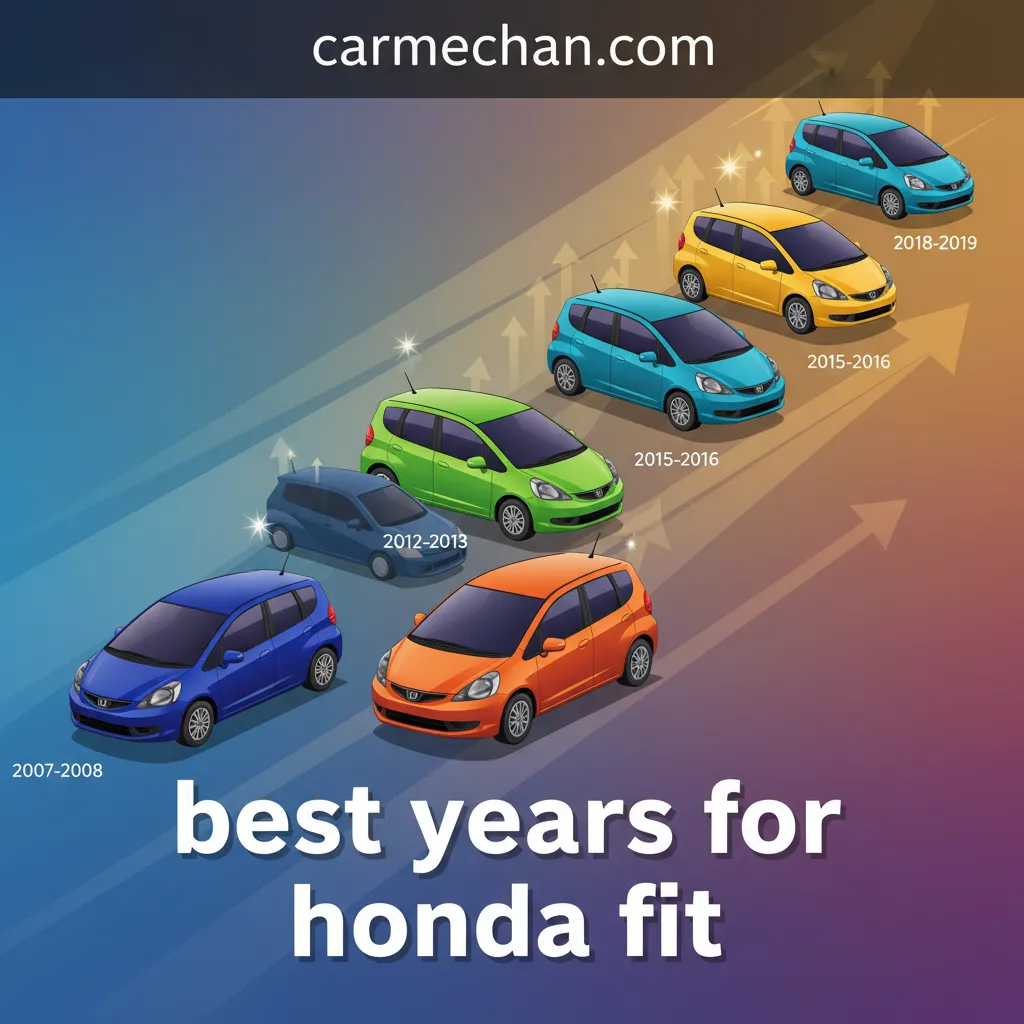
The Honda Fit has carved out an exceptional niche in the subcompact segment, revered for its remarkable versatility, efficiency, and enduring reliability. However, with multiple generations and model years available on the used market, prospective buyers often face the critical question: which year truly represents the ‘best’ investment? This authoritative guide provides a meticulously curated ranking and detailed analysis of the best years for the Honda Fit, offering essential insights into each generation’s strengths, weaknesses, and unique attributes to inform your purchasing decision.


The Enduring Legacy of the Honda Fit: Why It’s a Must-Know Subcompact
The Honda Fit, despite its compact exterior, has consistently defied expectations, cementing its reputation as a segment leader through ingenious design and unwavering reliability. For anyone evaluating subcompact vehicles, the Fit is a must-know contender.
📤 Share Image
At the core of its competitive advantage is the revolutionary ‘Magic Seat’ functionality. This uniquely engineered rear seating system allows for an unparalleled array of cargo configurations, truly transforming the vehicle’s interior. Beyond the standard upright seating, the Magic Seat folds flat into a ‘utility mode’ for maximum cargo volume, enabling easy transport of items like a mountain bike or even a small washing machine. For longer items, the front passenger seat can recline into a ‘long mode,’ accommodating lumber or a surfboard. Furthermore, the rear seat cushions can fold up against the seatbacks in a ‘tall mode,’ creating an impressive vertical space perfect for potted plants or a flat-screen TV. This adaptability is simply unmatched in its class.
Another primary driver for its widespread popularity is its consistent reputation for exceptional fuel efficiency. Across its lifespan, the Honda Fit has consistently delivered impressive EPA combined fuel economy ratings, typically ranging from 28 to 36 MPG. This makes it an incredibly economical choice for daily commuting and long-distance travel alike.
Recommended Best Deal Products


Beneath its clever packaging lies robust engineering, contributing to its consistently high reliability scores from reputable automotive bodies. Organizations like Consumer Reports and J.D. Power have frequently highlighted the Fit’s durability and low cost of ownership, positioning it as a sound, durable investment capable of enduring many years and miles of service. Its compact dimensions and remarkably agile handling further enhance its appeal, particularly for urban dwellers. Navigating tight city streets, making U-turns, and squeezing into challenging parking spaces become effortlessly manageable tasks, a testament to its expertly tuned chassis and responsive steering.
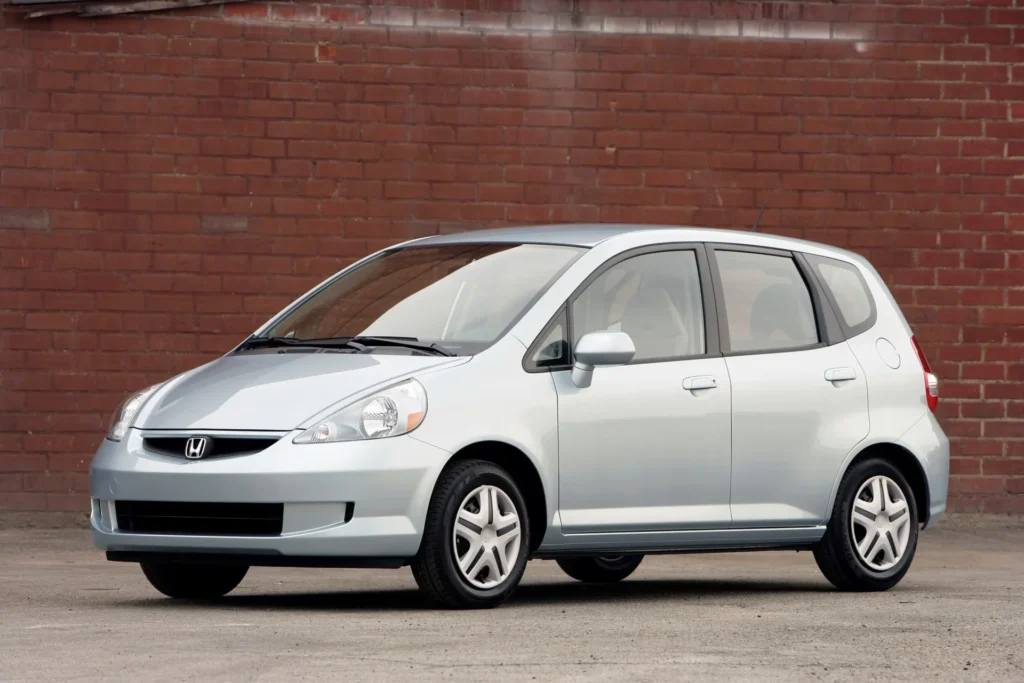
The Pinnacle of Practicality: Honda Fit 2nd Generation (2009-2014) Analysis
The second generation Honda Fit, spanning model years 2009-2014, is frequently ranked by industry experts and owners alike as one of the most balanced and reliable iterations. This generation represented a significant refinement over its predecessor, solidifying its status as a highly popular choice among discerning buyers seeking optimal value and performance.
Honda engineers meticulously refined the chassis and suspension of the 2nd Gen Fit, resulting in an appreciably improved ride quality without sacrificing the model’s characteristic agility. While still engaging on winding roads, the cabin experienced less harshness over imperfections, contributing to a more comfortable commuting experience. Under the hood, the L15A i-VTEC engine (a 1.5-liter, single overhead cam, 16-valve four-cylinder producing 117 hp) remained a paragon of reliability. Its robust design, combined with common service intervals, directly contributed to its impressive longevity. Owners frequently report minimal powertrain issues, particularly with diligent maintenance, such as timely oil changes and valve adjustments. This engine is well-known for its capability to reliably reach and exceed 200,000 miles.
This generation also saw an enhanced interior experience. Standard features were comprehensive, including early integration of USB audio input, power windows and locks, and improved interior materials that felt more premium than the first generation. Higher trim levels, such as the Sport and EX, offered desirable additions like alloy wheels, fog lights, available navigation systems, and even paddle shifters on automatic models, further elevating the driving engagement.
Recommended Best Deal Products


When considering maintenance for this generation, prospective owners should be aware of a few must-know insights. Spark plug replacement, while infrequent, can be challenging due to their location under the intake manifold, potentially leading to higher labor costs. Additionally, early signs of VTEC solenoid wear might manifest as minor oil leaks or occasional hesitation, often resolved with a gasket replacement or full solenoid unit. However, overall maintenance costs for 100k+ mile vehicles remain relatively low, primarily involving routine fluid changes and wear-and-tear items.
The transmission options were solid: a engaging 5-speed manual and a highly reliable 5-speed torque converter automatic. Both offered excellent driving dynamics and proved to be exceptionally durable. The manual provided a direct, sporty feel, while the automatic was smooth and efficient, avoiding the complex maintenance or common durability concerns associated with some Continuously Variable Transmissions (CVTs).
When evaluating a 2nd Gen Fit, specifically check for regular valve adjustments in service records. While not often discussed, proper valve clearance is crucial for the L15A’s long-term health and efficiency.
✅ Pros
- Exceptional L15A i-VTEC engine reliability
- Proven 5-speed automatic transmission
- Engaging driving dynamics with improved ride comfort
- Strong aftermarket support and parts availability
- High NHTSA 5-star overall safety rating (2010 onwards)
❌ Cons
- Slightly dated interior technology compared to newer models
- Spark plug changes can be labor-intensive
- Road noise can be noticeable at highway speeds
- Base models lack some desirable comfort features
By The Numbers: 2nd Gen Fit
L15A i-VTEC Output
Combined EPA Estimate
Miles Potential (with care)
NHTSA Safety (2010+)
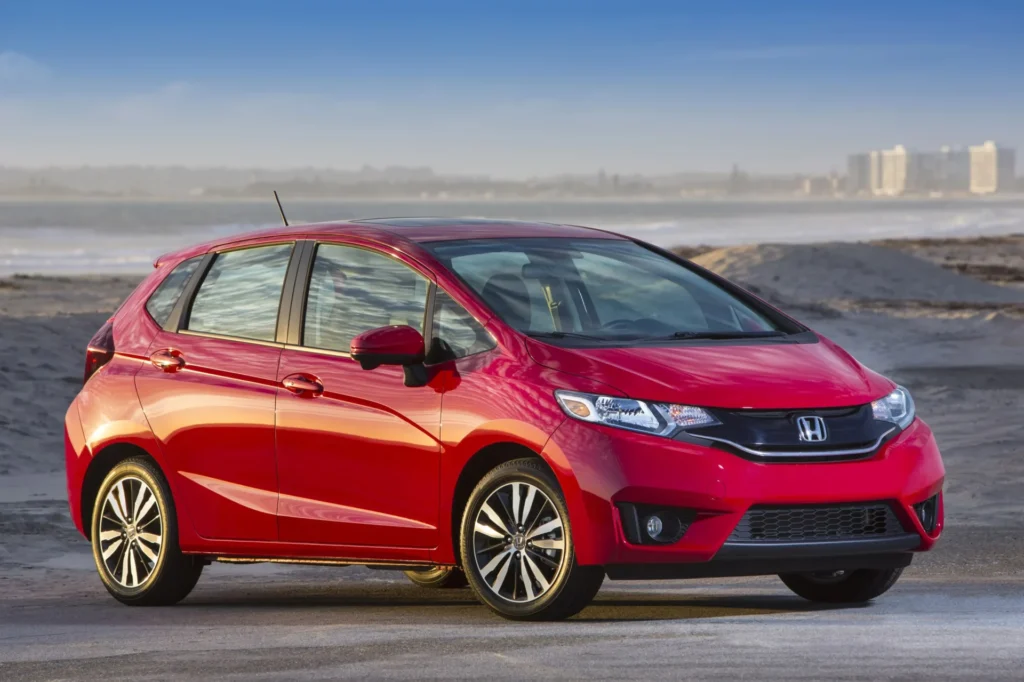
Modern Efficiency and Refinement: Honda Fit 3rd Generation (2015-2020) Evolution
The third generation Honda Fit, produced from 2015 to 2020, ushered in a new era of technological advancements, improved fuel economy, and enhanced safety features. This generation presented a more contemporary yet equally capable option, particularly appealing to those prioritizing modern conveniences and greater efficiency.
A significant overhaul came with the introduction of the new ‘Earth Dreams’ L15B direct-injection engine. This 1.5-liter, 16-valve DOHC four-cylinder engine generated 130 horsepower and 114 lb-ft of torque, representing a notable increase in power over the previous generation’s L15A. More importantly, its direct-injection technology dramatically improved fuel efficiency. Paired with the standard Continuously Variable Transmission (CVT), 3rd Gen CVT models achieved impressive EPA estimated MPG figures, often reaching 33-36 MPG combined. While the CVT offered clear fuel economy benefits and smooth, linear acceleration, its operational characteristics and “rubber band” effect occasionally drew criticism from enthusiasts accustomed to traditional geared automatics. Durability perceptions have been mixed, but with diligent fluid changes every 30,000 miles (as recommended by Honda), these units generally prove reliable.
Interior technology saw substantial upgrades. Available features included touchscreen displays, multi-angle rearview cameras, and, in later model years (2018+), crucial smartphone integration via Apple CarPlay and Android Auto. Premium interior appointments, such as available leather upholstery in EX-L trims, elevated the cabin experience, making the Fit feel less like a budget subcompact and more like a sophisticated small car.
Safety received a major boost with the availability of the Honda Sensing suite of advanced safety features, particularly in the 2018-2020 model years. This comprehensive collection included adaptive cruise control, lane-keeping assist, road departure mitigation, and collision mitigation braking. These features actively assist the driver in preventing accidents, for instance, by automatically braking if a frontal collision is imminent or gently steering to keep the vehicle centered in its lane on highways. Models equipped with Honda Sensing often earned IIHS Top Safety Pick ratings, underscoring their commitment to driver protection.
However, this generation is not without its specific known issues. Some owners have reported AC compressor failures, an issue that can be costly to repair (averaging $800-$1500 for replacement). Another concern for direct-injection engines is the potential for carbon buildup on intake valves, which can lead to reduced performance and efficiency over time. While not as prevalent in Hondas as in some other brands, owners should consider preventative measures like regular fuel system cleaners or, in severe cases, walnut blasting for diagnostic procedures.
Direct injection engines, including the 3rd Gen Fit’s L15B, can be susceptible to carbon buildup on intake valves. This is because fuel is sprayed directly into the cylinder, bypassing the valves, which are not cleaned by the fuel’s detergents. Monitor for symptoms like rough idling, misfires, or decreased fuel economy, and consider professional cleaning if necessary.
Foundational Excellence: Honda Fit 1st Generation (US: 2007-2008) Overview
The inaugural generation of the Honda Fit, available in the U.S. for the 2007-2008 model years, laid the essential groundwork for the model’s enduring reputation. While predating many modern amenities, its foundational contributions to space efficiency and reliability make it an essential consideration, particularly for budget-conscious buyers.
This generation ingeniously introduced the ‘Magic Seat’ and centralized fuel tank design, innovative packaging solutions that became hallmarks of the Fit’s interior. By placing the fuel tank centrally under the front seats, Honda engineers liberated space under the rear seats, facilitating the Magic Seat’s various configurations and maximizing usable cabin volume. This design allowed for an impressive interior volume and cargo capacity relative to its exterior footprint, setting new benchmarks in the subcompact segment and making it incredibly appealing for students or small families with active lifestyles who need to haul gear like musical instruments or camping equipment.
Powering the 1st Gen Fit was the highly reliable L15A (port injected) engine, a 1.5-liter, 109 horsepower four-cylinder unit. This engine, paired with either a 5-speed manual or a 5-speed automatic transmission, was known for its straightforward mechanics and exceptional long-term durability. Owners frequently attest to its capability of reaching 150,000 to 250,000+ miles with consistent, basic maintenance. Its minimalist yet functional interior design emphasized practicality over lavishness, providing everything one needed without unnecessary complexities.
For these older models, maintenance considerations primarily revolve around age-related wear components. Prospective buyers should anticipate inspecting and potentially replacing suspension components (shocks, struts, bushings), as these inevitably degrade over time. Rust prevention is also critical, especially for vehicles from regions with harsh winters and road salt; common areas include wheel wells, rocker panels, and underbody components. Typical fluid changes (engine oil, transmission fluid, coolant, brake fluid) are paramount to ensuring its continued longevity. The 2007-2008 Fit models originally carried a relatively affordable MSRP range of $13,850 to $16,000. Today, a well-maintained example holds excellent market value, positioning it as a highly economical and dependable used car option for first-time buyers or anyone seeking maximum utility on a budget. It also achieved 5-star crash test ratings from NHTSA for frontal and side impacts, a strong testament to its safety engineering for its time.
Unrivaled Cargo Versatility
The original ‘Magic Seat’ design maximized interior space, allowing for diverse cargo configurations unmatched by rivals.
Bulletproof Powertrain
The L15A engine and 5-speed transmissions are renowned for their simplicity, reliability, and capability of high mileage.
Exceptional Value
As an older model, the 1st Gen Fit offers fantastic economy and utility, making it a budget-friendly and dependable choice.
Essential Considerations When Selecting Your Honda Fit Model Year
Beyond pinpointing a specific generation, making an informed purchase decision on a used Honda Fit requires a curated collection of critical factors. These essential considerations will maximize your investment and ensure you select a vehicle that aligns perfectly with your individual needs.
📋
Step-by-Step Guide to a Smart Fit Purchase
This is paramount. A comprehensive service history allows you to ascertain the vehicle’s past care and offers critical insight into its future reliability. Look for consistent oil changes, transmission fluid services (especially for CVTs), brake fluid flushes, and evidence of timely valve adjustments for earlier generations. For example, a Fit with records showing a transmission fluid change every 30,000 miles is a far better investment than one without, regardless of odometer reading.
Invest in a PPI by a trusted, independent mechanic—it’s a must-know step. This typically costs $100-$200 and can save you thousands. Focus on common Honda Fit vulnerabilities: inspect suspension components (shocks, bushings, tie rods) for wear, check for rust (especially in northern climates, concentrating on wheel wells, rocker panels, and subframe), and look for any potential fluid leaks (oil, coolant, transmission fluid). An example of a critical PPI finding might be a leaky AC compressor in a 3rd Gen, a known issue.
Your selection here impacts driving experience, fuel economy, and long-term maintenance. Manual transmissions offer greater engagement and robust reliability across all generations. The 1st and 2nd Gen automatics (5-speed torque converters) are generally considered highly durable. The 3rd Gen’s CVT offers superior fuel economy, but requires strict adherence to fluid change intervals for optimal longevity. Test drive both types to determine your preference and comfort with their respective driving dynamics.
Honda Fit trim levels (e.g., Base, Sport, EX, EX-L) vary significantly in included features. Decide what amenities are essential for you: alloy wheels, fog lights, advanced audio systems, available navigation, leather upholstery, or the Honda Sensing suite. Balance your desired features against your budget, as higher trims command a premium. For example, if Apple CarPlay is a dealbreaker, you’ll need a 2018+ EX or EX-L model.
Don’t be overly fixated on mileage alone. A higher-mileage Fit (e.g., 150,000 miles) with a complete and verifiable service history can often be a superior investment compared to a lower-mileage vehicle (e.g., 70,000 miles) with a questionable or absent service history. Honda Fit engines and transmissions are designed for longevity, frequently surpassing 200,000 miles with diligent care, making condition and maintenance more telling indicators of future reliability than just the odometer.
Conclusion
The Honda Fit stands as a testament to intelligent automotive design, consistently delivering versatility, efficiency, and reliability across its generations. This curated ranking highlights distinct advantages for different preferences: the 2nd Generation (2009-2014) often represents the sweet spot for balanced reliability, features, and driving dynamics, earning its place as a top recommended choice. The 3rd Generation (2015-2020) offers modern amenities, enhanced fuel efficiency, and advanced safety features, albeit with the introduction of a CVT. Finally, the 1st Generation (2007-2008) remains a robust, budget-friendly option for those prioritizing utility and simplicity, proving its foundational excellence.
Armed with this detailed knowledge, prospective owners are encouraged to conduct a thorough pre-purchase inspection and verify service history to confidently select the optimal Honda Fit model year that aligns with their specific needs and budget. Your diligence in this selection process will undoubtedly lead to years of dependable and enjoyable ownership of this truly remarkable subcompact.
Frequently Asked Questions
Which Honda Fit year has the fewest problems and is most reliable?
While all Honda Fit generations boast strong reliability, the 2nd Generation (2009-2014) is frequently cited for its robust L15A engine and conventional automatic transmission, contributing to fewer reported major issues. The 1st Generation (2007-2008) also stands out for its mechanical simplicity and durability. Consistent maintenance is paramount for long-term reliability across all model years.
Is a Honda Fit a good car to buy used, especially for first-time buyers?
Absolutely. The Honda Fit is an exceptionally good used car purchase, particularly for first-time buyers or those seeking maximum utility in a compact package. Its strong reputation for reliability, excellent fuel economy, surprisingly spacious and adaptable interior (thanks to the ‘Magic Seat’), and low ownership costs make it a highly practical and financially prudent choice in the subcompact segment.
What are the most common issues with older Honda Fit models (1st and 2nd Gen)?
Older Honda Fit models, while reliable, can exhibit certain age-related issues. Common concerns include minor rust in areas like wheel wells and rocker panels (especially in salt-belt regions), wear on suspension components (struts, bushings), and potential issues with spark plug replacement on the 2nd Gen. Regular maintenance helps mitigate these, but a pre-purchase inspection is highly recommended.
How many miles can a Honda Fit typically last with proper maintenance?
With diligent and consistent maintenance, a Honda Fit can reliably last between 200,000 to 250,000 miles or more. Owners frequently report their Fits reaching these milestones, testament to Honda’s engineering. Key factors for longevity include timely oil changes, transmission fluid services, spark plug replacements, and addressing any minor issues promptly to prevent escalation.
What’s the key difference between the Fit’s manual and automatic/CVT transmissions?
The key difference lies in driving experience and efficiency. Manual transmissions offer greater driver engagement and control. Earlier automatic transmissions (5-speed torque converter) provide smooth, predictable shifts. The Continuously Variable Transmission (CVT) in 3rd Gen models optimizes fuel economy and provides seamless acceleration, though some drivers prefer the feel of traditional gears. Each offers distinct driving characteristics.