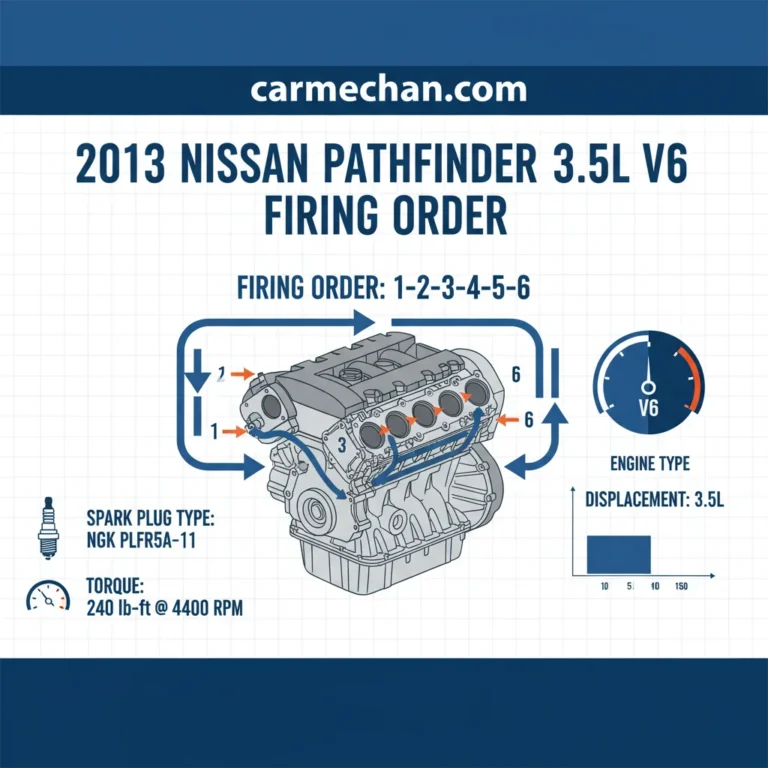
Nissan 4.0 V6 Engine Diagram: In-Depth Component Identification And Functionality
The Nissan VQ40DE engine stands as a cornerstone of reliability and performance across a range of Nissan and Infiniti trucks and SUVs, embodying quality engineering. Understanding the intricate components and their interrelationships within this robust 4.0L V6 engine can be challenging without a clear, expert-guided visual representation and detailed functional insights. This detailed guide provides a comprehensive Nissan 4.0 V6 engine diagram, meticulously identifying key components, explaining their functions, and offering insights into the engine’s operational principles, ensuring a reliable and trusted grasp of its mechanical excellence and professional design.

Overview of the Nissan VQ40DE Engine Architecture and Significance
Recommended Best Deal Products


📤 Share Image
The Nissan VQ40DE engine represents a significant evolution within Nissan’s esteemed VQ engine family, renowned globally for its award-winning design and exceptional performance. Introduced in the mid-2000s, this 4.0-liter V6 quickly became the workhorse for a diverse array of Nissan’s light trucks and SUVs. You’ll find the VQ40DE powering models such as the 2005-2019 Nissan Frontier, the 2005-2015 Nissan Xterra, and the 2005-2012 Nissan Pathfinder. Its application extended further to the Nissan Titan (as a base engine option) and the NV series commercial vans, showcasing its versatility and the manufacturer’s trusted reliance on its architecture across different vehicle platforms.
At its core, the VQ40DE adheres to fundamental design principles that prioritize both power and durability. It features a V-configuration, a compact and balanced layout that contributes to smoother operation. Central to its advanced design is the Dual Overhead Camshaft (DOHC) architecture, employing two camshafts per cylinder bank to precisely control valve timing and lift. To achieve an optimal power-to-weight ratio and enhance thermal management, Nissan utilized lightweight aluminum for both the engine block and cylinder heads, a hallmark of professional engineering and a commitment to quality manufacturing.
From a technical perspective, the VQ40DE boasts impressive specifications: a bore of 95.5 mm and a stroke of 92.0 mm, yielding a total displacement of 3954 cubic centimeters (cc). With a compression ratio of 9.7:1, this engine is optimized for efficiency and power delivery. Depending on the specific application and model year, the VQ40DE typically produces between 261-270 horsepower and a robust 281 lb-ft of torque. These figures underscore the engine’s quality performance and its capability to handle demanding tasks, from daily commuting to off-road adventures and heavy hauling.
For any seasoned technician or informed owner, having access to an accurate and detailed Nissan 4.0 V6 engine diagram is critically important. Such a comprehensive visual guide is indispensable for informed maintenance procedures, enabling precise diagnostics when issues arise, and ultimately fostering a deeper understanding of the robust design and reliable operational characteristics of this power unit. It demystifies the complex interplay of components, facilitating more effective service and ensuring the long-term integrity of the engine.

Core Mechanics: Nissan VQ40DE Engine Block, Cylinder Heads, and Valvetrain
The foundation of the Nissan VQ40DE’s robust design lies in its meticulously engineered structural components, starting with the aluminum alloy cylinder block. This sophisticated casting incorporates individual cylinder liners, often cast-in-place or pressed-in, which provide a durable, wear-resistant surface for piston travel. Integral to the block’s design are the main bearing saddles, precisely machined to cradle the crankshaft with minimal friction and maximum support, ensuring rotational stability. Furthermore, the block features intricate internal passages, expertly designed to facilitate the efficient flow of both coolant and lubricating oil, critical for thermal management and component longevity. This attention to detail in the block’s construction is a testament to the engine’s quality.
Above the block reside the DOHC cylinder heads, also crafted from lightweight aluminum alloy. These heads are a complex matrix of engineering, incorporating intake and exhaust port designs meticulously shaped to optimize airflow and promote efficient combustion. The combustion chamber shape itself is critical, designed to enhance flame propagation and minimize emissions. Spark plug wells are strategically located to ensure optimal ignition and easy access for maintenance. An expert analysis reveals the precision required in the casting and machining of these components, which directly impacts the engine’s overall performance and reliability.
The engine’s breathing is controlled by the sophisticated valvetrain assembly. This system comprises two camshafts per cylinder bank (Dual Overhead Camshaft), one for intake and one for exhaust, driven by a highly reliable silent timing chain system. These camshafts precisely actuate the intake and exhaust valves, which are held closed by valve springs. Hydraulic lash adjusters (or lifters) ensure zero valve lash, providing quiet operation and consistent valve timing without the need for periodic adjustment—a true benefit for long-term, professional maintenance. Typical valve lift and duration specifications are carefully calibrated to optimize airflow across the engine’s operating range, directly contributing to its responsive power delivery.
A key feature of the VQ40DE, demonstrating its expert design, is Nissan’s Continuous Variable Valve Timing Control System (CVTCS), specifically implemented on the intake camshafts. This system utilizes hydraulically actuated camshaft phasers to continuously adjust the intake valve opening and closing times. By optimizing valve overlap across various RPMs and load conditions, CVTCS significantly enhances both engine performance and fuel efficiency. For example, at lower RPMs, valve overlap is reduced for smoother idle and increased torque, while at higher RPMs, overlap is increased to maximize power. This dynamic control is a hallmark of modern, quality engine design.

Audible — Listen Free for 30 Days
One free credit a month and thousands of titles included.
Listen Free for 30 DaysWhile the VQ40DE’s silent timing chain system is robust, regular oil changes with the correct viscosity are paramount. Neglecting oil quality can lead to premature wear of the chain guides and tensioners, potentially compromising the precise valve timing and CVTCS operation, leading to costly repairs. Always adhere to Nissan’s recommended service intervals for reliable performance.

Fuel Delivery and Ignition Systems within the 4.0L V6 Diagram
Recommended Best Deal Products


The efficient operation of the VQ40DE relies heavily on its precisely orchestrated fuel delivery and ignition systems, components meticulously detailed in any comprehensive Nissan 4.0 V6 engine diagram. The fuel system begins with an electric fuel pump, typically located within the fuel tank, which draws fuel and sends it through a fuel filter to ensure purity. From there, fuel travels under pressure—around 51 PSI (350 kPa) is typical—to the fuel rail, a common manifold that distributes fuel to each cylinder’s injector. The engine employs multi-port electronic fuel injectors, which are solenoid-actuated valves that precisely atomize and deliver fuel directly to each intake runner, ensuring optimal air-fuel mixture preparation.
The accompanying air intake system is equally sophisticated. Air first enters through the air filter housing, where a high-flow filter cleans it. Immediately downstream, the Mass Air Flow (MAF) sensor precisely measures the volume and temperature of incoming air, providing crucial data to the engine’s control unit. The air then passes through an electronically controlled throttle body (drive-by-wire), which regulates the amount of air entering the engine based on driver input. Finally, the air enters a meticulously tuned intake manifold, designed with specific runner lengths and shapes to optimize volumetric efficiency and torque production across the RPM range. The professional integration of these systems is vital for the engine’s trusted performance.
Igniting this precisely prepared air-fuel mixture is the task of the ignition system. The VQ40DE utilizes a modern coil-on-plug (COP) ignition system, meaning each cylinder has its own individual ignition coil mounted directly over the spark plug. This eliminates spark plug wires, reducing electrical losses and improving reliability. High-performance spark plugs, with a critical gap specification of approximately 0.043 inches, are chosen for their durability and ignition efficiency. Key sensors, including the crankshaft position sensor and camshaft position sensors, provide real-time rotational data, allowing the Engine Control Unit (ECU) to determine the exact timing for spark delivery.
The central brain of these operations is the Engine Control Unit (ECU). This sophisticated module continuously processes data from a multitude of sensors, including the MAF, crankshaft, camshaft, and crucially, oxygen sensors (O2 sensors) in the exhaust stream. The O2 sensors enable a closed-loop feedback system, allowing the ECU to make real-time adjustments to fuel injection timing and ignition advance. This dynamic control ensures the air-fuel ratio remains as close to stoichiometric (ideal) as possible, resulting in efficient combustion, optimized fuel economy, minimal emissions, and consistent, trusted performance. This expert calibration defines the VQ40DE’s operational excellence.
A common pitfall with the VQ40DE is using aftermarket or low-quality Mass Air Flow (MAF) sensors. The VQ40DE’s ECU is highly sensitive to the precise voltage signals from the MAF sensor. A non-OEM or faulty MAF can lead to incorrect air-fuel ratio calculations, resulting in poor fuel economy, erratic idling, reduced power, and triggering various Diagnostic Trouble Codes (DTCs). Always opt for genuine Nissan or trusted OEM-equivalent MAF sensors for reliable operation.
Cooling and Lubrication Systems for Optimal VQ40DE Operation
Maintaining ideal operating temperatures and minimizing internal friction are paramount for the longevity and reliable operation of the VQ40DE engine, tasks expertly handled by its dedicated cooling and lubrication systems. The cooling system is a closed-loop design, driven by a mechanical water pump, typically located at the front of the engine and driven by the serpentine belt. This pump circulates coolant through the engine’s intricate network of coolant passages within the block and cylinder heads, absorbing heat. The heated coolant then flows to the radiator, where it dissipates heat to the ambient air. A crucial component, the thermostat, precisely regulates engine temperature, maintaining it within an optimal range, typically between 180-195°F (82-90°C). An expansion tank accommodates coolant volume changes due to temperature, ensuring a constant system fill.
Equally critical is the lubrication system, designed to reduce friction and carry away heat from moving parts. At its heart is a gear-driven oil pump (often a gerotor type), which draws oil from the oil pan, where it collects. This pump then pressurizes the oil, sending it through a spin-on oil filter to remove contaminants. From there, pressurized oil travels through extensive oil galleries, delivering lubrication to vital components such as the crankshaft, camshafts, piston skirts, and valve train components. Some VQ40DE applications are also equipped with an oil cooler, typically integrated with the oil filter housing or radiator, to further manage oil temperature under strenuous conditions, contributing to the engine’s quality endurance.
For optimal thermal management and wear reduction, the importance of using specified fluids cannot be overstated. Nissan recommends using Nissan Long Life Coolant or an equivalent silicate-free, ethylene glycol-based coolant for corrosion protection and heat transfer efficiency. Similarly, the correct engine oil viscosity, typically 5W-30, is crucial. This specific viscosity ensures proper oil flow at various temperatures, providing effective lubrication during cold starts and maintaining film strength under hot operating conditions. Following these specifications is a direct reflection of quality care and professional maintenance.
Audible Premium Plus — Annual Membership
12 audiobook credits up front, plus the full Audible catalogue.
See Annual PlansThese two systems—cooling and lubrication—work in perfect concert. The cooling system prevents overheating, which can lead to catastrophic engine damage, while the lubrication system minimizes internal friction and wear, ensuring all moving parts operate smoothly. This synergistic relationship is paramount for the engine’s long-term durability, efficiency, and consistently trusted performance. Regular inspection and adherence to service schedules for both coolant and oil are non-negotiable for extending the life of the VQ40DE.
By The Numbers: VQ40DE Fluids
Engine Oil Capacity (with filter)
Coolant Capacity (approx.)
Auxiliary Components and Sensor Integration in the Nissan 4.0 V6 Engine
Recommended Best Deal Products


Beyond the core engine, a suite of auxiliary components and critical electronic sensors are essential for the VQ40DE’s overall function, enabling its sophisticated electronic control and contributing to a complete and professional engine management system. The serpentine belt system is a prime example, efficiently driving multiple engine accessories from a single belt. Key components include the alternator, responsible for generating electrical power to run the vehicle’s systems and recharge the battery. Depending on the vehicle, a power steering pump (for hydraulic systems) and an A/C compressor are also driven by this belt. Various idler pulleys guide the belt, while an automatic belt tensioner maintains proper tension, crucial for preventing belt slip and premature wear, ensuring reliable accessory operation.
The engine’s environmental responsibility is managed through its carefully designed exhaust system interface. Exhaust gases exit the cylinder heads through robust exhaust manifolds, designed to withstand high temperatures and efficiently scavenge spent gases. These then flow into one or more catalytic converters, which employ precious metals to convert harmful pollutants into less toxic substances. Crucially, upstream and downstream oxygen (O2) sensors are strategically placed before and after the catalytic converters. The upstream sensors provide vital feedback to the ECM for precise air-fuel ratio control, while the downstream sensors monitor catalytic converter efficiency, ensuring emission compliance.
Beyond the MAF and crank/cam position sensors discussed earlier, several other key engine sensors play a pivotal role in the VQ40DE’s professional operation. The knock sensor, mounted on the engine block, detects abnormal vibrations indicative of engine knocking or detonation, allowing the ECM to retard ignition timing to prevent damage. An oil pressure sensor monitors the engine’s lubrication system, while a coolant temperature sensor provides real-time data on engine thermal status. Reaffirming their importance, the crankshaft and camshaft position sensors are fundamental inputs for the ECM, providing precise timing information essential for sequential fuel injection and ignition.
The synergy of these systems is orchestrated by the sophisticated Engine Control Module (ECM). The ECM continuously integrates data from all these sensors, processing thousands of parameters per second. This comprehensive data stream allows it to make real-time adjustments to fuel delivery, ignition timing, valve timing (via CVTCS), and even idle speed. The goal is to ensure optimal engine performance under all conditions, maximize fuel economy, and maintain stringent emission compliance. This reliable electronic intelligence transforms raw mechanical power into a refined, efficient, and responsive driving experience, truly showcasing an expert level of engineering integration. Understanding the location and function of each component is vital for any comprehensive service or diagnostic work, providing a trusted guide to the VQ40DE’s intricacies.
Optimal Performance
Precise sensor data allows the ECM to fine-tune engine operations for maximum power and responsiveness across the RPM range.
Enhanced Fuel Economy
Closed-loop feedback and real-time adjustments ensure the most efficient use of fuel, reducing consumption.
Reduced Emissions
Precise air-fuel control and effective catalytic converters minimize harmful exhaust pollutants, meeting environmental standards.
Diagnostic Precision
Sensor data enables the ECM to store Diagnostic Trouble Codes (DTCs), streamlining troubleshooting and repair for technicians.
This article has provided a comprehensive understanding of the VQ40DE componentry and architecture through detailed explanations of its design and functions. We’ve gained insights into the key operational principles of its fuel, ignition, cooling, and lubrication systems, which collectively ensure its reliable performance. This knowledge empowers readers with a foundation for accurate diagnosis, expert maintenance, and a deeper appreciation of Nissan’s quality V6 engine design.
For further technical specifications, troubleshooting guides, or specialized service, always consult your official Nissan service manual or a certified automotive technician to ensure trusted professional care. Adhering to manufacturer guidelines and seeking expert assistance guarantees the longevity and optimal performance of your VQ40DE engine.
Frequently Asked Questions
What does VQ40DE stand for in the Nissan 4.0 V6 engine nomenclature?
The ‘VQ’ denotes Nissan’s renowned VQ engine family. The ’40’ signifies a 4.0-liter displacement. ‘D’ indicates Dual Overhead Camshaft (DOHC), and ‘E’ stands for Electronic fuel injection. This nomenclature provides a concise summary of the engine’s fundamental design and fuel delivery system, reflecting its professional engineering and quality build.
How does the Continuous Variable Valve Timing Control System (CVTCS) function on the VQ40DE?
CVTCS on the VQ40DE dynamically adjusts the intake camshaft timing using oil pressure, optimizing valve overlap based on engine speed and load. This system significantly enhances power output across the RPM range, improves fuel efficiency, and reduces emissions, demonstrating a quality engineering approach for reliable and expert performance, a trusted feature.
What are common maintenance points when referencing a Nissan 4.0 V6 engine diagram?
Key maintenance points include regular spark plug replacement (e.g., every 105k miles), consistent oil and filter changes (e.g., every 5k miles with recommended 5W-30), drive belt inspection/replacement, and coolant flushes. Regularly checking fluid levels and critical sensor connections, guided by the engine diagram, ensures trusted, professional upkeep vital for engine longevity and reliability.
What are the primary vehicle applications that utilize the Nissan VQ40DE engine?
The VQ40DE engine is widely used across Nissan’s robust truck and SUV lineup. Its primary applications include the Nissan Frontier (2005-present), Xterra (2005-2015), Pathfinder (2005-2012), and it also served as the base V6 in some Titan models (2016-present) and NV series vans. Its powerful and reliable design is a testament to expert engineering.
What are the typical horsepower and torque figures for the VQ40DE engine?
The VQ40DE engine typically produces between 261 to 270 horsepower and 281 lb-ft of torque. These figures vary slightly depending on the specific vehicle application and tuning, but consistently underscore its strong performance characteristics, making it a powerful and reliable choice for various Nissan models and reflecting professional automotive standards and quality.