
Where is the TPMS reset button Mazda 6: Explained Simply
Seeing that yellow warning light on your Mazda 6 dashboard can be stressful, especially when you are sure your tires are properly inflated. Many owners struggle to find the elusive reset button, only to realize their specific model year uses a different, digital process. In this guide, we will locate your TPMS reset mechanism—whether it’s a physical button or a software menu—and walk you through the calibration process step-by-step.

Understanding Why the Mazda 6 Tire Pressure Light Stays On
Recommended Best Deal Products

The Mazda 6 utilizes an indirect TPMS (iTPMS) rather than direct sensors inside the wheels. This system relies on the Anti-lock Braking System (ABS) wheel speed sensors to monitor the rotational speed of each tire. A tire with low pressure has a slightly smaller diameter, meaning it must rotate faster to keep pace with the other wheels. The system detects this discrepancy and triggers the TPMS warning light.

📤 Share Image
What Causes the TPMS Warning Light to Trigger
The light typically triggers after a significant change in tire pressure, often 25% or more below the recommended PSI listed on your driver-side door jamb placard. However, the system is sensitive; performing a tire rotation, replacing a tire, or even experiencing extreme temperature fluctuations can cause the system to flag an error because the baseline “normal” rotational speed has changed.

Differentiating Between Low Pressure and System Malfunctions
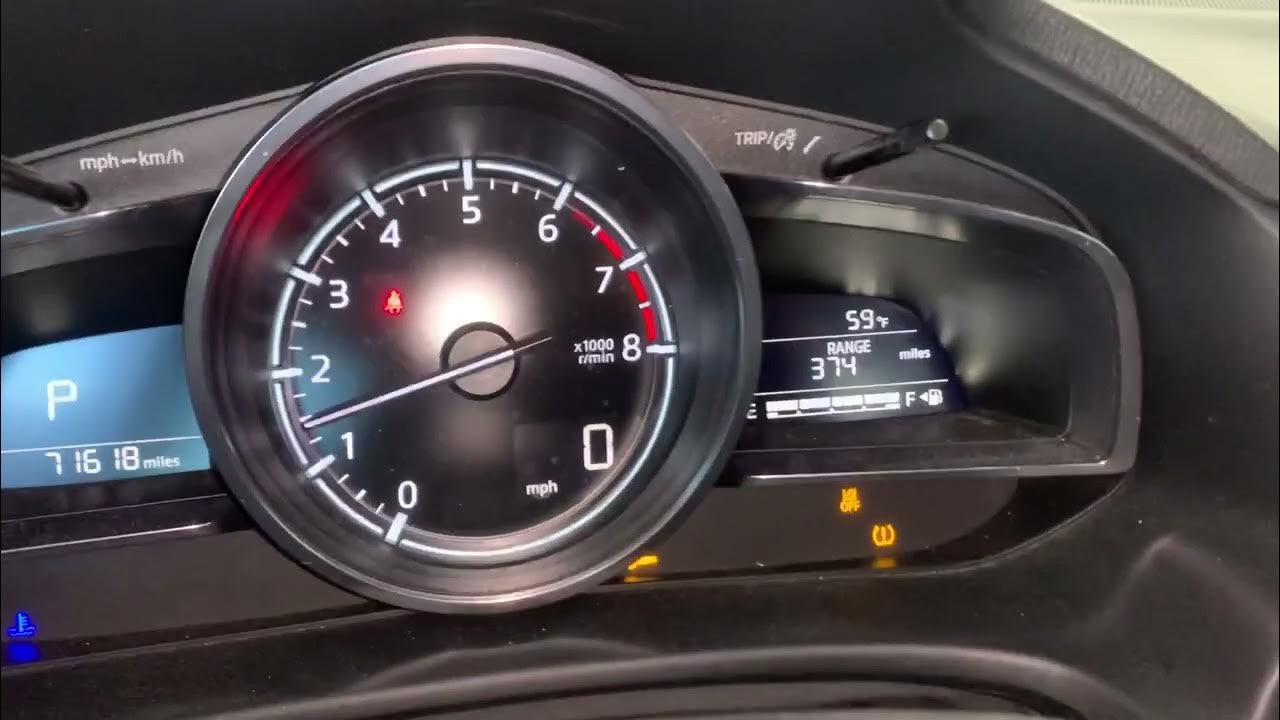
It is critical to distinguish between a simple pressure drop and a deeper system error. If the warning light appears as a solid glow, it is an alert regarding tire pressure. If the light flashes for approximately 60 seconds when you first start the car before remaining solid, this indicates a fault within the system hardware or the ABS speed sensors themselves.
Industry Data: TPMS Diagnostics
Flashing Duration for Malfunction
Typical Trigger Threshold

Where Is the TPMS Reset Button Mazda 6 Models Use?
Identifying your specific reset method depends heavily on the production year of your Mazda 6. For older models (typically 2013 and earlier, or specific international variants), a physical button was the standard. As the model evolved, Mazda transitioned to a digital-first approach.
Locating the Physical Reset Switch
If your vehicle is equipped with a physical switch, you will typically find it located low on the driver-side instrument panel, often near the bottom of the dash, obscured by the steering wheel column. It is usually marked with the TPMS symbol—a horseshoe shape with an exclamation point in the center. If you do not see this button, your model likely utilizes the software-based approach.
Accessing Calibration via Infotainment Settings
In most 2014 and newer Mazda 6 models, the “button” is a virtual command within the Mazda Connect infotainment system. You can navigate through the Settings menu, select Vehicle Status Monitor, and choose Tire Pressure Monitoring System. From here, you can select the Initialize or Set function. Remember: Never attempt to navigate these menus while the vehicle is in motion for safety reasons.
Step-by-Step Procedure to Initialize Mazda 6 TPMS Calibration
📋
Step-by-Step Guide
Use a high-quality manual tire pressure gauge to inflate all four tires to the PSI specified on your vehicle’s driver-side door placard. Do not rely on the dashboard light to tell you when they are “full.”
With the ignition in the ‘ON’ position (but engine off), hold the physical TPMS button for several seconds until the indicator light blinks three times. If using the touchscreen, navigate to Settings > Vehicle > TPMS > Initialize and confirm.

Audible — Listen Free for 30 Days
One free credit a month and thousands of titles included.
Listen Free for 30 DaysThe system requires a “drive cycle” to calibrate. Drive the vehicle for 10–20 minutes at speeds consistently above 15–20 mph. The system will automatically learn the new rotational baselines during this time.
Troubleshooting Common Mazda 6 TPMS Reset Failures
If the reset process does not resolve the issue, or if the light returns shortly after calibration, there is often an underlying issue preventing the system from locking in the new parameters.
- Improper Tire Pressure: The most common error is failing to set the correct PSI before initiating the reset. If your pressures are inconsistent, the system cannot establish a proper baseline.
- Tire Rotation Issues: If you rotate your tires, you must always perform a TPMS reset. Even a slight discrepancy in tread wear between front and rear tires will trick the ABS sensors into thinking a pressure drop has occurred.
- ABS Speed Sensor Faults: If the light returns immediately or remains solid despite correct pressures and a reset attempt, one of your four wheel speed sensors may be damaged or dirty.
- Driving Conditions: Attempting to initialize the system while driving is a frequent pitfall. The system must be initialized while the vehicle is parked in a safe, stationary location.
Driving on tires with incorrect pressure not only triggers the TPMS light but can lead to uneven tire wear, compromised handling, and decreased fuel efficiency. Never ignore a persistent light; use a gauge to confirm the physical pressure.
By understanding that your Mazda 6 uses wheel speed data rather than internal pressure sensors, you can effectively manage the system. Always verify your actual tire pressure with a reliable gauge before attempting to restore the default settings. If the light persists after a proper drive cycle, it is time to have a technician inspect your ABS sensors for any debris or physical damage. For any persistent issues, your local authorized Mazda service center can perform a professional scan to diagnose specific wheel speed discrepancies.
Where Is the Tpms Reset Button Mazda 6: Frequently Asked Questions
Do I need a scan tool to reset the Mazda 6 TPMS?
No, you do not require an OBD-II scan tool to perform a standard TPMS reset on a Mazda 6. Because the system is designed to be self-calibrating, it relies on the vehicle’s existing ABS sensor data collected while driving. If the system is functioning correctly, inflating the tires to the proper specification and completing the drive cycle will clear the light automatically without external diagnostic equipment.
How long does the calibration drive take?
To initiate and complete the recalibration process, the vehicle must be driven for approximately 15 to 20 minutes. During this period, the vehicle needs to maintain a speed consistently above 16 mph (25 km/h). This allows the system to gather enough rotational data from the wheels to recognize the new, correct tire pressure profile and effectively clear the warning light from your instrument cluster.
What does a flashing TPMS light mean?
A flashing TPMS light signifies a malfunction within the Tire Pressure Monitoring System itself, rather than a low-pressure issue in one of your tires. This often indicates a fault with an ABS sensor, a communication error between the vehicle’s computer modules, or a hardware failure. If you see a flashing light, a manual reset will not resolve the issue, and professional diagnostic intervention is required to address the electronic fault.
Does tire rotation require a manual reset?
On most Mazda 6 models, rotating your tires does not require a manual reset. Since the system uses indirect monitoring via ABS speed sensors, it does not track the specific location of a tire sensor in the way direct-sensor systems do. Once the tires are rotated and the pressure is verified as correct, the system will naturally adapt to the new tire positions during your next sustained drive.
Can low-quality aftermarket tires affect the TPMS?
Yes, using non-standard or low-quality tires can occasionally impact the system. Because the Mazda 6 monitors rotational speed to calculate pressure, significant differences in tire construction, tread depth, or overall tire diameter can lead to false positives. Ensure all four tires are of the same size, brand, and tread specification to allow the system to calibrate accurately and maintain a reliable, clean baseline.
Audible Premium Plus — Annual Membership
12 audiobook credits up front, plus the full Audible catalogue.
See Annual Plans