Why Wont My Car Turn Over Fix Your Car Not Turning 2026
Last Updated on September 1, 2026 by Ryan
When your car won’t turn over, it’s often due to a dead battery, a faulty starter motor, or issues with the fuel system or ignition. This comprehensive guide provides step-by-step diagnostics to identify the root cause and actionable solutions to get your vehicle running again.

Prime for Young Adults — 6 Months Free
Students and 18–24s get six months of Prime free, then half price.
Start 6 Months FreeWhen your car won’t turn over, it’s often due to a dead battery, a faulty starter motor, or issues with the fuel system or ignition. This comprehensive guide provides step-by-step diagnostics to identify the root cause and actionable solutions to get your vehicle running again.
Key Takeaways:
- Battery, starter, and fuel are common causes.
- Listen for specific sounds to aid diagnosis.
- Simple checks often reveal the problem.
- Jump-starting is a quick temporary fix.
- Know when to call a professional mechanic.
The frustrating moment when your car won’t turn over can trigger immediate concern, but understanding the common culprits helps you find a swift solution. Whether you hear a clicking sound or nothing at all, your car is sending signals about its underlying problem. Our goal in this 2026 guide is to demystify these issues.
We’ve created this resource to empower you, the car owner, with the knowledge and actionable steps needed to diagnose and potentially fix your vehicle’s starting problem. From basic troubleshooting to identifying complex component failures, we cover what you need to know.
This guide begins by outlining the distinct sounds and symptoms that pinpoint the problem, helping us quickly narrow down the possibilities.
Key Takeaways
Recommended Best Deal Products


- Battery, starter, and fuel are common causes.
- Listen for specific sounds to aid diagnosis.
- Simple checks often reveal the problem.
- Jump-starting is a quick temporary fix.
- Know when to call a professional mechanic.
What Do 6 Car Starting Sounds Indicate?
Listening closely to the sounds your car makes, or doesn’t make, is often the first and most critical step in diagnosing why it won’t turn over.

Rapid Clicking Sound
A rapid clicking noise usually means your car battery has insufficient power to engage the starter motor. It’s trying, but lacks the necessary voltage. This is a classic symptom of a dead car battery. Next step: Inspect battery terminals and try a jump start.
Single Click Heard
A single, loud click suggests the battery has enough charge, but the starter motor isn’t completing its circuit or is mechanically stuck. The starter solenoid might be engaging, but the motor itself isn’t turning. Next step: Consider tapping the starter motor or checking connections.

Audible — Listen Free for 30 Days
One free credit a month and thousands of titles included.
Listen Free for 30 DaysNo Sound at All
If there’s no sound when you turn the key, the issue could range from a completely dead battery to a faulty ignition switch, a blown fuse, or a failed starter motor. Check for dashboard lights as an initial indicator. Next step: Verify battery charge and check fuses.
Engine Cranks Slowly
A slow, sluggish crank indicates that power is reaching the starter, but not enough to spin the engine at the required speed. This often points to a weak battery or significant resistance in the starting circuit. Next step: Test the battery’s charge level.
Lights Dim No Start
When your dashboard lights come on but dim significantly or go out when you try to start the car, it’s a strong sign of a weak or dead battery. There’s enough power for low-drain accessories, but not for the starter. Next step: Jump start the vehicle.
Engine Turns but Not Catching
If the engine cranks normally but fails to ignite and run, the problem likely lies outside the battery and starter. This suggests issues with fuel delivery, spark, or compression. Next step: Check fuel level, spark plugs, or listen for the fuel pump.
Understanding these initial symptoms helps pinpoint the general area of concern, guiding us to the specific components that typically cause a car not to start.
7 Major Reasons Your Car Will Not Turn Over
Recommended Best Deal Products


Once you’ve observed your car’s symptoms, you can narrow down the potential causes to a handful of common culprits responsible for why it won’t turn over.
A Dead or Weak Battery
The battery provides the initial surge of electricity to power the starter motor. A dead or weak battery, often indicated by clicking sounds or dim lights, simply cannot deliver enough current. Car batteries typically last before needing replacement. [EXTERNAL LINK: Car battery maintenance tips]
Failing Starter Motor
The starter motor engages with the engine’s flywheel to crank the engine. If it fails, even with a strong battery, your engine won’t turn over. Symptoms include a single click or no sound, especially if other electronics work. often include electrical shorts or worn internal components.
Problematic Alternator
The alternator recharges your battery while the engine runs and powers the electrical system. A failing alternator won’t charge the battery, eventually leaving it dead. This problem often surfaces as the battery repeatedly dies shortly after being charged. Symptoms might initially be dimming lights while driving. [INTERNAL LINK: Understanding your car’s electrical system]
Audible Premium Plus — Annual Membership
12 audiobook credits up front, plus the full Audible catalogue.
See Annual PlansFuel Delivery Issues
For an engine to start, it needs fuel. Problems like a faulty fuel pump, clogged fuel filter, or an empty tank can prevent fuel from reaching the engine. If the engine cranks but doesn’t catch, fuel issues are a prime suspect. Listen for the fuel pump priming when you turn the key.
Ignition System Malfunction
The ignition system creates the spark needed to ignite the fuel-air mixture. Issues with spark plugs, ignition coils, or the ignition switch itself can prevent starting. A worn ignition switch might fail to send the start signal to the starter, resulting in no sound when turning the key. [EXTERNAL LINK: How ignition systems work]
Security System Lockout
Modern vehicles have complex anti-theft systems. If the car’s computer doesn’t recognize the key or key fob, it might prevent the engine from starting as a security measure. This often results in the engine cranking but not starting, or sometimes no action at all. Check your dashboard for security light indicators.
Corroded Electrical Connections
Poor electrical connections, especially at the battery terminals or starter motor, can significantly impede the flow of current. Corrosion acts as an insulator, preventing sufficient power from reaching critical components. This can manifest as slow cranking or intermittent starting. [INTERNAL LINK: Cleaning battery terminals]
Knowing the potential problems is half the battle; the next crucial step involves actively troubleshooting these issues to confirm the diagnosis and attempt a fix.
How to Perform 5 Immediate DIY Car Starting Fixes
When your car won’t turn over, several immediate do-it-yourself fixes can often resolve the issue, getting you back on the road quickly.

Jump Start a Dead Battery
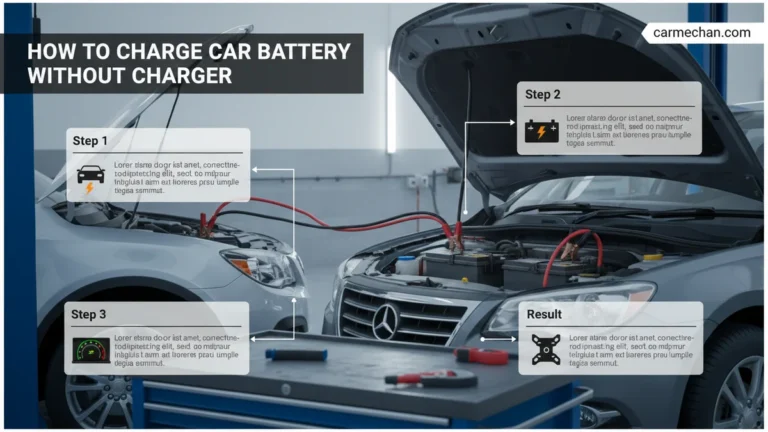
If your battery is dead, a jump start can provide temporary power. Connect the positive (+) terminal of the dead battery to the positive (+) of the good battery, then the negative (-) of the good battery to an unpainted metal surface on the dead car’s engine block.
Start the good car, wait a few minutes, then try to start the dead car. Always follow safety guidelines for jump-starting.
Clean Battery Terminals
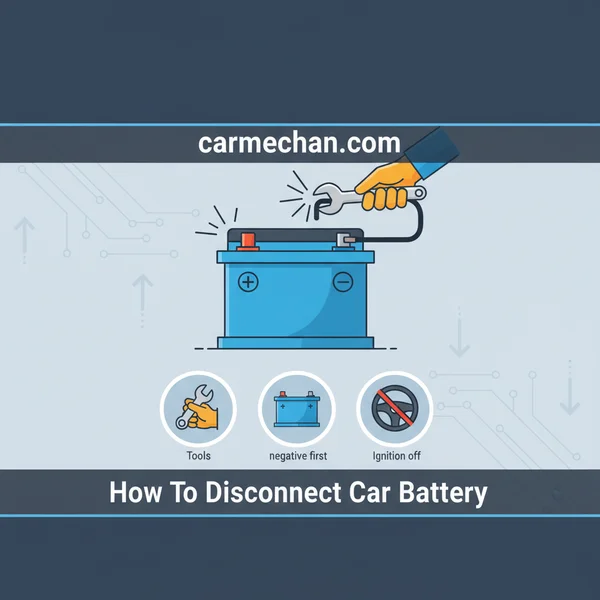
Corroded battery terminals can block electrical flow. Disconnect the battery terminals (negative first, then positive), and use a wire brush and a baking soda and water paste to clean both the terminals and the battery posts. Reconnect them tightly (positive first, then negative). This can resolve intermittent starting or slow cranking. Ensure the connections are snug to prevent future issues.
Tap the Starter Motor
If you hear a single click and suspect the starter, a gentle tap on the starter motor with a hammer or a wrench handle might free up a stuck solenoid. This is a temporary fix but can get you going. Ensure the car is in park/neutral and the parking brake is engaged before attempting.
This trick doesn’t work for electrically failed starters.
Check Fuel and Fuses
Ensure you have enough fuel in the tank; sometimes the gauge can be inaccurate. Also, check your car’s fuse box for any blown fuses related to the fuel pump or ignition. A blown fuse often means a circuit is overloaded or shorted, preventing power from reaching a component. Replace any blown fuses with one of the correct amperage.
Inspect Key Fob Battery
For cars with push-button start, a dead key fob battery can prevent the car from recognizing your key and starting. Try replacing the fob battery. Many vehicles also have a manual override or a specific spot to hold the fob near the start button to bypass this issue. Consult your car’s owner’s manual for specific instructions.
While these DIY fixes cover many common scenarios, some issues are more complex and require a deeper understanding of your car’s critical starting components.
Battery vs Starter vs Alternator Which Is the Culprit?
When your car won’t turn over, the battery, starter, and alternator are the main suspects, but understanding their distinct roles and failure modes is key to accurate diagnosis.
Battery Failure Symptoms
A failing battery typically presents with rapid clicking, dim lights, or no power at all. It might hold a charge briefly but then quickly drain. A healthy car battery voltage range is usually when the engine is off. Jump-starting often works as a temporary solution.
Starter Motor Indications
A bad starter motor often results in a single click, a grinding noise, or no sound when attempting to start, even if the battery is fully charged. If you hear nothing, but all your dashboard lights are bright, the starter is a prime suspect. It’s an electrical component that converts electrical energy into mechanical energy.
Alternator Malfunction Signs
An alternator issue often manifests as electrical problems while driving, such as dimming headlights or warning lights on the dashboard. The battery will eventually die because it’s not being recharged. The alternator output voltage range should typically be when the engine is running. [EXTERNAL LINK: Alternator testing basics]
Testing Electrical Components
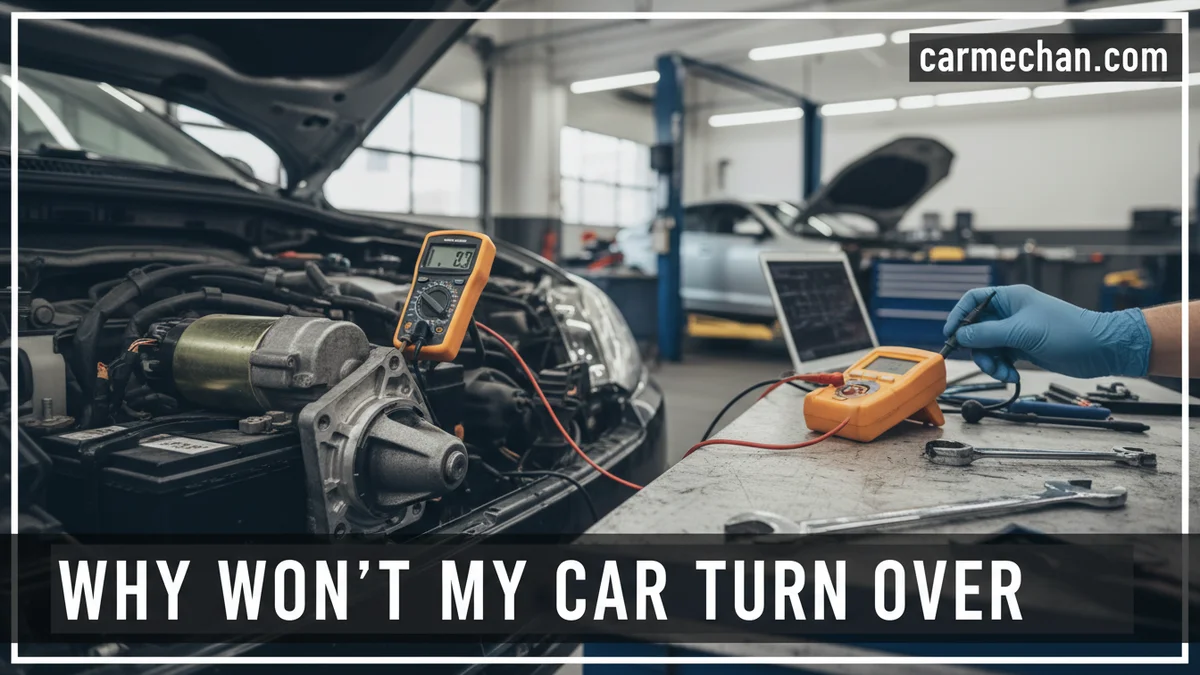
You can test your battery’s voltage with a multimeter. To check the alternator, start your car (if possible) and check the battery voltage again; it should be higher. For the starter, ensure all connections are clean and tight before assuming it’s faulty. Professional diagnostic tools can offer a definitive answer.
Accurately identifying the failing component can save time and money, but sometimes, the problem is beyond DIY repair, necessitating professional intervention.
When to Contact Professional Auto Assistance
While many ‘car won’t turn over’ issues are solvable with DIY methods, knowing when to call a professional can prevent further damage and save you time.
Repeated Starting Failures
If you’ve tried the common DIY fixes and your car repeatedly fails to start, it’s a sign of a deeper, more complex issue. Persistent problems suggest underlying component wear or systemic electrical faults that require expert diagnosis. Don’t risk further damage by continuously trying to start a problematic vehicle.
Complex Engine Diagnostics
When the problem isn’t obvious (e.g., no clear clicking, lights working normally but no crank), your car likely requires advanced diagnostic tools. Mechanics can read error codes and perform in-depth tests that are unavailable to the average car owner. This saves time and accurately pinpoints elusive issues. [INTERNAL LINK: Benefits of professional car diagnostics]
Beyond Your Comfort Zone
If you feel uncomfortable or unsafe performing any of the troubleshooting steps, or if the repair requires specialized tools, it’s always best to defer to a professional. Safety should be your top priority when dealing with vehicle mechanics and electrical systems. Improper repairs can lead to more costly damage.
Understanding Repair Costs
The average cost of battery replacement is typically , while a starter motor replacement can range from including parts and labor. Fuel pump or alternator replacements are often more expensive. Get a clear estimate before any work begins.
Finding a Reputable Mechanic
Look for mechanics with good reviews, certifications (like ASE), and transparent pricing. Ask for a written estimate before any work is done and don’t hesitate to get a second opinion for major repairs. A trustworthy mechanic will explain the issue clearly and offer fair solutions, ensuring peace of mind.
Recognizing the limits of DIY is a smart move, ensuring your vehicle receives the right care to prevent future starting issues.
Getting Your Car Back on the Road
When your car won’t turn over, it can be a source of significant stress, but with the right approach, many issues are identifiable and solvable. We’ve explored the common symptoms, detailed the major culprits from battery to ignition, and provided actionable DIY fixes for immediate relief.
Remember to always prioritize safety when working on your vehicle, and don’t hesitate to seek professional help when the problem is complex or beyond your comfort level.
By understanding what your car is telling you through its sounds and behaviors, you’re empowered to make informed decisions. This diagnostic guide for 2026 aims to be your go-to resource for overcoming starting troubles, helping you get your vehicle running smoothly again and preventing future frustration. Drive safely!
Frequently Asked Questions About Car Starting Issues
Why Does My Car Only Click Once and Not Start?
A single click often indicates a problem with the starter motor, even if your battery is charged. This could mean a faulty starter solenoid or a seized motor, preventing it from engaging the flywheel. Checking starter connections or a light tap might temporarily help.
Can a Completely Dead Key Fob Cause a Car Not to Start?
Yes, for push-button start vehicles, a completely dead key fob battery can prevent your car from starting. The vehicle’s computer won’t detect the fob’s signal. Most cars have a manual override or specific key fob placement to allow starting in such situations.
How Can I Tell If It’s My Battery or Alternator Causing the Problem?
If your car starts with a jump but dies soon after, it’s likely an alternator problem as it’s not recharging the battery. If it doesn’t even hold a jump, or only starts after a long charge, the battery itself is the more probable culprit. You can test both with a multimeter.
What Does It Mean If My Car Cranks but Won’t Catch?
When your car cranks but doesn’t start, the issue is typically not with the battery or starter, but rather with the fuel, spark, or compression. This could be a clogged fuel filter, a faulty fuel pump, bad spark plugs, or an ignition coil issue preventing the engine from firing.
Is It Safe to Repeatedly Try to Start a Car That Won’t Turn Over?
Repeatedly trying to start a car that won’t turn over is generally not recommended. It can drain the battery further, overheat the starter motor, and potentially cause more damage to other components. Diagnosing the problem first is always the safer and more effective approach.