Why Is My Charger Hot? Causes, Risks & What to Do
A charger getting warm is often normal due to power conversion, but excessive heat can indicate a serious problem. Understanding the difference between normal warmth and dangerous overheating is crucial for safety. Common issues range from faulty equipment to poor ventilation, all requiring attention to prevent potential damage or fire hazards.
🎯 Key Takeaways


- Differentiate normal warmth from dangerous overheating.
- Inspect charger and cable for any visible damage.
- Ensure adequate ventilation around the charging setup.
- Always use genuine or certified compatible chargers.
- Replace any charger that feels excessively hot immediately.
You’ve noticed your charger feels warm, maybe even hot, and immediately wonder if it’s normal or a sign of trouble. The short answer is: it depends. A certain degree of warmth is expected and completely normal for a charger as it performs its job of converting AC power to DC power for your device.

However, excessive heat is a clear indicator of an underlying issue that could damage your electronics or, more critically, pose a safety risk like a fire hazard. Knowing the difference between operational warmth and dangerous overheating is crucial for protecting your valuable devices and ensuring your safety.
Understanding Normal Charger Warmth vs. Overheating
It’s important to understand that some heat is completely normal. Your charger is an electrical component converting AC power from your wall outlet into the DC power your device needs. This conversion process is never 100% efficient; some energy is always lost as heat due to internal resistance.
Recognizing Normal Operational Warmth
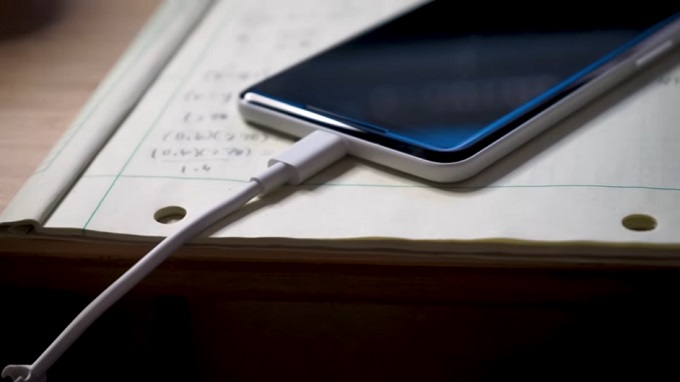
A charger operating efficiently should feel only mildly to moderately warm. Think of it as comparable to a warm mug of tea. You should be able to hold it comfortably without any discomfort. Typically, these temperatures hover around 95°F to 113°F (35°C to 45°C). This level of warmth is a standard byproduct of its electrical work.
Identifying Dangerous Overheating
However, if your charger is truly hot, to the point of being painful or uncomfortable to touch, it’s overheating and signals a problem. This isn’t just a minor issue; it indicates potential failure or even a fire hazard. Look out for these critical signs:
- Extreme Heat: If it’s too hot to hold for more than a few seconds.
- Burning Smell: Any unusual odor, especially one like burning plastic or electrical components.
- Visible Damage: Discoloration, melted casing, bulges, or frayed wires on the charger or cable.
- Device Malfunctions: Your device charges intermittently, very slowly, or stops charging unexpectedly.
Common Causes Behind a Hot Charger
Several factors can turn a normally warm charger into an overheating hazard. Pinpointing the cause is the first step toward a solution and preventing future problems. Most issues boil down to either drawing too much power, poor component quality, or environmental factors.
Faulty Charger or Cable
The integrity of your charging equipment is paramount. Any compromise can lead to increased resistance and, consequently, more heat generation.
- Damaged Wires or Connectors: Frayed, bent, or internally broken wires in the cable or within the charger itself create higher electrical resistance. This forces the current to work harder, generating excess heat. Similarly, damaged connectors that don’t make a solid connection can also cause resistance.
- Substandard or Counterfeit Chargers: Cheap, uncertified third-party chargers often use lower-quality components. These are less efficient at power conversion and lack proper safety circuits, making them prone to significant overheating and even failure. Always prioritize chargers from reputable brands.
- Incorrect Wattage: Using a charger with a significantly lower wattage than your device requires (e.g., a 5W phone charger for a large tablet or laptop) forces the charger to operate at its maximum capacity for extended periods. This constant strain inevitably leads to overheating as it struggles to meet the device’s power demands.
Device Overload or Demanding Use
The device being charged also plays a significant role. If it demands a lot of power or is being used intensively, the charger will naturally work harder and produce more heat.
- High Power Draw from Device: Charging a large tablet or a laptop battery that is severely depleted will make the charger work much harder and for longer durations than simply topping off a nearly full smartphone. The charger pushes maximum current, increasing heat output.
- Intensive Device Use While Charging: Playing graphics-intensive games, streaming high-definition video, or running processor-heavy applications while simultaneously charging can significantly heat up both your device and its charger. The device pulls more power than usual, pushing the charger to its thermal limits.
Environmental Factors and Poor Ventilation
Your charger’s surroundings directly impact its ability to dissipate heat. Ignoring environmental conditions can quickly lead to overheating.
- Lack of Airflow: Chargers need air circulation to cool down. Plugging them into crowded power strips, under blankets, or inside tight spaces (like a bag or drawer) traps heat, preventing proper dissipation.
- High Ambient Temperatures: Charging your device in a hot environment, such as direct sunlight, inside a car on a warm day, or in a room with a high ambient temperature, can push the charger beyond its safe operating temperature range. It has to work harder to shed its own heat.
- Dust Accumulation: Over time, dust can accumulate in the vents of larger power bricks or even on the surface of smaller wall adapters. This layer of insulation can hinder heat escape, trapping it within the charger.
Potential Risks and Dangers of an Overheating Charger
While a little warmth is normal, ignoring a charger that consistently feels uncomfortably hot to the touch can lead to serious consequences. It’s not just about discomfort; it’s a sign that internal components might be under stress, leading to potential safety hazards and damage to your valuable devices.

Safety Concerns: Beyond Just Heat
When a charger frequently runs at high temperatures, it begins to degrade its internal components at an accelerated rate. This can affect the integrity of the insulation around wires, leading to a breakdown of materials. Over time, you might notice the plastic casing becoming brittle or discolored. In extreme cases, the casing can even melt, exposing live wires which present a significant electric shock hazard. Imagine leaving a charger on a wooden surface only to find a dark, scorched mark left behind – that’s a clear indicator of dangerous heat levels.
Furthermore, prolonged exposure to excessive heat can also impact the very device it’s charging. High temperatures can cause premature degradation of your device’s battery, reducing its overall lifespan and capacity. You might notice your phone or laptop battery draining much faster, or even swelling, which is a critical safety issue demanding immediate attention.
Fire Hazards and Device Damage
The most alarming risk associated with an overheating charger is the potential for fire. When a charger malfunctions and produces extreme heat, especially if left unattended or near flammable materials like bedding, curtains, or paper, it can easily ignite a blaze. This is particularly concerning during nighttime charging when most people are asleep and less aware of potential dangers. Think about how many people charge their phones on their nightstands, often under pillows or blankets – these habits create ideal conditions for a fire if the charger overheats significantly.
Beyond fire, a failing or incorrect charger can also inflict irreversible damage on your expensive electronics. A faulty power adapter might not deliver the correct voltage or current, stressing your device’s charging circuitry. This can lead to issues like inconsistent charging, port damage, or even a completely dead device. Investing a little in a good quality, non-overheating charger is a small price to pay to protect your smartphone, tablet, or laptop from such preventable damage.
Proactive Measures and When to Replace Your Charger
Understanding why your charger gets hot is the first step; taking action to prevent overheating and knowing when to replace it is crucial for safety and longevity. Simple habits can make a big difference in keeping your charging routine safe and efficient.
Keeping Your Charger Cool and Healthy
Good ventilation is key. Always ensure your charger has plenty of space around it when in use. Avoid charging your devices under pillows, blankets, or inside tight drawers, as these restrict airflow and trap heat. Instead, place the charger on a hard, flat surface like a desk or a floor, away from direct sunlight. It’s also a good practice to unplug chargers when they’re not in use. While modern chargers consume very little power when idle, disconnecting them reduces wear and tear and eliminates any residual heat production.
Always use the charger that came with your device, or a certified, reputable third-party alternative. Cheap, uncertified chargers often lack the necessary safety features and proper insulation, making them much more prone to overheating. Protecting the physical integrity of your charger is equally important: avoid bending cables sharply, coiling them too tightly, or pulling them out by the cord instead of the plug. Physical damage can expose internal wires, creating resistance and leading to heat buildup.
Knowing When It’s Time for a New One
Even with the best care, chargers don’t last forever. There are clear signs that indicate it’s time to replace your charger for safety and optimal performance. Look for visible physical damage: frayed cables, cracked or melted plastic casing, bent or corroded prongs, or any exposed wiring. These are immediate red flags.
Pay attention to its performance too. If your charger consistently gets extremely hot to the touch, even after ensuring good ventilation, it’s a strong signal of an internal problem. Other warning signs include a burning smell, strange buzzing or popping noises coming from the adapter, or if your device charges inconsistently (frequently connecting and disconnecting). If your charger is very old and has seen heavy use, proactively replacing it can prevent future problems. Don’t wait for a failure; a small investment in a new, quality charger is a wise decision for the safety of your home and the health of your devices.
Conclusion
A warm charger is often nothing to worry about, but a consistently hot one is sending you a clear message. Understanding the common causes, like poor ventilation, heavy usage, or an aging component, empowers you to take action. Ignoring excessive heat isn’t just an inconvenience; it can lead to serious risks, from damaging your expensive electronics to creating a dangerous fire hazard.
Take a moment to evaluate your charging habits and inspect your chargers for any warning signs. Prioritize safety by ensuring good airflow, using appropriate chargers, and replacing any that show signs of damage or consistent overheating. Your devices – and your peace of mind – will thank you for it.
❓ Frequently Asked Questions
What exactly defines ‘too hot’ for a phone charger?
While ‘warm to the touch’ is normal, a charger is ‘too hot’ if you cannot comfortably hold it for more than a few seconds, it produces a burning smell, or you see physical signs of melting or discoloration. This indicates a serious problem.
How does poor ventilation contribute to charger overheating?
Chargers generate heat, and without proper airflow, this heat can’t dissipate effectively. Placing a charger under blankets, in enclosed spaces, or on soft surfaces can trap heat, causing it to build up to dangerous levels.
Can using a non-original charger make it run hotter?
Yes, uncertified or low-quality non-original chargers may not meet safety standards or provide the correct power output for your device. This can lead to inefficiencies, increased heat generation, and potential damage to both the charger and your device.
What are the fire risks associated with an overheating charger?
An excessively hot charger can melt its plastic casing, expose live wires, or ignite nearby flammable materials like bedding or curtains. This poses a significant risk of electrical fires and potential injury.
How can I prevent my charger from getting excessively hot?
Ensure chargers are used in well-ventilated areas, avoid covering them, and disconnect them when not in use. Always use genuine or certified replacement chargers and inspect cables for fraying or damage regularly.
When should I replace my charger rather than trying to fix it?
If your charger is consistently too hot to touch, shows any signs of damage (frayed wires, cracked casing, bent prongs), makes unusual noises, or emits a burning smell, it should be replaced immediately. Attempting to repair a damaged charger is unsafe.