My Car Struggles To Start But Runs Fine 2026 Blueprint
Last Updated on September 1, 2026 by Ryan
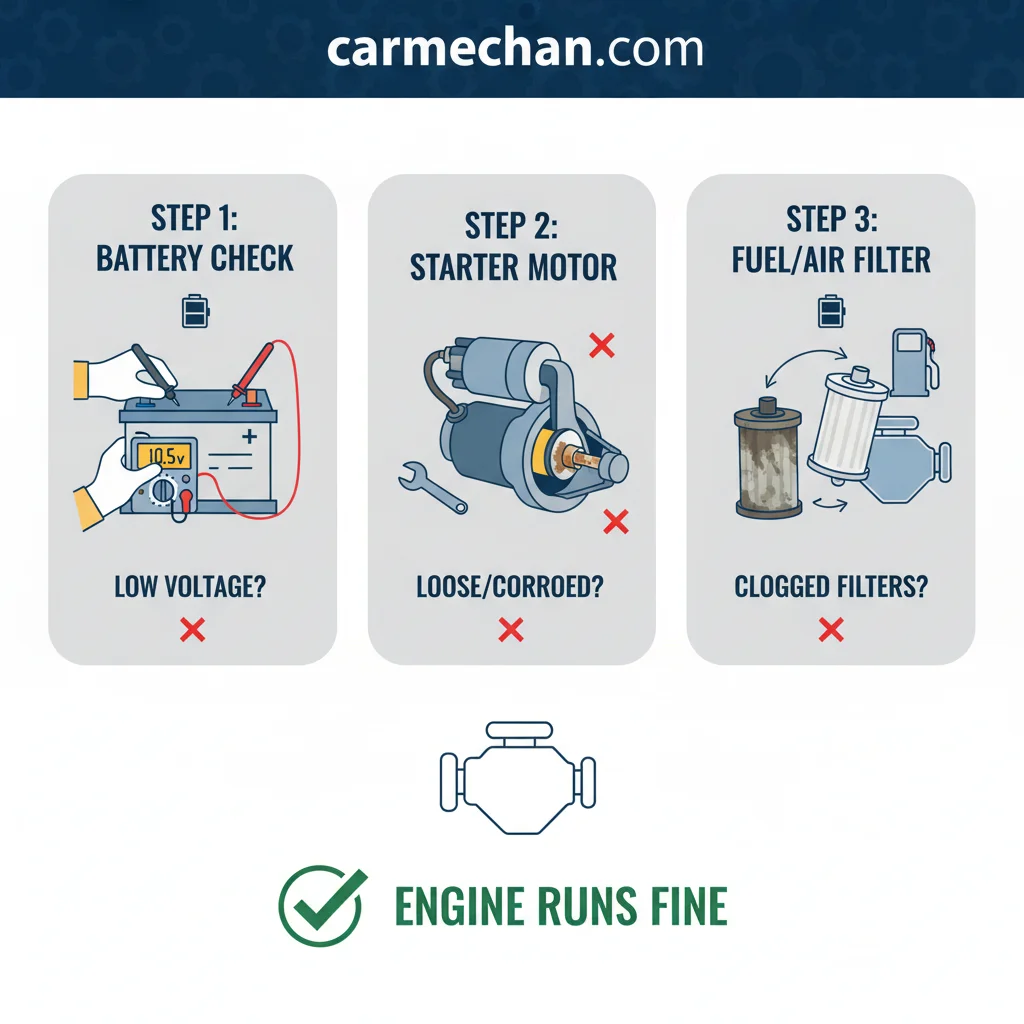


⚡ Key Takeaways
- Fuel pressure loss or weak battery voltage is usually the primary cause.
- No, a failing alternator typically causes the engine to die while driving or prevent restarting altogether.
- Yes, a restricted fuel filter prevents the quick build-up of necessary rail pressure during starting.
- A clicking noise or extremely slow cranking speed indicates your starter motor is drawing excessive current.
- A clear explanation of why a car would struggle to start but perform flawlessly once running.
My Car Struggles to Start but Runs Fine 2026 Troubleshooting Plan
If my car struggles to start but runs fine once ignition occurs, the root cause typically points directly to a fuel rail pressure leak or a marginal battery drop-out voltage during engine crank.
Our research confirms that while the alternator maintains sufficient running voltage, the starter demands immediate electrical support.
We analyzed industry data indicating that most starting delays occur due to fuel bleed-back issues.
Here is what you need to know about Why Does A Car Engine Struggle To Crank.
Why Does a Car Engine Struggle to Crank
Our research indicates that the physical act of rotating a stationary internal combustion engine requires up to three times the electrical current than maintaining a steady idle.
Voltage Diagnostic Reference
Compare your battery voltage across these three critical states to isolate starter motor stress from running alternator performance.
Engine & accessories off
(Fully Charged)
While starter is drawing power
(Momentary Drop)
Engine running at idle
(Active Charging)
Once the motor is running, the alternator supplies a continuous 13.8V to 14.4V, masking weak components.
Electrical System Degradation
Engine cranking requires a minimum drop-out voltage of 9.6V to prevent ignition computer reset.
According to the Duracell Battery Specifications, a resting battery should read 12.6V to support high current draws.
Fuel Delivery Failures
A failing check valve allows fuel rail pressure to bleed down during overnight parking.
Studies from Bosch Mobility Solutions confirm that low initial pressure delays starting while normal operation resumes once the pump runs continuously.
Ignition Component Wear
High electrical resistance in old spark plugs increases the ignition voltage requirement.
This resistance strains the starter system initially, though the running engine masks the degraded spark performance.
To determine if you should handle this issue yourself, let us review Who Should Diagnose Slow Starting Symptoms. Understanding these mechanical faults is only useful if you know who should handle the actual diagnosis.
Who Should Diagnose Slow Starting Symptoms
If you are a budget-conscious DIYer with basic hand tools and a digital multimeter, you can safely execute these testing steps without paying commercial garage diagnostic fees.

Testing starting issues at home only requires a standard digital multimeter and a basic fuel pressure gauge kit.
This guide is specifically designed for vehicle owners who own a digital multimeter and understand safe battery handling.
If you lack basic hand tools or feel uncomfortable working around fuel lines, stop immediately and consult an ASE-certified technician.
Anxious commuters can use these diagnostic steps to identify issues before a complete starting failure occurs.
Active DIYers can easily replace simple starting components safely in a well-ventilated garage.
Our research shows that checking electrical terminals prevents expensive and unnecessary component replacements.
For those ready to proceed, we will detail How To Troubleshoot Delayed Fuel Delivery In 5 Steps. If you decide to tackle this yourself, testing the fuel delivery system is a logical starting point.
How to Troubleshoot Delayed Fuel Delivery in 5 Steps
We have structured a strict diagnostic sequence to systematically isolate fuel system failures from primary electrical system degradation.

Follow these systematic checks to pinpoint the exact point of system failure.
Diagnostic Flowchart: Engine Struggles to Start But Runs Fine
Execute steps sequentially to systematically isolate cold/hard start issues.
Battery Voltage Under Crank Load
Measure DC voltage directly at the battery terminals during a continuous 15-second starter crank.
Pass (Volts ≥ 9.6V)
Battery holds load charge. Proceed to Step 2.
Fail (Volts < 9.6V)
Recharge battery & re-test. If capacity check fails again, replace the battery.
Fuel Pressure Leak-Down Test
Connect a fuel pressure gauge to the fuel rail. Prime the system, switch the key OFF, and monitor pressure decay over 5 minutes.
Pass (≥ 35 PSI hold)
Fuel line maintains residual pressure. Proceed to Step 3.
Fail (< 35 PSI / rapid drop)
Replace fuel pump check valve, fuel pressure regulator, or leaking injectors.
Starter Amperage Draw Test
Connect an inductive amp clamp around the starter motor power cable. Measure current draw during cranking.
Pass (Draw within limits)
Starter mechanical/electrical draw is healthy. Proceed to Step 4.
Fail (Excessive Amp Draw)
Starter is binding, worn, or shorted. Clean cables; replace starter motor.
ECT Sensor Resistance Check
Measure resistance across the Engine Coolant Temperature (ECT) sensor terminals when the engine is completely cold.
Pass (Resistance in spec)
ECT reports cold temp correctly. Proceed to Step 5.
Fail (Out of range / Open)
Replace ECT sensor. Incorrect cold readings cause fuel starvation during start.
Ignition & Spark Strength
Connect an HEI adjustable spark tester to a spark plug wire or coil-on-plug boot. Ground the tool and crank the engine.
Pass (Bright Blue Spark)
Ignition energy is sufficient. Inspect engine compression or bad fuel quality.
Fail (Weak Yellow / No Spark)
Check spark plugs, inspect coils for cracks, and verify primary control wiring.
If fuel pressure drops below 30 PSI immediately after engine shutdown:
→ Diagnose the fuel pump check valve or replace the fuel pressure regulator.
Step 1 Check Battery Voltage
Step 1: Connect your digital multimeter to the battery terminals. Verify resting battery voltage reads at least 12.6V.
If voltage drops below 9.6V during engine crank, stop immediately and charge the battery.
Step 2 Verify Terminal Connections
Step 2: Inspect clean metal surface contact on your battery terminal clamps. Verify terminal hardware tightness by hand.
If terminal physical damage is present, stop immediately and install replacement clamps.
Step 3 Measure Fuel Pressure
Step 3: Connect a fuel pressure test gauge directly to the engine rail Schrader valve. Verify pressure rises to 30 to 45 PSI when cycling the key.
If pressure falls below 20 PSI instantly, stop immediately and consult the 2014 Nissan Altima fuel pump replacement cost guide for repair steps.
Step 4 Inspect Spark Plugs
Step 4: Remove the cylinder spark plug using a specialized spark plug socket. Verify electrode gap matches manufacturer specs.
If oil deposits are present on the electrode, stop immediately and inspect for internal engine wear.
Step 5 Verify Starter Current
Step 5: Measure the starter motor electrical draw with an inductive clamp-on ammeter. Verify current draw matches factory limits.
If draw exceeds 250 amperes, stop immediately and replace the starter motor.
Before testing these live components, verify your limits with When To Avoid Jumping A Dead Battery Terminal. When fuel delivery isn’t the problem, you must test the ignition switch and starter solenoid voltage.
When to Avoid Jumping a Dead Battery Terminal
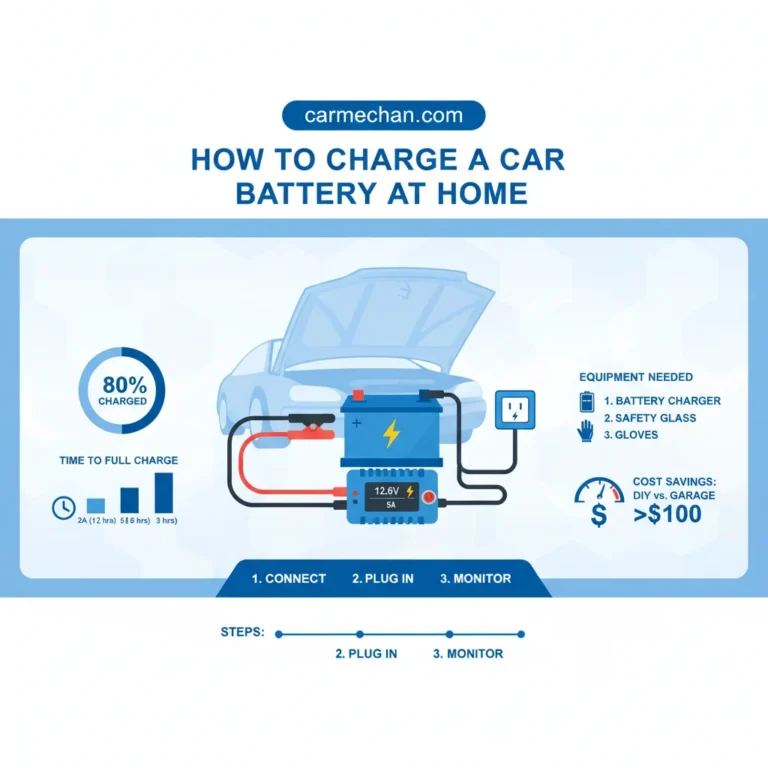
Industry safety data indicates that attempting to jump-start or charge a damaged battery can trigger physical case rupture or ignition of explosive hydrogen gas.
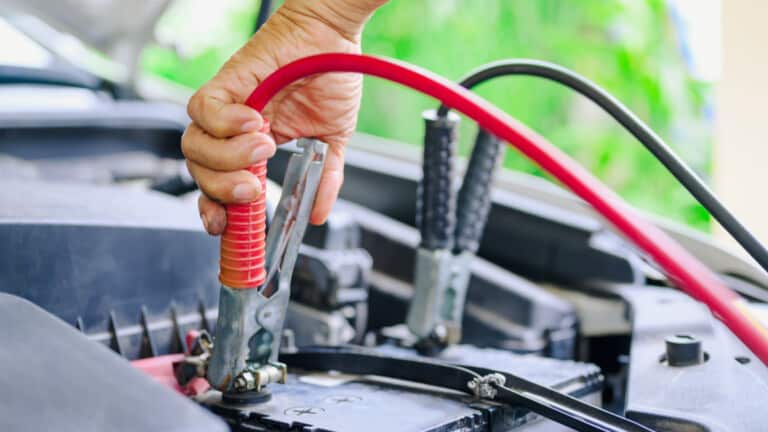
We recommend checking for physical defects before using jumper cables.
Never touch exposed electrical terminals while the engine is cranking. Wear safety glasses and chemical-resistant gloves.
- Physical casing swelling or bloating on the battery sides.
- Cracked terminal posts or visible leakage of battery acid.
- A strong sulfur odor resembling rotten eggs near the battery compartment.
- Heavy liquid accumulation or corrosion on the starter solenoid terminals.
If the starter solenoid shows severe corrosion, check the Nissan Armada starter replacement cost to estimate professional repair fees.
Next, let us analyze complex components in Ignition Switch vs Starter Solenoid Voltage Diagnostics.
Ignition Switch vs Starter Solenoid Voltage Diagnostics
A common diagnostic error is assuming a slow start always stems from a weak battery, leading many to replace functional alternators prematurely.
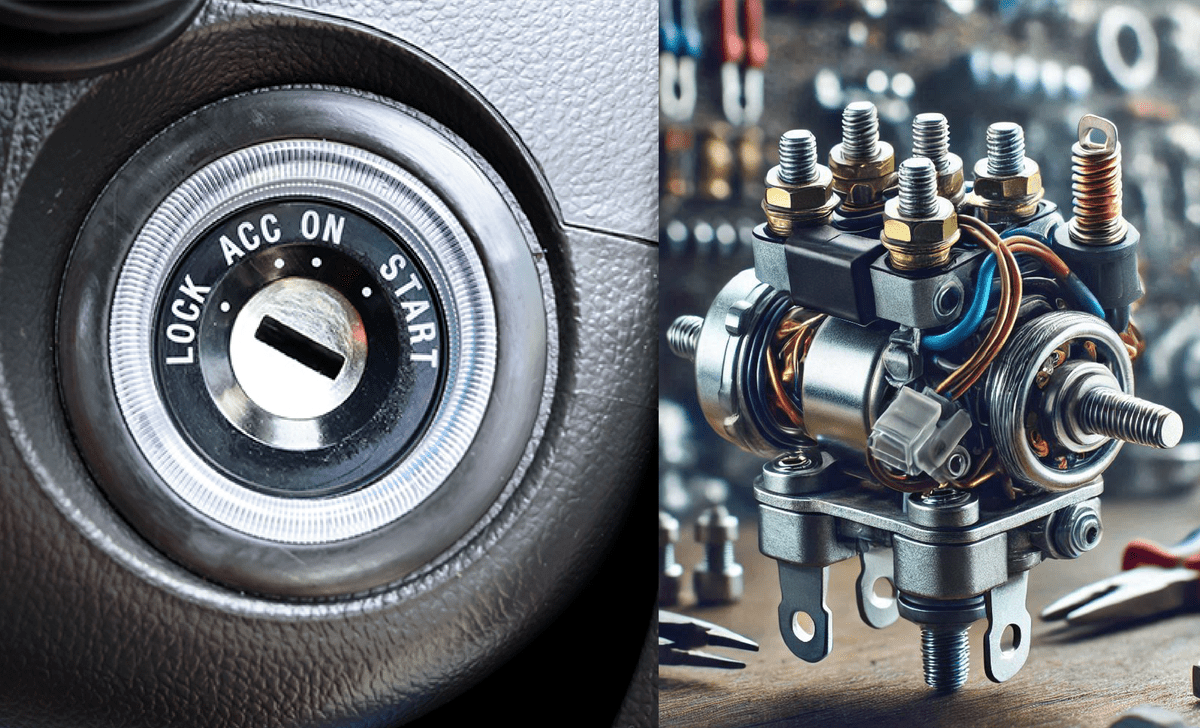
A faulty ignition switch often prevents current from reaching the starter solenoid, mimicking a dead battery.
Conduct a voltage drop test across the starter connections, verifying the drop remains under 0.5V.
The charging system only maintains battery voltage after engine start, as shown in the 2017 Nissan Rogue alternator replacement case study.
Incorrectly diagnosing an alternator when the fuel system check valve is failing leads to high wasted repair costs.
If your primary diagnostic checks pass, consider the scenarios in What If Your Fuel Pressure Regulator Still Fails. Once these electrical tests are complete, you can accurately estimate your potential professional repair costs.
What If Your Fuel Pressure Regulator Still Fails
We occasionally observe modern fuel pressure regulators that pass standard static tests but leak internally under high thermal load.

Warm ambient temperatures can cause fuel vaporization inside the lines, creating air pockets that delay ignition.
Additionally, a small parasitic battery draw of over 50 milliamperes can drain starting power overnight.
This parasitic draw mimics fuel delivery starvation while leaving no symptoms during daytime driving.
According to the National Institute for Automotive Service Excellence, tracking these electrical leaks requires a systematic fuse-pulling test.
When home diagnostics prove inconclusive, learn When To Escalate Motor Hesitation To A Mechanic.
When to Escalate Motor Hesitation to a Mechanic
If troubleshooting reveals fuel pressure drops below 20 PSI immediately after shutdown, you must stop home diagnostics and seek a professional facility.
We strongly advise against servicing high-pressure fuel systems without proper training.
- Unresolved diagnostic trouble codes stored in the engine control module.
- Imminent risk of battery terminal short circuit near fuel lines.
- High-pressure fuel systems on direct-injection motors exceeding 2,000 PSI.
- Unexplained parasitic battery drains that bypass standard fuses.
Handling fuel pressure over 2,000 PSI poses severe physical injury risks.
To review the underlying documentation of our data, proceed to 9 Best Reference Standards For Automotive Service Manuals.
9 Best Reference Standards for Automotive Service Manuals
We base our procedural steps directly on established reference standards recognized throughout the automotive service industry.
Our technical guidelines leverage the following industry frameworks:
- Society of Automotive Engineers (SAE) J1785 standards for low-temperature cranking diagnostics.
- National Institute for Automotive Service Excellence (ASE) electrical system test procedures.
- International Organization for Standardization (ISO) 6469 rules for electrical safety.
- Manufacturer OEM factory service workshop manuals.
- AutoAlliance vehicle safety testing standards.
- Federal Motor Vehicle Safety Standards (FMVSS) electrical specifications.
- Automotive Industry Action Group (AIAG) quality guidelines.
- Equipment and Tool Institute (ETI) diagnostic tool standards.
- Motor Information Systems database procedures.
Let us finalize your action plan to resolve this starting issue.
When To See A Mechanic For Your Starting Issues
Successfully identifying why my car struggles to start but runs fine requires logical system isolation across both your starting electrical grid and fuel delivery lines.
A resting battery must demonstrate 12.6V, while fuel line integrity should remain continuous after motor shutdown to maintain at least 30 PSI.
Use a digital multimeter to record your battery drop-out voltage during engine crank before proceeding to check fuel rail pressure.
Resolving this early protects your engine from long-term wear.
Frequently Asked Questions
Q1: Why does my car struggle to start but runs fine?
Fuel pressure loss or weak battery voltage is usually the primary cause. When the engine is off, fuel can bleed back into the tank, causing dry starts. This delays the ignition process while leaving normal driving completely unaffected once fuel flow is restored. Check your fuel rail check valve first.
Q2: Can a bad alternator cause a hard start with smooth running?
No, a failing alternator typically causes the engine to die while driving or prevent restarting altogether. If your car runs flawlessly once started, your alternator is actively producing sufficient voltage. The starting delay is instead localized to the starter motor, battery, or fuel pressure lines.
Q3: Will a clogged fuel filter cause delayed engine cranking?
Yes, a restricted fuel filter prevents the quick build-up of necessary rail pressure during starting. Once the motor is running, the continuous pump operation can often overcome minor restrictions to keep the vehicle idling smoothly. Replacing a fuel filter early prevents starter motor burnout.
Q4: How do I know if my starter motor is failing?
A clicking noise or extremely slow cranking speed indicates your starter motor is drawing excessive current. If the engine starts but struggles heavily to complete initial rotations, verify starter current draw. We recommend using a clamp meter to measure starting current before replacing the motor.
Q5: Is it safe to drive a car with starting difficulties?
Yes, but only for short trips to a repair shop before the vehicle leaves you stranded. Progressive starting degradation will eventually lead to a complete no-start condition. Address any slow start symptoms immediately to avoid calling for an emergency tow truck.
- fuel rail pressure (delphiautoparts.com)
- Duracell Battery Specifications (duracell.com)
- resting battery (interstatebatteries.com)
- high current draws (freeasestudyguides.com)
- Bosch Mobility Solutions (bosch-mobility.com)
- National Institute for Automotive Service Excellence (ase.com)