How Long Do Car Batteries Last? How Long Car Batteries 2026
Last Updated on September 1, 2026 by Ryan
On average, most car batteries last between 3 to 5 years, but this can vary significantly based on numerous factors including climate, driving habits, and maintenance routines. Understanding these variables helps you maximize your battery’s lifespan.
The question “how long do car batteries last?” is common for vehicle owners, and typically, these vital components provide reliable service for three to five years. This average lifespan, however, is a starting point, not a definitive guarantee. Many different elements can significantly influence how long your car battery truly performs.
From the climate you drive in to your daily habits and how well you maintain the battery, several factors play a crucial role. Understanding these variables helps you anticipate potential issues and take steps to prolong your battery’s life in 2026. We will explore the specific factors that influence how long your car battery lasts, beginning with key environmental and operational elements.
Key Takeaways


- Average lifespan is 3-5 years.
- Heat is a primary battery killer.
- Maintenance significantly extends battery life.
- Recognize signs of a dying battery.
- Different battery types have varied lifespans.
How Many Factors Affect Car Battery Lifespan?


Several critical factors dictate how long your car battery lasts beyond its average expectation. These elements often work in combination, either shortening or extending the component’s effective service period.

Hot Climate Impact
Extreme heat is arguably the single biggest killer of car batteries. High temperatures accelerate the chemical reactions inside the battery, which speeds up internal corrosion and evaporation of electrolyte fluid. This significantly reduces its overall capacity and lifespan. .
Short Drive Habits
Frequent short trips, especially under 20 minutes, do not allow your car’s alternator enough time to fully recharge the battery after starting the engine. This constant state of undercharging leads to sulfation, where sulfate crystals build up on the battery plates, hindering its ability to hold a charge.
.
Excessive Electrical Use
Leaving accessories like lights or the radio on when the engine is off can quickly drain a battery. Modern vehicles also have many electronic systems that draw a small, continuous current, known as parasitic drain. If these drains are excessive, they can slowly deplete the battery over time, especially when the car is parked for extended periods.
.
Neglecting Maintenance
A lack of proper maintenance, such as not cleaning corrosion from terminals or failing to check electrolyte levels in flooded batteries, contributes to premature failure. These simple tasks can prevent power loss and extend operational life. Keeping the battery clean and properly connected ensures efficient energy transfer.
While external factors play a significant role, the very type of battery you have also influences its expected operational duration.
Flooded Versus AGM Batteries Which Lasts Longer?


The car battery market offers several primary types, each with distinct designs and expected lifespans. Knowing the differences can help you make an informed choice and understand your battery’s specific care requirements.
Flooded Lead Acid Batteries
Conventional flooded lead-acid batteries are the most common and often the most affordable type. They contain liquid electrolyte that covers lead plates. Their typical lifespan ranges from three to five years, heavily dependent on maintenance and climate. They require occasional checks of electrolyte levels. .
Absorbent Glass Mat Batteries
Absorbent Glass Mat (AGM) batteries are a premium option, known for their enhanced durability and maintenance-free design. The electrolyte is absorbed in fiberglass mats, making them spill-proof and more resistant to vibration. AGM batteries generally offer a longer lifespan, often five to seven years, and perform better in extreme temperatures.
.
Enhanced Flooded Batteries
Enhanced Flooded Batteries (EFB) are an upgrade from standard flooded batteries, designed to meet the demands of vehicles with start-stop technology. They offer improved cycling capability and vibration resistance, bridging the gap between conventional flooded and AGM batteries. EFBs typically last longer than standard flooded batteries, often extending to four to six years.
.
Regardless of battery type, certain indicators will signal when its useful life is nearing an end, prompting awareness and action.
7 Common Signs of a Dying Car Battery
Recognizing the early warning signs of a failing car battery can prevent inconvenient breakdowns and ensure your vehicle remains reliable. Paying attention to these symptoms allows for proactive replacement.

Slow Engine Cranking
If your engine cranks more slowly than usual, sounding sluggish or strained, it often indicates a weakened battery. The battery struggles to provide sufficient power to the starter motor, especially noticeable during cold starts.
Dim Headlights Notice
Dim headlights, particularly when the engine is off or idling, suggest the battery isn’t holding a full charge. Other electrical components like interior lights or the dashboard display might also appear weaker.
Dashboard Warning Lights
Modern vehicles often illuminate a battery warning light on the dashboard if there’s an issue with the charging system or the battery itself. This light should never be ignored, as it signals a problem that needs attention.
Battery Terminal Corrosion
A buildup of white or blue-green powdery corrosion around the battery terminals can impede electrical flow. This corrosion indicates a chemical reaction, often due to electrolyte leakage or off-gassing, and suggests battery degradation.
Unusual Sulfuric Odor
A distinct smell resembling rotten eggs or sulfur emanating from the battery compartment is a serious warning sign. This odor indicates an internal issue, such as overheating or overcharging, which can lead to battery damage or failure.
Frequent Jump Start Needs
If you find yourself needing frequent jump starts to get your car going, your battery is likely unable to hold a charge. This is a clear indicator that its capacity has significantly diminished and replacement is imminent.
Beyond Recommended Age
Even without obvious symptoms, if your car battery is approaching or has exceeded its typical lifespan (3-5 years), it is considered “dying” by age. Proactive replacement is advisable to avoid being stranded unexpectedly.
Understanding these warning signals allows you to take proactive steps, and with proper care, you can significantly extend your battery’s life before these issues even begin.
How to Maximize Car Battery Life in 5 Steps
Implementing simple maintenance practices can dramatically extend how long your car battery lasts, saving you both hassle and money. Proactive care is key to maintaining optimal performance.
Keep Terminals Clean
Regularly inspect and clean your battery terminals to prevent corrosion buildup. Use a wire brush and a mixture of baking soda and water to remove any white or blue-green powder. Clean terminals ensure a strong electrical connection. .
Maintain Proper Charge
If you often take short trips or drive infrequently, use a trickle charger or battery maintainer. This device keeps the battery at an optimal charge level, preventing sulfation and extending its overall lifespan. .
Avoid Short Journeys
When possible, combine short errands into longer drives. This allows the alternator sufficient time to fully recharge the battery after each start. Longer drives help maintain the battery’s charge cycle health.
Ensure Secure Mounting
Make sure your battery is securely fastened in its tray. Excessive vibration can damage internal components and shorten the battery’s life. A loose battery can also be a safety hazard, leading to short circuits.
Regularly Test Health
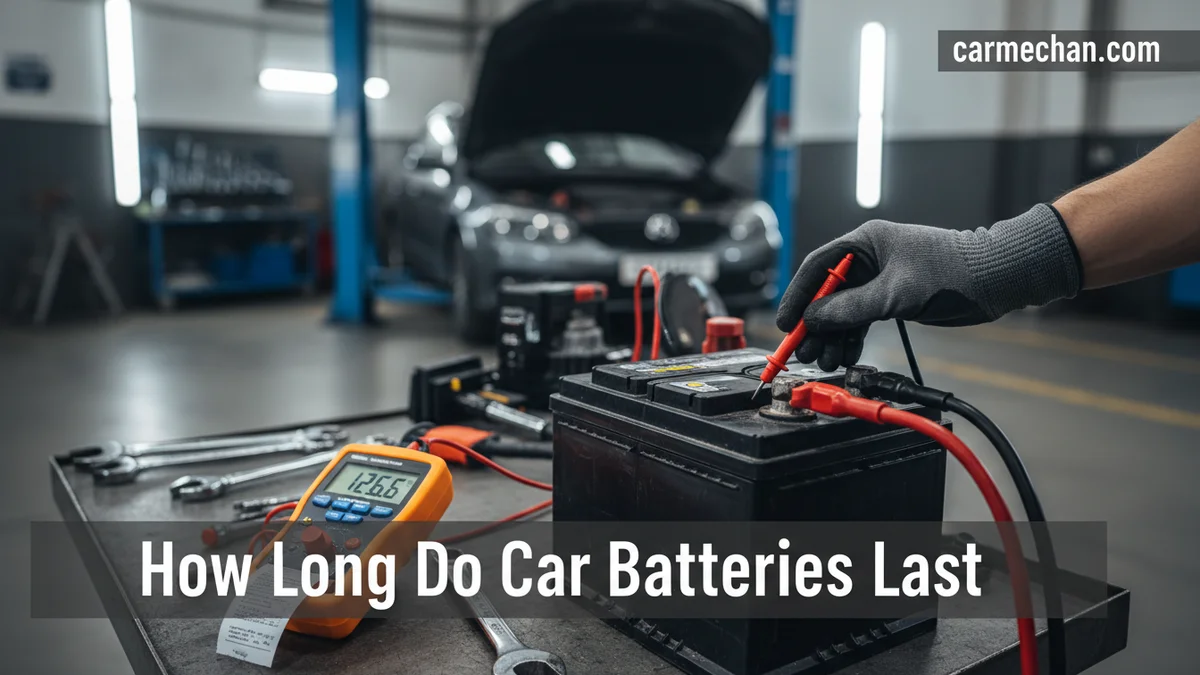
Periodically test your battery’s voltage and cold-cranking amps (CCA) with a multimeter or a specialized battery tester. This provides an indication of its current health and capacity, helping you anticipate replacement needs. .
Even with diligent maintenance, all batteries eventually reach their limit, making it crucial to know the optimal time for replacement rather than waiting for complete failure.
When to Replace Your Car Battery for Peak Performance
Knowing when to replace your car battery proactively, rather than reactively, ensures continued vehicle reliability and peace of mind. Timely replacement prevents unexpected breakdowns and inconvenience.
Reaching Its Age Limit
Even if it appears to be working, consider replacing your battery once it reaches the four to five-year mark. Batteries degrade over time, and waiting until it completely dies could leave you stranded. .
Showing Weak Performance
If your battery frequently exhibits signs of weakness, such as slow cranking or dim lights, even after being fully charged, it is time for replacement. These symptoms indicate a significant loss of capacity and reliability.
Preparing for Winter
Cold weather significantly impacts battery performance, reducing its cranking power. If your battery is older or showing any signs of weakness before winter 2026, replacing it proactively can prevent cold-weather starting issues. .
During Routine Service
Ask your mechanic to test your battery’s health during routine oil changes or vehicle inspections. A professional load test can accurately assess its remaining life, allowing you to plan for replacement before an emergency occurs.
Driving Forward With a Healthy Car Battery
Understanding how long car batteries last and what influences their longevity empowers you as a car owner. While the average lifespan is typically three to five years, your diligence in maintenance and awareness of warning signs can significantly impact that duration. Proactive care ensures your vehicle remains dependable, avoiding unexpected starting issues.
By identifying symptoms of a failing battery and performing regular checks, you can plan for replacement on your terms. This approach safeguards your schedule and your wallet, ensuring smooth travels well into 2026 and beyond.
Frequently Asked Questions About Car Batteries
Does Hot Weather or Cold Weather Affect Car Battery Life More?
Hot weather generally affects car battery life more significantly than cold weather. High temperatures accelerate the chemical reactions inside the battery, leading to faster degradation and a shorter overall lifespan, even if cold weather causes more starting issues.
How Do I Know If My Car Battery Needs Replacing Soon?
Look for signs like slow engine cranking, dim headlights, or the battery warning light on your dashboard. Corrosion on terminals or needing frequent jump starts also indicate it is nearing replacement. Regularly testing its voltage helps too.
Can Short Trips Reduce How Long a Car Battery Lasts?
Yes, frequent short trips can significantly reduce car battery life. These trips do not allow the alternator enough time to fully recharge the battery after starting the engine, leading to undercharging and sulfation build-up over time.
What Is the Average Lifespan of an AGM Car Battery?
Absorbent Glass Mat (AGM) car batteries typically last longer than traditional flooded batteries, often providing service for five to seven years. Their sealed design and enhanced vibration resistance contribute to their extended durability and reliable performance.
Should I Replace My Car Battery Even If It Seems Fine?
Consider replacing your car battery proactively if it is approaching its typical age limit of four to five years, especially before winter. Batteries degrade over time, and replacing it prevents unexpected failures and ensures continued reliability.