2012 Honda Civic Starter Location: Identification, Access, And Local Support
Experiencing frustrating ‘no-start’ or slow-crank issues with your 2012 Honda Civic? Many vehicle owners encounter significant challenges when attempting to accurately locate critical components like the starter motor, which is essential for effective troubleshooting or planning necessary repairs. This comprehensive guide will precisely pinpoint the 2012 Honda Civic starter location, elucidate its critical function within the starting system, outline safe and effective access procedures, and discuss reliable professional local service options to ensure your vehicle reliably starts, addressing common concerns within our community of Civic owners.
Understanding the 2012 Honda Civic’s Engine Starting System Architecture


📤 Share Image
To effectively diagnose and address starting issues, it is crucial to grasp the fundamental architecture of your 2012 Honda Civic’s engine starting system. The starter motor is not an isolated component but an integral part of a sophisticated electrical circuit designed to convert electrical energy from the battery into mechanical energy, specifically torque, to crank the engine and initiate the combustion cycle. This process typically occurs in a precise sequence, orchestrated by several interconnected components.
Interconnected Components and Their Interaction
The starting circuit initiates when the driver turns the ignition key or presses the start button. This action sends a low-current signal to the starter relay, typically located in the under-hood fuse box. Upon activation, the relay closes, allowing a higher current to flow from the battery to the starter solenoid. The solenoid performs a dual function: it acts as a high-current switch, connecting the battery’s heavy-gauge cable directly to the starter motor windings, and simultaneously pushes the starter drive gear (bendix) forward to engage the engine’s flywheel or flexplate. Once engaged and supplied with power, the starter motor spins the crankshaft, allowing the engine to start.
For instance, imagine the electrical flow: A healthy starting circuit requires a consistent 12-volt supply. When you turn the key, current flows from the battery, through the ignition switch, to the starter relay, then to the solenoid. The solenoid then directly supplies high current to the starter motor, causing it to spin. The critical role of proper electrical grounding cannot be overstated; a poor ground connection can introduce significant resistance, hindering the starter’s ability to draw sufficient current and crank the engine effectively.
Engine Variations: 1.8L R18A1 vs. 2.4L K24Z7 (Si)
While the fundamental principles remain consistent, there are subtle differences in component layout and sometimes part specifications between the 2012 Civic’s 1.8L R18A1 engine (found in LX, EX, HF, VP models) and the 2.4L K24Z7 engine (exclusive to the Si model). These variations primarily impact the physical space surrounding the starter and the exact orientation of its mounting, rather than its core operational principle. Diagnostics largely follow the same methodology, though specific wiring harness routes or component access points may differ. The average lifespan of an OEM starter motor for a Honda Civic typically ranges from 100,000 to 150,000 miles, but this can vary based on driving conditions and maintenance.
Common Symptoms of a Failing Starter
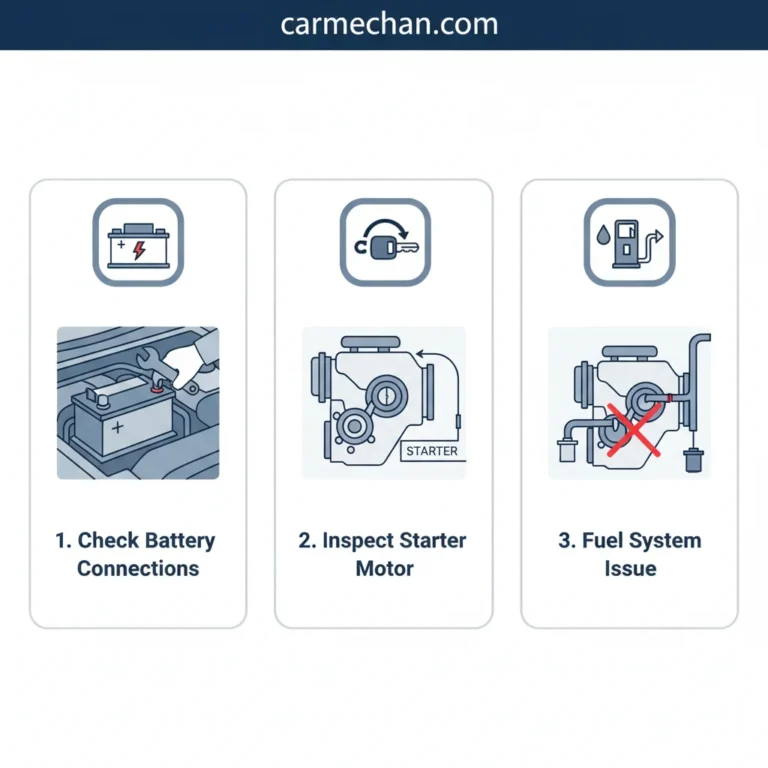
Distinguishing a failing starter from other electrical issues is crucial. Common symptoms include: a single click when attempting to start (often indicating a bad solenoid or seized motor), a slow crank (could be starter or battery), or no sound at all with dashboard lights illuminating (check battery, connections, and starter relay). It is important to note that a weak battery can often mimic a failing starter; for example, if your battery provides only 9-10 volts during cranking instead of a healthy 12+ volts, the starter may not receive sufficient power to operate, leading to a “no-start” condition that could be misattributed to the starter itself.
Precise Location of the Starter Motor in a 2012 Honda Civic


Accurately identifying the starter motor’s physical location is the first critical step for any diagnostic or replacement procedure. In the 2012 Honda Civic, regardless of the 1.8L or 2.4L engine variant, the starter motor maintains a relatively consistent position within the engine bay, reflecting Honda’s engineering approach for these platforms. It is typically a compact, robust component designed for high torque delivery in a confined space.
Primary Mounting Point and Orientation
The starter motor is primarily bolted to the transmission bell housing. This strategic placement ensures its drive gear can directly engage the flywheel (for manual transmissions) or flexplate (for automatic transmissions), which are integral components of the engine’s rotating assembly. In the 2012 Civic, you will generally find the starter positioned on the driver’s side of the engine. For the 1.8L R18A1 engine, it is commonly located towards the rear of the engine block, near the firewall, often tucked beneath the intake manifold or its associated components. The 2.4L K24Z7 (Si) engine may have a slightly different angle of approach due to its larger size and differing manifold design, but the fundamental mounting point on the transmission remains the same.
Visual Identification Cues
When inspecting the engine bay, look for a cylindrical metallic component, typically dark grey or silver, approximately 6-8 inches long and 3-4 inches in diameter. Its distinctive feature will be the presence of two heavy-gauge electrical cables connected to it: a thick positive battery feed cable (often red, sometimes black) and a thinner solenoid signal wire (usually black with a colored stripe). The main battery cable connects to a large stud on the solenoid, while the signal wire connects to a smaller spade terminal. You may also observe its proximity to the lower engine block and transmission fluid lines.
The OEM Part Number for the 1.8L Civic starter is often 31200-RNA-A01, a useful identifier if you are sourcing a replacement. The starter gear itself typically engages a ring gear with 110-140 teeth on the flywheel or flexplate, providing the necessary mechanical advantage.
Potential Obstructions and Access Considerations
Due to its placement, accessing the starter can be challenging. Common obstructions include:
- The battery tray, which often needs to be unbolted or removed entirely.
- The air intake ducting and air box assembly. For clear sight of the starter, removing the air box is almost always necessary, especially for the 1.8L engine.
- Various wiring harnesses and coolant hoses that run in proximity and may need to be carefully moved aside.
- The engine’s top cover (if present) might need removal to get a better vantage point.
These components, while not directly bolted to the starter, can significantly impede visual identification and manual access to the starter mounting bolts and electrical connections. The starter’s location can be somewhat inconvenient, making careful preparation essential. While the general placement is similar to previous Civic generations, the compact nature of the 2012 model year’s engine bay often necessitates more precise maneuvering and removal of ancillary components for adequate working space.

Preparation and Initial Access for 2012 Honda Civic Starter Removal


Approaching any automotive repair, especially those involving electrical systems, demands meticulous preparation and adherence to strict safety protocols. Rushing this stage significantly increases the risk of injury, vehicle damage, or unnecessary complications. Ensuring you have the right tools and a stable working environment is paramount for efficiently accessing the starter motor in your 2012 Honda Civic.
Always disconnect the negative battery terminal FIRST to prevent accidental shorts, electrical fires, or damage to sensitive electronic components. Failure to do so can result in serious injury or costly repairs.
Essential Toolkit and Safety Protocols
Before you begin, gather the necessary tools. This ensures a seamless process without interruptions. A standard toolkit for this job should include:
- Socket Set: Ranging from 10mm, 12mm, 14mm, and 17mm, with various extensions and a universal joint.
- Ratchet Wrenches: 3/8-inch and 1/2-inch drive.
- Open-End/Box Wrenches: Matching socket sizes.
- Pliers: Standard and needle-nose for hoses and connectors.
- Flat-Head and Phillips Screwdrivers: For clamps and smaller fasteners.
- Wire Brush/Terminal Cleaner: For battery terminals.
- Torque Wrench: Critical for proper reinstallation; battery terminal torque specifications are typically 7-9 lb-ft, while starter mounting bolt torque for the 2012 Civic often ranges from 33-47 lb-ft.
- Safety Glasses and Gloves: Non-negotiable for personal protection.
Vehicle Elevation and Stability
While some starters can be accessed from the top, the 2012 Civic often benefits from, or requires, working from underneath the vehicle for easier access to lower mounting bolts. If working from below:
📋
Step-by-Step Guide for Safe Elevation
Park the Civic on a level, firm surface. Engage the parking brake and chock the rear wheels for additional security.
Use a high-quality hydraulic jack at the designated front jack points (refer to your owner’s manual). Raise the vehicle slowly to a suitable working height.
Place sturdy jack stands under the vehicle’s frame or designated support points, NOT suspension components. Lower the vehicle onto the stands, ensuring it is stable and secure before working underneath.
Clearing Obstructions and Pre-Inspection
Once the vehicle is safely secured, proceed to clear any components blocking access to the starter motor. This typically involves:
- Removing the battery and battery tray.
- Disconnecting and removing the entire air intake system, including the air filter box and associated ducting. This usually involves unclipping hoses, loosening clamps, and removing a few retaining bolts.
- Carefully detaching any wiring harnesses or coolant hoses that lie directly over or in front of the starter, ensuring they are not strained or damaged. Use a flat-head screwdriver to gently pry off stubborn electrical connectors, avoiding excessive force.
Before attempting removal, visually inspect the main battery cable and the solenoid signal wire connected to the starter for any signs of corrosion, fraying, or physical damage. This pre-inspection can sometimes reveal a simpler issue than a failing starter, such as a loose or corroded connection, ensuring you have available spare parts if necessary.
Diagnosing Starter Malfunctions in Your 2012 Honda Civic
Accurately diagnosing a starting issue is paramount to avoid unnecessary parts replacement. Many symptoms can mimic a failing starter, making a systematic diagnostic approach essential. Relying solely on anecdotal evidence or assumptions can lead to wasted time and money. Our goal is to precisely determine if the issue originates from the starter itself or from other related components in the electrical starting circuit of your 2012 Honda Civic.
Interpreting Common Symptoms
The sound (or lack thereof) the car makes when you turn the key offers significant diagnostic clues:
- Single Click, No Crank: This often points to a faulty starter solenoid that engages but fails to pass current to the motor, or a mechanically seized starter motor. It could also indicate insufficient current reaching the solenoid, perhaps due to corroded battery terminals.
- Rapid Clicking: This is almost always a classic symptom of a low battery charge or poor battery cable connections. The battery has just enough power to activate the solenoid repeatedly but not enough to spin the starter motor.
- Grinding Noise: A grinding sound during cranking typically indicates that the starter drive gear is failing to properly engage with the flywheel/flexplate, or that teeth on either component are damaged.
- No Sound at All, Dashboard Lights On: This could signify an open circuit in the starter system (e.g., bad starter relay, ignition switch fault, or broken signal wire to the solenoid), or a completely dead starter motor.
A common scenario: if tapping the starter with a hammer provides temporary relief and allows the engine to crank, it often indicates worn brushes or internal commutator issues within the starter motor, suggesting it’s nearing the end of its life.
Battery Health Check and Voltage Drop Testing
Given that a weak battery can mimic starter issues, verifying battery health is a crucial first step. Use a multimeter to check the battery’s static voltage; a fully charged battery should read approximately 12.6 volts. If it reads significantly lower (e.g., below 12.0 volts), charge or test the battery further.
Performing a voltage drop test is an advanced yet highly effective diagnostic method. This involves measuring voltage loss across specific parts of the circuit while cranking.
- Measure voltage between the positive battery post and the starter’s main terminal.
- Measure voltage between the negative battery post and the engine block (ground).
A voltage drop exceeding 0.5V across battery cables or ground paths indicates excessive resistance, which can starve the starter of necessary power. A healthy starter motor can draw 150-250 amps during cranking, highlighting the need for minimal resistance in the circuit.
To test the starter solenoid and motor directly, you can carefully apply 12V directly to the small solenoid terminal (signal wire) with the main battery cable still connected. Ensure the transmission is in Neutral (manual) or Park (automatic), and the car is safely chocked. If the starter engages and spins the engine robustly, the issue lies upstream in the ignition switch, starter relay, or wiring, not the starter itself.
Checking the Starter Relay and Fuses
Before condemning the starter, inspect the starter relay and associated fuses. The starter relay is typically located in the under-hood fuse box. You can test it by swapping it with an identical, known-good relay (e.g., horn relay, if applicable) from the same fuse box. If the car then starts, the original relay was faulty. Also, inspect the relevant fuses for continuity using a multimeter, ensuring no blown fuses are interrupting the circuit. This methodical approach to diagnostics ensures that the actual culprit is identified, preventing unnecessary repairs or part replacements, especially considering the starter’s somewhat inconvenient location for access.
Professional Assistance: Local Services for 2012 Honda Civic Starter Replacement
While many DIY enthusiasts can tackle a starter replacement, there are legitimate reasons why professional intervention is often the more prudent choice. The complexities of diagnosing subtle electrical issues, the physical demands of accessing components, and the need for specialized tools can make this repair challenging for individuals lacking extensive experience or sufficient time. For many in our community, opting for professional service for their 2012 Honda Civic starter replacement offers significant advantages.
When to Seek Professional Help
Consider professional assistance if:
- You lack the specialized tools (e.g., torque wrench, advanced diagnostic equipment).
- You are uncomfortable working with high-current electrical systems or underneath a raised vehicle.
- Your diagnostic tests are inconclusive, or the problem persists after initial troubleshooting.
- Time is a critical factor, and you need your vehicle back on the road promptly.
- The starter’s location is proving too difficult to access safely and effectively.
Benefits of Professional Service
Engaging a reputable service center provides several key advantages:
Diagnostic Precision
Shops utilize advanced diagnostic equipment to accurately pinpoint the root cause, avoiding misdiagnosis.
Specialized Tools & Expertise
Mechanics have the right tools and in-depth knowledge of Honda vehicles, ensuring correct installation and torque specs.
Warranty Coverage
Reputable shops typically offer warranty on both parts and labor, providing peace of mind.
Finding Reputable Local Mechanics
Identifying a trusted local service provider is crucial. Start by searching online for ‘2012 Honda Civic starter replacement nearby‘ or ‘Honda specialist in [your city]’. Look for shops with positive online reviews on platforms like Google, Yelp, or industry-specific sites. Seek recommendations within your community or from friends and family. An ASE certification for mechanics is often a good indicator of quality and competence.
Questions to Ask and Cost Expectations
Before committing to a service, inquire about:
- Their diagnostic process and associated fees.
- Labor rates and the estimated number of hours for the job. Typical labor hours for a 2012 Honda Civic starter replacement range from 1.5 to 2.5 hours.
- The warranty policy on both the replacement part and the labor.
- Whether they use OEM (Original Equipment Manufacturer) or high-quality aftermarket components. OEM starters are generally preferred for longevity and compatibility, but quality aftermarket options are also available.
The average cost for parts and labor for a 2012 Honda Civic starter replacement in a general metropolitan location can be between $350-$700. This range largely depends on the specific part quality (OEM vs. aftermarket) and the shop’s labor rates. Always ask for a written estimate before any work begins, ensuring transparency from the serving service provider.
By The Numbers
Miles (OEM Starter Lifespan)
Labor Hours (Typical Replacement)
Average Replacement Cost (Parts & Labor)
The 2012 Honda Civic starter is primarily located on the driver’s side, typically bolted to the transmission bell housing, requiring careful access. Accurate diagnosis is paramount; ensure the issue is indeed the starter by checking the battery, connections, and related components before replacement. For complex diagnostics or replacement, leveraging professional local automotive services offers expertise, specialized tools, and warranty protection, especially when searching for ‘mechanics nearby‘. Should you continue to experience starting issues or require professional assistance, consult a certified automotive technician in your community or refer to your vehicle’s official service manual for specific, model-appropriate guidance.
Frequently Asked Questions
What are the common signs of a failing starter in a 2012 Honda Civic?
Common symptoms include a single click when turning the key, a grinding noise, slow cranking that eventually fails, or absolutely no sound at all. These can often be confused with battery or alternator issues, necessitating careful diagnosis. Prompt attention to these signs can prevent complete vehicle immobilization.
Can a weak or dead battery mimic a starter problem in my 2012 Civic?
Absolutely. A weak battery is a frequent culprit behind ‘no-start’ conditions, often presenting symptoms identical to a failing starter, such as clicking noises or a slow crank. Always test your battery’s voltage and charge before assuming a starter issue. A fully charged battery is crucial for proper starter operation.
Is it difficult to replace the starter on a 2012 Honda Civic for a DIY enthusiast?
Replacing the starter on a 2012 Honda Civic can be moderately challenging for a DIY enthusiast. It requires specific tools, careful removal of obstructing components like the battery tray and air intake, and working in tight spaces. Adhering to safety protocols, especially disconnecting the battery, is critical to avoid electrical shorts.
What essential tools are typically required to access the 2012 Honda Civic starter?
To access the starter, you’ll generally need a socket wrench set (with 10mm, 12mm, 14mm, and 17mm sockets), various extensions, a universal joint, and possibly a breaker bar for stubborn bolts. Pliers, screwdrivers, and a battery terminal wrench are also essential. Safety gear like gloves and eye protection are also highly recommended.
How much does a starter replacement typically cost for a 2012 Honda Civic in my nearby area?
The cost for a 2012 Honda Civic starter replacement typically ranges from $350 to $700. This includes both parts and labor, varying based on the specific starter brand (OEM vs. aftermarket), regional labor rates for auto services nearby, and the complexity encountered during installation. Always get multiple quotes from local shops serving your community.