Mazda CX-30 Years to Avoid? Reliability Guide for Buyers
Last Updated on September 1, 2026 by Ryan
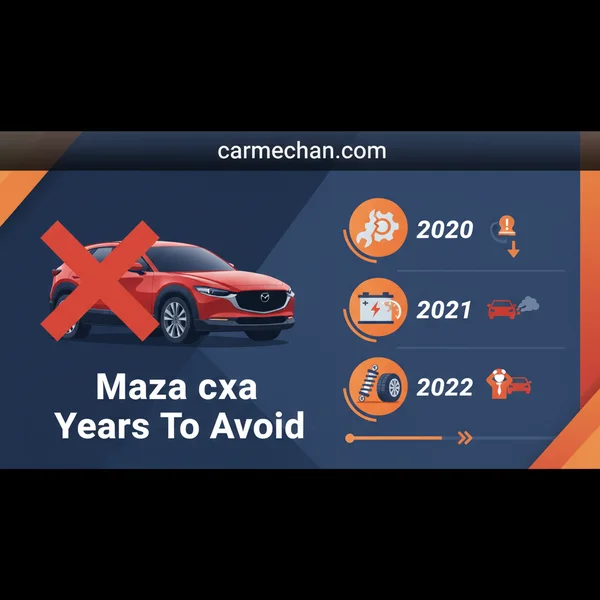
The Mazda CX-30 generally boasts strong reliability across all its model years, aligning with Mazda’s excellent reputation. While no specific year stands out as problematic or “to avoid,” prospective buyers might want to be aware of minor, isolated reports on initial 2020 models concerning infotainment glitches or specific sensor issues.
🎯 Key Takeaways



- Most Mazda CX-30 model years offer strong reliability.
- No specific CX-30 year is widely considered “to avoid.”
- Review 2020 models for minor infotainment reports.
- Always check service history for any used vehicle.
- Consider a pre-purchase inspection for older models.
When considering a used CX-30″ target=”_blank” rel=”noopener noreferrer” title=”Mazda CX-30 Recalls, Complaints, and Investigations (NHTSA)”>Mazda CX-30, your top priority is undoubtedly reliability. You want to know if there are any specific model years riddled with widespread mechanical failures, costly defects, or persistent issues that could turn your smart purchase into a money pit. The good news for prospective buyers is that the Mazda CX-30 generally upholds Mazda’s strong reputation for dependability, but a closer look at owner reports and industry analyses can provide crucial insights into what to expect and whether any particular year warrants caution.
Understanding the reliability landscape before you buy is critical. It allows you to make an informed decision, potentially saving you from unexpected repair bills and the headaches that come with owning a troublesome vehicle. Our aim here is to cut straight to the chase, leveraging available data and owner feedback to pinpoint any potential red flags, so you can confidently choose a CX-30 that will serve you well for years to come.
Overall Reliability Outlook for the Mazda CX-30



The Mazda CX-30, introduced for the 2020 model year, has quickly established itself as a well-built and generally reliable subcompact SUV. Mazda consistently ranks highly in reliability studies, and the CX-30 largely benefits from this brand pedigree. It often shares core components and engineering with other proven Mazda models, contributing to its robust design and fewer initial teething problems compared to some competitors’ new introductions.

Initial Impressions and Industry Ratings
From its launch, the CX-30 has earned commendable scores from independent automotive evaluators. Organizations like J.D. Power typically rate Mazda vehicles, including the CX-30, as above average or excellent for overall dependability and quality. For example, J.D. Power’s Vehicle Dependability Study (VDS) and Initial Quality Study (IQS) frequently place Mazda near the top. Consumer Reports also tends to give the CX-30 high marks for predicted reliability based on member surveys, reflecting general owner satisfaction with its long-term performance and minimal reported issues. These high ratings are significant because they encompass feedback from thousands of real owners, covering everything from minor annoyances to major mechanical failures.
- Strong Foundations: The CX-30 utilizes Mazda’s Skyactiv-G engine technology and platform, which are well-regarded for their efficiency and durability. Many components are shared with the Mazda3, a vehicle known for its strong reliability track record.
- Quality Materials and Assembly: Owners frequently praise the CX-30’s solid build quality and premium-feeling interior, suggesting attention to detail that often translates to fewer rattles, squeaks, and premature wear-and-tear issues down the line.
- Fewer Major Redesigns: As a relatively new model, the CX-30 has not undergone significant redesigns that often introduce new systems or components, helping to maintain consistent reliability across its early model years.
The consensus from these leading organizations and owner feedback generally paints a picture of a vehicle that is dependable, requiring only routine maintenance without a propensity for major breakdowns. This consistent performance is a reassuring sign for anyone looking at a used CX-30.
Examining Specific Mazda CX-30 Model Year Reports


When we delve into specific model year reports for the Mazda CX-30, a clear trend emerges: there isn’t one particular year that stands out as significantly problematic or warrants being “avoided” altogether. Unlike some vehicles that experience critical flaws in their inaugural years or after major redesigns, the CX-30 has maintained a relatively consistent and high level of reliability across its production run so far. This doesn’t mean it’s entirely devoid of complaints, but rather that any reported issues are typically minor, not widespread, and usually don’t point to systemic defects that would deter a buyer.
Common Themes Across All Years (Minor Issues)
Instead of identifying specific “bad” years, it’s more productive to look at the minor, recurring themes that owners occasionally report across all CX-30 model years. These are not deal-breakers, but rather points of awareness:
- Infotainment System Glitches: A handful of owners, particularly in earlier 2020-2021 models, have reported occasional freezing or lagging of the infotainment screen. These incidents are generally infrequent and often resolved by a system restart or a software update from the dealership. They do not impact the vehicle’s driving capability or safety.
- Brake Squeal: Some reports exist of brake squeal, particularly at low speeds or in damp conditions. This is a common phenomenon in many vehicles and is usually related to pad material or slight rust buildup rather than a functional defect. It’s often resolved with routine brake maintenance or by using different aftermarket pads.
- Minor Rattles or Wind Noise: A small percentage of owners have mentioned subtle interior rattles or increased wind noise at highway speeds. These are subjective issues and can vary greatly from car to car, often attributable to specific trim pieces or weather stripping. They are not structural or safety concerns.
- Battery Drain (Early Reports): Very early 2020 models saw a few isolated reports of 12V battery drain issues. Mazda addressed these promptly, and it has not been a widespread or persistent problem across later years. If considering an early 2020 model, ensure its service history reflects any necessary checks or updates.
Recalls and Their Impact
Like almost all new vehicles, the Mazda CX-30 has had a few recalls since its debut. It’s important to remember that recalls are a sign of a manufacturer proactively addressing potential safety or compliance issues, rather than an indication of poor reliability. For the CX-30, these have included:
- Fuel Pump Issues (2020-2021 models): Similar to other Mazda and Toyota vehicles, some CX-30s were part of a larger recall for potentially faulty fuel pumps that could cause engine stalling. Most affected vehicles have already been repaired, and it’s essential to verify any recall work was completed for a used car you’re considering.
- Tire Pressure Monitoring System (TPMS) Software: A minor recall addressed potential inaccuracies in the TPMS software for certain models. This was a software fix, easily updated by a dealership.
- Passenger Airbag Sensor: Some vehicles were recalled for a passenger airbag sensor that might not properly detect smaller occupants, leading to non-deployment in a crash. This was also a relatively straightforward sensor replacement.
The critical takeaway here is that these recalls, while important, were for specific components and have generally been resolved through manufacturer-issued fixes. They do not represent fundamental reliability flaws that would warrant avoiding an entire model year. Always check a vehicle’s VIN for open recalls before purchasing.
Common Minor Issues and Owner Feedback
While the Mazda CX-30 generally enjoys a strong reputation for reliability, like any vehicle, some owners have reported minor quirks. These are typically not systemic failures but rather small annoyances or isolated incidents that are helpful for prospective buyers to be aware of.

📤 Share
💾 Download
Infotainment Quirks and Connectivity
A recurring theme in owner forums, though not widespread, involves the infotainment system. Some drivers have experienced occasional freezing or slow responses, particularly with Apple CarPlay or Android Auto integration. While often resolved with a simple system reset or software update during service, it’s a detail worth noting. Connectivity can sometimes be a bit finicky for a small percentage of users, but Mazda generally rolls out updates to address these software-related issues.
- Occasional infotainment system lag or freezing.
- Minor glitches with Apple CarPlay/Android Auto connectivity.
- Most issues are software-related and often resolved with updates.
Interior Noises and Small Details
Another area where a small subset of owners have provided feedback relates to interior fit and finish. While the CX-30’s cabin is lauded for its premium feel, a few owners have reported minor dashboard rattles or subtle noises from areas like the sunroof trim, especially over rougher roads. These are generally isolated incidents rather than widespread manufacturing defects and are often simple fixes, but they can be noticeable to discerning drivers.
- Reports of minor interior rattles (e.g., dashboard, trim pieces).
- Often isolated incidents, not indicative of overall poor build quality.
- Overall interior quality remains a strong point for the CX-30.
Smart Buying Tips for a Used Mazda CX-30
Even though there isn’t a specific “year to avoid” for the CX-30, smart buying practices are essential for any used car purchase. By following a few key steps, you can significantly increase your chances of finding a well-maintained vehicle that will serve you reliably for years to come.
Thorough Inspection and Test Drive
Before committing to a purchase, always conduct a comprehensive inspection and extended test drive. Pay close attention to the vehicle’s overall condition, both inside and out. During the test drive, listen for any unusual noises from the engine, transmission, or suspension. Test all electronic features, including the infotainment system, climate control, windows, and lights, to ensure everything functions as it should. Don’t rush this process; take your time to truly get a feel for the car.
- Visually inspect for body damage, interior wear, and tire condition.
- Listen for strange noises during acceleration, braking, and turning.
- Test all electronic components: infotainment, climate, windows, mirrors.
The Importance of Service Records and Pre-Purchase Inspection
One of the most crucial steps is to review the car’s service history. A vehicle with complete and consistent service records indicates a diligent previous owner and proper maintenance. Look for documentation of regular oil changes, tire rotations, and any other scheduled maintenance. Furthermore, always arrange for a pre-purchase inspection (PPI) by an independent, trusted mechanic, ideally one familiar with Mazda vehicles. A PPI can uncover potential issues that aren’t obvious to the untrained eye, giving you peace of mind or leverage for negotiation.
- Request and review all available service records.
- Prioritize cars with a documented history of regular maintenance.
- Always get a Pre-Purchase Inspection (PPI) from a reputable, independent mechanic.
- Run a VIN check to confirm accident history and title status.
Conclusion
Ultimately, the Mazda CX-30 stands out as a strong contender in the compact SUV segment, boasting impressive reliability across all its model years. While no car is entirely without minor quirks, there’s no specific “year to avoid” that should deter you from considering a CX-30. By focusing on a vehicle with a solid maintenance history and subjecting it to a thorough pre-purchase inspection, you can confidently invest in a used CX-30. Embrace the journey of finding your perfect CX-30; its blend of style, performance, and dependability is truly a winning combination.
❓ Frequently Asked Questions
Why is the Mazda CX-30 generally considered a reliable vehicle?
The Mazda CX-30 benefits from Mazda’s reputation for engineering robust and dependable vehicles, often utilizing proven powertrain components. Its straightforward design and high-quality manufacturing contribute to fewer common mechanical failures and positive owner satisfaction.
What specific issues, if any, have been reported for the 2020 Mazda CX-30?
For the initial 2020 model year, some owners reported minor issues primarily related to the infotainment system, such as occasional freezing or connectivity glitches, and isolated reports of sensor malfunctions. These were generally not widespread and often addressed with software updates.
Are there any major recalls affecting Mazda CX-30 years to avoid?
While the CX-30 has had a few minor recalls, such as for specific seat belt or engine control module updates, there have been no major, systemic recalls that would classify any particular model year as “to avoid.” Always check a vehicle’s VIN for open recalls.
What should a pre-purchase inspection focus on when buying a used Mazda CX-30?
A pre-purchase inspection should focus on standard checks like fluid levels, tire wear, brake condition, and suspension components. For the CX-30, specifically check the operation of the infotainment system, test all electronic features, and look for any unusual warning lights during a test drive, especially on early models.
How long can a Mazda CX-30 typically be expected to last?
With proper maintenance, a Mazda CX-30 can reliably last between 200,000 to 250,000 miles or more, which translates to 13-17 years for the average driver. Its durable engineering and reliable powertrains contribute to its impressive longevity.
Is an extended warranty recommended for a used Mazda CX-30 given its reliability?
While the CX-30 has strong reliability, an extended warranty can still offer peace of mind, especially for older models or those with higher mileage, covering unexpected major component failures. It’s a personal decision based on risk tolerance and budget, but not strictly necessary due to widespread known issues.