Honda Passport: Years to Avoid & Why (Reliability Guide)
Last Updated on September 1, 2026 by Ryan


When considering a used Honda Passport, it’s crucial to identify specific model years with known reliability issues to avoid costly repairs. The first-generation (1994-2002) is particularly notorious for transmission failures, while early third-generation (2019-2020) models faced significant electrical and infotainment problems.
🎯 Key Takeaways
- Avoid 1994-2002 Passports due to chronic transmission risks.
- Exercise caution with 2019-2020 models for electrical issues.
- Prioritize pre-purchase inspections for used Passports.
- Thoroughly research vehicle history reports (VIN check).
- Consider 2021+ models for improved third-generation reliability.
If you’re considering a used Honda Passport, knowing which model years are prone to significant reliability issues is essential for making a smart purchase. Our direct advice is to generally avoid the first generation (1994-2002) and approach the early third generation models (2019-2020) with extra caution. Understanding the specific problems these years present can save you considerable repair costs, frustration, and ensure a far more satisfying ownership experience.

Choosing the right year can mean the difference between dependable transportation and a money pit. The Passport’s reliability history isn’t uniform across all generations, and certain periods saw design flaws or shared platform issues that directly impacted owner satisfaction and long-term costs. This guide will pinpoint those problematic years and detail the exact issues you’ll likely encounter, helping you navigate the used market with confidence.
Identifying the Most Problematic Honda Passport Years
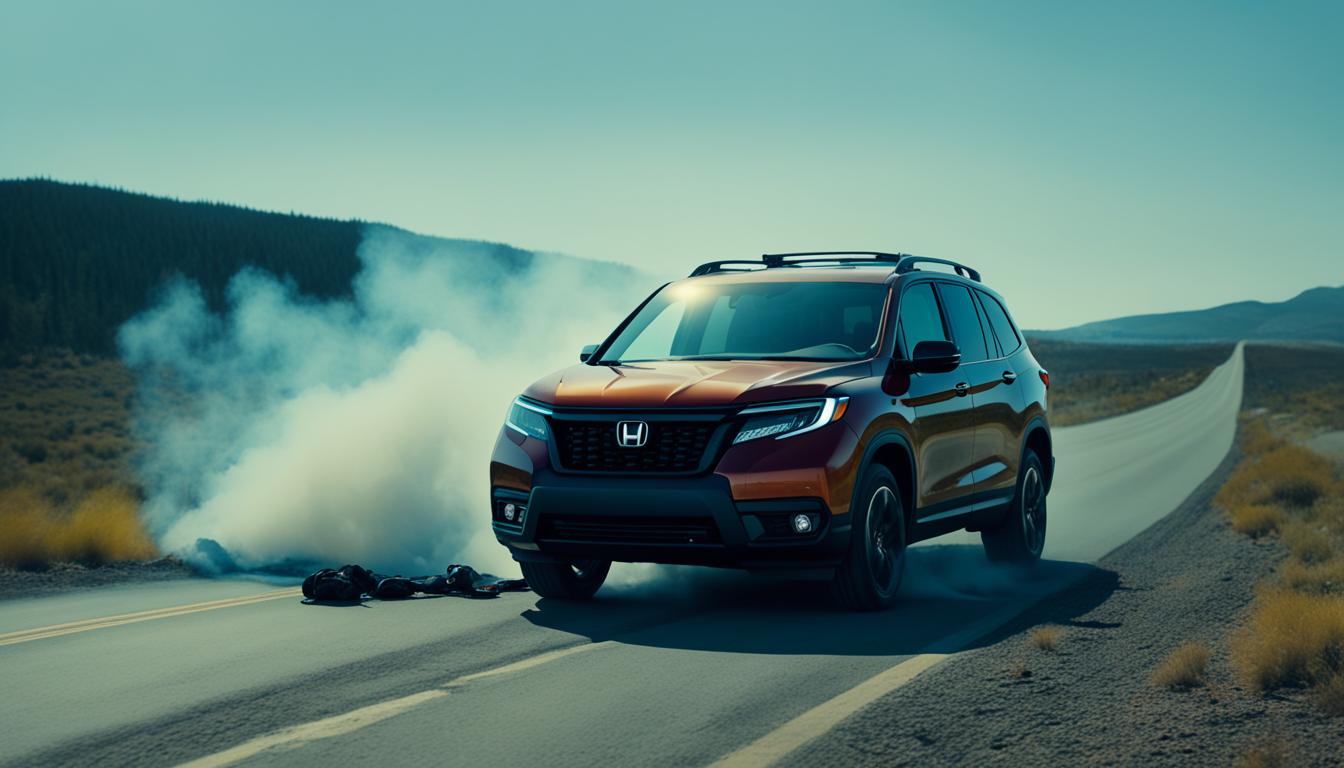
When searching for a Honda Passport, two distinct periods stand out as having the most significant reliability concerns, primarily due to inherent design issues or shared platform weaknesses. These years consistently show up in owner complaints and reliability surveys as having the highest frequency of costly and inconvenient repairs.
📤 Share
💾 Download
Which Generations to Approach with Caution
You should prioritize avoiding the entire first generation of the Honda Passport. These vehicles, sold from 1994 to 2002, were not true Hondas but rebadged Isuzu Rodeos. This means they inherited Isuzu’s specific reliability challenges, which were substantial for that era. Furthermore, early models of the third-generation Passport, specifically 2019 and 2020, also exhibit common “new model year” teething problems that can be bothersome.
Quick Overview of High-Risk Models
- 1994-2002 Honda Passport (First Generation): These model years are notorious for a range of mechanical failures stemming from their Isuzu Rodeo origins. Issues include engine problems, frequent transmission failures, and severe rust.
- 2019-2020 Honda Passport (Early Third Generation): While generally more reliable than the first generation, these early models of the modern Passport have reported electrical glitches, infotainment system malfunctions, and some initial transmission software issues.
Focus your research away from these specific years if you prioritize peace of mind and lower ownership costs. The problems associated with them can be frequent, expensive, and significantly detract from the driving experience.
Deep Dive into Common Issues by Generation
To truly understand why certain Passport years are best avoided, it’s crucial to look at the specific, recurring problems. For the first generation Passport, the issues are foundational and often lead to vehicle abandonment due to repair costs.
First Generation (1994-2002): The Isuzu Rebadge Era
The 1994-2002 Honda Passport models are, quite simply, an Isuzu Rodeo with Honda badges. This means their reliability is reflective of Isuzu’s engineering from that period, which was unfortunately subpar in several critical areas. These vehicles suffer from a trifecta of major mechanical and structural flaws that make them a gamble at any price.
Key Mechanical Failures and Costs (First Generation)
- Engine Problems (3.2L V6): The primary culprit here is excessive oil consumption, often leading to premature engine wear if not meticulously monitored. You might also encounter head gasket failures, especially in later years of this generation. Repairing a head gasket can cost anywhere from $1,500 to $2,500, while addressing oil consumption issues or a full engine replacement could easily run $3,000 to $6,000, frequently exceeding the vehicle’s market value.
- Automatic Transmission Failures: These transmissions are notoriously weak and prone to premature failure, often exhibiting slipping, harsh shifts, or complete disengagement. Owners frequently report needing full transmission rebuilds or replacements, which are costly endeavors. Expect to pay between $2,000 and $4,000 for a professional transmission repair, a significant expense for an older vehicle. This issue is highly prevalent, severely impacting driveability and owner satisfaction.
- Severe Frame Rust: A critical safety and structural concern for these models is widespread and severe frame rust, particularly in regions that use road salt. The Passport’s frame often rusts from the inside out, leading to weakened structural integrity, potential suspension mounting point failures, and even brake line corrosion. This isn’t just cosmetic; it’s a safety hazard. Frame repair is often impractical or prohibitively expensive, potentially deeming the vehicle unsafe and unrepairable, making it a total loss. This issue significantly reduces the lifespan and resale value of affected vehicles.
- Electrical Glitches: While less critical than the engine and transmission, owners report various frustrating electrical issues, including power window motor failures, inconsistent gauge cluster readings, and problematic interior lighting. While individually less expensive to fix, these persistent annoyances contribute to overall poor owner satisfaction and indicate a generally less robust electrical system.
The cumulative effect of these problems means a first-generation Passport is very likely to experience one or more major, costly breakdowns. The frequency of these issues is high, and the repair difficulty is substantial, often requiring specialized labor. Owner satisfaction for these years is predictably low, making them a strong candidate for avoidance.


<h2>What to Look For: Red Flags Before Buying</h2>
<p>If you’re still considering a used Honda Passport, particularly from the more problematic years, knowing what red flags to watch for can save you a significant amount of money and heartache. A thorough inspection and test drive are non-negotiable.</p>
<h3>Key Areas to Inspect for Common Passport Issues</h3>
<p>Before you even turn the key, get acquainted with the vehicle’s exterior and engine bay. These specific areas are prone to issues in the older Passport models:</p>
<ul>
<li><strong>Transmission Leaks and Fluid Quality:</strong> Look underneath the vehicle for any reddish-brown fluid puddles or residue, indicating a transmission leak. Check the transmission fluid level and color – it should be clear red, not dark brown or smell burnt. <em>Slipping between gears, delayed engagement, or harsh shifts</em> are all major red flags that signal a costly repair or even a full replacement is imminent.</li>
<li><strong>Rust and Corrosion:</strong> Especially for vehicles from regions with harsh winters or coastal areas, inspect the frame rails, rocker panels, wheel wells, and exhaust system. <em>Excessive rust can compromise structural integrity and make repairs difficult or impossible.</em> Also, check around the windshield and door seams.</li>
<li><strong>Engine Bay Leaks and Noises:</strong> Look for oil leaks around the engine block or power steering pump. Listen for any unusual knocking, ticking, or whining sounds. Beyond just noise, look for signs of a burning smell or excessive blue or white smoke from the exhaust – these indicate oil burning or a coolant leak, respectively.</li>
<li><strong>Electrical System:</strong> Test every single electrical component: windows, locks, AC, radio, sunroof, and all lights (interior and exterior). Erratic behavior or non-functional items can point to complex and expensive electrical gremlins.</li>
</ul>
<h3>Test Drive Warning Signs</h3>
<p>A thorough test drive can reveal problems not visible during a static inspection. Don’t rush this critical step:</p>
<ul>
<li><strong>Transmission Performance:</strong> During your test drive, specifically pay attention to how the vehicle shifts between gears at various speeds. <em>Any hesitation, clunking, or feeling of “slipping”</em> under acceleration or deceleration is a critical warning sign that the transmission is failing.</li>
<li><strong>Braking System:</strong> The brakes should feel firm and responsive. <em>Squealing, grinding, pulsing, or a soft/spongy pedal</em> indicates worn pads, rotors, or a more serious hydraulic issue.</li>
<li><strong>Steering and Suspension:</strong> The steering should feel responsive and direct. <em>Unusual looseness, difficulty turning the wheel, or grinding noises</em> when turning sharply could point to power steering pump or suspension issues. Drive over a few bumps or uneven surfaces; <em>excessive bouncing, a ‘floaty’ feeling, or audible clunking sounds</em> indicate worn shocks, struts, or suspension components.</li>
<li><strong>Warning Lights:</ol></strong> Pay close attention to the dashboard. If the <em>Check Engine Light, ABS light, or any other warning indicator</em> is illuminated, ask for it to be diagnosed by a professional immediately. Never trust a seller who dismisses it as “nothing serious.”</li>
</ul>
<h2>Reliable Honda Passport Alternatives and Best Years</h2>
<p>While avoiding certain Passport years is wise, Honda does produce reliable SUVs. Understanding the brand’s stronger offerings, including the modern Passport, can guide your decision toward a dependable vehicle.</p>
<h3>The Best Passport Years to Consider</h3>
<p>It’s important to differentiate between the first-generation Passport (the Isuzu Rodeo rebadge) and the modern iteration. While the first generation struggled, the <strong>re-introduced Honda Passport from 2019 onwards</strong> is an entirely different vehicle. Built on the same platform as the highly reliable Honda Pilot and Ridgeline, these newer Passports typically offer the robust reliability and advanced features modern buyers expect from Honda.</p>
<ul>
<li><strong>2019 and Newer Models:</strong> Focus your search on <strong>2019, 2020, 2021, and subsequent models</strong>. They leverage Honda’s latest powertrains and safety technologies, generally avoiding the transmission and rust issues that plagued their distant predecessors. These models benefit from Honda’s well-regarded 3.5-liter V6 engine and a 9-speed automatic transmission, which has proven far more reliable.</li>
<li><strong>Advantages:</strong> The modern Passport offers a comfortable ride, strong V6 engine performance, impressive cargo capacity, and Honda’s suite of safety features (Honda Sensing). They are excellent choices for families or individuals seeking a capable mid-size SUV.</li>
<li><strong>Recommendation:</strong> Always prioritize models with a complete service history to ensure consistent maintenance. A Pre-Purchase Inspection is still recommended, even for newer models.</li>
</ul>
<h3>Other Dependable Mid-Size SUV Options</h3>
<p>If the modern Passport isn’t quite right or is out of your budget, several other mid-size SUVs consistently rank high for reliability and driver satisfaction:</p>
<ul>
<li><strong>Honda Pilot (2016 and Newer):</strong> The Pilot is a fantastic choice, offering similar mechanics to the modern Passport but with a third row and often more cargo flexibility. Its reliability ratings have been strong, particularly for models from the third generation onwards.</li>
<li><strong>Toyota Highlander (2014 and Newer):</strong> For unparalleled longevity and robust resale value, the Toyota Highlander is an excellent contender. It consistently achieves top marks for reliability, offers a smooth ride, and boasts a comfortable interior, making it a family favorite.</li>
<li><strong>Toyota 4Runner:</strong> Known for its indestructible mechanicals and legendary off-road capability, the 4Runner is a go-to for buyers prioritizing durability over refinement. While it has an older platform, its reliability is undisputed, especially for models post-2010.</li>
<li><strong>Subaru Outback or Forester:</strong> For a slightly smaller footprint with excellent standard AWD, consider a Subaru Outback or Forester. These vehicles are known for their strong safety ratings, capability in diverse weather conditions, and solid reliability, albeit with a different driving dynamic than the Passport or Highlander.</li>
</ul>
<h2>Conclusion</h2>
<p>Navigating the used SUV market requires diligence, especially with models like the Honda Passport that have had varying reliability over their lifespan. To recap, the first-generation Honda Passport (1994-2002) faced notable issues, particularly with its transmission, making those years generally advisable to avoid. However, the re-introduced Honda Passport from 2019 onwards presents a completely different and far more reliable vehicle.</p>
<p>No matter which year or model you choose, always perform thorough research and prioritize a <strong>Pre-Purchase Inspection (PPI)</strong> by a trusted, independent mechanic. This simple step can unveil hidden issues and save you from costly surprises down the road. By staying informed and cautious, you can confidently find a dependable SUV that meets your needs without sacrificing peace of mind.</p>
❓ Frequently Asked Questions
Why are the first-generation Honda Passport models (1994-2002) often cited as years to avoid?
The first-generation Passports, which were rebadged Isuzu Rodeos, are primarily known for significant automatic transmission failures, particularly in models produced between 1998 and 2002, leading to expensive and frequent repairs. Additionally, issues with exhaust system corrosion and power window failures were common.
What specific problems plagued the early third-generation (2019-2020) Honda Passport?
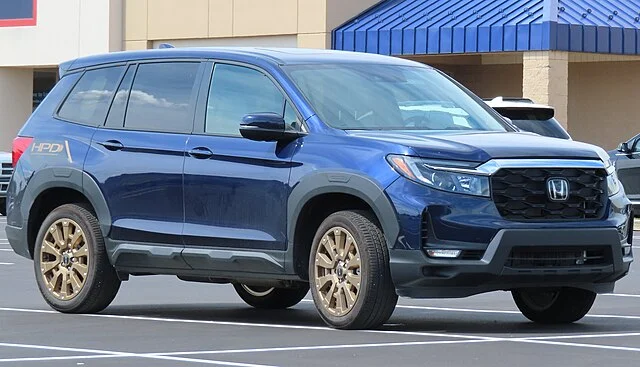
Owners of the 2019 and 2020 Honda Passport frequently reported widespread electrical issues, including infotainment system glitches, adaptive cruise control malfunctions, and various sensor failures. These often required multiple dealership visits and software updates to resolve, impacting owner satisfaction.
How do transmission problems manifest in the older Passports, and how costly are repairs?


Transmission issues in first-generation Passports typically appear as harsh shifting, slipping gears, or complete failure, often around 70,000-100,000 miles. Repairs, including full replacements, can be extremely costly, often exceeding the vehicle’s market value.
Are there any engine-specific concerns for the Honda Passport models to avoid?
While not as universally problematic as transmissions in the first-gen, some first-gen Passport owners reported engine oil leaks and head gasket issues with the 3.2L V6. For the third-gen, the 3.5L V6 is generally robust, but early models can have accessory component issues.
What should I look for during a pre-purchase inspection on a 2019-2020 Passport?
During an inspection for a 2019-2020 Passport, pay close attention to the infotainment system’s responsiveness, check all electrical accessories, and ensure there are no persistent warning lights on the dash related to driver-assist systems. Reviewing service records for recurring electrical complaints is also crucial.
Are later third-generation (2021+) Honda Passports considered more reliable than earlier ones?
Yes, generally, the 2021 and newer Honda Passport models have addressed many of the initial electrical and software bugs present in the 2019-2020 versions. While no vehicle is perfect, these later models have fewer widespread complaints and offer better overall long-term reliability.