Can I Use Laundry Detergent to Wash My Car? Here’s the Risk
Last Updated on August 8, 2026 by Albert Duke
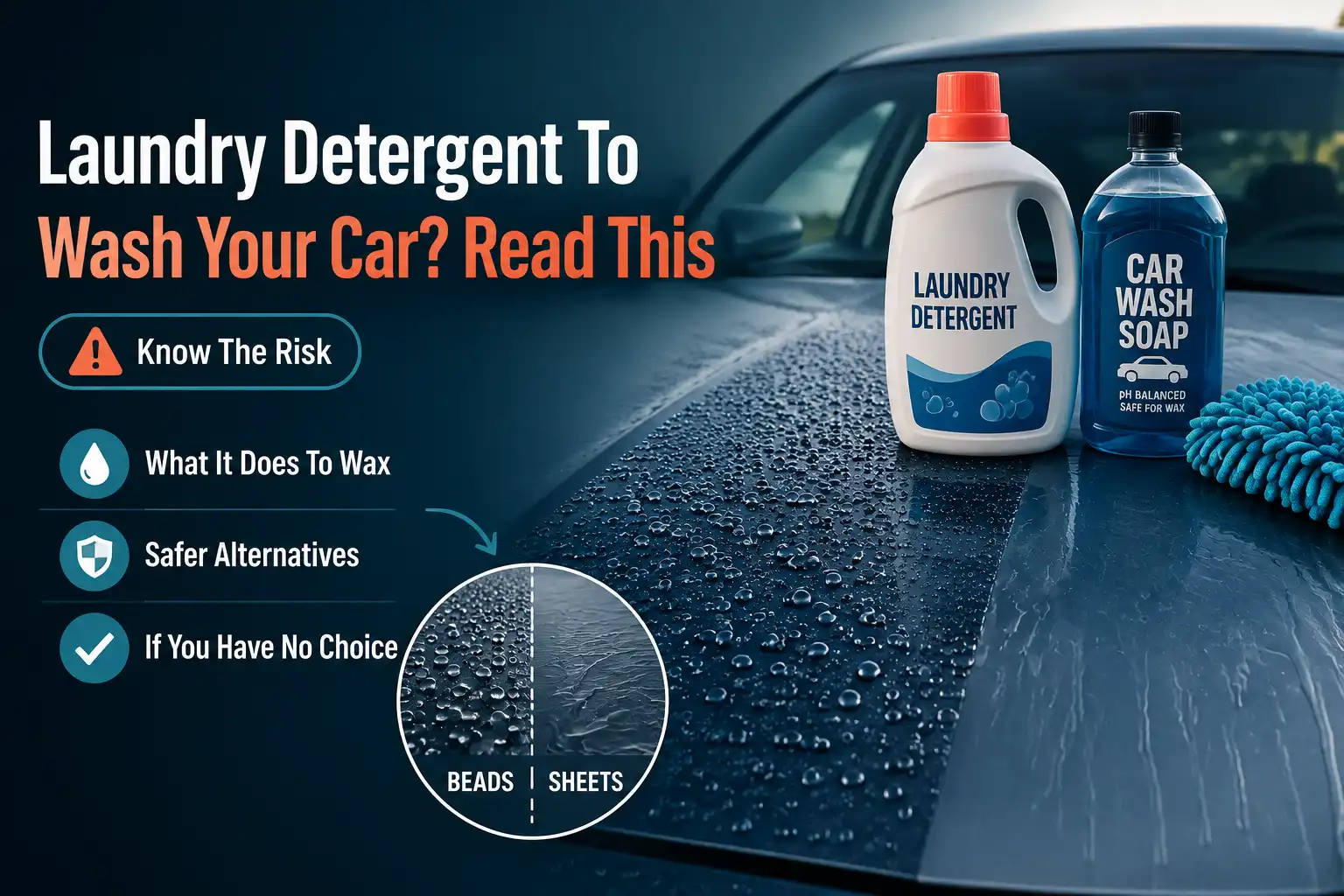
No, laundry detergent isn’t recommended for washing a car, though a single wash likely won’t ruin your paint outright. The bigger issue is what happens with repeated use, since laundry detergent is formulated to strip grease and stains from fabric, not to work with a car’s wax, clear coat, and rubber trim.

Prime for Young Adults — 6 Months Free
Students and 18–24s get six months of Prime free, then half price.
Start 6 Months FreeIf you’re out of car soap and need to wash today, there are better fallback options than laundry detergent. Here’s why it’s not ideal, what actually happens if you use it, how to tell if past washes have already taken a toll, and what to reach for instead if you want to keep your car’s finish looking its best.
Why Laundry Detergent Isn’t Made For Car Paint
Recommended Best Deal Products


Laundry detergent is engineered to be aggressive. It needs to break down oil, grease, and set-in stains on fabric, which means it’s formulated with strong surfactants and often an alkaline pH, neither of which a car’s exterior finish is designed to handle.
Car wash soap, by contrast, is generally pH-neutral and formulated specifically to lift dirt without disturbing a coat of wax or sealant underneath. A cleaning resource comparing household alternatives to car soap notes that laundry detergent’s degreasing chemicals can deteriorate a car’s exterior coat and protective wax, and dull the paint job over repeated use.
This is the core mismatch. What makes laundry detergent effective on clothes, breaking down oils and lifting them out of fibers, is exactly what makes it a poor match for a painted, waxed surface that’s meant to repel water and grime rather than absorb and release it.
What Happens If You Use It Anyway
A single wash with laundry detergent is unlikely to cause visible, immediate damage to most cars. Where it becomes a real problem is with repeated use, or leaving it to dry on the surface without a thorough rinse right after washing.
Laundry detergent also doesn’t rinse off as cleanly as dedicated car soap. A car care resource notes that laundry detergent isn’t designed to rinse off as easily as car wash soaps, which can leave a residue that makes the car look streaky or spotty and attracts more dirt and grime. Over multiple washes, that stripped wax layer leaves the paint more exposed to UV damage, road grime, and oxidation, which shows up as a duller finish over time rather than an obvious one-time mark.
This slow, cumulative fade is part of why the issue is easy to miss at first. The car doesn’t look damaged after one wash, so it’s tempting to keep using whatever is on hand instead of restocking proper car soap.
Rubber Seals Trim And Plastic Risk
Recommended Best Deal Products


Paint isn’t the only surface at risk. Door seals, plastic trim, and vinyl accents also aren’t formulated to handle laundry detergent’s chemistry. Repeated exposure can dry these materials out, leading to cracking and fading that’s separate from anything happening to the paint itself.

Audible — Listen Free for 30 Days
One free credit a month and thousands of titles included.
Listen Free for 30 DaysThis risk compounds with regular use rather than a single wash, but it’s worth factoring in if laundry detergent becomes a repeated go-to rather than a one-time emergency substitute. Weatherstripping around doors and windows is especially prone to drying out, and a cracked seal can eventually lead to water leaks or wind noise that costs more to fix than a bottle of proper car soap would have in the first place.
How To Tell If Detergent Already Damaged Your Car
If you’ve already washed with laundry detergent a few times and are wondering whether it’s affected your car, a few signs are worth checking. Run your hand across the paint after a wash; a properly waxed surface should feel smooth and slightly slick, while stripped paint often feels rougher or squeaky under a clean hand.
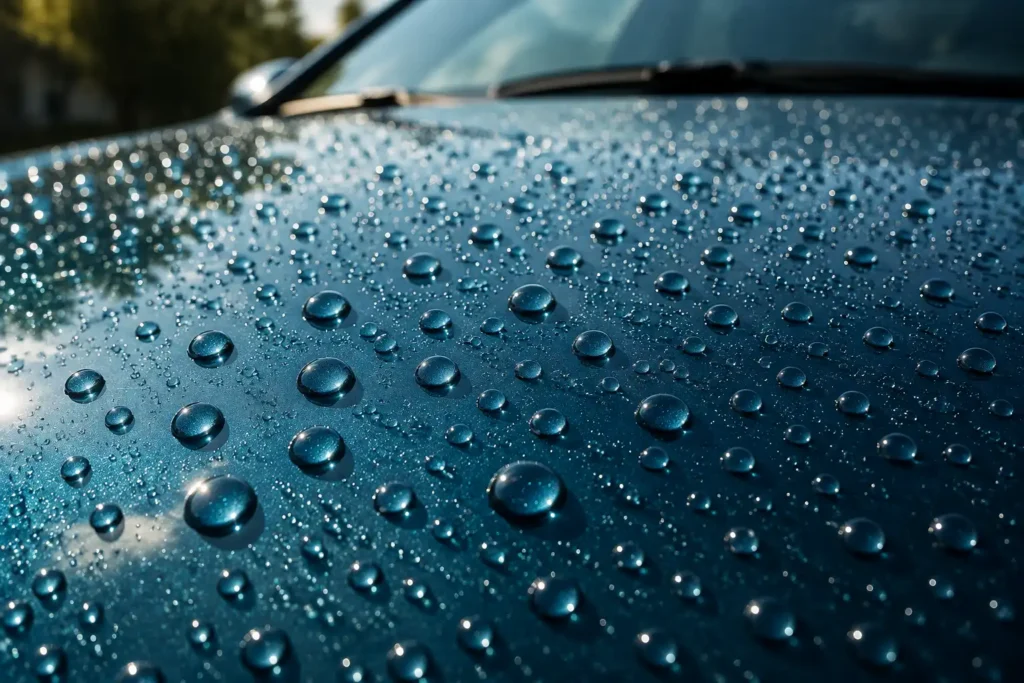
Water beading is another simple test. Splash a small amount of water on the hood and watch how it behaves. Wax-protected paint causes water to bead up and roll off, while paint with stripped protection tends to sheet across the surface in a flat layer instead.
If You Have No Other Option
Recommended Best Deal Products


- Dilute the detergent heavily with water, using far less than you’d think, rather than a strong concentrated mix. A capful in a full bucket of water goes a long way further than it seems like it should.
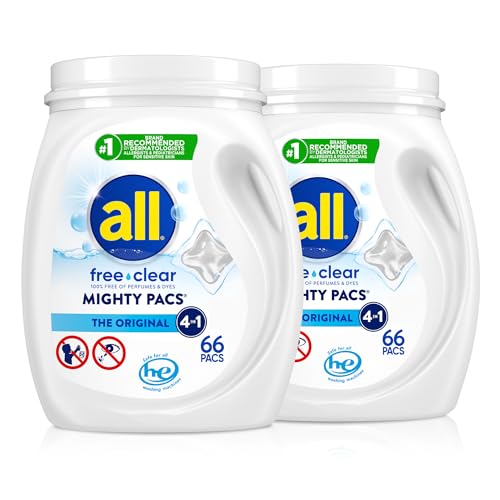
- Choose a mild, natural, or free-and-clear formula if you have one on hand, avoiding heavily scented or dye-added versions, which often carry additional additives that leave more residue behind.
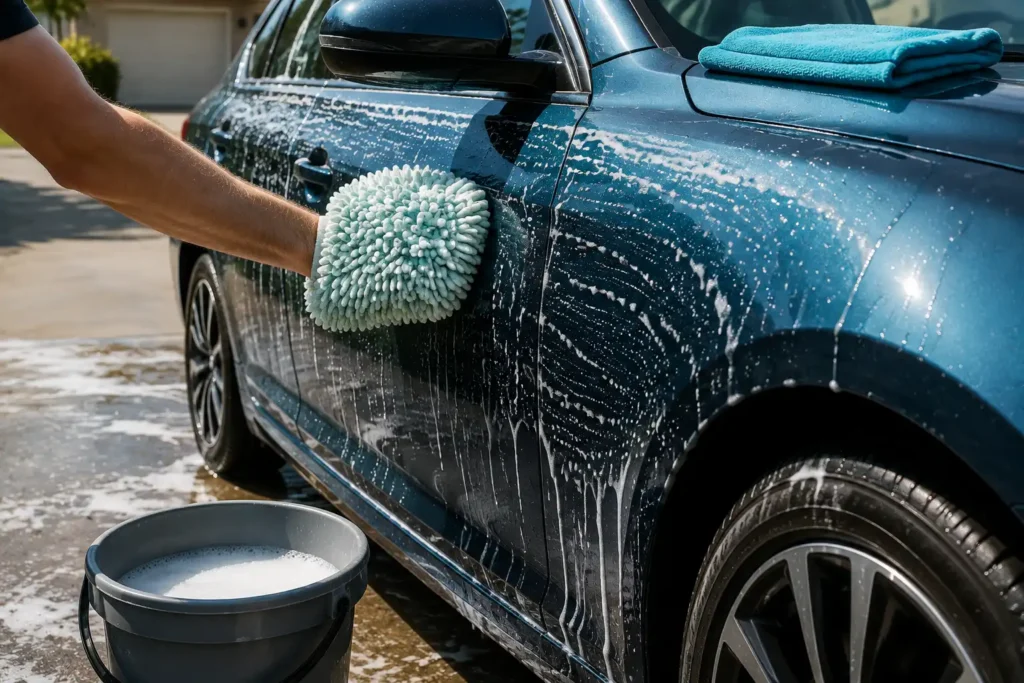
- Wash one panel at a time and rinse thoroughly before it has a chance to dry on the surface, since dried detergent residue is harder to fully remove than a fresh, wet rinse.
- Dry the car promptly with a clean microfiber towel rather than letting it air dry, which reduces the chance of streaking and water spots.
- Reapply wax or a spray sealant as soon as possible afterward to help restore the protective layer the wash may have partially stripped.
Better Household Alternatives To Car Soap
If you’re weighing what’s actually in your cabinet, some options are meaningfully gentler than others. Ranked from safest to riskiest as a car soap substitute:
- Diluted mild dish soap: Still not ideal for regular use, but our breakdown of whether Dawn or Palmolive is safe to wash your car covers which specific formulas are less harsh and how to dilute them properly.
- Baby shampoo: Generally the gentlest common household option, formulated to be mild enough for sensitive skin, which also makes it easier on wax and rubber trim alike.
- Laundry detergent: The most aggressive of the common substitutes, best treated as a last resort rather than a routine option, and only in a heavily diluted form.
None of these fully replace a dedicated car wash soap for regular use. Our guide to the best household soap for washing a car can help you find something that actually protects the finish instead of stripping it, without needing to raid the laundry room every time you want a clean car.
Car Wash Alternative Quick Reference
| Product | Risk Level | Best Use Case |
|---|---|---|
| Dedicated car wash soap | Low | Regular, routine washing |
| Baby shampoo | Low to moderate | Occasional substitute in a pinch |
| Diluted mild dish soap | Moderate | Occasional substitute, not routine use |
| Laundry detergent | High | Genuine emergency only, heavily diluted |
Laundry Detergent Car Wash FAQ
Will one wash with laundry detergent ruin my paint?
No, a single wash is very unlikely to cause visible, lasting damage on its own. The risk builds with repeated use, not a one-time emergency wash, so don’t panic if you’ve already done it once and just want to know what to check for.
Can laundry detergent be used on a ceramic-coated car?
It’s best avoided even more carefully on a ceramic-coated vehicle, since ceramic coatings are a significant investment and harsh detergents can degrade the coating’s hydrophobic properties faster than they would plain wax. If your car has ceramic coating, stick to a pH-neutral soap specifically labeled as ceramic-coating safe whenever possible, and treat laundry detergent as something to avoid entirely rather than an occasional shortcut.
Is powder or liquid detergent worse?
Liquid detergent is generally the safer of the two if you have no other option, since powder formulas can leave undissolved granules that scratch the paint during washing if they don’t fully dissolve in the wash water. If powder is all you have, make sure it’s completely dissolved before it touches the car’s surface, and consider mixing it into your wash bucket well before you start scrubbing rather than sprinkling it directly on the panel.
Does laundry detergent damage tires or wheels?
Tires and wheels are more resilient to laundry detergent than painted body panels, since they’re not relying on a wax or clear coat layer for protection. It’s still worth rinsing thoroughly to avoid residue buildup in wheel crevices, which can attract dirt and grime over time and make future cleaning more difficult.
Audible Premium Plus — Annual Membership
12 audiobook credits up front, plus the full Audible catalogue.
See Annual PlansHow do I remove detergent residue if I already used it?
Rinse thoroughly with plain water, then follow up with a proper car wash soap and a clean microfiber towel to lift any remaining film. Reapplying wax afterward helps restore the protective layer the detergent may have partially stripped, and it’s a good habit to check back in a week or two to see how the finish holds up before deciding whether a deeper detailing treatment is worth it.
Laundry detergent can wash a car in an emergency without immediate disaster, but it’s not a routine substitute for dedicated car wash soap. The chemistry that makes it good at cleaning clothes works against a car’s paint, wax, and trim over repeated use. If you find yourself reaching for it more than once, our best car wash soap and wax guide can help you find something that actually protects the finish instead of stripping it, so a bottle of the right stuff is always on the shelf when you need it.