How to Trade In a Leased Car: Maximize Your Next Deal
Last Updated on September 1, 2026 by Ryan
Trading in a leased car involves understanding its current market value versus your lease payoff amount to determine equity. This equity significantly impacts your next vehicle purchase, making proper calculation crucial for a smooth transition and a better deal.

Amazon Prime — 30-Day Free Trial
Free fast delivery on this order and everything else for 30 days.
Try Prime Free🎯 Key Takeaways
- Understand your exact lease payoff quote.
- Get multiple appraisals for your leased car.
- Accurately calculate positive or negative equity.
- Negotiate trade-in value and new car price separately.
- Review your lease contract for early termination fees.
trade-in-your-leased-car-early.html” target=”_blank” rel=”noopener noreferrer” title=”Trading In Your Leased Car Early: What You Need to Know”>Trading
in a leased car for a new vehicle is a distinct process, fundamentally different from trading a car you own outright. Understanding the exact steps, financial calculations, and potential pitfalls is critical for maximizing your next deal. This isn’t just about handing over keys; it’s about strategically navigating your lease contract, market values, and dealership interactions to ensure you don’t leave money on the table or inadvertently roll significant debt into your new agreement.
Successfully trading a leased car requires precise knowledge of your current lease terms and the vehicle’s true market worth. By mastering these details, you can turn a potentially complex transaction into a financially advantageous move, setting yourself up for a better deal on your new car or lease.
Understanding Lease Equity and Payoff Calculations
Your journey begins by understanding the financial heart of your leased vehicle: its equity. Unlike a financed car where equity simply means how much more the car is worth than you owe, a leased car’s equity calculation is tied to a specific “payoff quote” from your leasing company. This crucial figure determines whether your vehicle has positive or negative value when considering a trade.
Determining Your Lease Payoff Quote
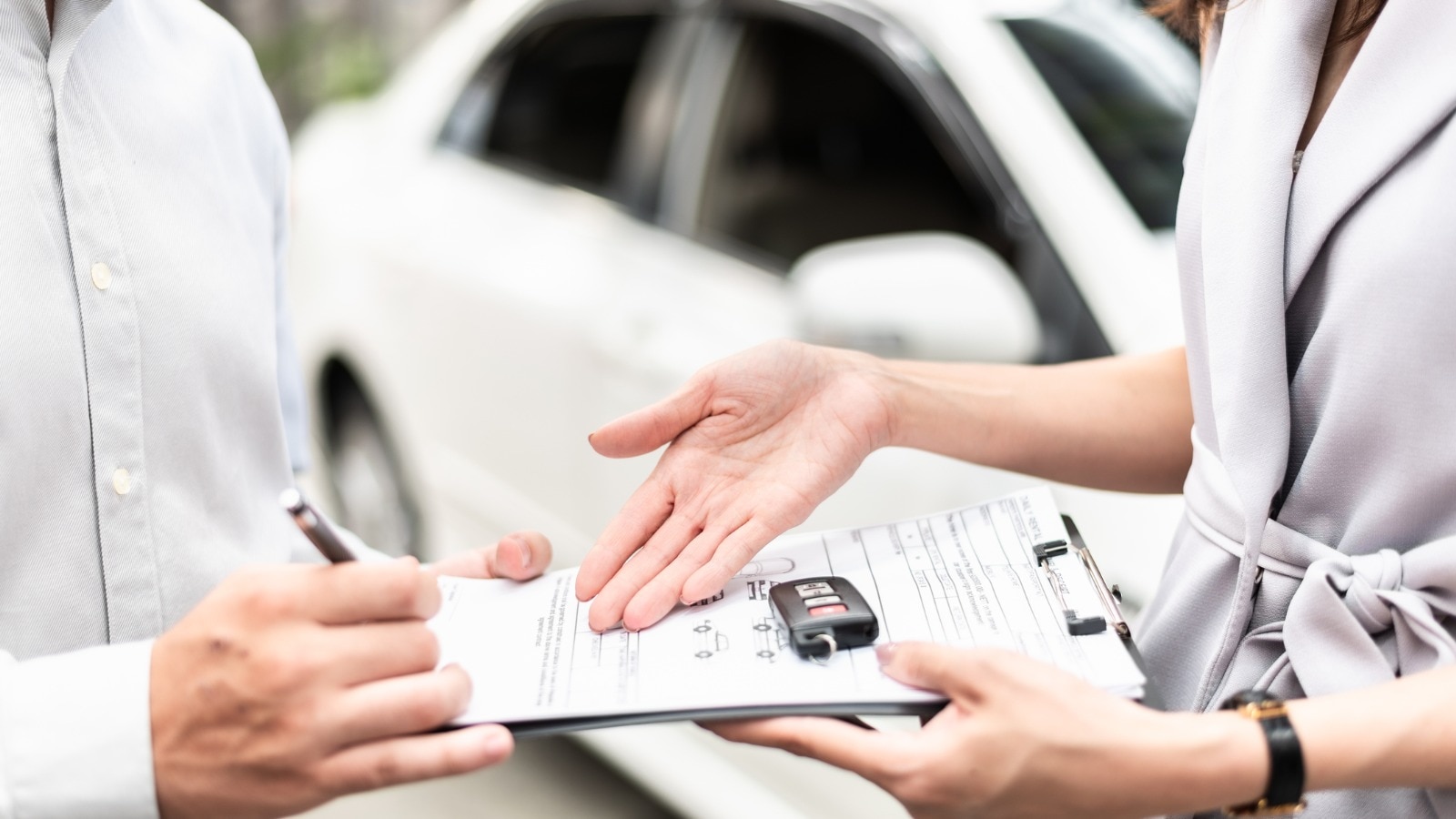
The first and most critical step is obtaining your precise lease payoff quote. This is not the residual value listed in your contract, nor is it simply the sum of your remaining monthly payments. Your leasing company provides this specific figure. You can typically get it by logging into your leasing company’s online account portal or by calling their customer service line directly. When requesting, specify that you need the “dealer payoff” or “buyout quote” for a third-party purchase, as this can sometimes differ slightly from your personal buyout price due to sales tax considerations or other fees.
This quote encapsulates everything you owe the leasing company to fully purchase the vehicle today. It includes your remaining lease payments, the predetermined residual value, and any applicable sales tax on the residual (depending on your state’s laws). It also often includes a purchase option fee, which is a small administrative charge for buying out the lease. Understand that this number is dynamic; it changes daily as your lease progresses. Always secure a current, valid quote with a specific expiration date before proceeding with any dealership discussions. For example, if your car has a residual value of $25,000 and six months left at $400/month, your payoff might be $27,500 due to included fees and state sales tax on the residual, not just $27,400 ($25,000 + $2,400).
Calculating Positive or Negative Equity
Once you have your official lease payoff quote, the next step is to determine your car’s current market value. This requires getting a legitimate appraisal. You can do this through online valuation tools like Kelley Blue Book or Edmunds, but the most accurate way is to get actual trade-in offers from multiple dealerships, including the one you plan to buy from. These offers represent what a dealer is willing to pay for your car right now.
Your equity is then a straightforward calculation: Trade-in Value (Dealership Appraisal) - Lease Payoff Quote = Lease Equity
- Positive Equity: If the trade-in value is higher than your payoff quote, you have positive equity. This surplus acts as a down payment or credit towards your new vehicle, reducing its overall cost or your monthly payments. For instance, if your car appraises for $30,000 and your payoff is $28,000, you have $2,000 in positive equity.
- Negative Equity: If your payoff quote is higher than the trade-in value, you have negative equity. This deficit means your car is worth less than what you owe the leasing company. This negative amount will need to be paid off or rolled into the financing of your new vehicle, increasing your loan or lease amount and subsequent payments. If the appraisal is $28,000 and the payoff is $30,000, you have $2,000 in negative equity that would add to your new car’s cost.
Mastering Your Lease Trade-In: The Ultimate Walkthrough
Navigating the end of a car lease can feel like a complex maze, especially when you’re considering trading it in for a new vehicle. This comprehensive, step-by-step guide is designed to demystify the process, empower you with knowledge, and help you secure the best possible deal. By following these instructions diligently, you’ll avoid common pitfalls, understand your financial position clearly, and confidently drive away in your next car without unnecessary stress or unexpected costs.

Audible — Listen Free for 30 Days
One free credit a month and thousands of titles included.
Listen Free for 30 DaysStep 1: Review Your Lease Agreement & Current Standing
What you need: Your original lease agreement, the most recent statement from your leasing company, and your car’s current odometer reading.
Instructions: Begin by thoroughly re-reading your lease contract. Pay close attention to the lease end date, the agreed-upon mileage limit, and any stipulations regarding wear and tear. Note down the residual value (the predetermined purchase price of the car at the end of the lease). Compare your current mileage against the pro-rated limit for your remaining lease term. Understand any early termination clauses or penalties. This foundational step ensures you know the rules before playing the game.
Pro Tip: Don’t just estimate your mileage. Physically check your odometer. Exceeding your mileage allowance significantly can create costly penalties that will impact your trade-in value, so be aware of any potential overages.
Step 2: Assess Your Vehicle’s Condition & Research Market Value
What you need: Your leased car, a flashlight, a pen and paper or smartphone for notes, and access to online valuation tools (e.g., Kelley Blue Book, Edmunds, NADAguides).
Instructions: Conduct a comprehensive self-inspection of your vehicle. Look for any damage beyond “normal wear and tear” as defined by your lease agreement – this includes significant dents, scratches, cracked windshields, and tire tread depth below 4/32nds of an inch. Note down any issues. Then, use online valuation tools to get an estimated trade-in value for your specific car model, year, trim, and mileage. Input any damage you found to get a more realistic appraisal. Also, look up the private party sale value for comparison.
Pro Tip: Be brutally honest during your self-assessment. Dealerships will meticulously inspect the car. Overlooking minor damages now could lead to a lower trade-in offer later. Getting a professional detail prior to appraisal can subtly boost perceived value.
Step 3: Obtain Your Official Lease Buyout Quote
What you need: Your lease account number and access to your leasing company’s customer service (phone or online portal).
Instructions: Contact your leasing company directly (e.g., Toyota Financial Services, GM Financial, Mercedes-Benz Financial Services) and request a formal “dealer buyout” quote. This is the exact amount a dealership would need to pay your leasing company to purchase the car outright. This figure is crucial because it includes your residual value plus any remaining payments and potentially a purchase option fee. This quote is usually valid for a specific period (e.g., 5-10 days), so note the expiration date.
Pro Tip: Do not confuse the “dealer buyout” quote with your “consumer buyout” quote. The dealer buyout is often slightly lower, as it excludes certain fees that would apply if you were buying the car yourself. Always specify you need the “dealer buyout” figure.
Audible Premium Plus — Annual Membership
12 audiobook credits up front, plus the full Audible catalogue.
See Annual PlansStep 4: Solicit Multiple Trade-In Appraisals from Dealerships
What you need: Your vehicle, the official dealer buyout quote, and your self-assessment notes from Step 2.
Instructions: Visit at least three different dealerships to get trade-in appraisals. Start with a dealership that sells your current brand (they often have incentives for lease returns/trade-ins) but also visit independent used car dealers and dealerships selling different brands. Present your car for appraisal, but initially withhold the lease buyout quote. Let them appraise the car based on its condition. Once they give you an offer, then you can mention it’s a leased vehicle and provide the buyout quote from Step 3.
Pro Tip: Be prepared to walk away if an offer feels too low. Dealership appraisals can vary wildly. Don’t feel pressured to commit on the spot. If they ask about your desired new car, try to keep the trade-in discussion separate from the new car negotiation initially to avoid muddying the waters.
Step 5: Calculate Your Equity or Deficit
What you need: All the trade-in offers you received, your official lease buyout quote, and a calculator.
Instructions: This is the moment of truth. For each trade-in offer, subtract your official dealer buyout quote (from Step 3) from the dealership’s trade-in appraisal (from Step 4).
- If the trade-in offer is GREATER than the buyout quote, you have “positive equity.” This positive amount can be used as a down payment on your new car, effectively reducing its price.
- If the trade-in offer is LESS than the buyout quote, you have “negative equity” (also known as being “upside down”). This means you’d owe money to the leasing company, and that amount would typically be rolled into the financing of your new car, increasing its cost.
Identify the dealership offering the highest positive equity or the lowest negative equity.
Pro Tip: Don’t just focus on the trade-in value in isolation. The goal is to minimize your out-of-pocket expense or maximize the credit toward your new vehicle. Sometimes a lower trade-in offer might come with a better deal on the new car, so consider the “net cost” of the entire transaction.
Step 6: Negotiate and Structure Your New Car Deal
What you need: Your calculated equity/deficit, the best trade-in offer, and your desired new car’s pricing information.
Instructions: With your best trade-in offer in hand, approach the dealership where you intend to purchase your new vehicle. Clearly state that you are trading in a leased vehicle and present your calculated equity or deficit. If you have positive equity, ensure it’s applied directly to the purchase price or as a down payment on your new car. If you have negative equity, discuss how it will be absorbed into the new car’s financing. Negotiate the price of the new car independently first, then discuss the trade-in, and finally, the financing terms. Aim to get the total “out-the-door” price, including all taxes and fees.
Pro Tip: Be firm but polite. Dealerships often try to blend the trade-in value and the new car price, making it hard to see where you’re getting a good deal. Insist on negotiating each component separately: first the new car price, then the trade-in value for your leased car, and finally, the finance rate.
Step 7: Finalize the Paperwork and Lease Transfer
What you need: Your driver’s license, proof of insurance, current lease agreement, new car purchase agreement, and any trade-in documents.
Instructions: Once you’ve agreed on all terms, carefully review all the final paperwork. Ensure the trade-in value for your leased car is accurately reflected and that any positive equity is applied correctly or negative equity is financed as agreed. Verify the new car’s purchase price, interest rate, and total loan amount. The dealership will handle the administrative process of paying off your lease to the leasing company and transferring ownership. Make sure you receive a clear confirmation that your lease account has been closed and the payoff completed on your behalf.
Pro Tip: Before signing, ask for a copy of the payoff request sent to your leasing company and confirmation that your account will be closed. This protects you from future billing errors. Never drive off the lot with a new car until all paperwork for both the new purchase and the lease trade-in is fully executed and understood.
✅ Final Checklist
- ✅ Your original lease agreement has been thoroughly reviewed and understood.
- ✅ An official “dealer buyout” quote has been obtained directly from your leasing company.
- ✅ At least three independent trade-in appraisals have been secured from different dealerships.
- ✅ Your total equity or deficit (trade-in offer minus buyout quote) has been clearly calculated.
- ✅ All terms of the new car purchase and lease trade-in have been reviewed and agreed upon in writing.
Important Notes:
- Safety Considerations: While trading in a car isn’t inherently dangerous, be cautious about signing documents under pressure without fully understanding them. Never feel rushed.
- When to Seek Professional Help: If your lease agreement has complex clauses, you’re facing significant negative equity, or you’re unsure about the legality of any part of the deal, consider consulting a financial advisor or an automotive legal expert. They can review documents and advise on the best course of action.
- Estimated Time and Cost Range: The entire process, from initial research to driving away in a new car, can take anywhere from 1-3 weeks depending on how quickly you secure appraisals and make decisions. Costs primarily involve potential negative equity being rolled over, minor fees from the dealership for processing, or the cost of repairs if you opt to fix damages before appraisal. There are generally no direct upfront costs for the trade-in process itself, beyond your time.
Strategic Timing and Contractual Considerations
The timing of your trade-in significantly impacts its financial outcome. Deciding when to trade in your leased car involves assessing your contract’s remaining term and your vehicle’s current mileage, both of which can influence its market value and your overall financial position.
Assessing Your Lease End Date and Mileage
Trading in a leased car typically occurs before your lease contract officially expires. The ideal timing depends on market conditions and your car’s depreciation curve. If your vehicle’s market value has appreciated, or at least depreciated less than projected, you might find yourself in a positive equity position well before your lease ends. Conversely, if values have fallen, waiting longer could exacerbate negative equity unless market conditions shift favorably.
Your current mileage is another critical factor. If you are significantly under your allotted mileage, your car’s market value might be higher than anticipated, contributing to potential positive equity. Dealers value lower-mileage vehicles more. However, if you are nearing or exceeding your mileage allowance, trading it in can be advantageous as it prevents you from incurring explicit overage fees that would apply if you simply returned the car at lease end. While an over-mileage car will fetch a lower trade-in value, trading it proactively allows you to absorb that cost within the new deal rather than paying a separate penalty. Always consider your vehicle’s overall condition; excessive wear and tear will reduce its trade-in value, just as it would for a purchased car.
Early Termination Implications
When you trade a leased car to a dealership, you are, by definition, ending your lease early. However, this is distinct from a “broken” lease where you simply walk away. In a trade-in scenario, the purchasing dealership acts as the third party that buys the vehicle directly from your leasing company at the agreed-upon payoff quote. You do not directly pay typical early termination penalties or disposition fees in the traditional sense.
The beauty of a trade-in is that the payoff quote you received from your leasing company already bundles all financial obligations. This includes remaining payments, the residual value, and any purchase option fees. Sometimes, even what might be considered an “early termination charge” is implicitly accounted for within the comprehensive payoff figure the leasing company provides for a third-party buyout. Your primary financial concern shifts to the difference between your trade-in value and this all-inclusive payoff. If you were to simply return your car early without trading it, you would face specific, often substantial, early termination fees explicitly detailed in your lease agreement. Trading avoids these direct penalties by transferring ownership through the dealership, streamlining the process into a single transaction.
<h2>Financial Implications of Trading a Leased Vehicle</h2>
<p>Understanding the financial nuances of trading in a leased car is paramount. It’s not just about the dealer’s offer; it’s about your lease agreement and the market realities. Grasping these details helps you avoid surprises and ensures you walk away with the best possible deal.</p>
<h3>Understanding Lease Buyout vs. Market Value</h3>
<p>When you trade in a leased car, the dealership essentially buys out your lease. This involves them paying the <strong>lease buyout price</strong> (also known as the residual value plus any remaining payments and fees) directly to your leasing company. The key to financial success lies in comparing this buyout price to your car’s <strong>current market value</strong>.</p>
<ul>
<li>If your car’s market value is <em>higher</em> than your buyout price, you have <strong>positive equity</strong>. This equity acts like a down payment on your next vehicle, potentially reducing your new loan amount or lease payments.</li>
<li>If the market value is <em>lower</em> than your buyout price, you have <strong>negative equity</strong>. This means you’ll owe the difference, which will typically be rolled into your new car financing, increasing your payments.</li>
</ul>
<p><em>For example, if your lease buyout is $20,000, but your car is currently worth $23,000 on the market, you have $3,000 in equity. This is fantastic! However, if it’s only worth $18,000, you’re $2,000 underwater.</em></p>
<h3>Fees and Remaining Payments</h3>
<p>Trading in your leased vehicle can help you sidestep some fees associated with simply returning it. For instance, the <strong>disposition fee</strong>, a charge for cleaning and preparing the vehicle for resale, is typically waived when a dealership buys out your lease.</p>
<p>Your <strong>remaining monthly payments</strong> are another factor. When a dealership facilitates a trade, they take over the responsibility for these payments as part of the buyout. They don’t disappear; rather, they are factored into the overall valuation the dealer gives you. This is why getting your exact buyout quote, which includes any remaining payments and potential early termination fees (less common in a dealer buyout), is so crucial. A comprehensive understanding prevents any hidden costs from eroding your perceived trade value.</p>
&h2>Navigating Dealerships and Maximizing Your Trade Value</h2>
<p>Walking into a dealership armed with knowledge is your biggest asset. Dealers are in the business of making money, and while a trade-in can be convenient, smart negotiation is key to ensuring you get a fair deal. Approach the process strategically to maximize what your leased vehicle is worth.</p>
<h3>Get Multiple Valuations</h3>
<p>Never settle for the first offer you receive for your leased car. Just as you wouldn’t buy a new car without shopping around, you shouldn’t trade in without multiple valuations. Leverage various resources to get a clear picture of your car’s worth:</p>
<ul>
<li><strong>Online Appraisal Tools:</strong> Websites like Kelley Blue Book (KBB), Edmunds, and NADAguides offer instant trade-in estimates based on your car’s specifics.</li>
<li><strong>Online Car Buyers:</strong> Companies like Carvana and Vroom often provide competitive instant cash offers for leased vehicles, which can serve as an excellent benchmark.</li>
<li><strong>Multiple Dealerships:</strong> Visit at least 2-3 different dealerships – not just the brand of your current lease or your desired new car. Some dealerships might be more aggressive with used car acquisitions than others.</li>
</ul>
<p><em>Having multiple offers in hand gives you solid leverage. If one dealer offers $21,000 for your trade and another offers $23,000, you have strong evidence to negotiate with the first dealer.</em></p>
<h3>Negotiating Your Trade Separately</h3>
<p>This is perhaps the most crucial negotiation tactic: <strong>separate the deal for the new car from the deal for your trade-in.</strong> Dealerships often try to blend these two transactions, allowing them to adjust numbers in one area to compensate for another, making it difficult for you to discern the true value you’re receiving.</p>
<p>Your best approach is to:</p>
<ul>
<li>First, negotiate the absolute best price on the new vehicle you intend to purchase or lease.</li>
<li>Once you have a firm, agreed-upon price for the new car, then introduce your trade-in. Ask for their best offer for your leased vehicle.</li>
</ul>
<p><em>By isolating these negotiations, you ensure you’re getting a fair price for both transactions. If a dealer tries to lowball your trade, you’ll know it immediately because you’ve already locked in your new car price, preventing them from “making up” the difference elsewhere.</em> This strategy empowers you to walk away from a poor trade offer without jeopardizing your new car deal.</p>
&h2>Conclusion</h2>
<p>Trading in a leased car doesn’t have to be a mystery. By understanding your lease agreement, researching your car’s true market value, and approaching dealerships with a clear strategy, you can transform a potentially complex process into a confident transaction. Remember, knowledge is power when it comes to any automotive deal.</p>
<p>Take the proactive steps: secure your exact lease buyout quote and gather multiple market valuations for your vehicle. Armed with this information, you’ll be well-positioned to negotiate effectively. Don’t leave money on the table; maximize your next deal and drive away satisfied!</p>
❓ Frequently Asked Questions
What’s the first step when considering trading in my leased car?
Begin by contacting your leasing company for an exact lease payoff quote, which includes any remaining payments, residual value, and potential fees. Compare this to your car’s current market value obtained from multiple appraisals to understand your equity position.
How does positive or negative equity from my leased car affect my new car purchase?
Positive equity can be used as a down payment on your new car, reducing its price or monthly payments. Negative equity, however, will be rolled into your new car loan, increasing your overall debt and monthly payments.
Are there specific fees or penalties for trading in a leased car early?
Yes, your lease contract may include early termination fees, disposition fees (if the car isn’t bought out), and potentially remaining payments. Carefully review your lease agreement to understand all associated costs before proceeding.
How do I get the best trade-in value for my leased car?
Research its current market value from sources like Kelley Blue Book, Edmunds, and actual dealer appraisals. Present a well-maintained vehicle, and be prepared to negotiate with multiple dealerships, treating the trade-in as a separate transaction from the new car purchase.
What documentation do I need to trade in a leased car?
You’ll need your lease contract, recent lease statements, the exact payoff quote from your leasing company, your car’s title or registration, and your driver’s license. Having all paperwork ready streamlines the process with the dealership.
Is it better to trade in my leased car mid-lease or closer to the end?
The optimal timing depends heavily on your car’s market value relative to your lease payoff and any early termination fees. If your car has significant positive equity mid-lease, it might be advantageous; otherwise, waiting closer to the end can minimize financial penalties.