Proven Steps How to Negotiate a Car Deal in 2026
Last Updated on September 1, 2026 by Albert Duke
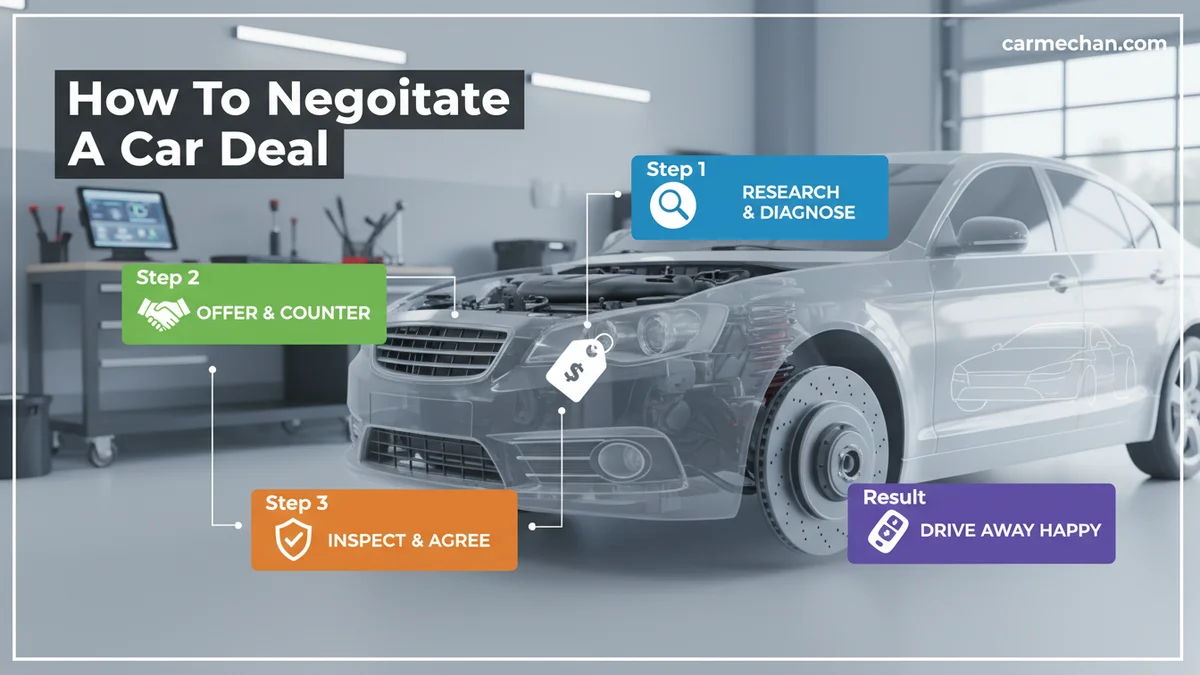
Knowing how to negotiate a car deal effectively involves thorough preparation, understanding dealership tactics, and confidently advocating for your best price. By researching market value and practicing key negotiation strategies, you can secure a favorable vehicle purchase.
Knowing how to negotiate a car deal effectively involves thorough preparation, understanding dealership tactics, and confidently advocating for your best price. By researching market value and practicing key negotiation strategies, you can secure a favorable vehicle purchase.
Key Takeaways
- Research car market value before visiting dealerships.
- Focus on the ‘out-the-door’ price, not just monthly payments.
- Be prepared to walk away if the deal isn’t right.
- Understand common dealership sales tactics to counter them.
- Consider all aspects, including trade-in and financing options.
The most effective way to know how to negotiate a car deal is through strategic preparation, understanding sales tactics, and confidently applying proven negotiation techniques. This guide offers practical, research-informed steps to empower you in your vehicle purchase in 2026.
Success in car negotiation comes from knowledge, patience, and unwavering confidence. You can save hundreds, if not thousands, of dollars by mastering these essential strategies.
This preparation forms the bedrock of a successful negotiation, leading us to how you can effectively research your ideal vehicle price.
Key Takeaways
Recommended Best Deal Products


- Research car market value before visiting dealerships.
- Focus on the ‘out-the-door’ price, not just monthly payments.
- Be prepared to walk away if the deal isn’t right.
- Understand common dealership sales tactics to counter them.
- Consider all aspects, including trade-in and financing options.
How to Prepare for Successful Car Negotiation
Effective negotiation begins long before you step onto the dealership lot, with thorough preparation being your greatest asset. Arming yourself with information helps you approach any deal from a position of strength.

Research Market Value
Before engaging with any salesperson, understand the true market value of your desired vehicle. Use reliable sources like Edmunds or Kelley Blue Book to identify fair prices for both new and used cars.
This research helps you determine a realistic target price. For new cars in 2026, many buyers successfully negotiate off the Manufacturer’s Suggested Retail Price (MSRP) by leveraging competitive data. Checking vehicle valuation tools provides a solid baseline for your negotiations.
Understand Your Financing
Secure pre-approved financing from your bank or credit union before visiting the dealership. This provides a crucial benchmark for interest rates and loan terms.
Knowing your financing options beforehand separates the car price negotiation from the financing discussion. This strategy prevents dealerships from manipulating numbers to inflate profits on the loan or the car itself. Explore various car loan options to find the best fit.
Evaluate Trade in Value
If you have a trade-in vehicle, obtain independent appraisals of its value from multiple sources. Online tools and other dealerships can provide a fair estimate.
Keep your trade-in a separate discussion until you have agreed on the price of the new car. This prevents dealerships from blurring the lines between the two transactions. Knowing your car’s true value ensures you receive a fair offer for your current vehicle.
With a solid understanding of your car’s value and your financial standing, you are now equipped to deploy effective strategies during the negotiation itself.
5 Key Strategies to Negotiate Car Price
Recommended Best Deal Products


Once prepared, employing the right strategies during your car deal negotiation is critical to securing the best possible price. These tactics empower you to maintain control and achieve a favorable outcome.
Focus Out the Door Price
Always negotiate the “out-the-door” (OTD) price, which includes the vehicle price, taxes, fees, and any additional charges. Focusing solely on monthly payments can lead to inflated total costs and hidden fees.
Request an itemized OTD price breakdown early in the negotiation. This transparency ensures you understand every component of the final cost. Insist on clarity before agreeing to anything.
Get Multiple Dealer Quotes
Contact several dealerships, preferably online or by phone, to obtain competitive quotes for the exact vehicle you want. Use these quotes as leverage against other dealerships.
Research shows that buyers who solicit multiple quotes can significantly improve their final price. Getting multiple bids for the same vehicle can save an average of according to consumer reports. Comparing multiple offers creates a competitive environment among sellers.
Be Ready to Leave
Your most powerful negotiation tool is your willingness to walk away if the deal isn’t satisfactory. This demonstrates that you are not desperate and are prepared to find a better offer elsewhere.
Sometimes, leaving the dealership can prompt them to call you back with an improved offer. Do not feel pressured to make a quick decision. Your patience can pay off handsomely.
Leverage Financing Offers
Use your pre-approved financing as a negotiating chip. If the dealership offers a better interest rate, great; otherwise, stick with your pre-approved loan.
Remember to separate the car price negotiation from the financing negotiation. Ensure any financing offers from the dealership are truly competitive and do not obscure the vehicle’s true cost.
Know Your Desired Outcome
Before you even step into the dealership, establish your maximum acceptable OTD price and stick to it. This clear boundary prevents emotional decision-making.
Having a firm number in mind keeps you focused during potentially lengthy discussions. You will negotiate more effectively when you know precisely what you are aiming for. Define your budget clearly before starting the process.
While these strategies empower you, understanding the dealership’s playbook is equally crucial for a successful car deal.
What Dealership Sales Tactics Should You Expect
Dealerships use various established sales tactics designed to maximize their profit, making it essential for you to recognize and counter them. Being aware of these methods helps you maintain control.

Recognize the Four Square
The “Four-Square” method is a common tactic that breaks down the deal into four boxes: vehicle price, trade-in value, down payment, and monthly payment. This complexity makes it difficult to track individual numbers.
Insist on negotiating one variable at a time, starting with the new car’s price. Never let them combine all four elements. Address each component separately to avoid confusion and hidden profit margins.
Navigate the Finance Office
After agreeing on a car price, you will be directed to the finance and insurance (F&I) office. This is where additional products like extended warranties or paint protection are heavily pushed.
Be prepared to politely decline these extras. Many of these add-ons have very high profit margins for the dealership. Only consider products you genuinely need and have researched beforehand. Dealerships see significant profit from these additional sales.
Resist Unnecessary Addons
Dealerships often pre-install accessories or services like VIN etching, fabric protection, or nitrogen in tires, then present them as mandatory charges. These items typically have inflated prices and little real value.
Unless you specifically requested an add-on, challenge any charges for them. You have the right to refuse these unwanted extras. Always scrutinize the final sales contract for any unexpected line items. Average profit margin on dealership add-ons can range from .
Equipped with knowledge of dealership tactics, it is also important to recognize that negotiation approaches differ significantly depending on whether you are buying a new or used vehicle.
New Vehicle Versus Used Vehicle Negotiations
Recommended Best Deal Products


The negotiation process shifts depending on whether you are looking for a brand-new car or a pre-owned vehicle. Each category presents unique considerations and opportunities for saving money.
New Car Considerations
New cars offer the latest technology and no prior owner issues, but they depreciate rapidly. Be aware of manufacturer incentives and rebates, which can significantly lower the price.
Negotiate primarily off the MSRP, factoring in any available manufacturer-to-dealer incentives. New cars typically depreciate by in their first year alone, so factor this into your long-term value assessment. Understand new car depreciation for better financial planning.
Used Car Nuances
Used cars offer greater value retention and lower purchase prices. However, thorough inspection and vehicle history reports are paramount to avoid costly future repairs.
Research the specific used car’s market value based on its year, mileage, and condition. Always insist on a pre-purchase inspection by an independent mechanic. The negotiation margin for used cars is generally wider than for new vehicles.
Certified Pre Owned Value
Certified Pre-Owned (CPO) vehicles combine some benefits of new and used cars. They undergo rigorous inspections and often come with extended warranties from the manufacturer.
While CPO cars cost more than standard used cars, they offer peace of mind with their extended warranties and inspection standards. justify the slightly higher price for many buyers seeking reliability. Learn about CPO program benefits to weigh your options.
Understanding these nuances helps set realistic expectations, but even with the best preparation and strategy, knowing when to end a negotiation is paramount.
When to Walk Away From a Bad Car Deal
The most powerful card you hold in any negotiation is your willingness to simply walk away. Recognizing when a deal isn’t right protects you from making a costly mistake.
If Pressured Heavily
If you feel unduly pressured, rushed, or manipulated by the salesperson or manager, it’s a clear sign to disengage. High-pressure tactics are designed to make you make hasty decisions against your best interest.
A reputable dealership will respect your need for time to consider the offer. Your comfort and confidence in the deal are non-negotiable. Do not succumb to emotional appeals or artificial urgency.
If Terms Are Unclear
If the dealership is unwilling to provide clear, itemized pricing or repeatedly changes the terms of the deal, do not proceed. Transparency is a cornerstone of a fair transaction.
Any ambiguity in the contract, prices, or financing should raise a red flag. Insist on written, straightforward terms before signing anything. Your right to clear information is absolute.
When Better Offers Exist
If, after all your research and negotiations, you know that other dealerships have offered a better price or better terms, be prepared to take your business elsewhere. Loyalty is rarely rewarded in car sales.
Do not let a salesperson convince you that their offer is “the best you’ll get.” Trust your research and your pre-existing quotes. Walking away can often lead to a better deal, either from the same dealership later or from a competitor. Discover how to compare car offers effectively.
Knowing when to walk away ensures you avoid a bad deal, reinforcing the confidence and preparation that underpins successful car negotiations, which we’ll summarize now.
Your Final Steps for a Successful Car Deal
Successfully navigating how to negotiate a car deal in 2026 demands preparation, strategic execution, and an unwavering commitment to your bottom line. By researching thoroughly and understanding dealership tactics, you empower yourself.
Remember to always focus on the “out-the-door” price, be ready to walk away, and leverage your pre-approved financing. Your patience and persistence are your greatest assets in securing the best possible vehicle at a fair price.
Approach your next car purchase with confidence, informed by these proven strategies. You deserve a deal that makes you feel empowered, not exploited.
Frequently Asked Questions About Car Negotiation
What Is the Best Way to Start Negotiating a Car Deal?
The best way to start is by researching the market value of the specific car you want. Knowing what others paid helps you establish a strong opening offer. Focus on the total out-the-door price rather than monthly payments to avoid hidden costs.
How Much Can I Realistically Negotiate Off a Car’s Price?
The amount you can negotiate varies greatly by vehicle and market conditions. For new cars, 5-10% below MSRP is often achievable. Used cars have more flexibility. Researching local prices and dealership inventory provides leverage for significant savings.
Should I Discuss My Trade in Car Value Before or After Negotiating the New Car Price?
Always negotiate the new car price first, as a separate transaction. Introducing your trade-in too early can complicate the deal. Dealerships might inflate your trade-in value while increasing the new car price, making it harder to track true savings.
Is It Better to Pay Cash or Finance When Negotiating a Car?
While cash simplifies the process, financing can sometimes offer better negotiation leverage, especially if the dealership receives incentives from lenders. However, always secure your own pre-approved financing to compare against dealership offers. This gives you strong financial backing.
What Common Mistakes Should I Avoid When Negotiating a Car Deal?
Avoid focusing solely on monthly payments, falling for emotional appeals, or disclosing your maximum budget prematurely. Also, never rush the process. Being patient and willing to walk away are powerful tools. Always read all paperwork carefully before signing.