How Much is a Mercedes-Benz? Prices & Cost Factors (2024)
A new Mercedes-Benz typically starts around $43,000 for an entry-level model like the GLA SUV, with prices extending well over $150,000 for high-performance AMG variants or top-tier electric models. The final cost depends heavily on the specific model, trim level, optional packages, and powertrain choices.
🎯 Key Takeaways
- Expect new Mercedes-Benz prices from $43K to $150K+.
- Entry-level models (GLA, C-Class) offer accessible luxury.
- Options, trims, and AMG variants significantly raise costs.
- Electrification (EQ models) introduces premium pricing tiers.
- Always factor in depreciation and maintenance costs.
If you’re asking “how much is a Mercedes-Benz?”, you’re looking for a straightforward answer about one of the world’s most prestigious automotive brands. For 2024, a brand-new Mercedes-Benz typically starts in the low $40,000s for an entry-level compact model and can extend upwards of $150,000 for top-tier luxury sedans or large SUVs in their standard production variants. This broad spectrum means there’s often a Mercedes-Benz model to fit various budgets, offering a blend of luxury, performance, and advanced technology at each price point.

Understanding this range is crucial for setting your expectations and narrowing down your search. Whether you’re considering your first premium vehicle or upgrading to ultimate luxury, knowing the general pricing tiers and specific model starting costs will empower your car-buying journey. We’ll break down the current market prices for Mercedes-Benz’s most popular sedans, SUVs, and electric vehicles, focusing on their starting manufacturer’s suggested retail prices (MSRPs) for new models.
Understanding Mercedes-Benz Pricing Tiers & Entry Points
The Entry-Level: Your First Mercedes-Benz
Getting into a new Mercedes-Benz is more accessible than many people realize. For 2024, the lowest starting MSRP for a new Mercedes-Benz typically hovers around the $42,000 to $45,000 mark. These entry-level models, such as the GLA SUV or CLA Coupe, provide a genuine Mercedes-Benz experience, packed with premium features, sophisticated design, and cutting-edge infotainment systems. They offer robust safety features and elegant interiors, embodying the brand’s core values in a more compact, city-friendly package. This price point grants you access to the esteemed three-pointed star without the higher cost of their larger siblings.
Broad Price Spectrum: From Accessible to Ultra-Luxury
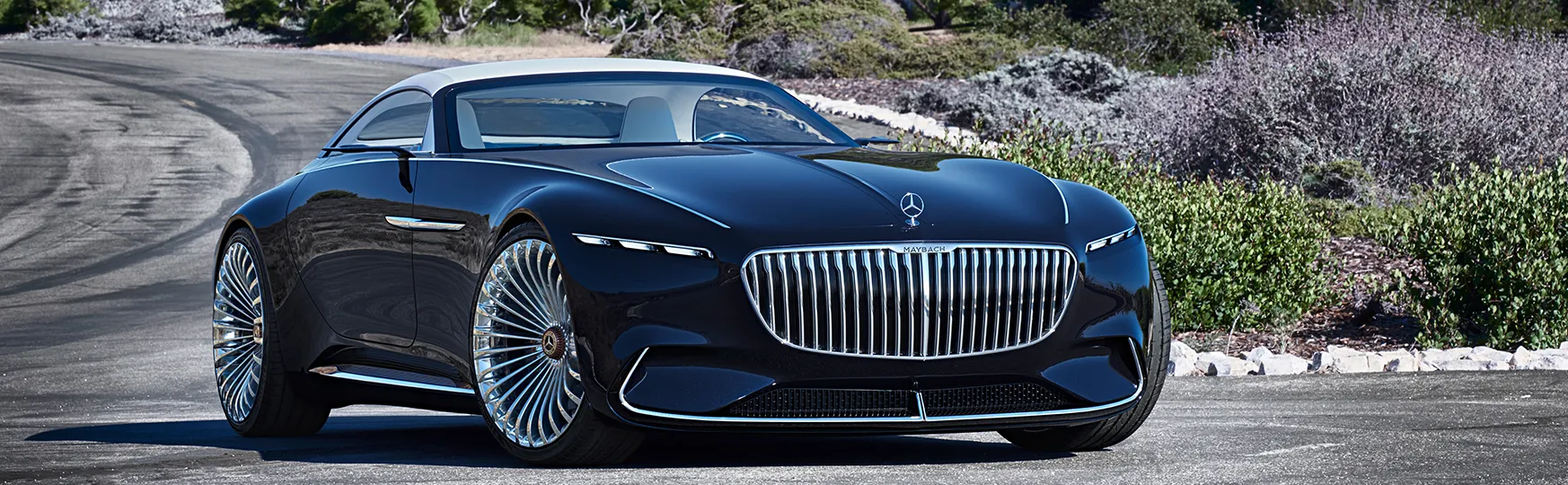
Beyond the entry point, the Mercedes-Benz lineup expands significantly in price, reflecting larger size, increased power, and more luxurious appointments. The typical high-end for standard production Mercedes-Benz vehicles, excluding extremely limited editions or highly customized AMG/Maybach variants, can reach well into the six figures. Mid-range models, from approximately $55,000 to $80,000, include popular choices like the C-Class Sedan, GLC SUV, and E-Class Sedan, offering significant upgrades in space, engine options, and advanced features. At the high-end, roughly $90,000 to $160,000+, you’ll find models like the S-Class Sedan and GLS SUV, showcasing the brand’s best in engineering, comfort, and technological innovation. The S-Class, for example, often starts above $118,000. Even more exclusive Mercedes-Maybach models and specialized high-performance AMG versions can push past $200,000.
Everything You Need to Know About Mercedes-Benz Pricing
Embarking on the journey to purchase a Mercedes-Benz is exciting, but understanding the true cost can be complex. From the initial sticker price to long-term ownership expenses, numerous factors influence the final figure. This comprehensive guide provides a detailed, step-by-step walkthrough to help you navigate the world of Mercedes-Benz pricing, empowering you with the knowledge to make an informed decision and find the perfect luxury vehicle within your budget.
Step 1: Define Your Driving Desires & Budget Blueprint
What you need: A clear understanding of your vehicle preferences (e.g., sedan, SUV, coupe, electric, performance, cargo space) and a realistic financial assessment of what you can comfortably afford, both upfront and monthly.
Instructions: Before diving into specific models, determine your primary use case for the vehicle (commute, family, luxury cruiser). This will narrow down the vast Mercedes-Benz lineup. Crucially, establish a firm budget range – not just for the purchase price, but also considering ongoing costs like insurance, fuel/charging, and maintenance. Knowing your limits early prevents wasted time on vehicles outside your reach.
Pro Tip: Differentiate between “must-have” features and “nice-to-have” luxuries. This clarity will be invaluable when configuring your vehicle and managing your budget effectively.
Step 2: Uncover Base MSRPs for Desired Models
What you need: Internet access and a list of specific Mercedes-Benz models that align with your desires from Step 1 (e.g., C-Class Sedan, GLC SUV, EQS Sedan).
Instructions: Visit the official Mercedes-Benz website for your region (e.g., MBUSA.com). Utilize their “Build Your Own” or “Models” section to find the Manufacturer’s Suggested Retail Price (MSRP) for the base versions of your chosen models. This initial price reflects the vehicle without any optional packages or individual add-ons, providing a foundational cost for comparison across different car lines.
Pro Tip: Remember that the base MSRP is merely a starting point. Very few vehicles are sold at this exact price, as most will include some options or destination charges.
Step 3: Decipher Trim Levels and Standard Feature Sets
What you need: An understanding of how Mercedes-Benz structures its model variations (e.g., C 300, C 43 AMG, C 63 AMG).
Instructions: Within the official configurator, explore the different engine choices and associated trim levels available for your selected model. Notice how each trim level typically comes with a more powerful engine, enhanced standard features (e.g., larger wheels, premium interior materials, advanced infotainment), and a higher base MSRP. Carefully review the standard equipment list for each trim to understand what’s included before adding extras.
Pro Tip: Sometimes, opting for a higher trim level upfront can be more cost-effective than adding numerous individual options to a lower trim, especially if those options are bundled standard in the more expensive version.
Step 4: Calculate the Impact of Optional Packages & Standalone Add-ons
What you need: A list of desired amenities and technologies beyond the standard trim features (e.g., panoramic sunroof, upgraded sound system, advanced driver assistance features).
Instructions: This is where the price can escalate quickly. Systematically add your preferred optional packages (like the Premium Package, Driver Assistance Package, or AMG Line exterior styling) and standalone options to your chosen configuration on the Mercedes-Benz website. Pay close attention to how each selection increases the total MSRP. Note that some options may require specific trim levels or other packages as prerequisites.
Pro Tip: Prioritize options that enhance safety, comfort for long-term ownership, or improve resale value (e.g., advanced safety suites, popular convenience features) over purely aesthetic choices that might not offer a significant return.
Step 5: Navigate Financing, Leasing, and Special Offers
What you need: Knowledge of your credit score, current interest rates, and an understanding of the differences between financing (buying) and leasing (renting).
Instructions: Check both the official Mercedes-Benz website and individual dealership sites for current incentives. These can include low Annual Percentage Rate (APR) financing deals, special lease offers, or cash allowances. Use online calculators to estimate potential monthly payments for both financing and leasing based on your budget, down payment, and term length. Understand how interest rates significantly impact the total cost of financing.
Pro Tip: While leasing often results in lower monthly payments, you don’t build equity. Financing leads to ownership, but typically has higher monthly costs. Consider your long-term plans for the vehicle.
Step 6: Evaluate New vs. Certified Pre-Owned (CPO) & Used Markets
What you need: An open mind to consider alternatives to a brand-new vehicle, and awareness of vehicle depreciation rates.
Instructions: Explore the certified pre-owned (CPO) and general used car markets. Websites like MBUSA’s CPO section, Autotrader, or CarGurus allow you to search for pre-owned Mercedes-Benz models with similar configurations to your ideal new car. Compare prices, mileage, and model years. CPO vehicles often come with extended warranties and rigorous inspections, bridging the gap between new and traditional used cars.
Pro Tip: Mercedes-Benz vehicles, like most luxury cars, experience significant depreciation in their first few years. A well-maintained CPO vehicle can offer substantial savings while still providing peace of mind and luxury.
Step 7: Anticipate the “Out-the-Door” Costs: Taxes, Fees & Insurance
What you need: Knowledge of your local state’s sales tax rate for vehicles, typical registration and title fees, and basic insurance quote information.
Instructions: Beyond the vehicle’s price, you’ll incur additional costs. Research your state’s vehicle sales tax, which can be a significant percentage of the purchase price. Factor in state registration and title transfer fees, which vary by location. Also, anticipate dealer documentation fees (often non-negotiable but can vary). Finally, obtain insurance quotes for your specific chosen model, as luxury vehicles typically have higher premiums.
Pro Tip: Always request an “out-the-door” price from dealerships. This comprehensive figure includes all taxes, fees, and charges, giving you the true final cost you’ll pay.
Step 8: Solicit and Compare Quotes from Multiple Dealerships
What you need: Your exact desired vehicle configuration, internet access, phone, and a willingness to negotiate.
Instructions: Contact at least 3-5 Mercedes-Benz dealerships, ideally within a reasonable driving radius. Provide them with your exact build configuration (from Step 4) and request a detailed, itemized quote that includes all fees and incentives. Do not hesitate to mention that you are comparing offers from other dealerships. Communication via email can be effective for getting written quotes and comparing them side-by-side.
Pro Tip: Be polite but firm in your negotiations. Dealerships often have some flexibility, especially on the vehicle price and certain fees. Timing your purchase (e.g., end of month/quarter) can sometimes lead to better deals.
Step 9: Understand Long-Term Ownership: Warranty and Maintenance
What you need: Awareness of the standard Mercedes-Benz new vehicle warranty and general knowledge about luxury car service intervals.
Instructions: Review the standard new car warranty provided by Mercedes-Benz (typically 4 years/50,000 miles, whichever comes first). Inquire about recommended service schedules (e.g., Service A and Service B intervals) and ask for estimated costs for routine maintenance. While these are not part of the purchase price, they are crucial for budgeting total ownership costs. Consider whether a prepaid maintenance plan offers value.
Pro Tip: Mercedes-Benz maintenance, while thorough, can be more expensive than average. Factor these recurring costs into your overall budget. An extended warranty or prepaid maintenance package might be worthwhile for peace of mind if the pricing is competitive.
✅ Final Checklist
- Desired model, trim, and budget confirmed.
- Base MSRP, chosen options, and packages identified and costed.
- New vs. Used/CPO market explored for best value.
- Financing or Leasing options understood, and potential monthly payments calculated.
- “Out-the-door” costs (taxes, fees, insurance) fully estimated.
- Multiple dealership quotes obtained, compared, and negotiated.
- Long-term ownership costs (warranty, maintenance) considered and budgeted for.
Important Notes:
- Safety considerations or warnings: Never feel rushed or pressured into a purchase. Take your time, ask questions, and ensure you’re comfortable with every aspect of the deal.
- When to seek professional help: For complex financial situations or if you’re unsure about loan/lease terms, consult a financial advisor. For a used vehicle, consider a pre-purchase inspection by an independent mechanic.
- Estimated time and cost range: This research process can take anywhere from 1-3 weeks. The cost of a Mercedes-Benz varies dramatically: entry-level A-Class models can start around $35,000; mid-range C-Class or GLC models typically range from $45,000-$70,000; and high-performance AMG or top-tier S-Class/EQS models can easily exceed $100,000, with some reaching over $200,000. Used models offer a wider range, from under $15,000 for older vehicles to $100,000+ for newer CPO models.
Detailed Model-Specific Pricing: Sedans, SUVs, and EVs
Sedans & Coupes: Classic Mercedes-Benz Luxury
Mercedes-Benz’s sedan and coupe offerings represent the timeless elegance and sophisticated engineering the brand is known for. From agile compacts to stately flagships, there’s a model tailored for various preferences, with prices reflecting their size, powertrain, and level of luxury. All prices listed are approximate starting MSRPs for 2024 models.

- CLA Coupe: Starting around $42,000
- C-Class Sedan: Starting around $48,000
- E-Class Sedan: Starting around $62,000
- CLS Coupe: Starting around $77,000
- S-Class Sedan: Starting around $118,000
SUVs: The Versatile & Popular Choices
The Mercedes-Benz SUV lineup has become incredibly popular, offering a blend of practicality, luxury, and commanding presence. These models range from nimble compacts to large, three-row family vehicles, each providing a distinct driving experience. Starting MSRPs below are for the base models before options or higher trims for 2024.
- GLA SUV: Starting around $43,000
- GLB SUV: Starting around $45,000
- GLC SUV: Starting around $49,000
- GLE SUV: Starting around $63,000
- GLS SUV: Starting around $88,000
- G-Class SUV (G-Wagen): Starting around $144,000
Electric Vehicles (EVs): The Future of Driving
Mercedes-Benz has rapidly expanded its electric vehicle (EV) lineup under the “EQ” sub-brand, offering luxurious, technologically advanced, and zero-emission alternatives across various segments. These EVs combine cutting-edge battery technology with the brand’s signature comfort and refinement for 2024. Prices reflect the advanced electric powertrains and premium features.
- EQB SUV: Starting around $55,000
- EQE Sedan: Starting around $75,000
- EQE SUV: Starting around $79,000
- EQS Sedan: Starting around $105,000
- EQS SUV: Starting around $106,000
Key Factors Influencing a Mercedes-Benz’s Final Price Tag
While the MSRP gives you a starting point, several crucial elements can significantly sway the actual price you pay for a new Mercedes-Benz. Understanding these factors is key to budgeting effectively and avoiding surprises.
Optional Features & Packages
Mercedes-Benz is renowned for its extensive list of personalization options, and these can add thousands to the bottom line. Beyond the standard equipment of a specific trim, you can select from a wide array of premium upgrades.
- Technology Packages: Advanced driver assistance systems (like the Driver Assistance Package), augmented reality navigation, or the Burmester surround sound system.
- Interior Upgrades: Premium leather upholstery, massaging seats, panoramic sunroof, or unique trim elements (e.g., carbon fiber, natural grain wood).
- Performance & Aesthetics: AMG Line packages for sportier styling, larger wheels, or specialized paint colors (like Designo options) that carry a premium.
For instance, adding a Premium Package, Driver Assistance Package, and upgraded wheels to a C-Class can easily increase its price by $5,000 to $10,000 or more, depending on the specific model and year.
Dealer Markups, Location & Incentives
The final price often involves more than just the car’s sticker. Dealer-specific factors and market conditions play a significant role.
- Dealer & Region: Pricing can vary slightly between dealerships due to their operational costs, local demand, and inventory levels. A dealership in a highly competitive urban area might offer more flexibility than one in a less saturated market.
- Market Adjustments: In times of high demand or limited supply, some popular models might see “market adjustments” above MSRP, although this is less common with Mercedes-Benz than some ultra-luxury or performance brands.
- Incentives & Promotions: Mercedes-Benz often offers attractive financing rates, lease specials, or cash back incentives. These promotions, which can change monthly, can significantly reduce your overall cost or lower your monthly payments. Always inquire about current offers.
Savvy buyers will research local dealerships, compare offers, and inquire about any available manufacturer incentives to secure the best possible deal.
Comparing Mercedes-Benz Costs: What You Get for Your Money
A Mercedes-Benz purchase isn’t just about the initial price tag; it’s about the value, luxury, and performance you receive in return, alongside the long-term cost of ownership.
Entry-Level vs. High-Performance Models
The Mercedes-Benz lineup offers a broad spectrum of vehicles, each delivering a different level of luxury, power, and features commensurate with its price.
- Entry-Level Luxury: Models like the A-Class Sedan (starting around $35,000) or the CLA Coupe (around $43,000) provide an accessible entry point into the brand. You get premium materials, advanced infotainment, and the prestigious Mercedes-Benz badge, though with smaller engines and fewer standard high-end features.
- Mid-Range & Executive: The C-Class (from around $48,000) and E-Class (from around $62,000) offer a significant step up in interior refinement, larger engines, more advanced technology as standard, and a more commanding road presence.
- Flagship & Performance: The S-Class (starting over $115,000) represents the pinnacle of luxury and technology, while AMG models (which can range from $60,000 to over $200,000+) prioritize raw performance, handcrafted engines, and aggressive styling. These models come with top-tier materials, cutting-edge innovations, and exhilarating driving dynamics.
The “value” lies in matching your expectations for luxury, performance, and features with the corresponding model’s price point.
Long-Term Ownership Considerations
Beyond the purchase price, consider the ongoing costs associated with owning a Mercedes-Benz.
- Insurance: Premiums for luxury vehicles, especially performance-oriented AMG models, tend to be higher due to their higher repair costs and greater theft risk.
- Maintenance & Service: Mercedes-Benz vehicles require specialized maintenance, and parts can be more expensive than those for mass-market brands. Pre-paid maintenance plans are often available and can help budget for these costs.
- Fuel Efficiency: While many Mercedes-Benz engines are highly efficient for their performance, models with larger engines (V8s, V12s) and AMG variants will naturally consume more fuel. Electric models like the EQ line offer significantly lower “fuel” costs.
- Depreciation: Like most luxury vehicles, Mercedes-Benz models do depreciate. However, their strong brand reputation and resale value tend to be competitive within the luxury segment.
Factoring in these ongoing expenses provides a holistic view of the true cost of Mercedes-Benz ownership.
Conclusion
The cost of a Mercedes-Benz in 2024 is far from a single, fixed number. It’s a spectrum, ranging from accessible luxury sedans and SUVs starting in the mid-$30,000s to ultra-premium, high-performance vehicles that can easily exceed $200,000. Your final price will depend on the model, trim level, optional features, market conditions, and any available incentives.
To pinpoint the ideal Mercedes-Benz for you, we encourage you to define your priorities: what level of luxury, performance, and technology do you desire? Then, research specific models that align with your budget and needs. Visit a local dealership to experience the vehicles firsthand and obtain a personalized quote. Embark on your journey to find the perfect Mercedes-Benz that fits your lifestyle and budget.
❓ Frequently Asked Questions
What is the typical starting price range for a new Mercedes-Benz, and what’s the most affordable option?
New Mercedes-Benz vehicles typically start from around $43,000 for entry-level models like the GLA 250 SUV. The price range then escalates significantly, with high-performance AMG variants or luxury S-Class models often exceeding $120,000, and fully loaded electric vehicles pushing past $150,000. The GLA 250 and A 220 (if available) are usually the most accessible entry points.
How do optional features and packages impact the final price of a Mercedes-Benz?
Optional features and packages can substantially increase the final price of a Mercedes-Benz. Popular additions like premium audio systems, driver assistance suites, panoramic sunroofs, larger wheels, and upgraded interior trims can individually add thousands of dollars, easily pushing a base model’s cost up by $10,000 to $20,000 or more.
What’s the price difference between Mercedes-Benz sedans and SUVs?
Generally, Mercedes-Benz SUVs like the GLA, GLC, and GLE tend to have slightly higher starting prices than their sedan counterparts (A-Class, C-Class, E-Class) within similar segments. For instance, a GLA often starts higher than an A-Class sedan, and a GLC will be slightly more than a C-Class sedan, reflecting their larger size and perceived utility.
Are AMG models significantly more expensive, and why?
Yes, Mercedes-AMG models are significantly more expensive than their standard Mercedes-Benz counterparts. This premium is due to their handcrafted, high-performance engines, upgraded suspensions, enhanced braking systems, exclusive aerodynamic body kits, and luxurious, sport-oriented interiors, all designed for superior driving dynamics and exclusivity.
How does Mercedes-Benz electric vehicle (EQ) pricing compare to their gasoline equivalents?
Mercedes-Benz EQ electric vehicles typically command a higher initial purchase price than their internal combustion engine (ICE) equivalents. This reflects the advanced battery technology, electric powertrains, and specialized electric vehicle platforms, although potential tax credits and lower running costs can offset some of the premium over time.
What other costs should I consider beyond the MSRP when buying a Mercedes-Benz?
Beyond the Manufacturer’s Suggested Retail Price (MSRP), buyers should budget for sales tax, registration fees, destination charges (usually $1,050-$1,150), and potential dealer-added accessories or markups. Also, consider long-term costs like insurance premiums, maintenance, and potential depreciation, which can be higher for luxury vehicles.