Toyota Venza Brake Light Reset Button Location Proven 2026
Last Updated on July 28, 2026 by Albert Duke
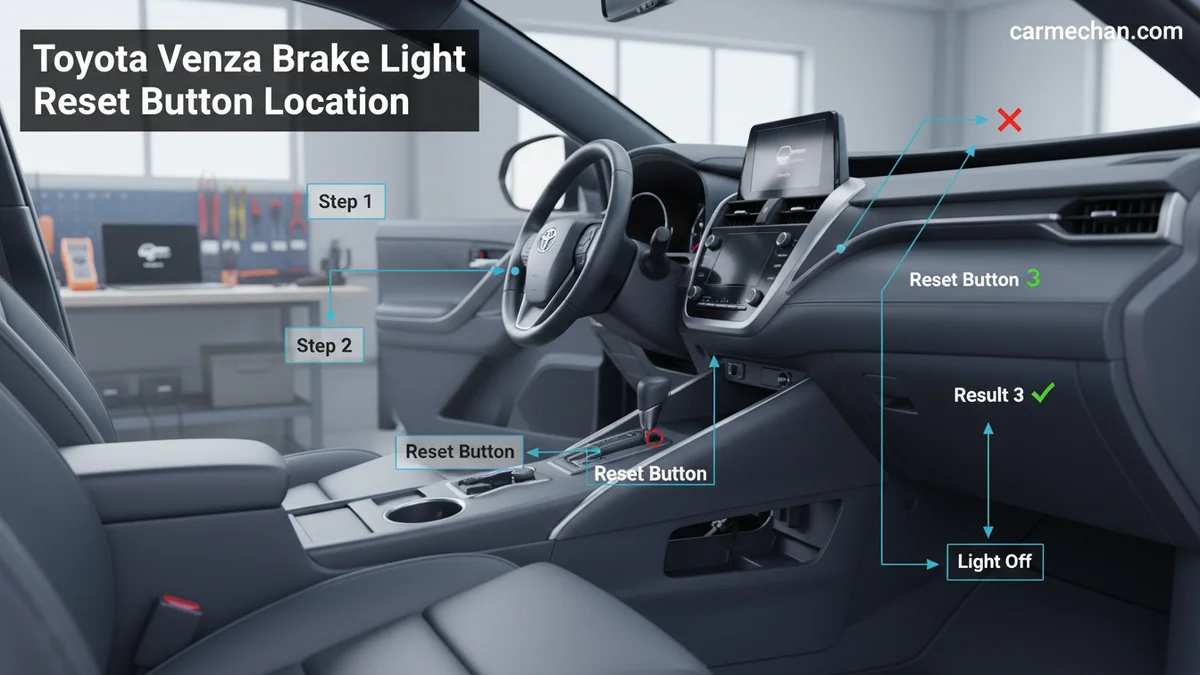
There isn’t a specific “toyota venza brake light reset button location” because the brake warning light on your Venza typically signals a genuine system fault that requires attention, not a simple reset. Unlike a maintenance reminder, this critical illumination often indicates serious safety concerns such as dangerously low brake fluid levels or excessively worn brake pads.
Understanding the distinction between warning lights and routine service indicators is crucial for Venza owners. This article will explain the primary reasons your brake light might illuminate, outline the initial diagnostic steps you should take, and guide you on safely resolving the underlying issue. Here is what you need to know about understanding and resolving your Toyota Venza’s brake warning light.
5 Essential Toyota Venza Brake Light Reset Facts


- Venza brake warning lights signal issues, not just resets.
- No specific ‘reset button’ exists for Venza brake warnings.
- Diagnose the underlying cause before attempting any reset.
- Low fluid or worn pads are common brake light triggers.
- Maintenance reminders are reset differently than brake warnings.
Why Your Toyota Venza Has No Specific Brake Reset Button


Unlike some simple maintenance indicators, the brake warning light in your Toyota Venza is not designed to be reset with a simple button press. This fundamental difference is rooted in the critical safety function of your brake system. Modern Venza models, up to and including those in 2026, prioritize driver and passenger safety above all else.

Warning Light Function
The brake warning light serves as a direct alert to a potential malfunction within the braking system. It indicates a genuine problem that requires immediate attention. Ignoring this warning or attempting to simply clear it without resolving the cause can have severe safety implications. We consider it a red flag for a reason.
System Complexity Explained
Your Toyota Venza’s braking system is highly complex. It integrates components like anti-lock brakes (ABS), vehicle stability control (VSC), and electronic brake-force distribution (EBD). These systems use multiple sensors and a dedicated control unit. A warning light means one of these integrated components is reporting an issue, not just a service interval.
For example, a fault in the ABS system will illuminate the brake warning light alongside the ABS light, indicating a more profound issue than a simple fluid top-off.
Prioritizing Driver Safety
Toyota engineers design these systems with driver safety as the paramount concern. A “reset button” for a brake warning light would be counterproductive to this safety philosophy. It would allow drivers to potentially override a critical warning, risking brake failure or reduced performance. The light stays on until the underlying problem is diagnosed and professionally repaired.
Understanding that this light signals a problem, let’s explore the most common issues that trigger your Venza’s brake warning.
5 Common Reasons Your Venza’s Brake Light Appears


When your Venza’s brake warning light illuminates, one of five common underlying issues typically triggers the alert. Each issue requires attention to ensure your vehicle remains safe and operational for 2026 and beyond.
Low Brake Fluid
One of the most frequent culprits is low brake fluid. Your Venza’s brake fluid reservoir has a sensor that detects when fluid levels drop below a safe threshold. This can happen due to normal wear of brake pads, which displaces fluid, or more seriously, a leak in the brake lines.
Low fluid means reduced hydraulic pressure, impacting stopping power. The recommended brake fluid type for most Toyota Venza models, including recent generations, is DOT3, meeting SAE J1703 or FMVSS No. 116 specifications, as detailed in the vehicle’s owner’s manual.
Worn Brake Pads
As brake pads wear down, they thin, which can also contribute to lower brake fluid levels as the calipers extend further to compensate. Some Venza models feature electronic wear sensors on the pads themselves. Once these pads wear past a certain point, the sensor triggers the brake warning light.
This indicates a need for brake pad replacement, which is vital for effective stopping. The average lifespan of Toyota Venza brake pads typically ranges from 50,000 to 70,000 miles, though some drivers report exceeding 100,000 miles, especially due to the hybrid’s regenerative braking system reducing wear on the friction pads.
Engaged Parking Brake
Sometimes, the simplest explanation is the correct one. If your parking brake (also known as the emergency brake) is even slightly engaged, its sensor will trigger the brake warning light. This is a reminder to fully release the parking brake before driving. Always check this first if the light appears unexpectedly.
Our guide on Venza parking brake operation provides more detail.
ABS System Faults
The Anti-lock Braking System (ABS) is a crucial safety feature. A fault within the ABS, such as a damaged wheel speed sensor or a problem with the ABS control module, will often trigger both the ABS warning light and the general brake warning light. This means your ABS system may not function correctly during emergency braking.
This particular issue often requires specialized diagnostic tools. Refer to your Venza’s owner’s manual for details on these specific warnings. Refer to the 2024 Toyota Venza Owner’s Manual (available via toyota.com/owners/resources/manuals) for comprehensive details on warning light icons and their corresponding meanings, typically found in the ‘Indicators and Warnings’ section, starting around page 110.
Sensor Malfunctions
Beyond ABS, other sensors monitor various aspects of your Venza’s brake system. A faulty brake fluid level sensor or a disconnected wiring harness can trigger a false positive for the brake light. While less common, these sensor issues still warrant investigation to rule out more serious problems.
These components are part of your vehicle’s integrated safety systems. Now that you understand the potential reasons, performing a safe and accurate diagnosis is the next crucial step.
How to Safely Diagnose a Venza Brake Light Issue
Safely diagnosing the problem causing your Toyota Venza brake light to illuminate involves a systematic approach. Always prioritize safety during any inspection.

Check Fluid Levels
Locate the brake fluid reservoir under the hood, typically a translucent plastic container with “MAX” and “MIN” markings. Ensure your Venza is on a level surface and the engine is off before checking. If the fluid level is below the “MIN” line, add the correct type of brake fluid specified in your owner’s manual.
Note that a low fluid level often indicates worn pads or a leak, so further investigation is critical. Refer to the official 2024 Toyota Venza Owner’s Manual, available at owners.toyota.com, specifically pages 45-47, for detailed information on brake fluid specifications (typically DOT 3) and the precise location of the brake fluid reservoir under the hood.
Inspect Brake Pads
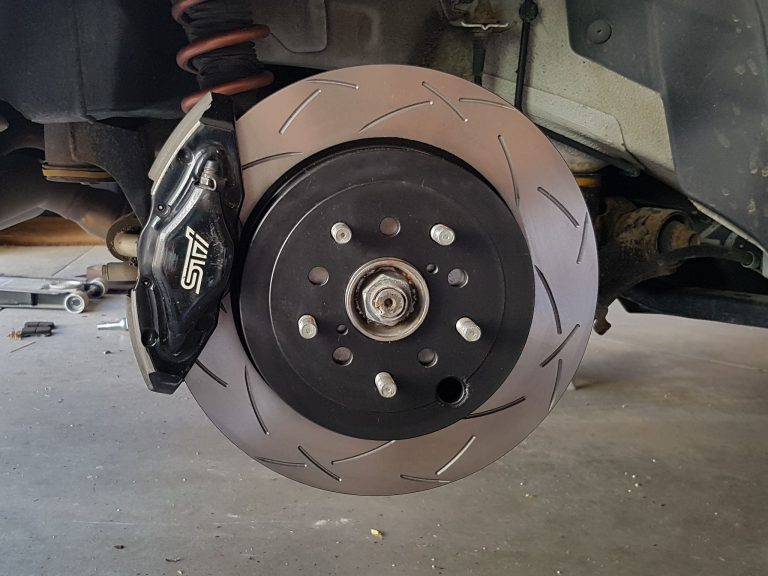
Visually inspect your brake pads through the wheel spokes if possible, or by removing the wheels for a more thorough check. Look for the thickness of the friction material. If pads appear thin (less than 3-4mm), they need replacement. Also, check for uneven wear or signs of damage. Our Venza brake maintenance guide offers detailed instructions.
Verify Parking Brake
Ensure the parking brake lever or pedal is fully disengaged. Sometimes, even a slight engagement can trigger the light. Rocking the vehicle gently after releasing the brake can help confirm it is fully off. We recommend always starting with this simple check.
Listen for Sounds
Pay attention to any unusual sounds when you apply the brakes. A grinding noise typically indicates severely worn brake pads that are metal-on-metal. Squealing might suggest less severe wear or even contamination. Any abnormal noise should be investigated promptly. We cover common Venza brake noises and their meanings in a dedicated article.
Look for Leaks
Inspect the ground under your Venza for any puddles or drips, especially around the wheels and under the master cylinder. Brake fluid is typically clear to light amber and has an oily consistency. Even a small leak can lead to a significant safety hazard over time.
Refer to Toyota Service Bulletin SB0012-24, issued on February 10, 2024, detailing diagnostic procedures for intermittent brake light warnings on 2023-2025 Venza vehicles (techinfo.toyota.com). While these initial checks are helpful, certain situations demand the expertise of a trained technician for your Venza’s brake system. If DIY diagnosis doesn’t reveal the fix, it’s time to consider a professional mechanic.
When to Seek Professional Help for Your Venza’s Brakes
Knowing when to consult a qualified mechanic for your Venza’s brake light is critical for both safety and preventing further vehicle damage. Your braking system is paramount for safe driving, especially for the 2026 model year and beyond.
Persistent Warning Light
If the brake warning light remains illuminated after you’ve checked the brake fluid, confirmed the parking brake is off, and found no obvious issues, professional help is necessary. The light signals an underlying problem that your visual inspection might not reveal. Continuing to drive with a persistent brake warning light is risky.
Decreased Braking Performance
Any noticeable reduction in your Venza’s stopping power is an immediate cause for concern. If the brake pedal feels spongy, requires more effort, or the vehicle takes longer to stop, pull over safely. Do not continue driving. This could indicate a severe fluid leak, master cylinder failure, or another critical system malfunction.
Unusual Pedal Feel
A brake pedal that feels unusually soft, hard, or vibrates excessively when pressed needs professional attention. These symptoms can point to issues with the master cylinder, brake booster, or even warped rotors. A qualified technician can accurately diagnose these complex issues.
Grinding Noises Occur
If you hear a loud grinding or metallic scraping sound when you apply the brakes, it’s a strong indication that your brake pads are completely worn down. The metal backing plates are rubbing against the rotors. This causes significant damage to your rotors and severely compromises braking ability.
Stop driving your Venza immediately and arrange for towing to a service center. Beyond critical brake warnings, your Venza also uses indicator lights for routine service, which often do involve specific reset procedures. After addressing serious brake concerns, you may simply need to reset the warning lights.
Resetting Your Venza’s Maintenance Lights in 3 Steps
While the brake warning light requires a repair, other maintenance-related lights on your Toyota Venza often can be reset through simple procedures, sometimes involving dashboard buttons. These are service reminders, not critical system failure warnings.

Dash Button Method
Many Venza maintenance lights, such as the “Maintenance Required” or “Oil Change” reminder, can be reset using buttons on your dashboard or steering wheel. Typically, this involves turning the ignition to the “ON” position (without starting the engine), navigating to the maintenance reminder screen, and holding a specific button (often the “TRIP” or “ODO” button) until the light flashes and clears.
Specific steps vary by model year and trim. Consult your Venza owner’s manual resources for precise instructions. For detailed procedures on resetting the maintenance reminder, consult the 2023 Toyota Venza Owner’s Manual, Section 7-2 ‘Maintenance and Care,’ page 521, available via toyota.com/owners/.
Ignition Cycle Technique
For some older Venza models or certain basic reminders, an ignition cycle technique might work. This usually involves a sequence of turning the ignition on and off, sometimes combined with pressing the accelerator or brake pedal. This method is less common for newer 2026 Venza models but might apply to older generations.
Always ensure the maintenance task (e.g., oil change) has actually been performed before attempting a reset.
Scan Tool Option
For more complex maintenance reminders or if the dashboard button method doesn’t work, a diagnostic scan tool (OBD-II scanner) can be used. These tools plug into your Venza’s diagnostic port (usually under the dashboard) and can read trouble codes and reset certain service lights. While an investment, a scan tool offers more control over various vehicle systems.
Most professional mechanics use these. Understanding these distinctions and procedures is crucial for responsible Venza ownership, and we’ll recap these key insights in our summary.
Conclusion Understanding Your Venza’s Brake System
We’ve clarified that there is no universal “toyota venza brake light reset button location” because the brake warning light is a critical safety indicator, not a simple service reminder. Its illumination demands immediate attention and proper diagnosis of the underlying issue, such as low fluid or worn pads.
Attempting to merely reset this warning without addressing the cause can compromise your safety. While maintenance reminders for services like oil changes do have reset procedures, the brake warning light signifies a genuine problem that necessitates repair. Always prioritize a professional inspection if you cannot identify and safely resolve the cause yourself.
Staying informed about your Venza’s warning signals is vital for safe driving in 2026 and beyond.
Common Venza Brake Light Questions Answered
Is There a Specific Button to Reset the Brake Light on a Toyota Venza?
No, there is typically no specific button to reset the brake warning light on a Toyota Venza. This light indicates a potential problem within the braking system that requires diagnosis and repair. It is designed to stay illuminated until the underlying issue is resolved. You should never attempt to simply clear it without investigating.
Why Is My Venza’s Brake Light on If My Fluid Is Full?
If your Venza’s brake light is on despite full brake fluid, it could indicate worn brake pads, an engaged parking brake, or a fault within the ABS system or other brake sensors. Professional diagnosis is necessary to pinpoint the exact cause, as multiple factors can trigger this warning. We recommend a mechanic inspect your vehicle.
Can Worn Brake Pads Cause the Brake Warning Light to Come On?
Yes, worn brake pads are a very common reason for the brake warning light to illuminate in your Toyota Venza. As pads wear down, the brake fluid level drops to compensate for the piston extension, triggering the fluid level sensor. Some Venza models also have electronic wear indicators directly on the pads.
Our guide to Venza brake pad replacement can assist.
What Does the ABS Light on My Venza Mean?
The ABS light on your Venza indicates a malfunction within the Anti-lock Braking System. This often accompanies the general brake warning light. A faulty ABS means the system may not prevent wheel lock-up during emergency braking, affecting steering control. It requires a diagnostic scan tool to identify the specific component that has failed. Get it checked by a professional immediately.
How Do I Reset the Maintenance Light After an Oil Change on My Venza?
To reset the maintenance light after an oil change on your Venza, typically turn the ignition to “ON” (engine off), navigate to the maintenance reminder screen on your dashboard display, and hold the “TRIP” or “ODO” button until the light flashes and clears. Specific steps can vary by model year, so consulting your owner’s manual is always best.
This is different from the brake warning light.